REVIEW · HIKING & TREKKING
Trekking Sapa 1 Day With Local Guide, Terraced Rice Fields
Book on GetYourGuide →Operated by Anh Tourist Hanoi Travel · Bookable on GetYourGuide
Rice terraces in Sapa are worth the mud. This 1-day walk mixes ethnic minority villages with big rice-terrace views, plus an uphill climb that reaches about 1,800 m. You also cross the Muong Hoa river on a hanging bridge and step off the main tourist tracks.
I love how the guide turns the route into something you can actually understand. You’ll learn about Hmong daily life, from rice-field work and house building techniques to Hmong marriage traditions. I also like the format: a small group (up to 10), an English-speaking guide, and a clear day plan that ends back in Sapa around the early afternoon.
One drawback to plan for: it’s a real trek. If it’s wet, the path can get muddy fast, and you may spend more energy watching your footing than getting the perfect photo angle. And at each village stop, you can expect people approaching to sell handmade items, so decide in advance how you want to handle that.
In This Review
- Key things you’ll enjoy on this Sapa 1-day trek
- First Steps in Sapa: Meet Your Guide and Start at 8:00 to 8:30
- Cat Cat Road: Bamboo Forest Feel and the Muong Hoa Hanging Bridge
- Climbing Toward the Rice Terraces: Expect Real Elevation and Real Views
- Y Linh Ho Village: Hmong Traditions, Work, and a Village Lunch
- Lao Chai: Black Hmong Community and the Value of Offside Paths
- Ta Van: Giay Culture, Group Learning, and the Ride Back to Sapa
- Getting Your Money’s Worth: Price, Inclusions, and What You’re Paying For
- What to Expect on the Ground: Mud, Rain, and Village Approaches
- Who Should Book This and Who Should Skip It
- Should You Book This One-Day Sapa Trek?
- FAQ
- How long is the Sapa trek?
- How far do you walk?
- What time does the tour start?
- Which villages do you visit?
- Is lunch included?
- What’s included in the tour price?
- Does the tour include transport back to Sapa?
- How big is the group?
- Who should not take this tour?
Key things you’ll enjoy on this Sapa 1-day trek
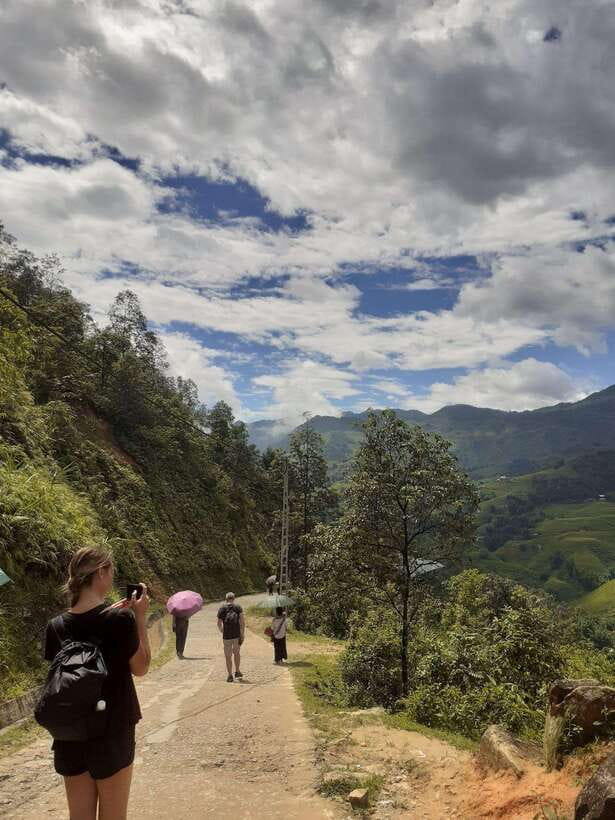
- Three ethnic village stops with Hmong, Giay, and Red Dao culture in view through multiple named communities
- Muong Hoa hanging bridge and river/valley views early in the day
- Uphill trekking to around 1,800 m plus bamboo-forest walking on the climb
- Vietnam’s famous rice terraces viewed from viewpoints along the route
- Lunch with a local family-style setting included in the day’s cost
- Off the busiest paths with a group small enough to move like humans, not a stampede
First Steps in Sapa: Meet Your Guide and Start at 8:00 to 8:30
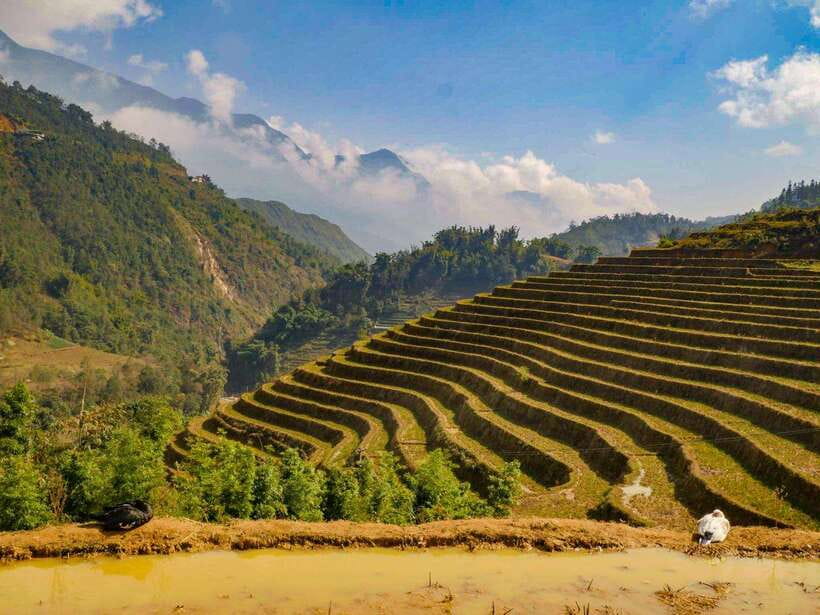
Your day begins early, usually around 8:00 to 8:30 am. The guide meets you in Sapa Town, either at your hotel in the center area or in front of the main church, depending on where you’re staying. After a short intro, you drop into the first walking stretch.
This early start matters. Sapa can get busy later, and the best terrace angles are easier when you’re not fighting crowds for the same viewpoints. Also, the climb isn’t just for show. You’ll be walking enough that a morning start keeps the day from dragging.
You can also read our reviews of more guided tours in Sa Pa
Cat Cat Road: Bamboo Forest Feel and the Muong Hoa Hanging Bridge
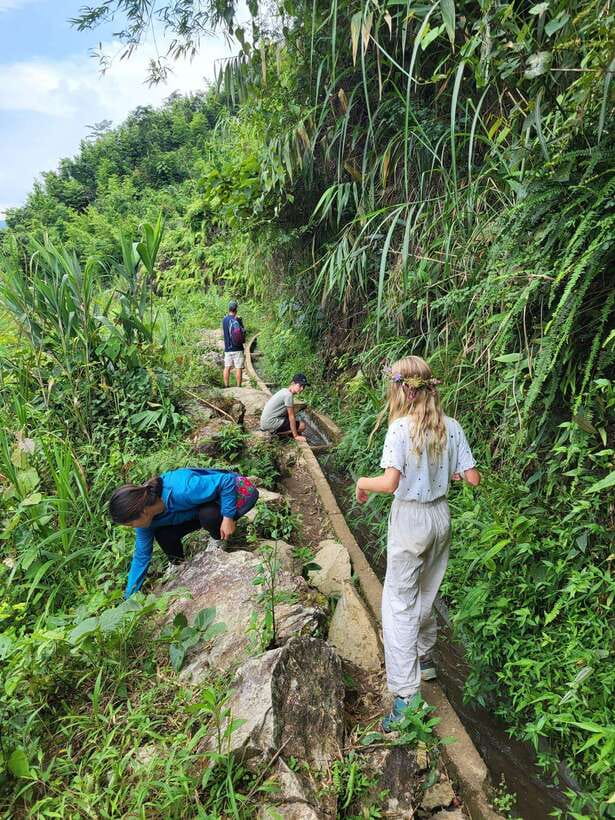
The trek begins with a downhill walk of about 2 km toward the Cat Cat road area, linked with the Hmong community. Even at this stage, you’re not just sightseeing from a roadside. You’re moving through working areas where the valley feels close.
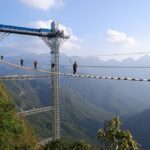
Then comes one of the day’s most memorable moments: the hanging bridge over the Muong Hoa river. It’s a practical stop, not a detour. Crossing it gives you a real sense of scale—how far the river valley runs, and why the terraced fields and villages are built where they are.
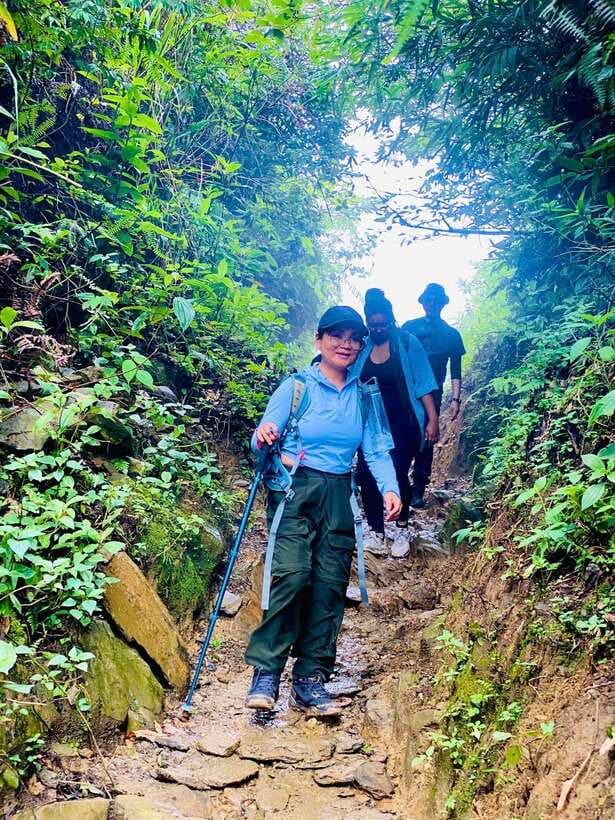
From there, the route turns uphill into the mountains, including time through a bamboo forest. The air feels cooler and the footing can be uneven. This is where having a guide helps most—your pace and safety depend on knowing where to step.
Climbing Toward the Rice Terraces: Expect Real Elevation and Real Views
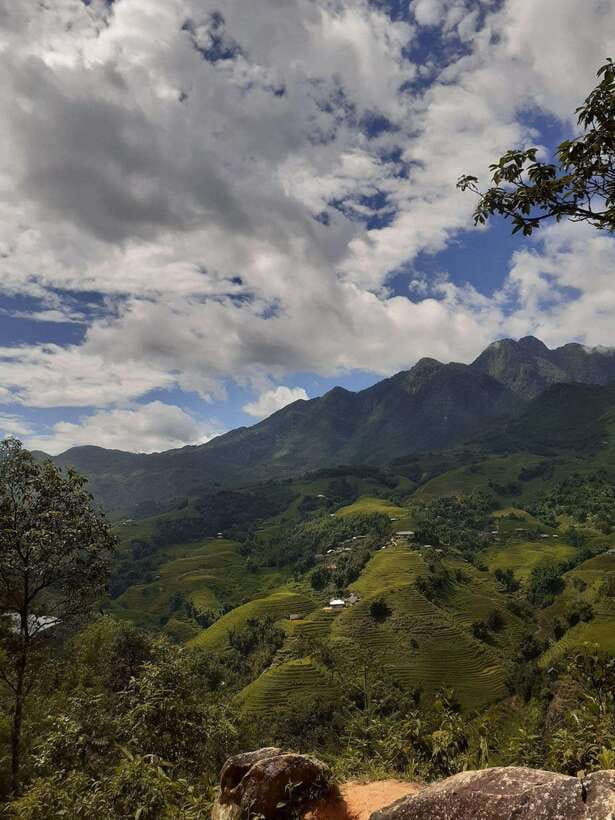
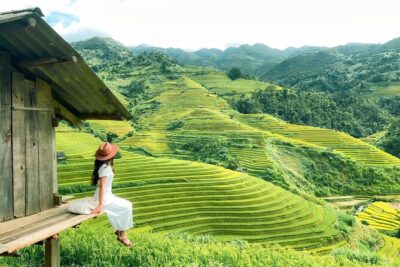
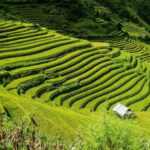
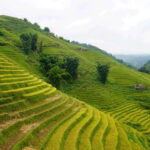
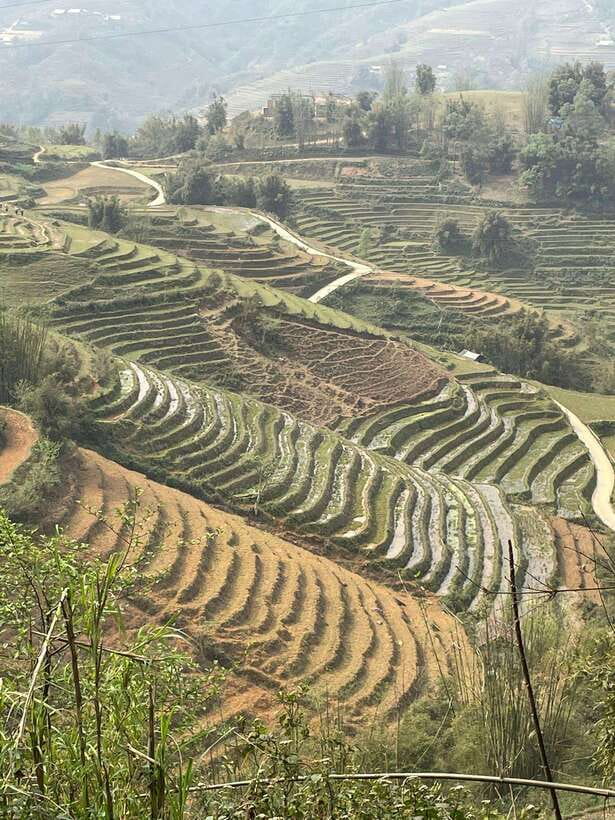
As the walk gains altitude, you’ll reach sections with some of the biggest, most famous rice-terrace scenery in the Sapa area. You’ll also get mountain viewpoints connected to Hoang Lien Son.
This is the part of the tour where the word famous actually makes sense. The terraces aren’t just pretty from one angle; you see them in bands as you move. That motion matters. If you’re the type who likes understanding a place, the walking route helps you see how the fields fit the slope.
One thing to be honest about: terrace time can be constrained by how fast you’re moving and how conditions are. If rain hits, you may find yourself focusing on balance. In muddy weather, it’s not always easy to pause, lie down, and frame the shot the way you planned.
Y Linh Ho Village: Hmong Traditions, Work, and a Village Lunch
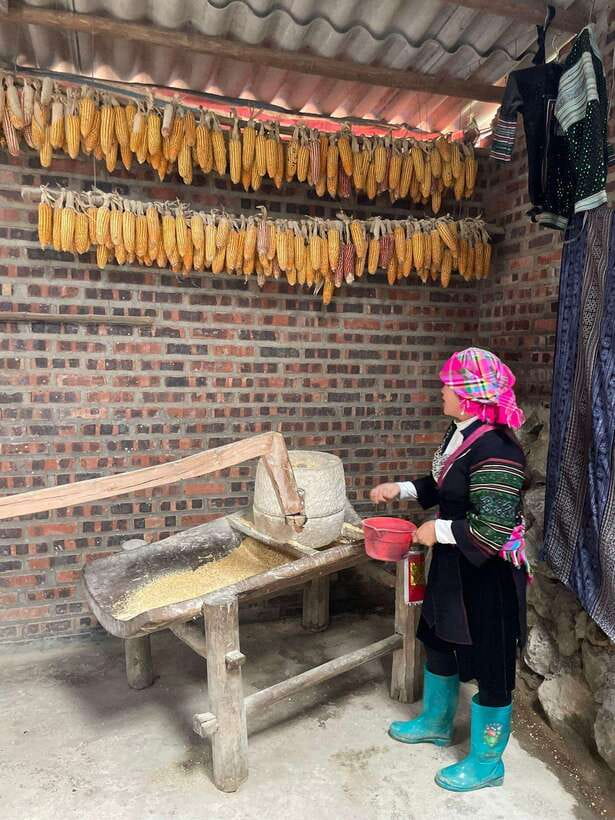
Next you head down to Y Linh Ho village for lunch at a small traditional restaurant run by a local Hmong family. This stop is a big reason the tour feels like more than a quick photo circuit.
What you should look for isn’t just the meal. It’s the explanation time: the guide introduces how Hmong people live and work around the fields. From the way rice farming fits daily schedules to house-building techniques, it’s the kind of context you don’t get from a bus-window view.
This is also where the selling pressure can show up. When you arrive at a village, expect people to approach with handmade goods. You don’t have to buy anything, but you’ll enjoy the experience more if you go in prepared—small bills help, and you can decide on the spot what you feel good about supporting.
Lao Chai: Black Hmong Community and the Value of Offside Paths
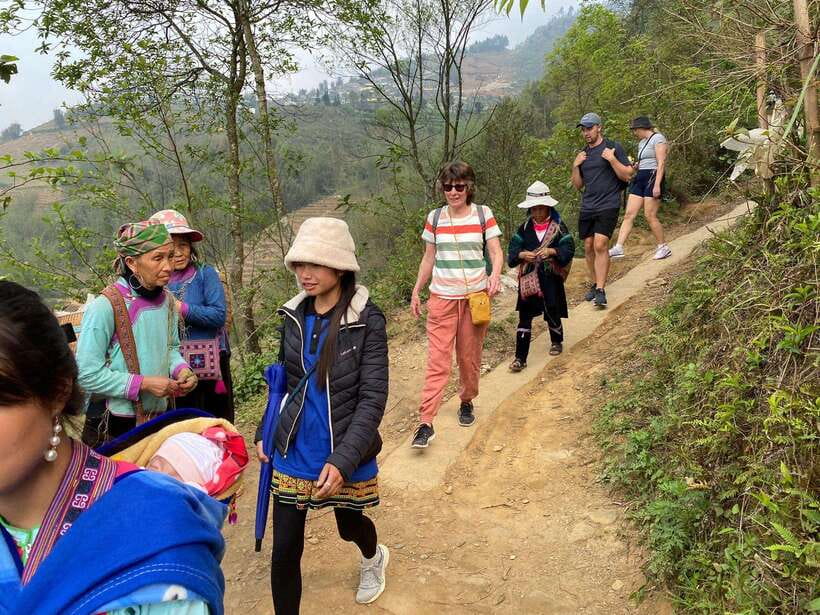
After lunch, the trek continues to Lao Chai, described as a village of the Black Hmong. This is another strong cultural waypoint. The guide helps you compare how different ethnic minority groups organize life, and you’ll hear about traditions linked to work in the fields and village life.
The tour keeps moving on foot, which is the whole point. Walking off the main tourist paths means you’re seeing the rice areas and villages as part of a continuous rural route. You’re less likely to feel like you’re being rushed from viewpoint to viewpoint.
At the same time, offside walking is slower than you might imagine on a map. The day runs about 7 hours total, with roughly 5 hours of trekking for the 13 km route estimate. Add breaks, lunch, and transfers, and it becomes a proper day trip.
You can also read our reviews of more hiking tours in Sa Pa
Ta Van: Giay Culture, Group Learning, and the Ride Back to Sapa
The last major village stop is Ta Van, where you meet the Giay community. By this point, you’ll understand the day better because the guide has already set up the differences between groups you’ve seen earlier.
One of the tour highlights is the learning thread: how traditions and daily practices differ among ethnic groups, and how the villages maintain their identity while living in the same mountain environment. The guide also connects what you’re seeing—fields, houses, and routines—to the larger terrain around Sapa.
When you’re done with the Ta Van portion, you’ll head back with a car transfer to Sapa town. The tour is designed to end around 14:30, which is useful if you’re planning to catch a bus back to Hanoi or continue exploring Sapa before dinner.
Getting Your Money’s Worth: Price, Inclusions, and What You’re Paying For
This tour costs $24 per person, and that price includes several things that add up quickly on your own: an English-speaking guide, a meal, entrance fees, and the bus/car return from Ta Van back to Sapa.
Here’s the real value angle: you’re paying for two things at once. First, you’re paying for local navigation through walking routes that make sense only with a guide. Second, you’re paying for cultural context—time spent explaining Hmong marriage traditions, rice farming routines, and house-building methods. If you were to recreate this independently, you’d spend money on transport and still miss the cultural translation.
What’s not included is also clear. Drinks with lunch aren’t included, and you’ll want to plan for tax, tips, and possible holiday surcharges (Lunar New Year, Christmas, New Year). I treat this kind of trek like a guided day with a meal, not like a barebones hike.
If you like structured trips but still want authenticity, this sits in a sweet spot: small group, local guide, walking route, and genuine village time.
What to Expect on the Ground: Mud, Rain, and Village Approaches
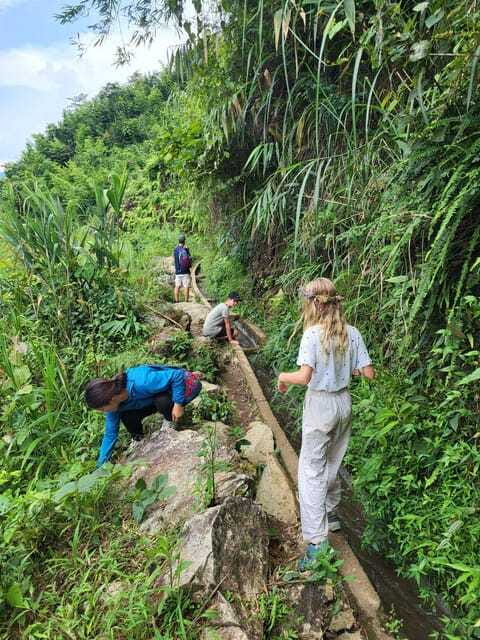
Even with a well-planned route, Sapa weather can change quickly. If it rains hard, expect the path to turn muddy. On days like that, the walk becomes less about long photo pauses and more about steady steps and quick glances up when you can.
You’ll also notice a pattern at village arrival points: people may approach to sell items they’ve made. This isn’t a scam, just how rural village markets interact with visitors. Decide your approach early:
- If you want to buy, bring small cash and be ready to ask questions.
- If you don’t want to buy, a polite no and a continued walk works fine.
And one personal-feeling detail that matters: the guide team is part of the experience. In rainy conditions, a friendly guide and supportive assistants can keep the mood calmer and help you stay on schedule without stress. If your guide is Su, you’re in good hands.
Who Should Book This and Who Should Skip It
This trek is best for you if you want a single-day introduction to Sapa that includes both rice terraces and real village life. It’s a solid fit if you enjoy learning while you walk—especially if you like understanding how ethnic communities live around the fields.
It’s not for everyone. The tour is not suitable if you have altitude issues (the route reaches about 1,800 m), high blood pressure, or if you’re traveling with babies under 1 year. Also, it isn’t listed for people over 95 years.
Since the walking is around 13 km total, it helps if you’re comfortable on uneven, potentially muddy ground. If you’re not into that, you might feel rushed or uncomfortable.
Should You Book This One-Day Sapa Trek?
Book it if you want value that goes beyond scenery. You’re getting a guide-led route through multiple ethnic minority villages, terrace viewing, and an included lunch, all wrapped into a tight schedule that still leaves you time to learn. The small group size (up to 10) helps keep the experience human.
Skip it if you’re sensitive to altitude, have mobility concerns that make uneven paths tough, or if you only enjoy hiking when you can stroll leisurely. This is a moving day.
My rule of thumb: if you can handle a few hours of trekking and you don’t mind that villages will sometimes try to sell handmade items, this is a strong way to experience Sapa without needing extra planning days.
FAQ
How long is the Sapa trek?
The trek lasts about 7 hours.
How far do you walk?
The route is about 13 km, with around 5 hours of trekking.
What time does the tour start?
It starts around 8:00 to 8:30 am.
Which villages do you visit?
You visit three ethnic minority villages, including Cat Cat area, Y Linh Ho, Lao Chai, and Ta Van, with Hmong, Giay, and Red Dao represented across the stops.
Is lunch included?
Yes. You get 1 meal included, and drinks with the meal are not included.
What’s included in the tour price?
Included are an English-speaking guide, entrance fees, the included meal, and the bus from Ta Van back to Sapa town.
Does the tour include transport back to Sapa?
Yes. After Ta Van, you take a car/bus back to Sapa town, and the tour ends around 14:30.
How big is the group?
The group is limited to 10 participants.
Who should not take this tour?
It’s not suitable for people with altitude sickness, high blood pressure, babies under 1 year, or people over 95 years.