REVIEW · HIKING & TREKKING
1 DAY Trek the Most Beautiful Villages of Sapa & Local Guide
Book on GetYourGuide →Operated by Do Sung Sapa Trekking and Homestay · Bookable on GetYourGuide
Rice terraces and stories start at the church. This Sapa 1-day trek links Y Linh Ho and Ta Van with a local Hmong sister team, so you walk trails and hear daily-life details, not just photos.
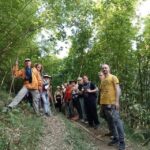
I love the rice harvest colors in September and the way the route mixes paddies, paths, and even a bamboo forest stretch. I also like the English-speaking guides (often Do or Zu) who explain farming, plants, and village life with a relaxed, funny energy.
One consideration: this is a group hike of about 12 km that can run closer to 6 hours, so pack for sun and wear real hiking shoes.
In This Review
- Key things to know before you go
- Why this Sapa 1-day village trek feels different
- The morning start at the Sapa church: how the day begins
- Y Linh Ho: rice terraces, valley views, and a planned rest
- Lao Chai and village lunch: the part you’ll remember for food
- Ta Van: where the hike ends and pickup begins
- Pace and distance: what a 5–6 hour trek really means
- What’s included vs what costs extra
- Guides matter: Do and Zu set the tone
- What to pack: the realistic gear list
- Respect and rules: keeping the visit smooth
- Who should book this trek, and who might prefer another option
- Should you book the Most Beautiful Villages of Sapa trek?
- FAQ
- How long is the trek?
- Where do we start in Sapa?
- What villages are included?
- What’s included in the price?
- What’s not included?
- Do I need to bring my own water or snacks?
- Can I do a private tour instead of a group?
Key things to know before you go
- Rice terraces across multiple villages instead of a single viewpoint
- English-speaking Hmong sister guides sharing real life routines and farming work
- Included lunch in a village that’s more than a quick snack
- A route that changes scenery, with rice fields and at least one bamboo forest section
- You’re walking trails, not just roads, with short breaks along the way
- Return by car to your Sapa hotel after pickup at Ta Van
Why this Sapa 1-day village trek feels different
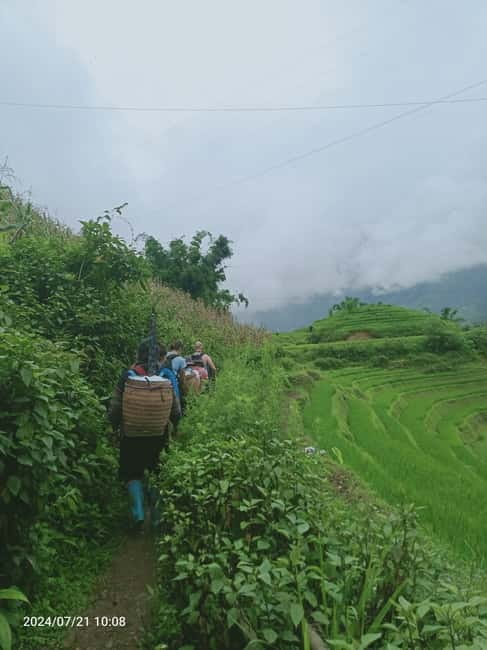
This trek is built around moving through villages, not just stopping for photos. You start in Sapa, hike down into the valley, and spend the day with local ethnic minority communities through daily farm scenes and small village stops.
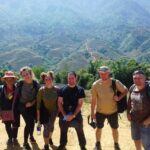
What makes it work is the human scale. You’re not doing a big bus tour with rapid-fire landmarks. You’re on foot, learning as you go—plus you get an actual lunch in the village, which tells you a lot about the pace of life there.
You also get a guide who can explain things clearly. In the feedback I saw, guides like Do and Zu were praised for being upbeat and detailed—especially when talking about plants and farming. That matters, because Sapa’s scenery can look similar from a distance. The guide helps you read what you’re seeing.
You can also read our reviews of more guided tours in Sa Pa
The morning start at the Sapa church: how the day begins
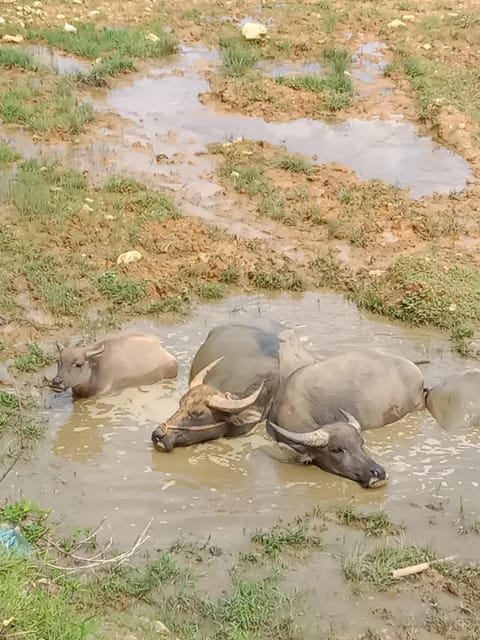
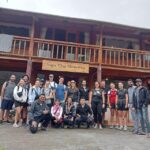
Most days start at the church in Sapa. After a brief introduction, you head out and begin walking down from town. Expect the first part to feel like a warm-up—slow steps and a chance to get used to the pace before the longer trail sections.
This start also helps you understand what the trek is actually doing. You go from built-up Sapa into the countryside where agriculture shapes everything. Even if you’re not a hardcore hiker, you’ll feel the change quickly.
One practical note: if you have an early bus, tell your guide when you meet. The tour timing can affect when you get dropped back in Sapa, and the guide can plan around your travel day.
Y Linh Ho: rice terraces, valley views, and a planned rest
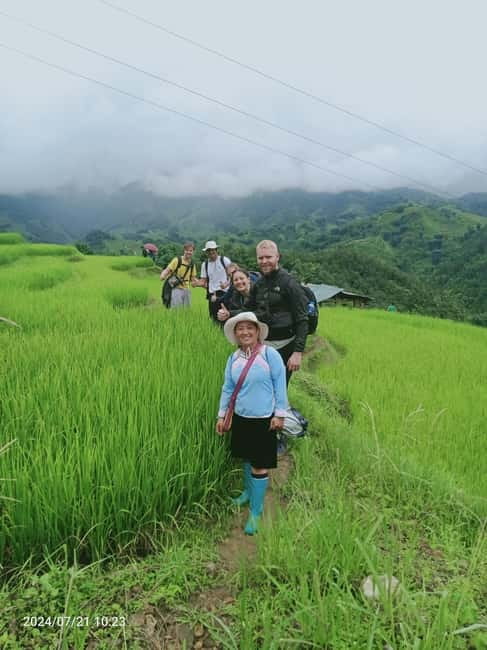
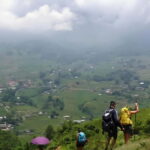
The first main village stop is Y Linh Ho. You’ll pass by on the way in and then spend time there—around the first hour to build momentum, followed by about two hours of trekking before a short rest.
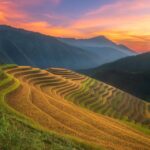
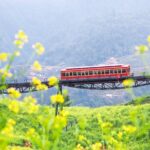
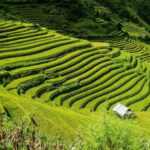
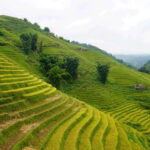
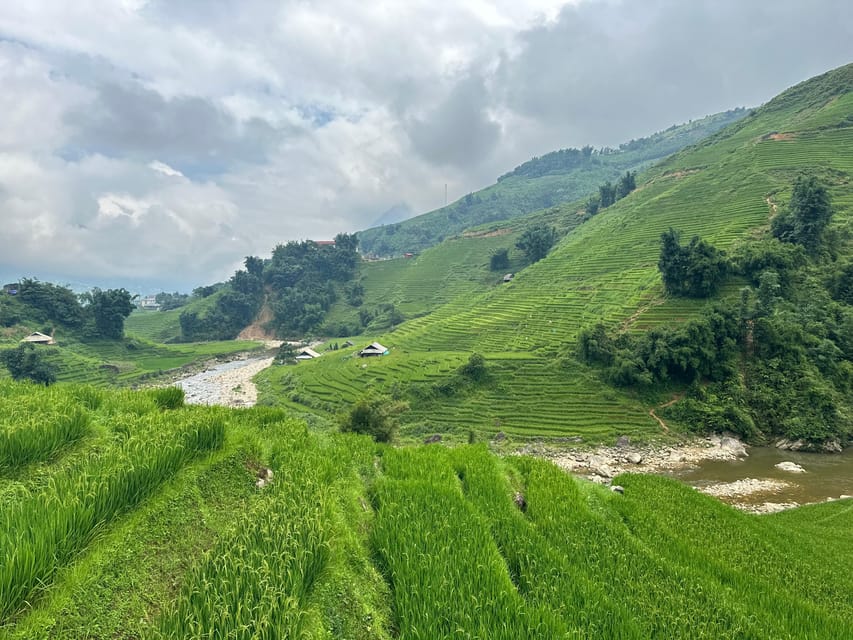
You can think of this as your first big “wow” moment. Y Linh Ho is known for rice fields, and the look changes by season. In September, the harvest timing can shift the fields into shades of green and yellow, which is exactly the kind of variation that makes repeat visits worthwhile.
There’s also a short break built in (about 20 minutes). That’s not just comfort. It helps you recover before you continue toward the next village, where the hiking keeps rolling.
Lao Chai and village lunch: the part you’ll remember for food
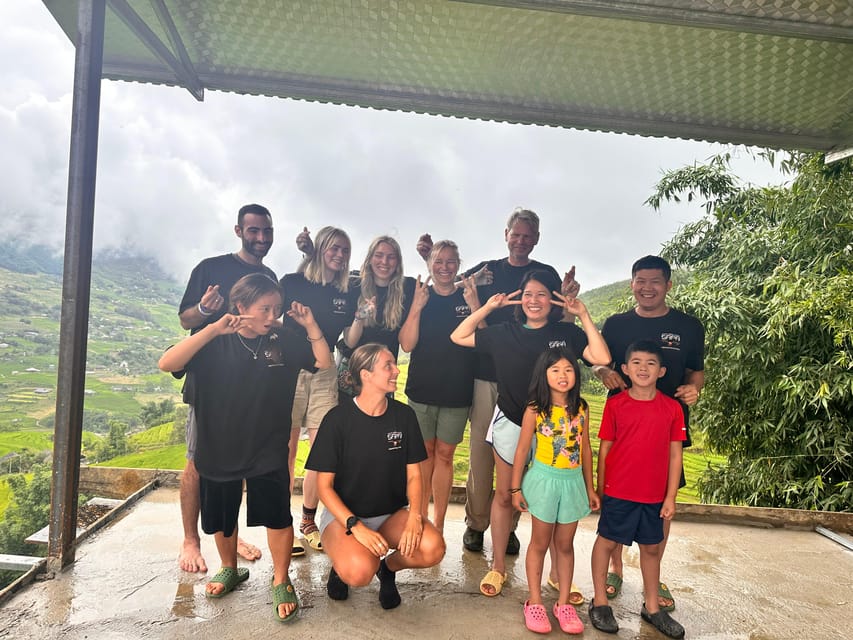
After Y Linh Ho, you continue to Lao Chai. This is where the day starts to feel less like sightseeing and more like living in the rhythm of the mountains.
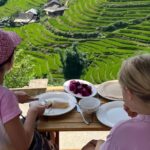
You’ll stop for lunch in a Hmong village—included in the price. In the feedback I saw, lunch quality was a standout. It’s usually more than you’d expect from a simple trek meal, and that’s important on a long walking day. You’re not just fueling up; you’re eating in the context of the community you’re visiting.
After lunch, you visit a traditional house. This is one of those stops where you should pay attention even if you think you’ve seen it all before. Houses and room layout reflect practical life: how people store things, handle daily work, and live with the seasons. If your guide points out specific details, take the time to listen—those small explanations are what turn this from a photo stop into a real cultural moment.
Ta Van: where the hike ends and pickup begins
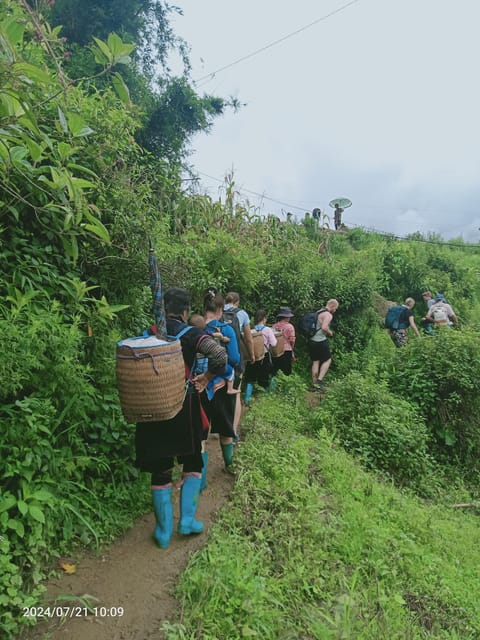
Next you head toward Ta Van Village, which is home to both Giay and Hmong ethnic minority communities. The walk here is scenic and keeps your eyes busy. You’ll have stops along the way for sightseeing and views, with around an hour set aside in the Ta Van area.
Ta Van is also where the tour transitions from walking to transportation. You reach the point where a car or motorbike pickup returns you toward Sapa after the tour ends. The finish time can be around 2 pm to 4 pm, depending on how the group moves and how the timing stacks up.
This variable ending matters if you’re planning a later activity. If you’re catching a night bus or need to meet someone later, give yourself buffer time. A trek like this isn’t a clockwork machine—it follows trail pace and group energy.
You can also read our reviews of more hiking tours in Sa Pa
Pace and distance: what a 5–6 hour trek really means
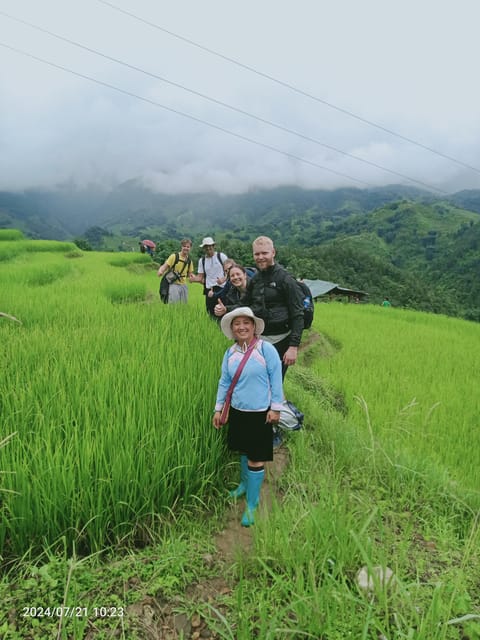
On paper, the duration is listed as about 5 hours, but it’s commonly described as 5–6 hours. The route is roughly 12 km, and that’s the part you should treat as the real measurement.
A few things help you plan your effort:
- It’s a group tour, so you won’t control the pace completely.
- There are short breaks (including a rest near Y Linh Ho).
- You’re walking trails, not just flat paths, so your legs will feel it even if you’re in good shape.
If you’re the kind of traveler who likes quick, nonstop movement, you might find the group pace slower than you want. If you’re the kind of traveler who likes time to look, chat, and ask questions, the breaks will feel right.
And yes: sun protection is a must. One person specifically mentioned not skipping sunscreen even when it’s cloudy. That’s good advice for Sapa in general—cloud cover doesn’t automatically mean lower sun impact.
What’s included vs what costs extra
For about $18 per person, this trek offers solid value because the core expenses are covered. You get:
- a local Hmong English-speaking guide
- lunch in the village
- 1 small water per person
- car transportation back to Sapa, ending at your hotel
The extra costs are simple. Drinks like beer or soft drinks aren’t included, and tipping is also not included.
Is $18 a bargain or just fair? It feels like fair value because you’re paying for guided interpretation, time with the community, and the logistics of getting everyone back to Sapa. The included lunch and transport reduce the usual hidden costs that happen on trekking days.
If you compare it to a private option, the private tour is priced higher (700,000 VND, roughly $28 per person). That makes sense if you want more flexibility, a custom pace, or fewer group constraints.
Guides matter: Do and Zu set the tone
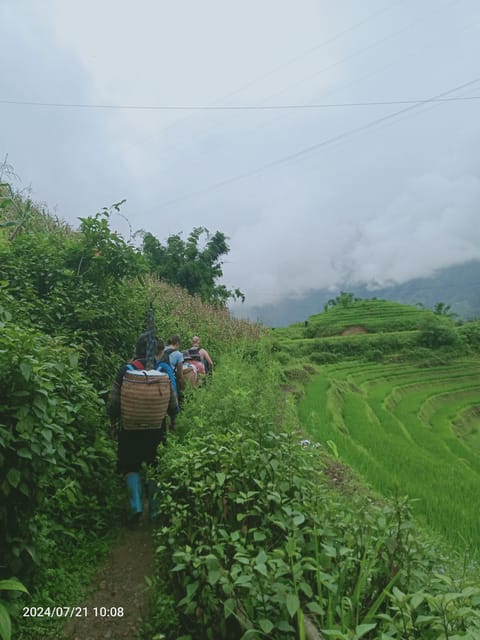
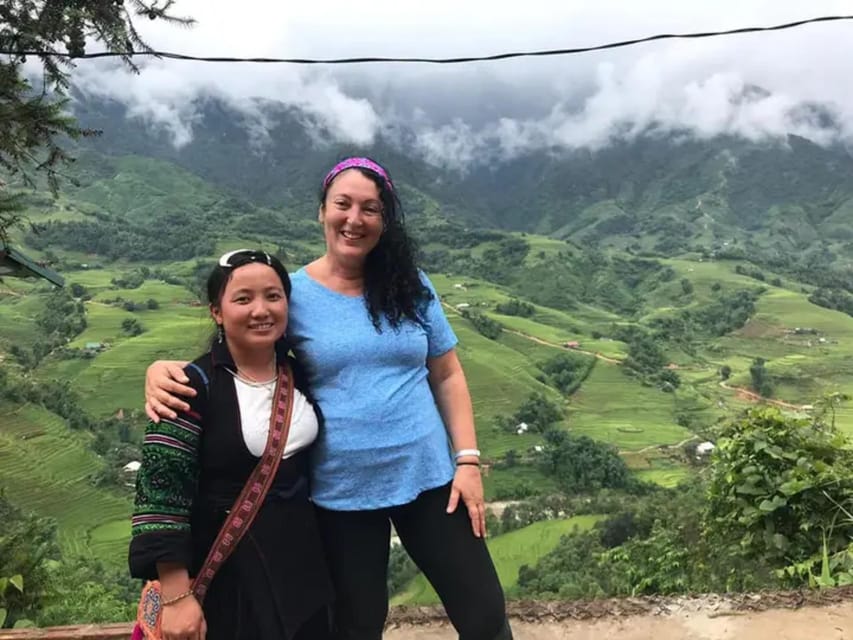
One of the most praised parts of this experience is the guide experience. In the feedback I saw, guides like Do and Zu were described as funny, friendly, and full of energy. People also liked how they explained practical topics—rice farming and even indigo cultivation came up.
This is why I like this style of trek. When you understand what you’re walking through, the scenery gets clearer. Terraces aren’t just pretty. They’re a system—water management, crop timing, and labor that show up in the path you’re taking.
So ask questions. If you have something specific you want to know—how farming works, what the plants are used for, or what daily routines look like—this is the moment to ask.
What to pack: the realistic gear list
The basics are provided by planning, not wishful thinking. For this trek, bring:
- hiking shoes
- comfortable clothes and wide-leg pants that work for walking
- sunscreen, sunglasses, and a sun hat
- insect repellent
- cash (handy for small purchases)
- a light rain layer (a raincoat or outerwear)
Also remember the day includes village stops, so you’ll feel better with clothes that dry quickly and don’t restrict your stride.
If you tend to travel light, at least don’t compromise on shoes and sun protection. Those two items decide whether the trek feels fun or annoying.
Respect and rules: keeping the visit smooth
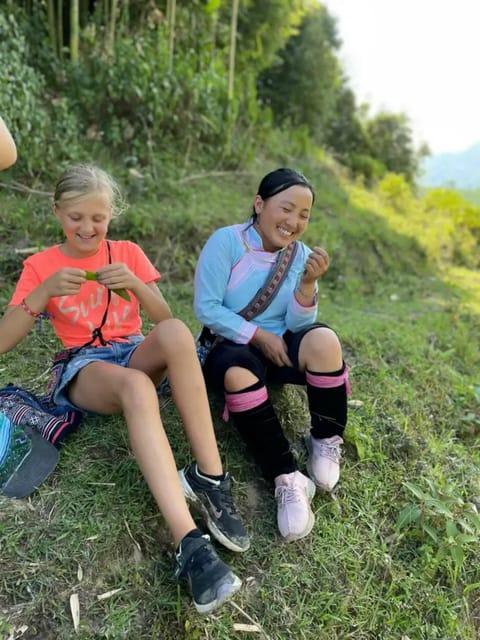
This is a walking tour with community interactions, so keep it respectful and simple. Alcohol and drugs aren’t allowed. You’ll get more out of the day if you stay present, follow your guide’s direction, and move at the group pace.
If you’re traveling with an older person or someone with limited walking ability, note that this isn’t suitable for people over 95 years old, per the tour’s guidelines.
Who should book this trek, and who might prefer another option
You’ll like this tour if you:
- want a short, structured trek (about 5–6 hours) instead of a multi-day hike
- enjoy village life and want to see how farming shapes daily routines
- prefer an English guide so you can ask questions and understand what you’re seeing
- value an included meal as part of the experience
You might not love it if you:
- want total control over timing or pace (it’s a group tour)
- dislike walking distances around 12 km
- need a rigid schedule where even a 2 pm vs 4 pm finish could cause problems
If you want fewer people and more flexibility, consider a private tour. It’s pricier, but it can be a better fit for families or travelers who want their questions answered at a slower speed.
Should you book the Most Beautiful Villages of Sapa trek?
I’d book it if you want a real day in Sapa’s village countryside without making your whole trip revolve around intense hiking logistics. The combination of rice terraces, community stops, English explanation, and an included lunch is exactly the kind of value that makes a $18 trek feel substantial.
Do it with realistic expectations: the hike is about 12 km and can stretch toward 6 hours. Pack sun gear, wear shoes that grip well, and plan for a late-ish return to Sapa.
If your goal is photos only, you can skip this. If your goal is to understand how people farm, live, and welcome visitors, this is a strong choice.
FAQ
How long is the trek?
The tour runs about 5–6 hours, and it’s around 12 km of walking.
Where do we start in Sapa?
You meet at the church in Sapa, and the trek begins from there. Pickup options depend on what you select, but the church start is a stated option.
What villages are included?
The route includes Y Linh Ho, then Lao Chai for lunch and a house visit, and then Ta Van, where pickup back to Sapa happens.
What’s included in the price?
The price includes a local Hmong English-speaking guide, lunch in the village, 1 small water per person, and a car ride back to Sapa to your hotel after the tour ends.
What’s not included?
Drinks (such as beer or soft drinks) are not included, and tipping is not included.
Do I need to bring my own water or snacks?
You’ll get 1 small water per person, but the tour does not include other drinks or snacks, so you may want cash for anything extra you prefer.
Can I do a private tour instead of a group?
Yes. A private tour is available, priced at 700,000 VND per person (about $28 per person).