REVIEW · HIKING & TREKKING
Sapa – Bac Ha Trek Tour – Night Train & Bus & Homestay overnight
Book on Viator →Operated by Go Asia Travel · Bookable on Viator
Your first hike starts right after Hanoi. I like how this plan handles the overnight train and early pickup, so you land in Sapa while most people are still deciding what to do with their day. I also like the small-group feel with a local English-speaking guide walking you through Hmong villages. The one thing to consider: there’s a longer trekking day (up to about 9 km), and rain can make it more demanding.
You get real time with a local homestay rhythm in Ta Van, not a polished hotel script. Expect basic facilities—shared rooms or single mattresses, plus a public bathroom—so comfort seekers should set expectations early.
For about $54.20, you’re really buying the whole package: transport, guided trekking, most meals, and key entrance fees (plus an 8% government tax). That value only makes sense if you can handle cooler Sapa weather and simple lodging.
In This Review
- Key Highlights You’ll Care About
- From Hanoi to Sapa: the overnight train flow that saves a day
- Day 1: Cat Cat, Lao Chai trails, and finishing at Ta Van homestay
- Cat Cat village trek with a local H’Mong guide
- Lao Chai: terraces below Fansipan and village-by-village paths
- Ta Van: staying with hosts overnight
- Day 2: Giang Ta Chai views, bamboo, rice terraces, and another homestay night
- Pace and comfort check
- Day 3: Bac Ha Sunday market, Hoang A Tuong’s palace, and Pho village
- Bac Ha market: Sunday morning trade in action
- Hoang A Tuong’s castle: a power base for H’Mong leadership
- Pho village: a calmer walk near the market
- Meals, guiding, and what’s included for your money
- Group size and guidance style
- Vegetarian option
- What to pack for Sapa: cold, fog, rain, and small practical upgrades
- Price and logistics: is this $54.20 deal actually worth it?
- Who this Sapa–Bac Ha trek with homestay suits best
- Should you book this trek tour?
- FAQ
- How do I get from Hanoi to Sapa on this tour?
- What meals are included during the 3 days?
- Where do I stay overnight?
- Is the trekking hard?
- What should I pack for Sapa weather?
- Do they offer vegetarian meals?
- When is Bac Ha market available?
Key Highlights You’ll Care About
- Overnight train option from Hanoi with an early morning arrival and a short drive from Lao Cai to Sapa
- Cat Cat and Lao Chai village treks with a local H’Mong guide, plus terraced scenery and stream valleys
- Ta Van homestay stay with shared accommodations and a public bathroom so you’re living like locals for a night
- Bac Ha on Sunday morning for the market-style trade and everyday village exchange
- Hoang A Tuong’s palace visit to connect today’s Sapa culture to the H’Mong leadership of the past
From Hanoi to Sapa: the overnight train flow that saves a day

This tour is built around getting you to Sapa fast—so you can spend your daylight hours outside, not sitting on buses all day. Depending on the option you choose, you’ll either ride an overnight train or take a limousine bus between Hanoi and Sapa. The itinerary you’ll see most often uses the overnight train route.
If you’re on the train plan, you meet at the Hanoi train station area and board a night service around 21:30 for Sapa (SP1/SP2/SP3). You arrive at Lao Cai early, around 5:00, and then a driver picks you up and transfers you roughly 40 km to Sapa. That early arrival matters: you’ll have time for breakfast and then start trekking the same day.
Two practical points here. First, Sapa is cool and often damp, so even if you’re arriving in the early morning, you’ll want warm layers ready to go. Second, sleep on a train can be patchy—plan your first day trek with the mindset of gentle-to-moderate, not a full-energy hike.
If you hate train uncertainty, choose the bus option. Either way, the tour handles the handoff, which is the big win. Your job is just to show up, pack smart, and be ready for an early start.
You can also read our reviews of more evening experiences in Hanoi



Day 1: Cat Cat, Lao Chai trails, and finishing at Ta Van homestay
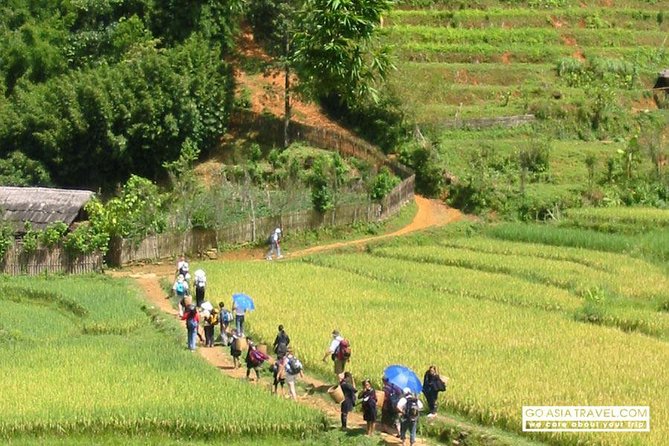
Day 1 is about easing into the Sapa Valley scene and then moving through villages by foot. After the early arrival into Sapa (when you’re using the overnight train schedule), you’ll have breakfast at the hotel and then pack a light bag for the trekking portion.
Cat Cat village trek with a local H’Mong guide
You’ll head to Cat Cat village with a local H’Mong guide. This is a classic Sapa-style introduction: village paths, water features, and viewpoints framed by the valley and rice terraces. Cat Cat is also where you’ll see a waterfall and the Muong Hoa stream, and you can visit a hydroelectric power plant dating to the French era. The stops also mention local schools, which gives the visit a more everyday feel than pure photo stops.
The trekking here is described as a short hike—enough to get moving and comfortable with your footing, not a full day of hard effort.
Lao Chai: terraces below Fansipan and village-by-village paths
After Cat Cat, you’ll keep walking through the Lao Chai area. Lao Chai is home to H’Mong communities, and the route follows the feel of the Muong Hoa valley and stream with views toward Fansipan. The itinerary emphasizes terraced scenery and village paths, which is exactly what you want if your goal is real time in Sapa rather than just quick overlooks.
A quick note on stamina: if you’re prone to overdoing it, Day 1 is where you set your pace. Keep your energy for the longer walking that can come later, especially if you’re choosing the trek variant with the longer distance.
Ta Van: staying with hosts overnight
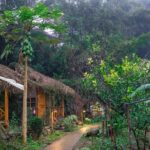
Day 1 ends in Ta Van village. You’ll stay overnight at a homestay, and the included description is clear: it’s basic. You’ll either get a shared room or a single mattress, and you’ll use a public bathroom. The advantage is the cultural contact—Ta Van is the kind of place where your day-to-day rhythm is shaped by the host family’s routine, not a tour schedule.
This is the point where the tour stops being only sightseeing and becomes more about daily life: how people move around the valley, how they live with weather and seasons, and how communities organize their homes and meals.
You can also read our reviews of more hiking tours in Hanoi


Day 2: Giang Ta Chai views, bamboo, rice terraces, and another homestay night
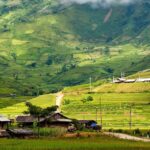
Day 2 continues the “walk between communities” theme. You’ll visit Giang Ta Chai village, described as a home where Red Zdao, Zday, and Black H’Mong communities live together. The route focuses on wide views over the Muong Hoa valley, along with bamboo forest and rice terraces.
This day is a good fit if you like scenery that changes with each turn—valleys open up, then narrow into streams and paths. It’s also the day that rewards good weather. If you arrive with fog, you’ll still see plenty, but you’ll get a softer, more muted view. The tour notes that Sapa can be foggy in winter months, so manage your expectations if you’re traveling in December through February.
After the village visit, you’ll have time to stay with the hosts at the homestay. The inclusion details focus on Ta Van accommodations, but the idea is the same: you’re not checking into a hotel and leaving again. You’re part of the home flow for the evening.
Pace and comfort check
If you’re hoping for a light and fluffy “walk with occasional photos” schedule, Day 2 still involves trekking. If you set your pace early—slow, steady, and layered—you’ll have a better time. And if rain shows up, the slippery spots are what make a moderate hike feel harder, which is why the tour calls out rain risk on the longer stretch (around 9 km).
Day 3: Bac Ha Sunday market, Hoang A Tuong’s palace, and Pho village
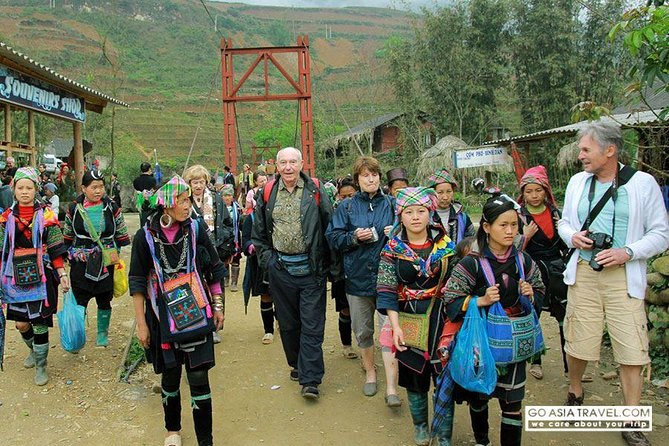
Day 3 is a cultural gear shift. Instead of valley trekking, you’re heading to Bac Ha, where the big event is the market.
Bac Ha market: Sunday morning trade in action
The Bac Ha market runs only on Sunday morning, and that’s a big deal. This is not a “market for tourists” setup; it’s described as showing the original way of exchanging goods, mixing old traditions with modern trade. You’ll see locals exchanging items like pig, hens, and souvenirs for other products.
This stop works because it’s time-bound. If your trip lands on a different day, the market piece wouldn’t match the same energy. So if Bac Ha market is on your must-do list, plan your travel dates accordingly.
Hoang A Tuong’s castle: a power base for H’Mong leadership
Next up is Hoang A Tuong’s castle, where the itinerary says the King of H’Mong people lived in the past with his family and ruled over other ethnic communities. The visit is short—about 30 minutes—but it anchors the region beyond village-level daily life. It gives you context for how authority and community structure worked historically.
Pho village: a calmer walk near the market
After the palace stop, you’ll head to Pho village, located close to the market. The plan includes a short peaceful walk to see daily life in the village. This is a nice contrast after the market buzz—like stepping out of the loudest room and into the calmer hallway.
If you still have energy, there’s also an extra option mentioned for continuing toward Ha Giang from Sapa (with buses around 14:30 and 19:00). That’s not part of the included tour, but it’s good to know if you want to keep moving north.
Meals, guiding, and what’s included for your money
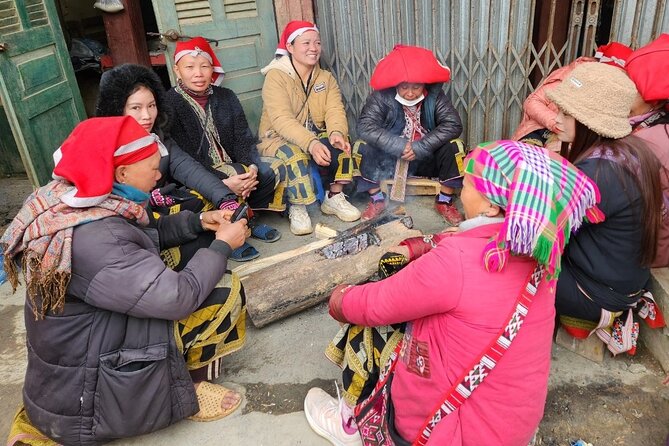
Let’s talk value in plain terms. The tour includes most meals: breakfast (3), lunch (3), and dinner. It also includes an English-speaking local guide in Sapa, plus a private tour to Bac Ha with private car and guide. You’re also covered for key entrance fees, including places connected to Ta Van and Hoang A Tuong palace in Bac Ha.
Homestay costs are often where budget treks get sneaky. Here, the homestay is included, and the description is honest about basic comfort: shared rooms or single mattresses, plus a public bathroom. That matters because it tells you exactly what you’re paying for. If you want a hotel bed every night, this won’t match.
Group size and guidance style
The tour caps at up to 15 travelers. That’s small enough that you can actually hear the guide and not feel like you’re herded through stops. The itinerary also indicates that guides can change depending on routes, but you’ll still have local guidance.
Vegetarian option
If you’re vegetarian, you can request it at booking. That’s important on multi-day treks where food decisions can otherwise be stressful.
What to pack for Sapa: cold, fog, rain, and small practical upgrades
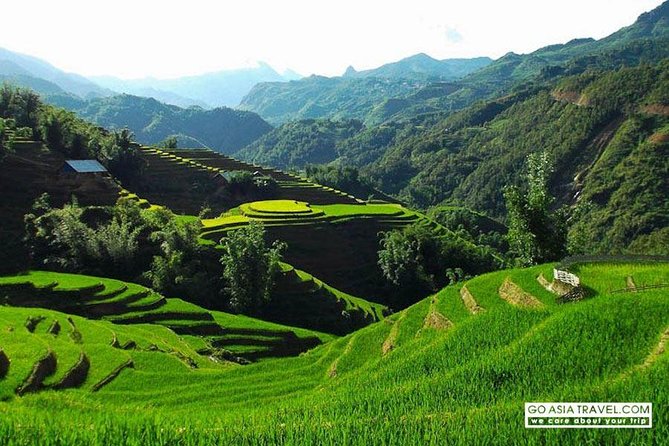
Sapa weather is the part you can’t fully control, so you pack to handle it. The tour explicitly warns that temperatures can be cold in September through March, and fog is common in December, January, February, and March. Rain happens too, and the long trek can become riskier in wet conditions.
Here’s what you should bring based on the guidance:
- Warm clothes, plus a scarf and hat/cap
- Trekking shoes (this is not the day for smooth sandals)
- Sunglasses and sunscreen (yes, even in cool weather)
- Insect repellent
- Cash in Vietnam Dong, because banking can be unreliable in Sapa
- Basic medicine, since pharmacies exist but you don’t want to be improvising if you feel unwell
Currency-wise, the plan says US Dollar, Euro, and Australian Dollar are accepted in Sapa. Still, it’s smartest to carry Dong so you’re not bargaining under pressure.
Also, the tour suggests you’ll want a light bag for the early trek day. That’s a subtle but smart detail: don’t overload yourself before the first climbs and stream crossings.
Price and logistics: is this $54.20 deal actually worth it?
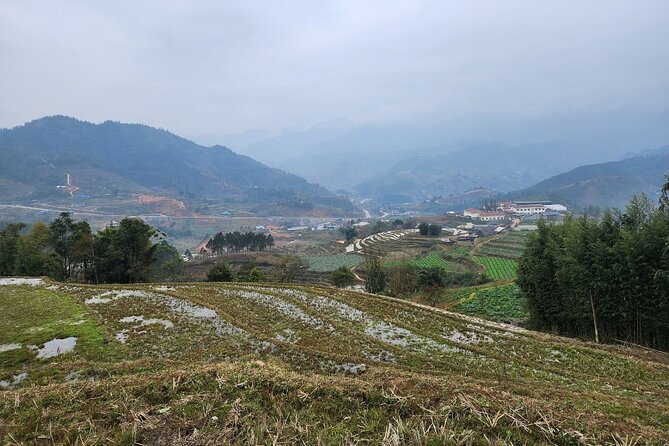
At $54.20 per person, this is the kind of tour that can feel like a bargain—if the included pieces match what you want. You’re getting:
- Transport between Hanoi and Sapa (train or limousine bus depending on option)
- An overnight train option in the itinerary details
- Local guiding for the trekking portion and a private Bac Ha day
- Homestay in Ta Van
- Entrance fees listed for Ta Van and Hoang A Tuong palace
- Most meals (3 breakfasts, 3 lunches, plus dinner)
- Government tax (8%)
That’s a lot folded in for one price. The tradeoff is simplicity. Homestay facilities are basic. Trekking is real (moderate fitness is required), and weather can change your comfort quickly.
If you’re traveling with a tight budget but you’re okay with basic lodging and carrying a light bag, this is good value. If you need hotel-level comfort and fully protected hiking routes, you’ll likely feel like you’re paying to tolerate conditions.
Finally, it’s a mobile ticket tour with free cancellation if you cancel early enough (up to 24 hours before start time for a full refund). So you’re not locked in until the last moment.
Who this Sapa–Bac Ha trek with homestay suits best
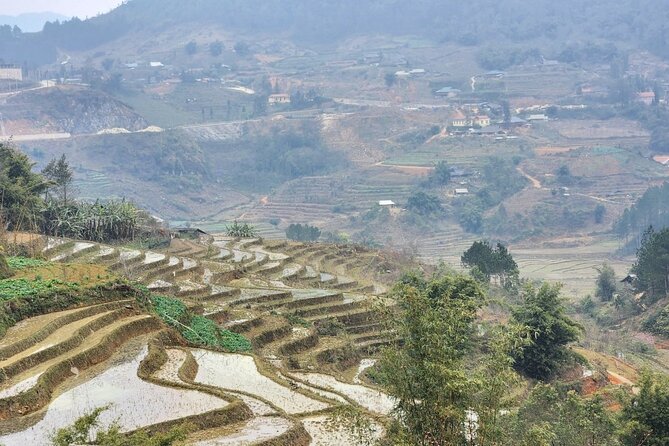
This tour is best for people who want variety: valley treks, village life, and a market day in Bac Ha. It’s also a strong match for solo travelers or couples who want their logistics handled but still want to walk and explore.
You’ll probably love it if:
- You enjoy walking through rice terraces, streams, and village paths
- You want at least one night living with a local homestay rhythm in Ta Van
- You’re interested in H’Mong and Zdao community life, including market culture on Sunday morning
- You’re comfortable with cold weather layering and simple lodging
You should think twice if:
- You struggle with longer walking days (the tour mentions a long trek up to about 9 km and notes higher danger in rain)
- You’re traveling with young kids (children under 6 aren’t recommended)
- Mobility is an issue (handicapped travelers are advised not to attend)
- You can’t handle basic bathrooms and shared spaces for the overnight
Should you book this trek tour?
Book it if you want a practical, guided way to connect Sapa’s villages and treks with Bac Ha market culture—without having to plan transport, guides, and lodging details yourself. The price is especially attractive because it includes meals, guide time, key entrance fees, and homestay lodging.
Skip it if you’re mainly chasing comfort, easy flat walking, or a hotel every night. This is a “you’re in the region, not hovering above it” kind of experience—basic homestay included, with weather that can be chilly and sometimes foggy or rainy.
If you tell me your travel month and fitness level (and whether you prefer train or bus), I can help you decide which transfer option fits you best.
FAQ
How do I get from Hanoi to Sapa on this tour?
You can choose either the overnight train or a limousine bus option. In the overnight train plan, you board around 21:30 in Hanoi for Sapa, arrive at Lao Cai around 5:00, and then transfer about 40 km by driver to Sapa.
What meals are included during the 3 days?
Breakfast is included 3 times, lunch is included 3 times, and dinner is included.
Where do I stay overnight?
You stay in a homestay in Ta Van, with either a shared room or a single mattress. The bathroom is public, and the facilities are basic and simple compared to a hotel.
Is the trekking hard?
The tour is for people with moderate physical fitness. There’s also a longer trek (around 9 km) and the tour advises older people not to attend it, especially in rain, due to challenge and danger.
What should I pack for Sapa weather?
Bring warm clothes plus a scarf and hat/cap because Sapa weather can be unpredictable and cold in September through March. You should also pack trekking shoes, sunglasses, sunscreen, insect repellent, and medicine.
Do they offer vegetarian meals?
Yes. A vegetarian option is available if you advise the provider at the time of booking.
When is Bac Ha market available?
Bac Ha market takes place on Sunday morning only.
You Might Also Enjoy



More Evening Experiences in Hanoi


More Tours in Hanoi
- Ninh Binh Full-Day Tour from Hanoi to Hoa Lu, Tam Coc & Mua Cave Via Boat & Bike
★ 5.0 · 4,384 reviews