REVIEW · HIKING & TREKKING
Sa Pa: Fansipan Peak One Day Trek with Local Guide
Book on GetYourGuide →Operated by Motorbike Tour Sapa · Bookable on GetYourGuide
Fansipan feels like a dare from Northern Vietnam. This one-day hike from Sapa climbs into the Hoang Lien Son range and ends at Fansipan Peak, the Roof of Indochina.
Two things I really like: the guided pacing with an English-speaking local, and the built-in stop for lunch at 2,800 meters so you’re not running on fumes. One watch-out: the weather can turn fast, and fog or strong winds can hide the summit views.
Your walk has a real rhythm—forest, bamboo, then altitude. Expect cardamom-scented trails, pine and yellow bamboo along the way, and a steady push to 3,143m. If you’re up for slippery footing and a serious climb, this is one of the most meaningful day trips you can do around Sapa.
In This Review
- Key points to know before you go
- Getting to Tram Ton Pass: Your 2,000m Head Start from Sapa
- Hiking Hoang Lien Son: Cardamom Smell, Giant Pines, and Yellow Bamboo
- The 2-Hour Mark and the Bamboo Forest: A Mental Checkpoint
- Lunch at 2,800m: Real Fuel Before the Final Push
- Reaching Fansipan Peak 3,143m: Views, Fog, and the Roof of Indochina Moment
- Tram Ton Downhill and Back to Sapa: Don’t Let the Day Drag
- Guide Binh and the Little Extras: Photos, Medals, and Attentive Support
- Price and Inclusions vs Cable Car Down
- What to Pack, Fitness Limits, and Who Should Skip Fansipan
- Should You Book the Sapa Fansipan One-Day Trek?
- FAQ
- How do I get to the start of the hike?
- What is included in the $64 price?
- Is the cable car included?
- What should I bring for the trek?
- Is the trek suitable for everyone?
- What kind of weather should I expect?
- Do I need to provide a passport?
- What is the cancellation policy?
Key points to know before you go
- English-speaking local guide who keeps you moving and tuned to mountain conditions
- Lunch at 2,800m that’s timed right before the final ascent
- Tram Ton Pass pickup + taxi transfer sets you up at about 2,000m before the hike
- Hoang Lien National Park entry plus water and rain gear included
- Summit at 3,143m with potential view-plan changes when clouds roll in
Getting to Tram Ton Pass: Your 2,000m Head Start from Sapa
This trek starts with pickup in Sapa, usually around Sapa Church or another central spot. From there, you ride by taxi up toward Tram Ton Pass, which sits at roughly 2,000 meters above sea level. That matters more than it sounds. Starting high reduces the total grind and gets you into the mountain environment quickly.
Once you reach Tram Ton, the hike begins. You’re not easing into a flat warm-up. Your first meters are already in mountain air, and your legs feel it. A taxi also means less fatigue before you start walking, so you arrive ready to hike instead of spending the morning recovering.
The route is also managed with simple rules for both safety and respect: no littering and no making fire. It’s a good sign this is run like a real protected-area trek, not just a sightseeing walk.
You can also read our reviews of more guided tours in Sa Pa
Hiking Hoang Lien Son: Cardamom Smell, Giant Pines, and Yellow Bamboo
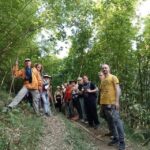
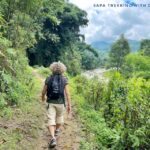
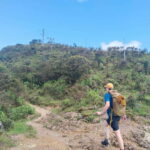
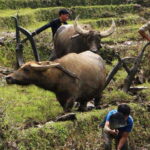
The heart of the experience is the forest climb through the Hoang Lien Son mountain range. The trail atmosphere is part of the reward. You’re walking among giant pine trees, plus yellow bamboo and cardamom plants, and there’s a distinct mountain aroma people tend to notice right away.
You’ll be doing a mix of uphill walking and tighter, slower sections as the trail changes. This is not a stroll. It’s a true one-day trek where your breathing matters and your footing matters, especially if the ground is slick.
The terrain also changes as you gain height. After about two hours, you reach a bamboo forest area where vegetation lowers and the trail can open up. That’s one of those moments that helps your brain: you’re not just climbing endlessly into trees anymore. You get a different kind of visibility, and on clearer days you can spot more of the distance ahead.
In the real world, conditions drive comfort level. If you’re moving during rain or after wet weather, trails can feel slippery. A good pair of hiking shoes isn’t optional here—it’s what lets you enjoy the climb without constantly grabbing for stability.
The 2-Hour Mark and the Bamboo Forest: A Mental Checkpoint
That bamboo forest point at around two hours is more than a waypoint. It’s a mental reset. Before this, you’re in a thick forest world—cooler, shaded, and focused on the next step. After this, the trail tends to feel less enclosed, and the air can feel a bit more exposed.
This is where you’ll start sensing how the day will go for you. If you hit the bamboo forest feeling steady, your final push will feel more manageable. If you’re already exhausted, this is the time to slow down and let your guide’s pacing strategy work.
A practical tip: treat this checkpoint as an instruction moment. Don’t rush to “win” the forest. Guides adjust the pace to the group, and that matters when altitude is involved.
From here, you’re headed toward the lunch point that sits high enough to affect how you feel when you continue.
Lunch at 2,800m: Real Fuel Before the Final Push
At about 2,800 meters, you stop for lunch. This isn’t a quick roadside break. It’s positioned so you refuel right before the hardest portion of the day. That timing is smart: your body uses food to keep effort steady, and your energy affects how carefully you place each step.
The lunch itself is included, and it’s a highlight in the way the trek is designed. Many people love that it’s made halfway up, which feels like a payoff at the right moment—not an afterthought. You’ll also be able to rest briefly, letting your breathing settle before you start again.
You’ll want to eat and drink with intent. The tour includes 1.5 liters of water, which helps, but it won’t solve poor hiking habits if you don’t sip consistently. If you go into lunch dehydrated, you’ll feel it on the climb to the top.
Also, the tour provides a rain coat for rainy days, which you’ll be glad for if the weather shifts after lunch. When you stop moving, wind and drizzle can feel colder fast at altitude.
Reaching Fansipan Peak 3,143m: Views, Fog, and the Roof of Indochina Moment
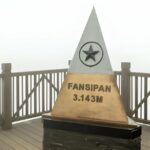
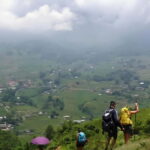
The final goal is Fansipan Peak at 3,143 meters. That’s the Roof of Indochina, and the meaning is simple: you’re standing at a high point that makes Sapa’s surrounding mountains feel like a real system rather than a backdrop.
From the summit, the big reward is the view—when conditions cooperate. On clear days, it’s a visual payoff that makes the hard parts feel worth it.
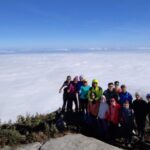
But you should plan for weather reality. Fog and clouds can roll in, and strong winds can show up too. When that happens, you may not get the wide panorama you pictured. The good news: your guide can help you adjust your expectations in the moment. One memorable approach is using photos during low-visibility periods so you can still understand what you’re looking at, even if you can’t fully see it.
Even with less visibility, reaching 3,143m is still the main achievement of the day. This is one of those hikes where completion feels like a story you can tell: the route climbed into the Hoang Lien Son range, you earned the summit, and you came back down with a clear sense of effort behind you.
You can also read our reviews of more hiking tours in Sa Pa

Tram Ton Downhill and Back to Sapa: Don’t Let the Day Drag
After the summit time, you descend back to Tram Ton Pass, then you take a taxi back to Sapa. The descent can feel like a different kind of challenge. Downhill means you’re still working, but your knees do more, and slipping becomes the enemy.
This is where your shoes and your pacing matter. If you rush the downhill, you’ll feel it quickly. If you keep steady steps, the descent is often where you regain control and energy.
Once you’re back in Sapa, you’re free to spend the rest of your day as you like. Many people do something simple: shower, eat, and relax. The trek isn’t gentle, and you’ll likely want a low-key evening where you can sit down and actually enjoy your food.
If you’re aiming to do other activities in Sapa the same day, keep expectations realistic. You’ll have climbed high altitude and walked on mountain terrain for hours, and it’s not the kind of outing where your energy bounces back instantly.
Guide Binh and the Little Extras: Photos, Medals, and Attentive Support
A big part of why this trek lands well is the guide experience. A common name you’ll hear is Binh, and people consistently describe him as supportive and attentive—especially during the more difficult parts of the hike.
One practical way guides help: they manage the difficult sections with encouragement and pacing. If you’re on the edge of your comfort zone, that support can keep you from spiraling into frustration or going too fast.
Another thoughtful element is how guides handle low-visibility conditions. When views are blocked by fog, Binh reportedly shows photos of what you’re likely seeing from the summit area. That gives your brain context, so the day doesn’t feel wasted even when the clouds win.
Then there are the small morale boosters. Some guides end the trek by handing out medals. It’s not a logistical necessity, but it does make the finish feel official. Little rituals like that matter on a hard one-day trek.
If you’re traveling with a group, the trek also includes a porter for 4 people or more. That can lighten the load and make the hike feel more manageable—especially if you’re carrying extra layers or rain gear.
Price and Inclusions vs Cable Car Down
The price is $64 per person, and the real question is what you get for that amount. For this trek, the inclusions are strong for a guided high-altitude hike:
- English speaking guide
- Lunch
- Hoang Lien National Park entrance fee
- Transport (Sapa to Tram Ton and back)
- 1.5 liter bottle water
- Rain coat for rainy days
- Porter for groups of 4+
- Certification
- The guide is there to manage the route and the altitude challenge
That means you’re paying for more than walking. You’re paying for a structured mountain day with fees and logistics handled, plus the safety value of a local guide who knows the terrain.
The key extra is the cable car. It’s not included. If you want to take the cable car down after reaching the top, you’ll pay it separately. That choice is yours. Some people prefer the full hiking loop for the complete accomplishment. Others like the option of swapping part of the descent for cable car time, especially if conditions are rough.
Also, snacks and soft drinks are not included, so you might want to plan for personal extras. The tour includes water and lunch, which covers the big needs, but your preferences may call for something small beyond that.
What to Pack, Fitness Limits, and Who Should Skip Fansipan
Fansipan is a challenge. The climb requires a good fitness level, and the route involves both forest walking and altitude. If you have heart problems, respiratory issues, or you’re someone who struggles to handle hills, this is not a good match. It’s also not suitable for wheelchair users.
Weather can be the spoiler. The tour notes that it can rain and bring strong winds, which can make the trek more complicated. That’s not a reason to avoid it—just a reason to dress and plan like the mountain might change its mind.
Here’s what you should bring:
- Hiking shoes (non-negotiable for slippery sections)
- Hat
- Sunscreen
- Jacket (layering helps in cooler mountain air)
- Comfortable clothes
- Daypack
Even with a rain coat provided, you’ll want your own proper layers. The combination of wind plus damp can chill you quickly when you stop and rest.
Also remember the on-trail rules: no littering and no making fire. Keep the mountain clean and keep it safe.
One more important detail: after you book, you need to send your passport for the climbing procedure. It’s not a souvenir day trip. You’re entering a regulated mountain experience, and paperwork is part of the process.
Should You Book the Sapa Fansipan One-Day Trek?
Book it if you want a real summit goal in a single day and you’re comfortable with uphill walking at altitude. This tour has a practical structure: pickup in Sapa, taxi to Tram Ton, a guided forest climb through cardamom and bamboo zones, a lunch stop at 2,800m, and a summit at 3,143m with supportive guiding along the way.
Pass on it (or choose a gentler option) if your health or fitness won’t handle steep grades and possible slippery ground. Also think twice if you hate uncertainty. Weather can hide summit views, and on those days your experience becomes more about achievement and the guide’s interpretation than the perfect panorama.
If you’re on the fence, focus on your decision in two questions: Can you walk uphill for hours without pain? And can you handle clouds as a possibility? If yes, this is a strong value way to experience the Roof of Indochina with a guide who helps you make sense of the day, not just manage the route.
FAQ
How do I get to the start of the hike?
You’ll be picked up in Sapa, typically from Sapa Church or a central location, and then transported by taxi to Tram Ton Pass, which is at about 2,000 meters above sea level.
What is included in the $64 price?
The price includes an English speaking guide, lunch, Hoang Lien National Park entrance fee, 1.5 liter bottle of water, transport between Sapa and Tram Ton, a rain coat for rainy days, a porter for 4 people or more, and certification.
Is the cable car included?
No. The cable car is not included, and if you want to take it down after reaching the top, you’ll need to pay separately.
What should I bring for the trek?
Bring a hat, hiking shoes, sunscreen, a jacket, comfortable clothes, and a daypack.
Is the trek suitable for everyone?
It’s not suitable for people with heart problems, wheelchair users, people with respiratory issues, or people with low fitness.
What kind of weather should I expect?
Weather can be unpredictable, with possible rain and strong winds that can make the hike more complicated.
Do I need to provide a passport?
Yes. After booking, you’ll need to send your passport to carry out the climbing procedure.
What is the cancellation policy?
You can cancel up to 24 hours in advance for a full refund.