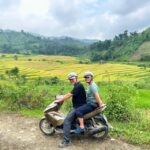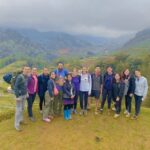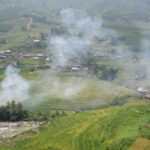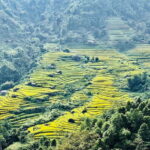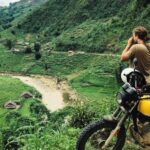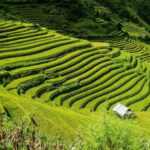
Terraces and villages roll by on a motorbike. I love the off-the-beaten-path village visits and how your guide explains local life in real, everyday terms. I also love the Muong Hoa Valley views that feel far more personal than the usual stops. One drawback: if you’ve never ridden before, the roads can feel bumpy and you’ll want the right setup.
You start with a 9:00 AM pickup in Sapa (hotel or in front of the Stone Church), then get a quick safety briefing and motorbike handling tips. From there, the day turns into a loop through Muong Hoa Valley, remote hill-tribe communities, and some of the most photographed terraced areas—just with more room to breathe and ask questions.
For $50 per person, you’re not just buying scenery. You get an English-speaking guide, private driver, water, lunch, and entrance ticketing—plus the option to add a personal driver for $13 if riding isn’t your thing. That’s good value for a full day, especially if you want to see more than one or two village viewpoints.
In This Review
- Key things I’d prioritize before you book
- Motorbike Start at 9:00 AM: How the day actually begins
- Muong Hoa Valley ride: terraces, smaller roads, and the photo rhythm
- Hidden villages near Thanh Phu, Sin Chai, and Nam Cang
- Lunch break in Muong Hoa Valley: traditional H’mong food by a stream
- Ta Van, Lao Chai, and Y Linh Ho: famous terraces, calmer pacing
- Price and value: why $50 makes sense for this route
- Riding comfort and safety: what to do if you’re unsure
- What to pack for Sapa mountains: warm, covered, and photo-ready
- Who this tour fits best (and who should skip it)
- Should you book this motorbike tour? My decision guide
- FAQ
- What time does the tour start and when does it end?
- Where do I get picked up?
- What’s included in the tour price?
- What if I can’t ride a motorbike?
- What villages and areas does the tour visit?
- What should I bring for the day?
Key things I’d prioritize before you book
- Hidden villages first: Thanh Phu, Sin Chai, and Nam Cang come before the more famous terrace stops.
- Real home visits: You’ll spend time at local houses and see wooden stilt homes up close.
- Hill-tribe cultures on the schedule: The day references Black H’mong, Red Dao, Tay, and Xa Pho communities.
- Lunch with a view: Traditional H’mong lunch by a peaceful stream, often the calmest part of the day.
- Bumpy roads are part of the deal: Experienced drivers manage it well, but you should dress and ride accordingly.
Motorbike Start at 9:00 AM: How the day actually begins
The tour kicks off at 9:00 AM with pick-up from your hotel in Sapa or from in front of the Stone Church in town. This matters because Sapa traffic and tour crowds can make late starts annoying fast. Getting out early also buys you quieter village roads and softer light for photos.
Before you move, your guide does a short briefing about the route and safety. You’ll also get guidance on how to handle the motorbike, which is especially helpful if you’ve ridden only a little—or never. I like this part because it sets expectations. You’re not thrown onto rough roads without context.
If you’re new to motorbikes, you can request a personal driver so you ride as a passenger. That’s an extra $13, but it can turn a stressful day into a comfortable one. It’s also the practical choice for anyone who wants the cultural and scenic parts without worrying about balance.
You can also read our reviews of more tours and experiences in Sa Pa.
Muong Hoa Valley ride: terraces, smaller roads, and the photo rhythm
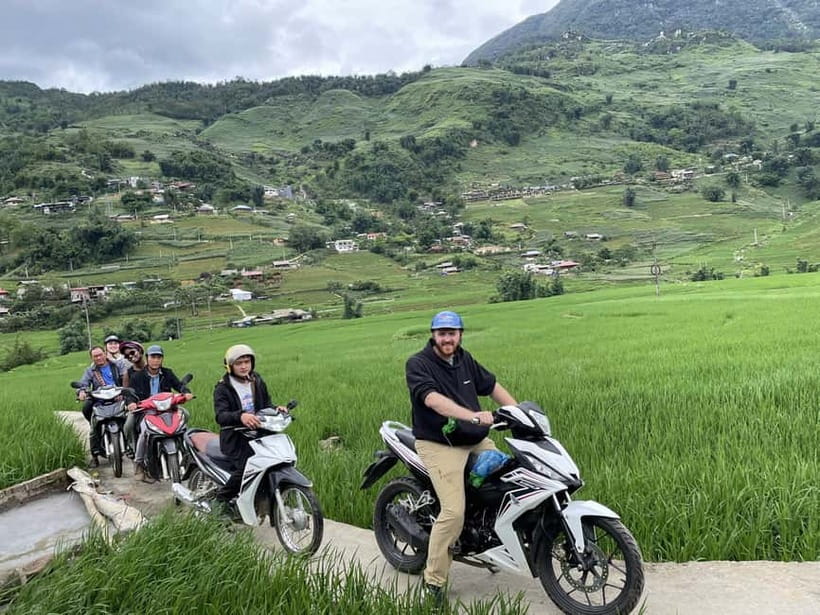
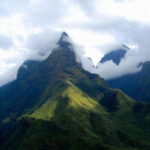
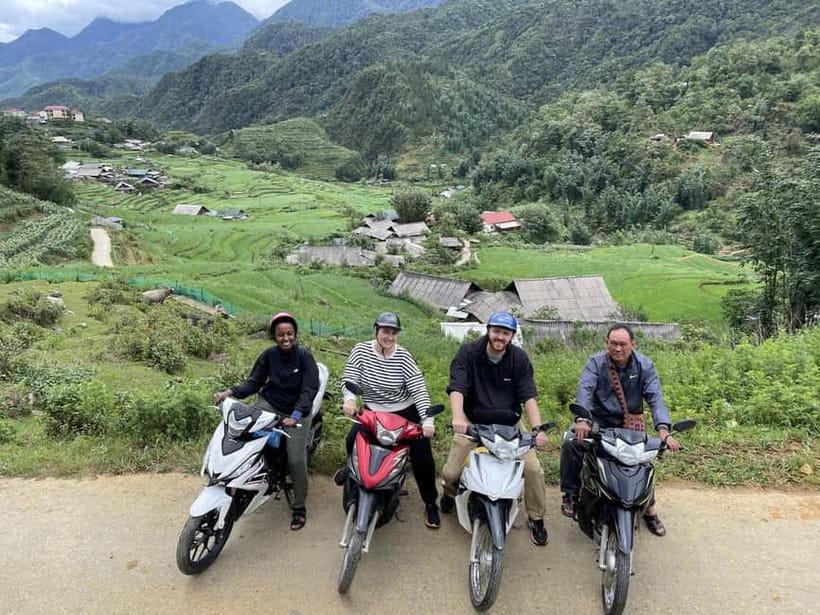
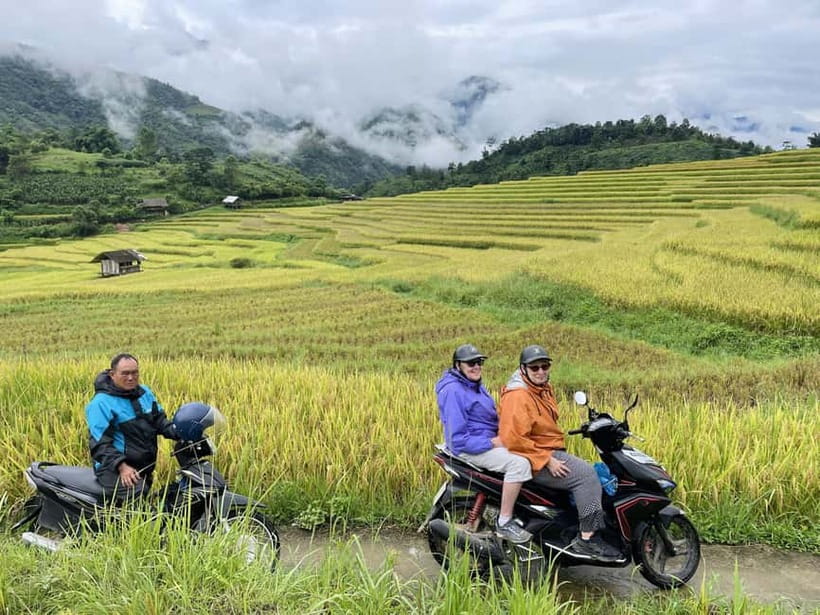
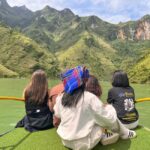
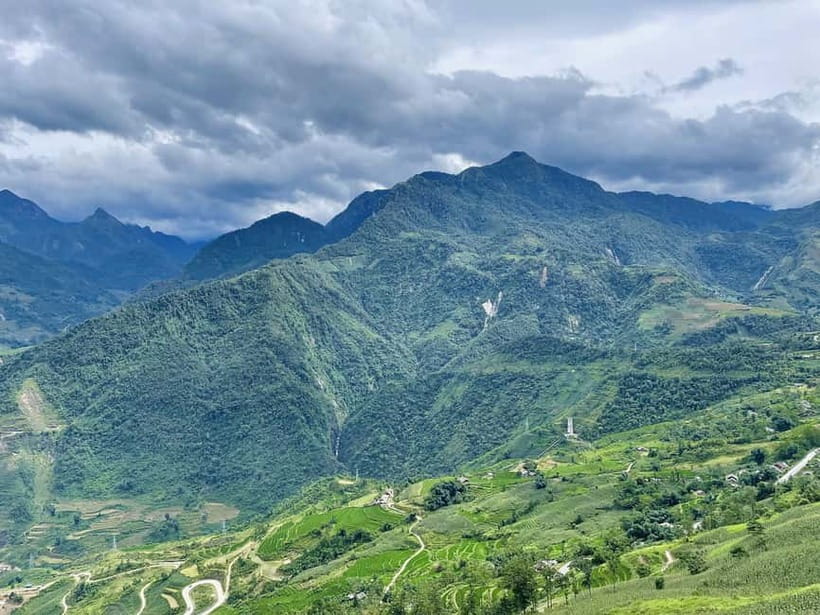
Once you’re rolling, you’ll follow a scenic route through the Muong Hoa Valley, passing peaceful countryside and terraced rice areas. Even when the weather is foggy (yes, it happens), the valley still feels dramatic. Fog softens the terraced lines, and it often makes the village paths feel extra quiet.
This is the part of the day that’s mostly about motion and views. You’ll go from town into countryside, with the terraces gradually taking over the scenery. The route also helps you cover ground efficiently; walking would take far longer and limit how many communities you can visit in a single day.
Expect lots of pull-offs for photos, especially when the view opens up. I’d treat it like a photo walk but on wheels: pause, take a few shots, then move on. That keeps the day feeling active instead of stuck at the roadside.
One practical note: the roads can be uneven. That’s not a surprise in mountainous northern Vietnam. Wear shoes that grip well and keep your body relaxed—tense riding tires you out quickly.
Hidden villages near Thanh Phu, Sin Chai, and Nam Cang
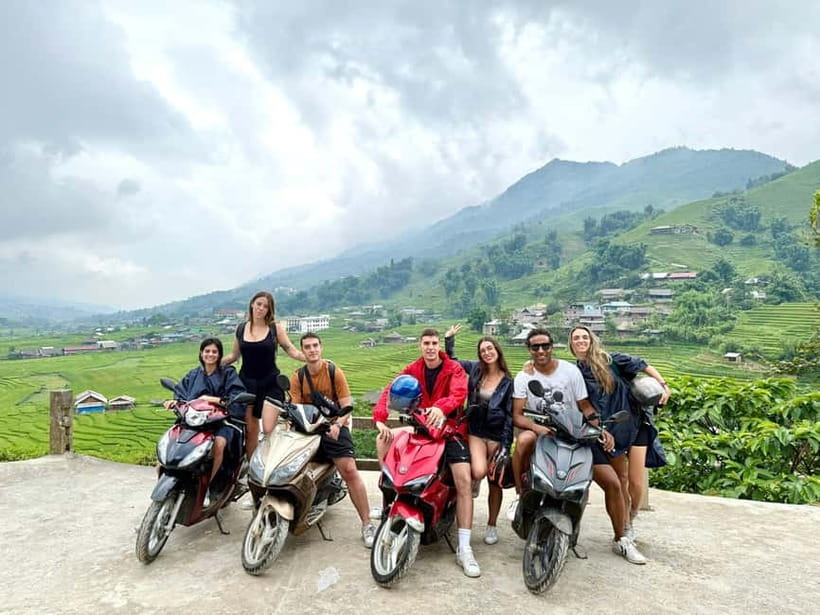
The heart of this tour is getting beyond the usual “look and leave” stops. You’ll head to remote villages including Thanh Phu, Sin Chai, and Nam Cang, where different ethnic groups are part of everyday life—Black H’mong, Red Dao, Tay, and Xa Pho.
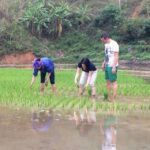
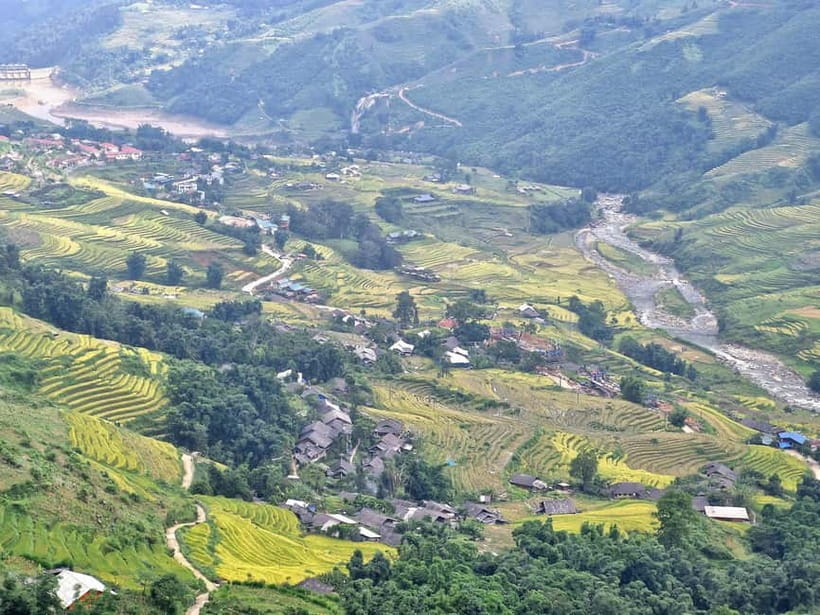
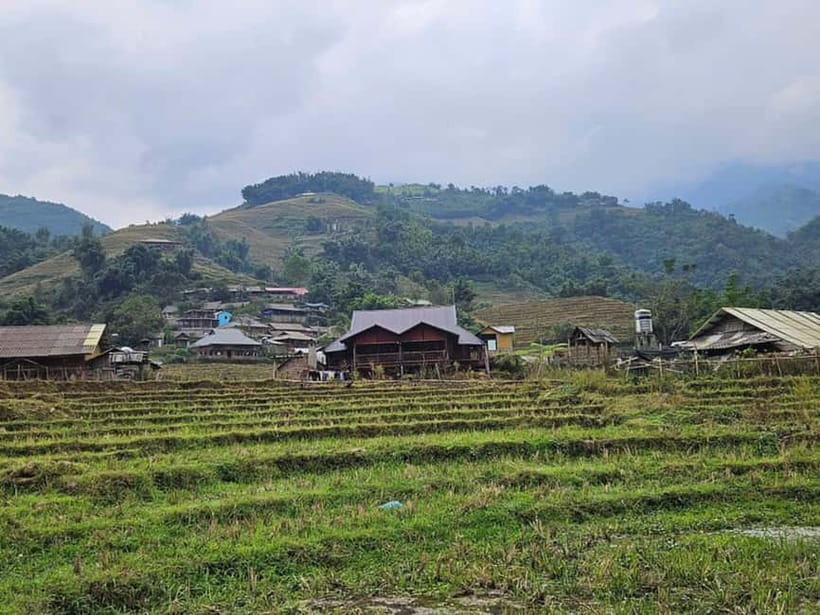
What makes these villages special is the way the day is structured. Instead of racing through photo points, you’ll have time to actually see homes and daily routines. You’ll explore off-the-beaten-path areas surrounded by terraced rice fields, which gives you that rare feeling: the land isn’t just scenery, it’s the livelihood.
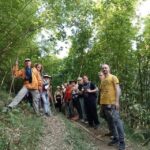
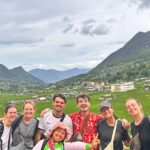
You’ll also stop at local houses. This is where you learn more than what’s on a sign. You can interact with families, observe traditional wooden stilt homes, and ask questions about customs and day-to-day life. For me, this is the best kind of cultural exchange: practical, human, and tied directly to where people live.
How much walking you’ll do depends on the day and the road conditions. Some segments may be easier to handle than others, so comfortable shoes matter. If you’re not a fan of getting off the bike for short walks, tell your guide early—you’ll still get plenty from the roads and the stops, but you want a plan that feels manageable.
Also, keep in mind who this tour isn’t for. It’s not suitable for wheelchair users, and it’s not suitable for pregnant women. The roads, the uneven ground near houses, and general mobility needs make that clear.
Lunch break in Muong Hoa Valley: traditional H’mong food by a stream
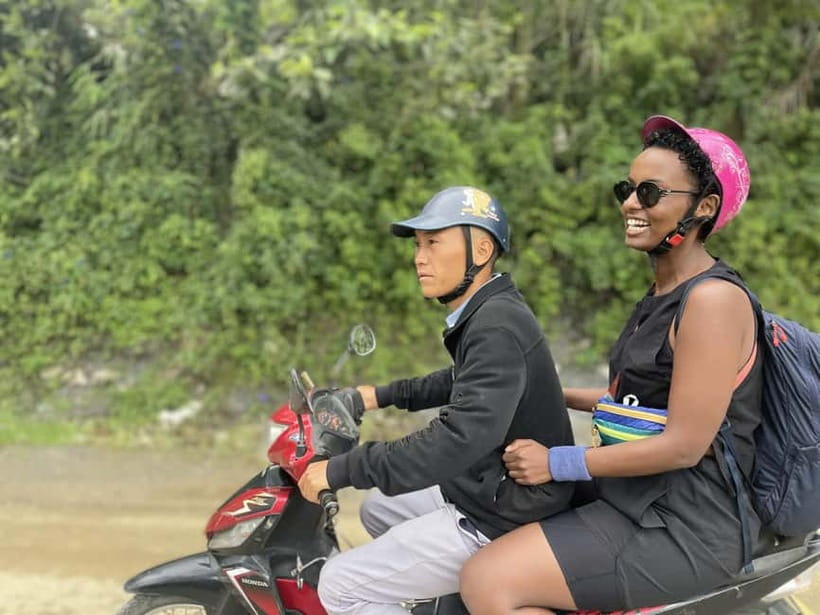
After the Nam Cang area, the tour heads back toward the center of Muong Hoa Valley for a break. The highlight here is a traditional H’mong lunch by a peaceful stream.
I like this setup because it balances the day. Morning village visits can be intense—lots of faces, questions, and new sights. Lunch by water slows you down, lets you reset, and gives your brain a breather so you can enjoy the afternoon with fresh energy.
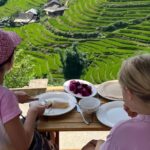
The exact dishes aren’t listed, but the meal is described as local mountain flavors and home-cooked style. In other words, don’t treat lunch like a rushed fuel stop. Make time to eat slowly if you can. It’s part of the cultural experience, not just a pause between rides.
Ta Van, Lao Chai, and Y Linh Ho: famous terraces, calmer pacing
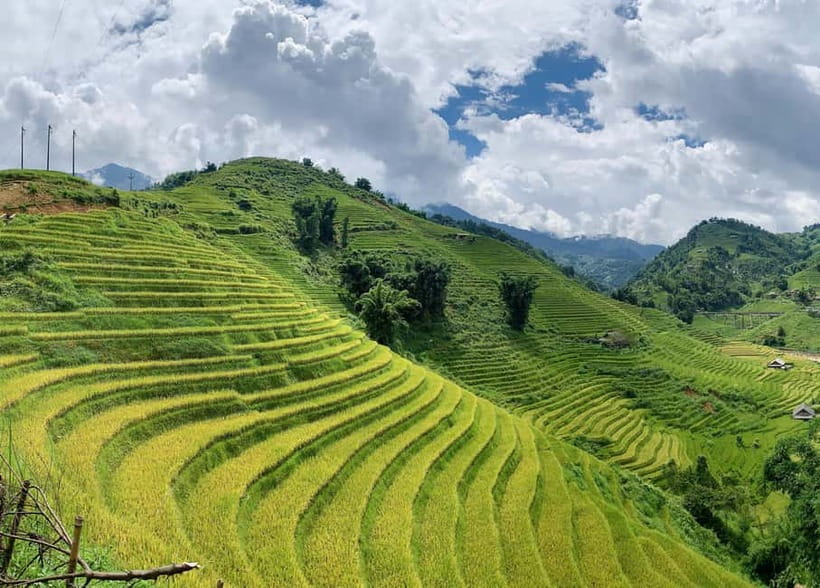
In the afternoon, the tour includes well-known villages Ta Van, Lao Chai, and Y Linh Ho. These are famous for terraced rice scenery and panoramic views, so you’re back in the areas that most people photograph.
The difference is pacing. By the time you reach these spots, you’ve already seen smaller, less-visited villages. So the famous terraces don’t feel like the only story—they feel like a highlight you now understand in context.
You’ll travel through quiet village paths with ongoing hill-tribe life around you. That’s when the day becomes more relaxed: fewer “quick look” stops and more slow moments you can enjoy for photos and just plain watching.
If you’re sensitive to road vibrations or fatigue, this is the time to slow your expectations. The afternoon is beautiful, but it can still feel like a long day in the saddle. Bring water and take advantage of any short rest moments your guide offers.
Price and value: why $50 makes sense for this route
At $50 per person, the value is strongest when you look at what’s included. You get:
- Private driver
- English-speaking guide
- Water
- Lunch
- Ticket entrance
That’s a full day of transport and guiding, plus food. In mountainous areas like Sapa, getting around independently often means paying for drivers anyway and then spending extra time finding routes. This tour’s strength is that it bundles logistics into a single plan, so you spend your energy on people and views.
The optional personal driver for $13 is also a smart pricing tool. If you can ride, you keep the classic experience. If you can’t (or you’d rather not test your luck), you buy comfort without giving up the cultural route.
One more value factor: guides’ local familiarity. Multiple guides are named in the tour feedback—like Sinh, Chu, Lucas, Tom, Tung, and Toa—and the common thread is how well they handle questions and help with photos. That matters on a day packed with villages. Good guidance turns “passing through” into understanding.
Riding comfort and safety: what to do if you’re unsure
This tour is built around motorbike travel, so your comfort plan is everything. If you’ve never ridden before, I strongly recommend the personal driver option. It’s not just about safety—it’s about enjoying the day without adrenaline doing all the work for you.
Even with experienced drivers, expect some bumpy sections. That’s part of the real road texture in the region. The key is preparation:
- Wear comfortable shoes with grip
- Keep warm layers for mountain weather changes
- Bring insect repellent
- Use sunscreen and a hat
You’ll start the day with a safety briefing and motorbike tips. And you’ll have a driver for the route. Still, your job is to show up ready. You don’t want to spend the first hour worrying about your footing or gear.
The tour isn’t wheelchair-friendly, and the mobility demands near village homes and along uneven paths are part of why it’s not listed for wheelchair users. If you have concerns about walking distance, consider focusing on comfort and asking your guide how much walking is expected for the day.
What to pack for Sapa mountains: warm, covered, and photo-ready
Sapa weather can switch quickly, and the day includes countryside roads and village stops. Bring:
- Warm clothing
- Comfortable shoes
- Hat
- Camera
- Sunscreen
- Insect repellent
I’d treat the packing list like a checklist for not-miserable travel. Warm clothing matters even when the sun feels strong. Insect repellent matters because you’re in a natural setting with vegetation.
For photos, I’d also plan for fog days. If the sky is cloudy or misty, your camera will still find good contrast—terraces show texture even when the light is soft. And guides can help with photo timing and angles, based on what people mention about guides like Lucas and Tom being helpful with pictures.
Who this tour fits best (and who should skip it)
This is a great fit if you want a day that mixes:
- Hill-tribe culture
- Terraced rice scenery
- Adventure-style transport
- Enough time for conversations at local homes
It’s also a strong choice if you don’t want to spend Sapa days figuring out routes yourself. The private driver and English-speaking guide handle the hard parts.
It’s not a fit if:
- You’re pregnant
- You use a wheelchair
- You have serious concerns about riding on uneven mountain roads and don’t want the personal driver option
If you’re traveling as a solo rider, this kind of tour can still work well because you get direct guiding and a clear schedule. If you’re traveling with someone who’s nervous about riding, the personal driver option is a helpful compromise so both of you stay comfortable.
Should you book this motorbike tour? My decision guide
Book it if you want the real Sapa feeling—terraces, villages, and culture—without spending your whole trip on a map app. The included lunch, water, guide, and private driver make the price feel reasonable, and the home visits add meaning beyond scenic snapshots.
I’d book it particularly if:
- You like asking questions and learning how people live
- You want more than the biggest terrace viewpoints
- You’re comfortable with the idea of a full day
Skip it (or switch to the passenger option) if:
- You’re worried about motorbike riding and don’t want to take chances
- Your mobility needs are limited
- You’re traveling in a situation where the physical demands of bumpy roads and short walks won’t work
If you do book, go in prepared. Wear the right shoes, bring warm layers, and use the early start to your advantage. Then you’ll get that rare mix: genuine village encounters plus Sapa’s terraced views, all in one smooth day plan.
FAQ
What time does the tour start and when does it end?
The tour starts at 9:00 AM and returns you to your hotel or Sapa town around 3:00 PM.
Where do I get picked up?
You’ll be picked up from your hotel in Sapa or in front of the Stone Church in the town center.
What’s included in the tour price?
The price includes a private driver, an English-speaking guide, water, lunch, and ticket entrance.
What if I can’t ride a motorbike?
If you can’t ride or have no prior experience, you can request a personal driver for an additional $13, and you ride on the back.
What villages and areas does the tour visit?
The route includes Muong Hoa Valley and villages such as Thanh Phu, Sin Chai, Nam Cang, then Ta Van, Lao Chai, and Y Linh Ho.
What should I bring for the day?
Bring comfortable shoes, warm clothing, a hat, a camera, sunscreen, and insect repellent.