REVIEW · FOOD
Private food tour with Real Foodie
Book on Viator →Operated by Hanoi Tour Zone · Bookable on Viator
A street-food tour in Hanoi can be chaotic. This one keeps it human, with a private local guide and a plan that pairs bites with classic landmarks. Expect playful, food-focused storytelling about Vietnamese cooking standards, and a walk that helps you get your bearings fast.
Two things I like a lot: the tour starts with a quick check-in for allergies and vegetarian needs, and you get a true local-food route through the Old Quarter areas where eating is just what people do. The second big plus is that you are not stuck only in alleys; you also stop at Hoan Kiem Lake, plus major sights like St. Joseph’s Cathedral and Train Street.
One consideration before you book: the advertised price is for the guide and tour time, but you pay separately for the street food and drinks you choose. Budget for 5 to 8 tastings, and remember that the tour depends on decent weather.
In This Review
- Key highlights before you go
- Why this Hanoi food-and-sights combo works in 3 hours
- Old Quarter start: quick allergy check and your first local bites
- Hoan Kiem Lake and the Ngoc Son Temple stop that sets the tone
- Train Street: the practical story behind the loud Hanoi moment
- St. Joseph’s Cathedral: a Gothic landmark in the middle of modern streets
- Dong Xuan Market: central, practical, and built for real shopping
- Price and value: $37 for the guide, then you pay for what you eat
- How to get the most out of your 3-hour pace
- Who should book this private Real Foodie Hanoi tour?
- Should you book this Hanoi food tour?
- FAQ
- Is pickup included?
- What does the $37 price include?
- How much food should I budget for?
- What stops are part of the tour?
- Do I need good weather?
- What is the cancellation window?
Key highlights before you go
- Private group with hotel pickup (Old Quarter hotels only), so you can move at your pace
- 5 to 8 street-food tastings with a pay-as-you-go approach
- Hoan Kiem Lake walk with Ngoc Son Temple and The Huc Bridge included
- Train Street timing awareness on a narrow residential lane where a train passes twice daily
- Dong Xuan Market visit in a central, historic market area that dates back to French-era construction
- Good weather matters, since you will be walking outside for much of the tour
Why this Hanoi food-and-sights combo works in 3 hours
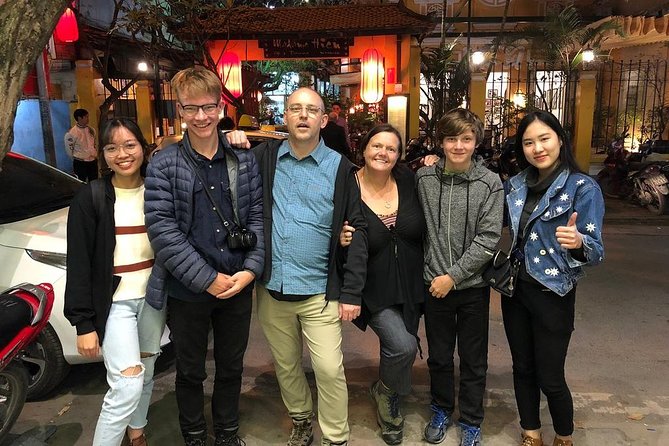
This is the kind of tour that makes sense on day one. Hanoi can feel like sensory overload, especially if you do not know where to stand, what to order, or how spicy is too spicy for your group. Here, you get structure without losing the street-food feel.
The format also solves a common problem with food tours: eating is easier when you are not constantly asking, Is this safe? What is that? Where do locals go for this? A local guide handles the menu logic and the walking route logic. You focus on tasting and learning.
And then there is the sightseeing add-on. Hoan Kiem Lake gives you a calm anchor in the middle of the day’s motion. St. Joseph’s Cathedral adds a clear visual landmark. Train Street gives you the kind of Hanoi photo moment you actually understand once you hear the practical details about how residents live with the train passing through. It all turns your “first evening in Hanoi” into something you remember, not just something you ate.
You can also read our reviews of more food & drink experiences in Hanoi

Old Quarter start: quick allergy check and your first local bites
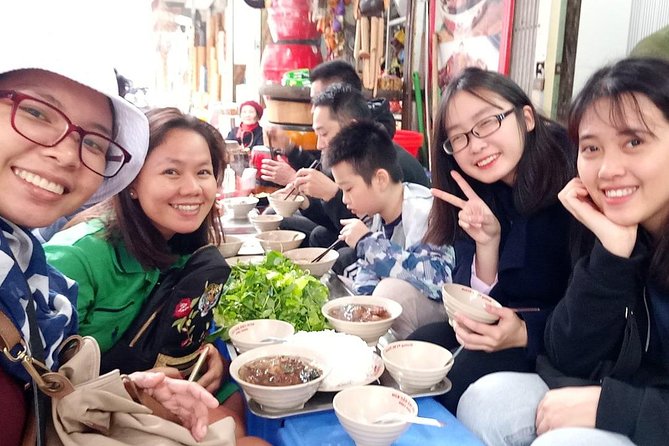
The tour begins in the Old Quarter area, with punctual hotel pickup if you are staying there. The first few minutes are not wasted on small talk. You get a quick conversation about food allergies, vegetarian preferences, and the general itinerary so the guide can steer the tour around your needs.
Why that matters: street food is flexible, but your body is not. If you know you need to avoid shellfish, nuts, or certain herbs, you want that addressed before the food choices get made. This early check also helps the guide tailor the pace and what you order, instead of forcing you into a one-size-fits-all set menu.
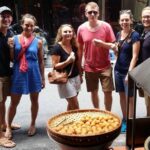
From there, you settle into Old Quarter streets where eating is woven into daily life. The tour is built around street foods that locals actually eat, not just food stalls picked for tourist photos. You can also expect recipe stories and Vietnam customs around what you are eating—small explanations that make the food feel less mysterious and more intentional.
Practical tip: wear comfortable shoes. Old Quarter walking is steady, but you will cover a lot in a short window.
Hoan Kiem Lake and the Ngoc Son Temple stop that sets the tone
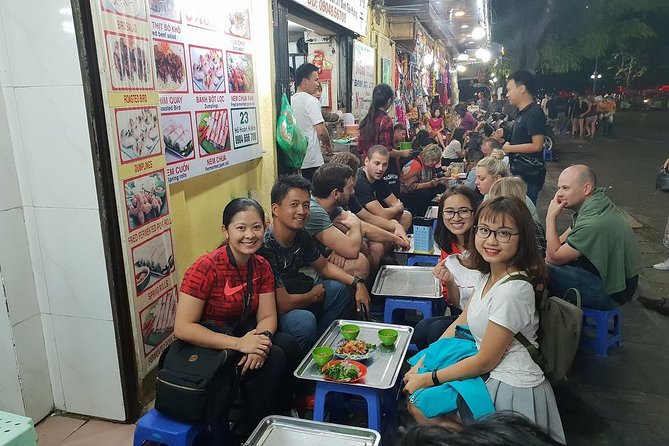
Next comes Hoan Kiem Lake, the center-of-Hanoi meeting point. The tour timing can catch a lively morning scene, where you see locals exercising along the edges. Even if your departure is not early, the lake area still gives you a breather. You trade narrow streets for open views and a more readable sense of where you are.
This part includes stops around Ngoc Son Temple and The Huc Bridge. The guide’s job here is not just to point. It is to connect what you see to how the place fits into Hanoi life and identity. You get a sense of why Hoan Kiem keeps showing up in travel days, not because it looks good in a brochure, but because it is part of daily routines and local storytelling.
The good part: the atmosphere helps you reset before you jump back into the more unusual streets later, including Train Street. Also, Hoan Kiem’s central location makes the rest of the tour feel easier to follow.
The only drawback: if you are expecting nonstop eating the entire time, this lake stop is more about context and sights. It is still valuable, but it is not a constant snack parade.
Train Street: the practical story behind the loud Hanoi moment
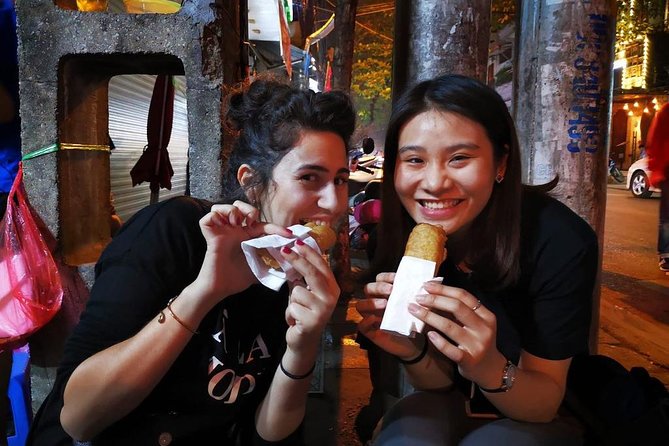
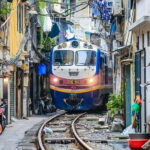
Then you move to Duong Tau, often known as Train Street. This is one of those Hanoi spots that looks simple from a distance and becomes fascinating up close. The street is narrow, residential, and used like home, not like a theme park.
The key detail you will want from your guide is the everyday reality: trains pass through twice a day. That means people have to manage their bikes and personal items so nothing gets swept up in the chaos. The guide’s explanation turns the spectacle into understanding.
In a short 30-minute stop, you typically focus on:
- seeing how tight the street really is
- learning how residents prepare when a train is coming
- understanding why the street has become famous and how that fame affects the neighborhood
A note for your planning brain: because it runs on train schedules, the experience can feel timing-dependent. Your best move is to listen closely to what your guide says about what to watch for and where to stand for safety and good views.
St. Joseph’s Cathedral: a Gothic landmark in the middle of modern streets
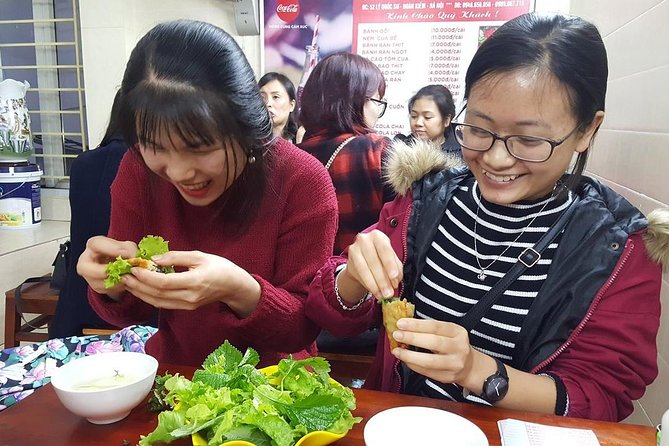
After the Train Street stop, you will head to St. Joseph’s Cathedral. This church sits on Nha Chung Street in the Hoàn Kiếm District and is described as a late-19th-century Gothic Revival, or Neo-Gothic, style building.
This is not just a “look at the building” photo stop. In a food-and-streets tour, it adds contrast. You go from a place shaped by a rail line running through daily life to a landmark shaped by French-era architecture and religious community history.
What you can expect from this stop:
- a brief orientation to the cathedral’s style and setting
- time to take photos and slow your pace
- a chance to notice how Hanoi mixes eras, styles, and uses of space in the same walk
The practical consideration: this stop is shorter than Hoan Kiem, so you will want to keep your camera ready and your questions simple. If you want deeper explanations, ask your guide directly while you are there.
You can also read our reviews of more tours and experiences in Hanoi

Dong Xuan Market: central, practical, and built for real shopping
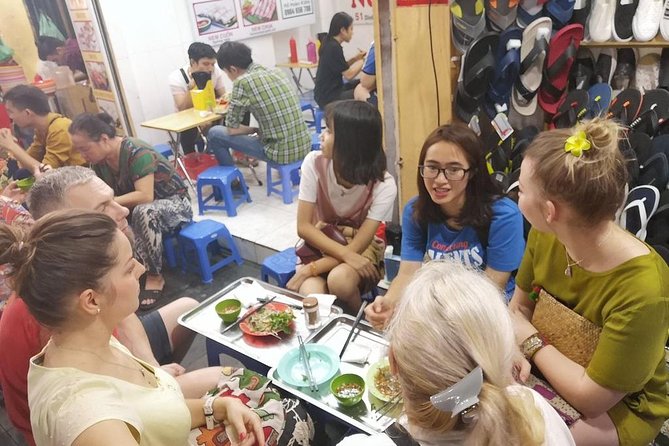
The tour finishes with Dong Xuan Market, located in the Hoàn Kiếm district. The market has a long timeline: it was originally built by the French administration in 1889 and later renovated, including after a fire in 1994.
Why this stop fits a food tour: markets are where you learn how locals get ingredients and everyday goods. Even if you do not buy much, you learn how food culture is supported by real shopping routines.
You also get a final push of energy before the tour ends. Market edges are usually where street food culture and shopping culture meet—vendors, snackers, and people who know exactly what they want. That is the kind of environment where a guide earns their keep, because you do not want to wander in circles guessing what is fresh, what is cooked to order, or what is worth your time.
What can limit the experience here: if you want maximum time eating rather than walking and browsing, keep an eye on how your guide structures the final moments. A 30-minute market stop is enough for a taste and a quick look, but not enough for deep shopping.
Price and value: $37 for the guide, then you pay for what you eat
Let’s talk money clearly. The tour price is $37 for about 3 hours. What you actually get for that amount is the guide, and (for the right hotel area) free pickup and drop-off in the Hanoi Old Quarter. You also get a private experience, meaning only your group participates.
What is not included:
- transport
- foods and drinks
- the separate cost of your street-food tastings
The smart part is the pay-as-you-go setup. You are told you will pay only what you use: 5 to 8 different street foods (with an estimate of about $10 for 2 to 4 people for those tastings). That means you are not locked into a fixed menu that might include things your group does not like.
So is it good value? For most visitors who want a first-night overview and do not want the hassle of planning street-food stops alone, yes. The guide saves time and reduces decision fatigue. You also get a route that includes both food culture and the main Hanoi landmarks you would likely hit anyway.
The “watch out” part: because food is extra, your final total depends on how many tastings you choose and what drinks you order. If you are traveling with big appetites, bring a bit more cash for the food layer.
How to get the most out of your 3-hour pace
This tour is short enough that planning choices matter. Here are the moves that help you enjoy it without feeling rushed.
First, be ready with your must-eats and must-avoids during that early check-in. If you mention you like crispy foods, avoid strong herbs, or prefer mild flavors, the guide can steer you better. If you are vegetarian, say it clearly right up front.
Second, treat the itinerary as a rhythm: sights give context, then street food gives the payoff. Hoan Kiem is a mental reset. St. Joseph’s Cathedral and Train Street keep the pace interesting. Dong Xuan Market brings it back to daily life.
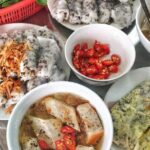
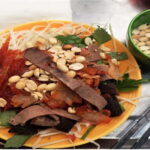
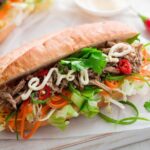
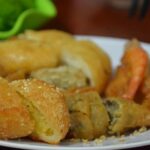
Third, come with practical expectations. In one guide-led experience, the guide Alex was described as fun and informative, and the group sampled classic dishes like bánh xèo and an egg coffee style drink. Your day might differ based on what is available and what you choose, but the point is the tour is designed around real Vietnamese favorites, not random snacks.
Finally, wear clothing that can handle walking and heat. Street food tours reward you when you can move comfortably and stay focused on tasting, not on adjusting your shoes every ten minutes.
Who should book this private Real Foodie Hanoi tour?
This is a great fit if you want:
- a guided first evening in Hanoi
- street-food tastings without having to guess your way through menus
- a route that mixes food with major landmarks like Hoan Kiem Lake
- flexibility around allergies and vegetarian needs
It may not be the best match if you want to spend hours in one food hall or only want a pure food crawl with no sightseeing. The itinerary includes several landmark stops, and while tastings are part of the experience, some time is also spent walking and viewing.
If you are traveling with a group that likes structure but also wants local authenticity, this private format is the sweet spot. You get personal attention without losing the street atmosphere.
Should you book this Hanoi food tour?
I’d book it if your priority is a guided, efficient introduction to Hanoi food culture plus a handful of meaningful sights. The value makes sense because you are paying for the guide, the route, and the translation of street-food chaos into something you can actually enjoy.
Skip it or shop alternatives if you hate paying extra for food and drinks, because that part is built into the experience. Also, if your group wants a long, slow food-focused day, the 3-hour timing will feel short.
If you do book: be clear about your dietary needs at the start, bring some cash for tastings, and treat Hoan Kiem Lake as your calm checkpoint before the more unusual streets later.
FAQ
Is pickup included?
Yes. You get free hotel pickup and free drop-off if you are staying in the Hanoi Old Quarter.
What does the $37 price include?
It includes the private tour with a local guide and the free pickup/drop-off in the Hanoi Old Quarter. Transport and food and drinks are not included.
How much food should I budget for?
You will pay only what you use. The tour is described as including 5 to 8 different street foods, with an estimate of around $10 for 2 to 4 people for the tastings.
What stops are part of the tour?
The tour includes Old Quarter, Hoan Kiem Lake (Ngoc Son Temple and The Huc Bridge), St. Joseph’s Cathedral, Train Street, and Dong Xuan Market.
Do I need good weather?
Yes. The experience requires good weather, and if it is canceled due to poor weather you will be offered a different date or a full refund.
What is the cancellation window?
You can cancel for a full refund up to 24 hours in advance of the experience start time. If you cancel less than 24 hours before, the amount paid is not refunded.
You Might Also Enjoy


More Food & Drink Experiences in Hanoi
More Tours in Hanoi
- Ninh Binh Full-Day Tour from Hanoi to Hoa Lu, Tam Coc & Mua Cave Via Boat & Bike
★ 5.0 · 4,384 reviews