REVIEW · SA PA
Sapa: Explore Sa Pa in one Day with local motorcycle Guide
Book on GetYourGuide →Operated by Motorbike Tour Sapa · Bookable on GetYourGuide
One twisty mountain day can change how you see Sa Pa. This is a one-day motorbike trip with easy riders and a real local story teller, covering terraced villages, waterfalls, and O Quy Ho Pass views. Two things I really like: the family-run ethnic village stops (Black Hmong, Giay, and Red Dao) and the way the day mixes culture with big nature moments like Silver and Love Waterfalls. A possible drawback: Sa Pa roads are not easy, so this ride is best when you’re comfortable with rough, sometimes wet mountain driving.
I also like that the route is built for seeing more than the usual viewpoints. You’ll be picked up and dropped off at your hotel, wear a helmet, and stop often enough to take photos (including guides who double as photographers). Weather can shift fast, but the trip is set up to keep moving even when it rains, with the right gear and a cautious pace—because safety comes first.
In This Review
- Key highlights from this one-day motorbike day
- Why this one-day motorcycle route works in Sa Pa
- Meet Binh and your easy rider setup: helmet, English, and pace
- Morning villages: Y Linh Ho, Lao Chai, Ta Van, and Ta Phin cave
- Y Linh Ho village: terraced beauty 4 km from town
- Lao Chai and the Muong Hoa valley view
- Ta Van village: Giay culture with a calm pace
- Ta Phin and the Red Dao angle, plus lunch
- Culture stops that feel human: Black Hmong, Giay, and Red Dao
- Silver Waterfall, Love Waterfall, and O Quy Ho’s Lonely Tree
- Silver Waterfall: the big, steady show
- Love Waterfall: a primeval-feel walk and a legend
- O Quy Ho Pass and the Lonely Tree
- Roads, weather, and riding comfort: what to plan for
- Price and value: what $52 buys you, and what it doesn’t
- Who should book this, and who should skip it
- Should you book this Sa Pa motorbike day trip?
- FAQ
- How long is the Sa Pa motorbike tour?
- What’s the starting and ending point?
- Do I need to drive the motorbike myself?
- What’s included in the price?
- What’s not included?
- What villages and sites does the tour visit?
- How far is Y Linh Ho from Sa Pa town center?
- How much walking is involved at Love Waterfall?
- What should I bring for the day?
- Is the tour suitable for everyone?
Key highlights from this one-day motorbike day
- Guides named Binh (and Hu/Phay) who focus on safety and clear English
- Ethnic village visits across Black Hmong, Giay, and Red Dao communities
- Silver Waterfall and Love Waterfall with a short walk at Love Falls
- O Quy Ho Pass viewpoints plus the Lonely Tree photo stop
- Included lunch with satisfying local meal options
- Comfort plus control: motorbike, helmet, water, and entrance fees are covered
Why this one-day motorcycle route works in Sa Pa
Sa Pa is the kind of place where “seeing it” can mean very different things. If you only do a short loop to a viewpoint, you miss why the valley communities matter. This day trip is designed for movement: you cover a lot of ground without spending the whole day trapped in one spot.
You also get two types of payoff. In the morning, the value is in daily life—wet rice fields, terracing, and how different ethnic groups live alongside the Muong Hoa valley. In the afternoon, the payoff turns into natural spectacle, with the sound and spray of waterfalls and the sweep of mountains from O Quy Ho Pass.
The result is a full day that feels like you’re traveling through Sa Pa’s layers, not just checking boxes.
You can also read our reviews of more guided tours in Sa Pa

Meet Binh and your easy rider setup: helmet, English, and pace
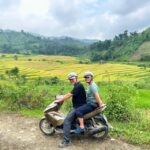
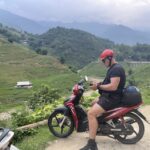
This trip is run by a local motorcycle guide system, and the emphasis is on being a safe passenger. The experience includes an English-speaking guide, pickup and drop-off at your hotel, and motorbike + helmet. If you’re not planning to drive yourself, it’s the easy rider style—so you can concentrate on photos and the story stops instead of road stress.
A bunch of riders also praised how guides handled their English. People specifically noted that Binh explains things clearly, and when a word comes up, he can quickly figure it out. Another guide mentioned (Hu) was also described as excellent, especially on days when weather wasn’t cooperating.
Pace matters here. The best part isn’t speed—it’s stops. The day is structured so you can pause for viewpoints, walk short stretches (like the Love Waterfall path), and get time to ask questions. One review even mentioned guides reacting to what riders wanted, so you’re not locked into a rigid script.
Practical tip: if you’re nervous about riding, this is where you’ll want to lean into the easy rider option. Being on the back with a careful driver changes the whole experience.
Morning villages: Y Linh Ho, Lao Chai, Ta Van, and Ta Phin cave
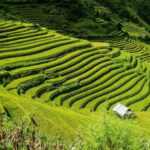
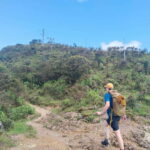
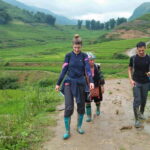
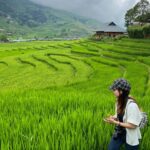
Your morning starts with the village loop, and that’s where the day gains depth. Instead of just looking at terraces, you learn what terraces mean for the people living there—wet rice and maize farming, plus the way homes and paths sit against the Hoang Lien Son mountain range.
Y Linh Ho village: terraced beauty 4 km from town
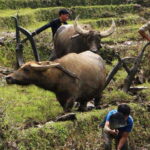
Y Linh Ho is about 4 km west of the Sa Pa center. It’s known for preserving the “still-pristine” feeling of the area, with terraced fields lining the Muong Hoa valley. This is also a Black Hmong community, so you’re not just seeing scenery—you’re meeting a way of life built around farming and mountain seasons.
What to watch for: the terracing and the scale of the valley. This isn’t a tiny garden view. It’s big, steep, and carved by years of work.
Lao Chai and the Muong Hoa valley view
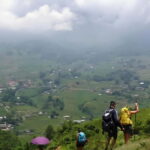
Lao Chai sits along the Muong Hoa valley, and it’s a great place to connect the dots between the villages and the land. You’ll get chances to see terraced fields from different angles as you move through the region.
You can also read our reviews of more tours and experiences in Sa Pa

Ta Van village: Giay culture with a calm pace
Ta Van is where the Giay ethnic group comes into focus. The vibe here is described as lively yet strangely peaceful—like the place has rhythm without feeling chaotic. If you’ve ever felt like “culture stops” are rushed, Ta Van is the kind of stop that helps you slow down.
Ta Phin and the Red Dao angle, plus lunch
Ta Phin rounds out the morning. You’ll visit Ta Phin cave and spend time with Red Dao culture in and around Ta Phin village. Then you rest for lunch.
Lunch is included, and this is one of the practical wins of the tour. One rider described the meal variety as excellent, highlighting egg rolls and chicken with pineapple. That matters because it keeps you from hunting for food while you’re on mountain roads.
Culture stops that feel human: Black Hmong, Giay, and Red Dao
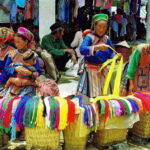
A day like this works best when it treats ethnic villages as living communities, not backdrops. Here, you get a spread of groups across the route:
- Black Hmong at Y Linh Ho, with wet rice and maize as a core part of everyday life
- Giay around Ta Van, with the sense of day-to-day calm
- Red Dao around Ta Phin, including the cave visit
This variety is valuable because Sa Pa isn’t one story. Even when the scenery looks similar, the culture and daily habits connect differently to the land.
One more stop worth mentioning is the ancient stone field heritage site. It’s a national heritage area tied to ancient stone carvings. This breaks up the farming and waterfall themes and gives you a historical layer you can actually stand in front of, not just read about.
If you like your travel with meaning, you’ll appreciate that the day’s structure keeps pointing back to how people make a living and build community in the mountains.
Silver Waterfall, Love Waterfall, and O Quy Ho’s Lonely Tree
Afternoon is where the trip turns loud—in the best way. Waterfall sound, cloud shifts, and dramatic mountain walls change how your photos come out. You’ll ride about 50 minutes after lunch to reach Silver Waterfall.
Silver Waterfall: the big, steady show
Silver Waterfall is about 8 km from the Sa Pa center. It’s famous for the strong flow down the cliff, creating white foam and a refreshing, almost cooling atmosphere. One reason it works in any season is that the main feature is the water’s motion—there’s no need for perfect weather to appreciate it.
Practical tip: wear clothes you don’t mind getting damp, especially if you get close to the spray.
Love Waterfall: a primeval-feel walk and a legend
Love Waterfall is deeper in the forest and takes about a 1 km visit walk. It’s known as one of the most beautiful waterfalls in the northwest of Vietnam, and the experience has a softer tone than Silver Falls. You can find a romantic meadow feel, and in spring the azaleas may bloom. There’s also a legend tied to the waterfall story, which helps you connect the stop to something beyond photos.
Bring good walking shoes. That short distance adds up when the ground is wet.
O Quy Ho Pass and the Lonely Tree
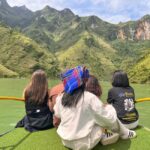
Next comes O Quy Ho Pass and the Lonely Tree. This is the “mountains as far as you can see” part of the day. You’ll admire the entire beauty of the pass, with towering views that make the ride feel like a moving viewpoint.
The Lonely Tree itself is a classic photo stop, and it’s popular for a reason: it gives you a strong focal point against the mountain scale. If the clouds clear even a little, your photos will look dramatically different.
After the pass, you head back to Sa Pa, finishing the day in the city.
Roads, weather, and riding comfort: what to plan for
Sa Pa roads are a real factor. The trip doesn’t pretend the driving is easy. That’s why the tour is set up with a skilled driver and helmet included.
Here’s what you should take seriously before you book:
- Wear warm clothing. Mountain weather can change fast.
- Wear comfortable shoes. You’ll walk short paths, especially near Love Waterfall.
- Use insect repellent in rural areas.
- If you drive yourself, you need a motorcycle license, and you must be a good driver because the roads are not forgiving.
Weather also affects the feel of the day. One review praised the guide for bringing a rain coat and keeping things going even when conditions were bad. Still, I’d plan to treat this as a “weather-flex” day: pack for wet, don’t assume clear skies.
And if you’re thinking about comfort: multiple riders described feeling safe and looked after while riding. That’s a big deal. In this region, confidence comes from driver habits—smooth control, cautious choices, and steady stopping points.
Price and value: what $52 buys you, and what it doesn’t
At $52 per person, this is priced like a full-day, all-in service rather than a basic sightseeing ticket. For that money, you typically get:
Included:
- English-speaking guide
- Hotel pickup and drop-off
- Motorbike and helmet (easy rider)
- Lunch
- Entrance fees
- Water
Not included:
- Travel insurance
- Personal expenses
- Soft drinks or beer
So where does the value really land? It’s in the efficiency and the coverage. You’re stacking villages, heritage, and two major waterfalls plus O Quy Ho Pass in one day. Doing that on your own would mean hiring multiple transport pieces, paying for entrances yourself, and spending more time figuring logistics out.
Also, the included lunch is not a small thing. Mountain driving makes meal planning harder. Having a set lunch moment helps keep the day from stretching into a long, stressful slog.
One more value angle: access. A motorbike route can get you to stops that feel awkward by larger vehicles. That matters especially in rural valley areas.
If you already plan to rent a scooter, this price may feel less “cheap.” But compared with arranging a driver + guide + transport + meals + entrances, it’s straightforward value.
Who should book this, and who should skip it
This tour is a strong fit if you:
- Want a one-day way to see more than the town center
- Like mixing culture (Black Hmong, Giay, Red Dao) with nature (waterfalls and pass views)
- Feel more comfortable riding as a passenger with a careful driver
- Want a guide who will explain daily life, not just point at sights
It’s less ideal if:
- You don’t want to ride on rough mountain roads
- You’re bringing young kids. The tour is not suitable for children under 8.
- You’re older. It’s also not suitable for people over 65, likely because of the ride demands and walking stops.
Also consider your comfort with short walks. Love Waterfall includes about a 1 km visit on foot.
Should you book this Sa Pa motorbike day trip?
I think you should book if you want a full Sa Pa day that feels grounded in real mountain life. The best reason is the combination: village visits tied to specific communities, a heritage stone field stop, and two waterfalls plus O Quy Ho Pass. Add in a safety-first driver and clear English guidance, and it’s a tour that handles both the practical and the meaningful.
Don’t book if you need a slow, gentle sightseeing day with minimal road movement. This is for people who can handle winding mountain routes and a short walk or two.
If you do book, consider asking for Binh by name. Multiple riders highlighted Binh for careful riding, good English, and even helping with photos and playful moments like local tasting experiences. It can make the day feel more personal fast.
FAQ
How long is the Sa Pa motorbike tour?
The experience is designed as a one-day trip from Sa Pa, starting with hotel pickup and ending back in Sa Pa city.
What’s the starting and ending point?
The guide picks you up at your hotel in Sa Pa, and the tour ends back in Sa Pa city with drop-off.
Do I need to drive the motorbike myself?
No. The tour includes an easy rider setup with a guide driving. If you want to drive yourself, you’ll need a motorcycle license.
What’s included in the price?
Included are an English-speaking guide, hotel pickup and drop-off, motorbike and helmet, easy rider, lunch, entrance fees, and water.
What’s not included?
Not included are personal expenses, travel insurance, and soft drinks or beer.
What villages and sites does the tour visit?
The route includes Cat Cat, Y Linh Ho, Lao Chai, Ta Van, Ta Phin, the ancient stone field heritage site, plus Silver Waterfall, Love Waterfall, and the Lonely Tree on O Quy Ho Pass.
How far is Y Linh Ho from Sa Pa town center?
Y Linh Ho is about 4 km west of the Sa Pa center.
How much walking is involved at Love Waterfall?
Love Waterfall is reached by about a 1 km visit walk.
What should I bring for the day?
Bring comfortable shoes, warm clothing, a camera, insect repellent, and water (snacks may be helpful too).
Is the tour suitable for everyone?
It’s not suitable for children under 8 and not suitable for people over 65. Also, Sa Pa roads are not easy, so comfort with rough mountain driving matters.