REVIEW · HIKING & TREKKING
Ha Noi-Sapa Authentic Trek & Homestay wih hmong women (2D1N)
Book on GetYourGuide →Operated by Dinh Sapa Trekking Adventures · Bookable on GetYourGuide
A Sapa trek that also feels like a visit home. You get Hmong-guided trekking across rice terraces and bamboo forests, plus a 1-night homestay where dinner includes a simple, real look at daily life. Dinh leads from inside the community, and English communication is supported by guides like Do, which matters when you want more than just views.
Two things I really like: the chance to learn village life as you walk between Y Linh Ho, Lao Chai, and Ta Van, and the hands-on dinner, including a cooking class and games with the family. One consideration: the trek is moderate but steep, and the last waterfall section can be more tiring than expected, especially if the waterfall is dry and you don’t get a chance to skip it.
In This Review
- Key Highlights You’ll Actually Feel
- What This Tour Really Offers: Culture Meets Footpaths
- Meeting in Hanoi: The Early Start That Sets You Up
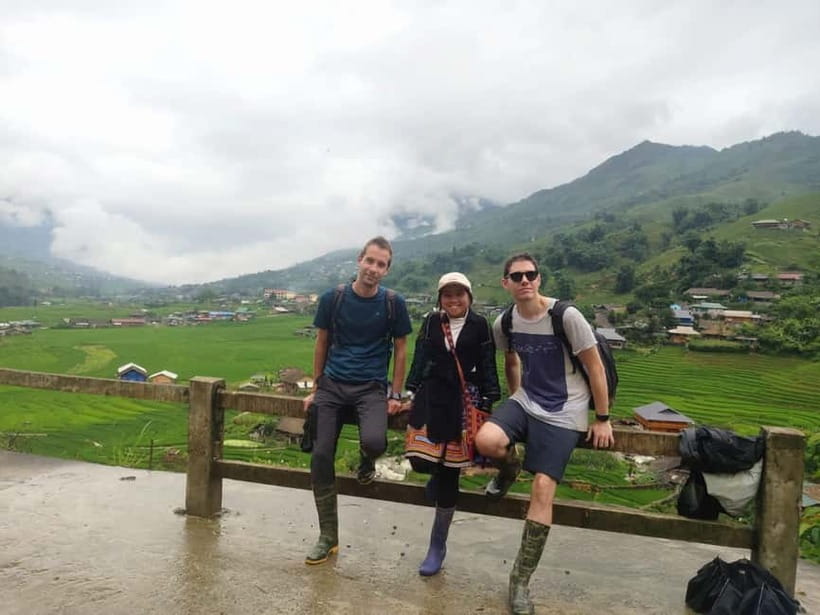
- Day 1 Walk: Sapa to Ta Van Through Villages and Fields
- Lunch, then your first village views
- Y Linh Ho: first taste of village trekking
- Lao Chai: one of the oldest and largest Hmong villages
- Ta Van: reaching the homestay area
- The Homestay Evening: Cooking Class, Dinner, and Kids’ Welcome
- Day 2 Trek: Bamboo Forest, Terraced Fields, and Giang Ta Chai Waterfall
- Giang Ta Chai waterfall: optional swim, but manage expectations
- Red Dao area and back to town
- Transportation and Timing: Why This Schedule Feels Fair
- Fitness Level: Moderate Doesn’t Mean Easy
- Included Meals and Water: Less Hassle, More Sharing
- What to Bring: Simple Kit for Real Weather
- Homestay Comfort: Authentic and Basic, With the Essentials
- Money, Value, and How to Spend Wisely
- Who This Trek Is Best For
- Should You Book This Hmong Women-Led Sapa Trek?
- FAQ
- What time do we get picked up in Hanoi?
- How long does it take to get from Hanoi to Sapa?
- How far is the trek each day?
- What villages do we visit during the trek?
- What meals are included?
- Do we stay overnight in a homestay?
- What should I bring for the trek and potential waterfall swim?
Key Highlights You’ll Actually Feel
- Small-community guidance with Dinh (and often an English-speaking guide like Do) to connect the dots as you walk
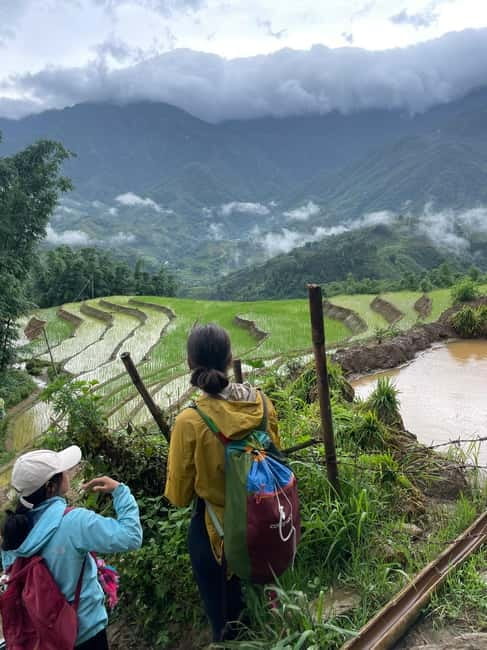
- Rice terraces + bamboo forest on Day 1 and Day 2, with short village hops that change the scenery fast
- Homestay with a Hmong family plus a cooking class and shared dinner
- Waterfall time at Giang Ta Chai, with an optional swim if conditions allow
- Included meals that remove the usual hassle of finding food in Sapa
What This Tour Really Offers: Culture Meets Footpaths
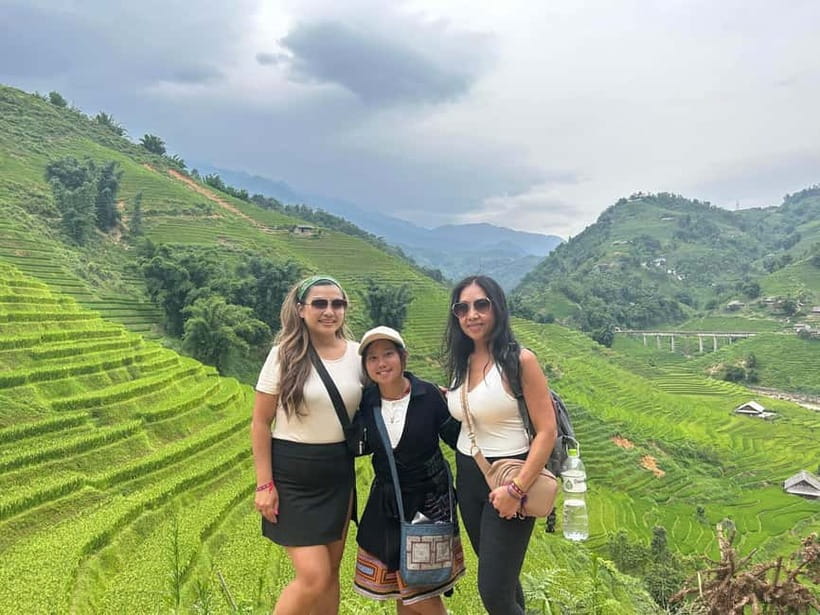
This is a two-day, one-night Sapa trek designed around how Hmong (and nearby minority groups like Giay and Red Dao) actually live. The main hook isn’t just that you’ll see terraces. It’s that you’ll move between villages with a local guide, so the walk turns into a guided education on daily routines: farming rhythms, village layout, and how people fit visitors into a normal evening.
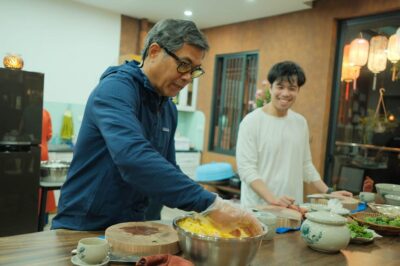
The homestay is the other half of the experience. You’re not going to a performance staged for tourists. You sleep with a real family, eat their food, and join in an informal cooking class. That kind of contact is the difference between collecting photos and understanding what the place feels like.
At $78 per person, it can feel like good value if you’re looking for a package that includes the guide, village entry fees, meals (2 lunches, 1 dinner, 1 breakfast), homestay, and transport coordination between Hanoi and Sapa. You’re also saving effort: fewer separate bookings, and a plan that keeps the trek moving.
You can also read our reviews of more hiking tours in Sa Pa

Meeting in Hanoi: The Early Start That Sets You Up
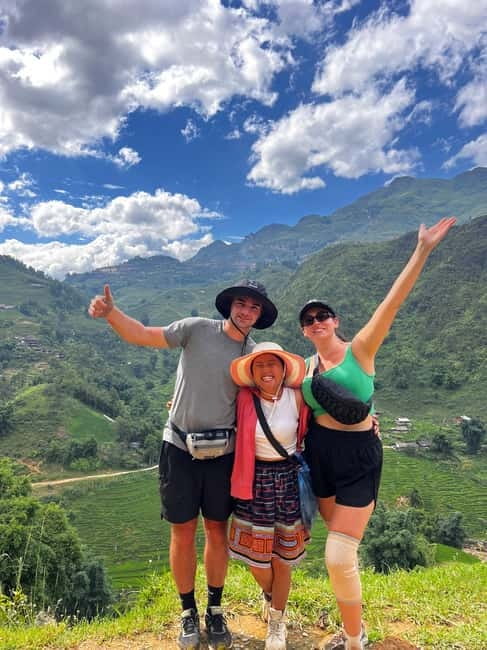
Your day begins early in the Hanoi Old Quarter area. Between 6:00 and 6:45 AM, a limousine van or sleeper bus picks you up. The drive to Sapa takes about 5–6 hours, and you usually arrive around 12:00–12:30 PM.
This timing matters because it prevents the worst kind of Sapa fatigue: arriving late, eating randomly, then trying to start a trek when your legs are cold. Instead, you’ll get a picnic lunch ready so you can recharge before heading into the villages.
Practical tip: wear clothes you can hike in from the start. The morning transfer is long enough that you’ll feel better if your kit is already set—hat, sunscreen, and water within reach.
Day 1 Walk: Sapa to Ta Van Through Villages and Fields
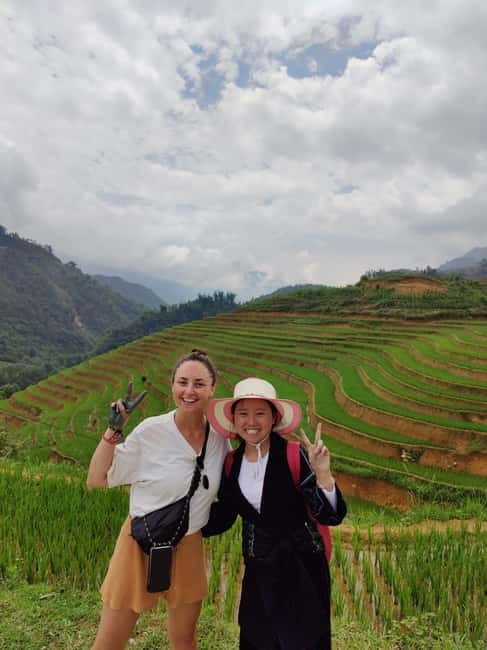
Day 1 covers about 9–11 km and takes around 5.5 hours, mostly moving downhill through a chain of villages.
Lunch, then your first village views
After you arrive, you don’t need to chase lunch in town. Your guide prepares a picnic lunch, which means you start the trek fed and ready. That’s one of the small choices that makes the rest of the day easier.
Y Linh Ho: first taste of village trekking
You’ll trek down toward Y Linh Ho. This is where the “Sapa walking” feeling clicks in: steep paths, sudden views over terraces, and the sense that you’re moving through working farmland rather than just sightseeing.
Your guide shares what daily life looks like—how people work in the fields, how the seasons change what you’ll see, and how the community fits together across villages.
You can also read our reviews of more tours and experiences in Sa Pa
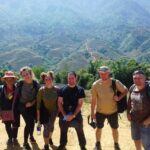
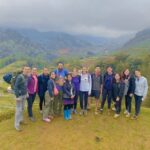
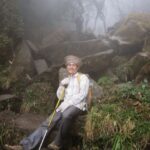
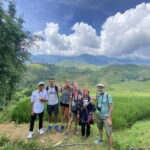

Lao Chai: one of the oldest and largest Hmong villages
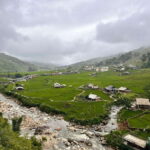
Next comes Lao Chai, described as one of the oldest and largest Hmong villages in the area. Here, you’ll notice that village life is organized around agriculture and trails—paths connect homes to fields, and your route becomes part of the local geography.
If you’re lucky with timing (it depends on the season), you may see planting or harvesting. Even if you don’t, you’ll still get plenty of “what season means here” context as you keep walking.
Ta Van: reaching the homestay area
The day ends at Ta Van Village, where you may see communities tied to Giay and Hmong ethnic groups. The trek finishes in time for you to settle in, take a hot shower, and rest before evening activities.
One Day 1 lesson: dress for the hike, but plan for village evening weather. Mountain evenings can feel cooler, and you’ll want a change of clothes.
The Homestay Evening: Cooking Class, Dinner, and Kids’ Welcome
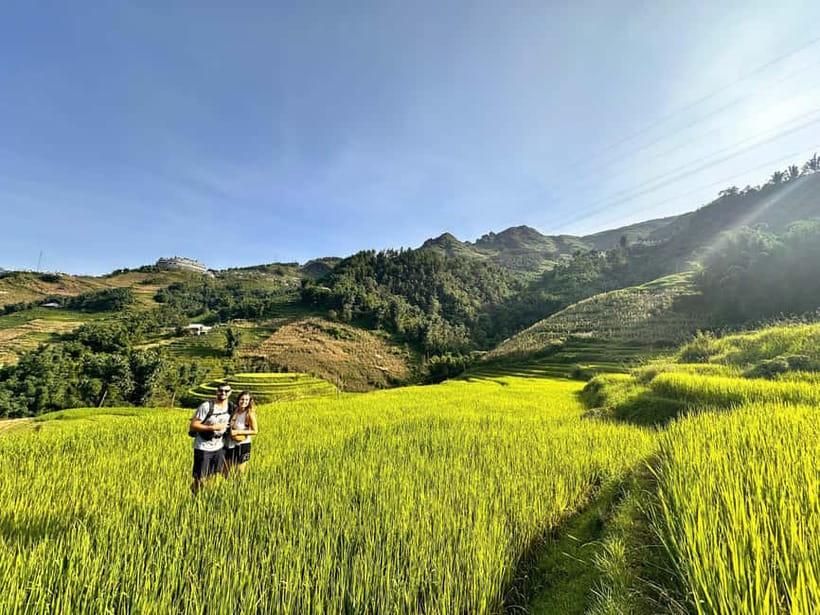
This is where the tour turns from “active day” into something more human.
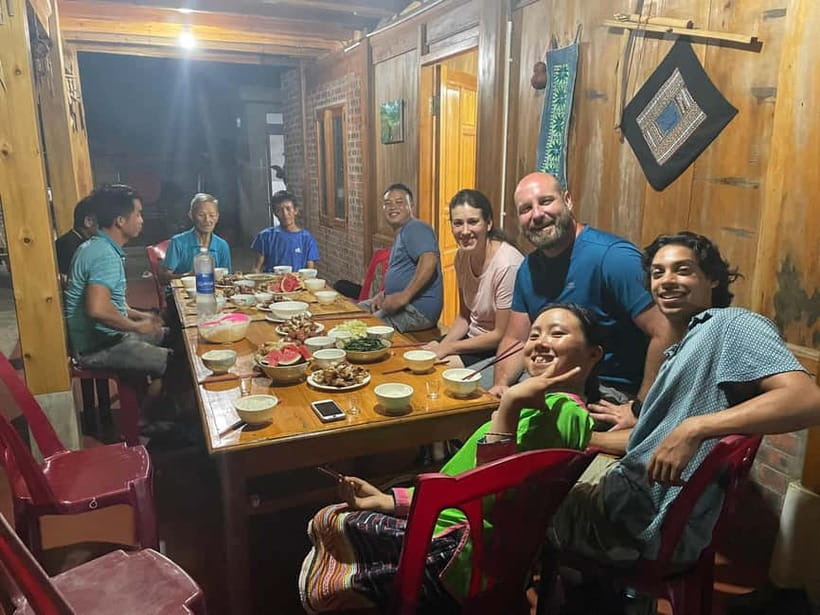
After you arrive at your family’s home, you join an informal cooking class with your hosts and prepare a traditional dinner together. The point isn’t fancy culinary skills. It’s learning how everyday food gets made and sharing the table after the work of the day.
During dinner, you’ll also hear stories from your guide. Dinh mentions supporting education for 10 local children, which adds meaning to the homestay experience beyond tourism.
You may also see a traditional dance performance from her students to welcome you. And yes, there can be a fun, low-key social moment with local rice wine—often described as Happy Water—plus games with the kids. Even if you prefer to watch rather than join, the atmosphere is usually warm and lively.
Practical note: if you drink alcohol, pace yourself. You’ve hiked all day and you’ll hike again tomorrow.
Day 2 Trek: Bamboo Forest, Terraced Fields, and Giang Ta Chai Waterfall
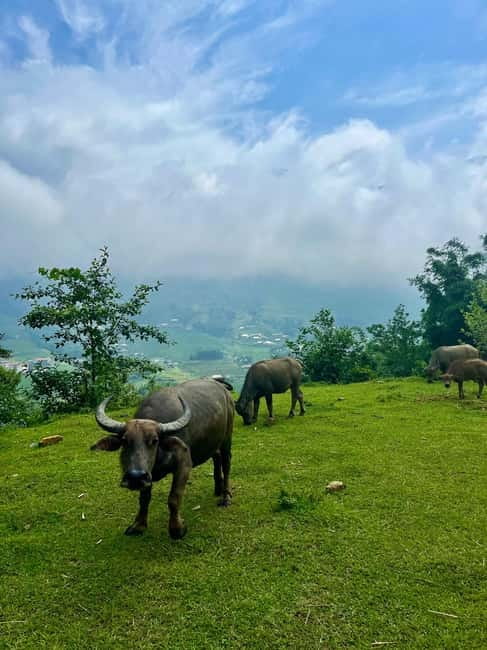
Day 2 runs about 8–11 km over roughly 5 hours. You start gently: hot coffee or tea in the morning, then breakfast with the family.
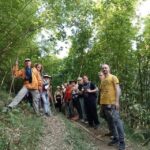
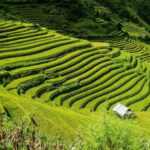
You’ll walk through bamboo forests and terraced rice fields. This is the “cooler and calmer” part of the trek, especially compared with the sharper climbs you may feel at the start.
Giang Ta Chai waterfall: optional swim, but manage expectations
The highlight on Day 2 is the Giang Ta Chai waterfall. If you want, you can swim in the cool water.
Here’s the consideration I’d plan for: water flow can change with conditions, and the waterfall section might be less rewarding if it’s dry. One person in a past group described that the guide could have skipped it when it wasn’t flowing. So bring a simple mindset: if the water isn’t good for swimming, ask your guide to adjust the plan to save your energy for the rest of the walk.
Red Dao area and back to town
After the waterfall, you’ll enter the Red Dao ethnic area before reaching the main road. Then you stop for a final lunch together.
The trek finishes in Sapa Town between 2:00 and 3:30 PM. From there, you head back toward Hanoi around 3:30–4:00 PM by taxi to the bus drop-off, then limousine van or sleeper bus back. Arrival in Hanoi is usually around 9:00–10:00 PM, depending on traffic.
Transportation and Timing: Why This Schedule Feels Fair
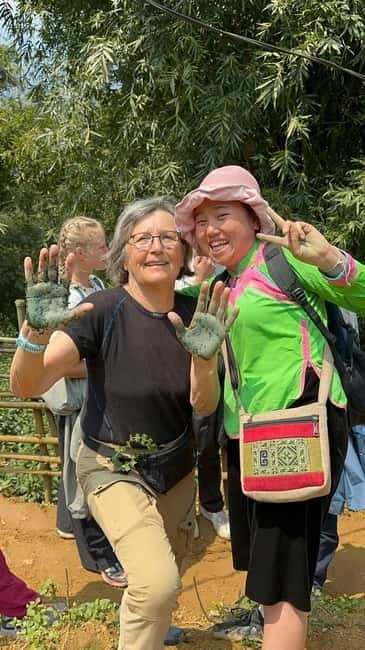
This tour is structured to work with Sapa logistics rather than fighting them. Hanoi pickup early in the morning, arrival midday, trek begins the same afternoon, then you’re back by evening the next day.
That means you’re not burning half your time waiting around. You’ll spend your energy on the walking and the homestay, not on transfers that go nowhere.
Still, accept that the first day is long: even with a picnic lunch break, you’re moving for hours and the terrain has uneven sections.
If you’re prone to getting sore, you’ll benefit from stretching before and after the walk, and from using trekking shoes rather than flexible sandals.
Fitness Level: Moderate Doesn’t Mean Easy
This is listed as moderate fitness, with steep and uneven terrain and about 18 km total over two days.
That translates to real-world effort:
- Expect downhill paths that still strain knees.
- Expect uneven steps where good footing matters.
- Expect the final stretch toward the waterfall to feel tough if you went too fast on Day 1.
The good news: you don’t need to be an athlete. What you do need is basic trekking sense: pace yourself, drink water, and don’t treat every uphill section like a race.
Not suitable if you have back problems, mobility impairments, or if you’re a non-swimmer (because swimming at Giang Ta Chai is part of the optional experience).
Included Meals and Water: Less Hassle, More Sharing
Meals are one of the most practical values here because they remove the guesswork.
You get:
- 2 lunches (including a Day 1 picnic)
- 1 dinner with your host family (after the cooking class)
- 1 breakfast
- Drinking water: 1 big bottle per person per day
Since food is included, you can focus on the trek instead of searching for a restaurant. It also means your schedule stays consistent with the villages you’re passing through.
One small caution: the tour includes drinking water, but personal snacks or extra drinks beyond water aren’t included. If you like something specific, pack it.
What to Bring: Simple Kit for Real Weather
You’ll be glad you pack the basics.
Bring:
- Comfortable trekking shoes (not just sneakers if your feet roll on uneven ground)
- Hat
- Sunscreen
- Sunscreen-friendly sunglasses if you run hot
- Mosquito repellent
- Change of clothes for the evening
- Swimwear (if you want to swim at the waterfall)
- Camera (you’ll want it)
- Light raincoat or jacket
- Water (even with included bottle, having extra can help)
Pack smart: you’ll be carrying your own essentials on the walk, so keep the load light.
Homestay Comfort: Authentic and Basic, With the Essentials
The homestay is described as simple, authentic, and cozy, with basic amenities. You should expect a rural setup rather than hotel comfort.
You will have a chance to take a hot shower, which is a big quality-of-life upgrade after hiking. But don’t plan on luxury.
If you’re the type who needs lots of predictable comforts (pillows, constant hot water, quiet space), talk to your guide beforehand about your preferences.
Money, Value, and How to Spend Wisely
At $78, you’re paying for the hard-to-plan pieces: the local English-speaking guidance across two days, village entry fees for four villages, meals, homestay, and coordination of transportation back and forth.
Where you can lose value is in spending decisions during the hike. One practical warning: there can be vendors selling souvenirs, and some may try to follow you or come along during parts of the trek. If you’re not shopping, a polite but firm boundary helps.
If you do want something handmade, feel free to buy—but decide ahead of time what you’ll spend so you don’t feel pressured mid-walk.
Who This Trek Is Best For
This tour fits best if you:
- Want real contact with a Hmong family through homestay and shared cooking
- Like walking and don’t mind uneven, steep sections
- Enjoy learning about village life from someone who lives it
- Want a balanced mix of nature (bamboo, terraces, waterfall) and culture (villages, cooking class)
It may not be a fit if you:
- Need low-impact walking due to mobility concerns
- Are uncomfortable in basic accommodation settings
- Don’t like being around kids and family routines (even when everything stays respectful)
Should You Book This Hmong Women-Led Sapa Trek?
I’d book it if you want Sapa that feels lived-in, not packaged. The combination of village-to-village hiking, a family homestay, and a dinner that includes a cooking class is what makes this worth your time.
But book it with eyes open: the trek is genuinely physical, and the waterfall part depends on conditions. If you go prepared, bring trekking shoes, and keep a steady pace, this becomes one of those trips where you remember the people and not just the scenery.
FAQ
What time do we get picked up in Hanoi?
Pickup is typically between 6:00 and 6:45 AM from your hotel in the Hanoi Old Quarter area.
How long does it take to get from Hanoi to Sapa?
The drive takes about 5–6 hours, and you generally arrive around 12:00–12:30 PM.
How far is the trek each day?
Day 1 is about 9–11 km (around 5.5 hours). Day 2 is about 8–11 km (around 5 hours).
What villages do we visit during the trek?
You’ll trek through Y Linh Ho, Lao Chai, and Ta Van on Day 1, then continue through the Red Dao area on Day 2.
What meals are included?
The tour includes 2 lunches, 1 dinner, and 1 breakfast. Day 1 lunch is a picnic, so you do not need to find lunch in town.
Do we stay overnight in a homestay?
Yes, you stay 1 night with a local Hmong family in Ta Van, in simple and cozy homestay accommodation.
What should I bring for the trek and potential waterfall swim?
Bring comfortable trekking shoes, a hat, sunscreen, mosquito repellent, a change of clothes, and swimwear if you want to swim at Giang Ta Chai waterfall. A light raincoat or jacket is also recommended.