REVIEW · SA PA
From Ha Noi: Sapa 2D1N Cat Cat and Lao Chai Ta Van& Fansipan
Book on GetYourGuide →Operated by Ha Henry company · Bookable on GetYourGuide
Two days, two valleys, one big mountain day. This Sapa tour strings together the area’s two most bucket-list sights: a guided walk in Cat Cat Village and a fast ascent to Fansipan Peak for major views.
I especially like the Cat Cat Village portion: you get time with Black Hmong culture and a guided route that includes the old French Hydraulic Power Station, plus a waterfall stop and scenic bridges. I also like that Fansipan is built for efficiency—this tour uses the cable car to get you partway up, then you climb the remaining steps for an easier pace than doing it all by foot.
One drawback to plan around: the tour’s biggest variable is transportation timing. Some departures can involve waiting, pickup confusion, or hotel comfort issues in cold weather—so build in patience, and pack for chilly indoor temperatures.
In This Review
- Key things I’d focus on
- A Fast, High-Altitude Sapa Fix from Hanoi
- Day One: Hanoi to Sapa, then Cat Cat Village in the Valley
- What the Cat Cat route includes
- Cat Cat Trek Practical Notes: Where the Time Really Goes
- Day Two: Fansipan Cable Car, Pagodas at 2,800m, and the Summit Climb
- Why the cable car timing matters
- Steps and weather: the real-world variables
- The Travel Days Are the Real Test: Timing, Waiting, and Hotel Comfort
- Cold hotels are not a small detail in Sapa
- Value at $122: Does This Short Trip Make Financial Sense?
- Who This Tour Fits Best (and Who Should Skip It)
- Should You Book This Sapa 2D1N Tour?
- FAQ
- How many days is the Sapa tour?
- What time is pickup in Hanoi?
- Is the tour guide available in English?
- What does the Fansipan part of the tour include?
- What do you do at Cat Cat Village?
- Are meals included?
- Should I bring warm clothes?
- Can I cancel for a full refund, and do I pay later?
Key things I’d focus on
- Cat Cat Village with Black Hmong culture on a guided valley trek
- French Hydraulic Power Station, waterfall, and bridges along the walking route
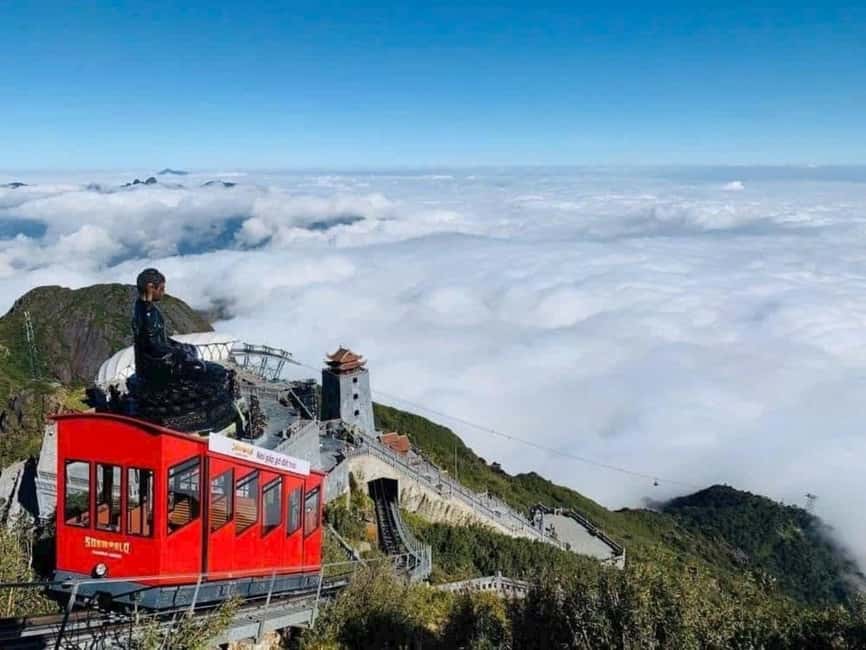
- 20-minute Fansipan cable car ride that still leaves time for photos
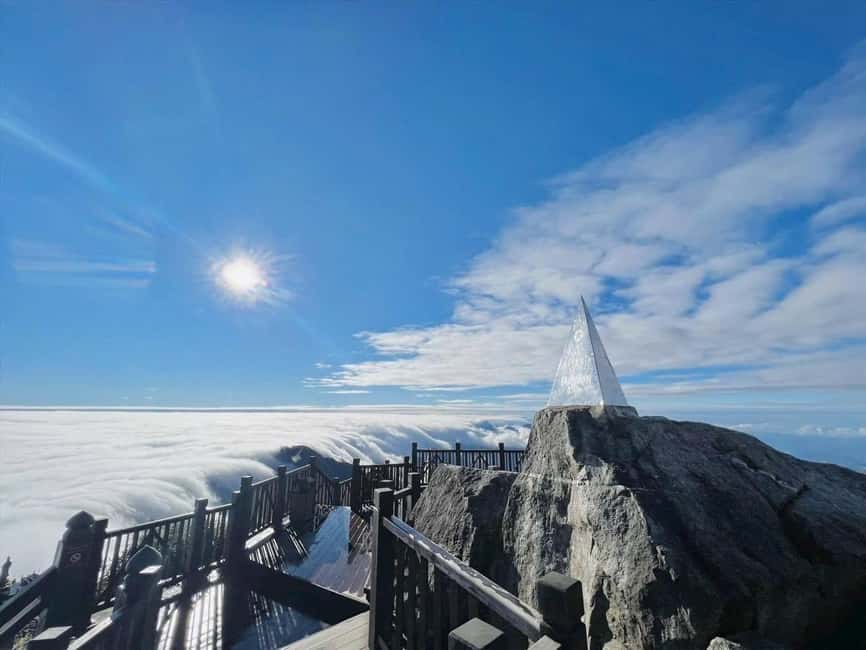
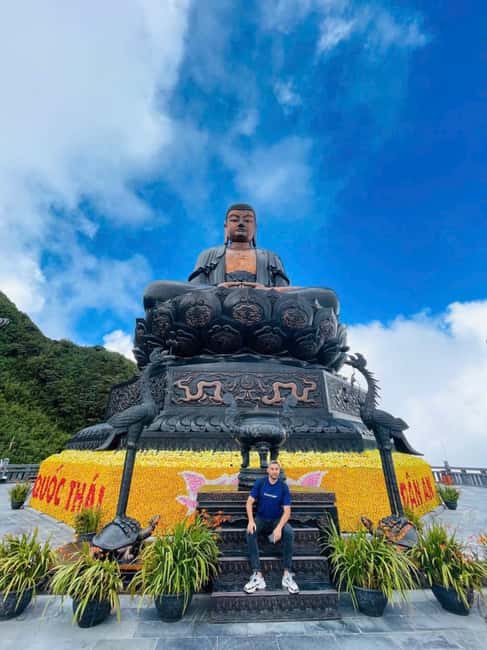
- Pagodas at ~2,800m followed by about 600 steps to the summit
- Private or group pacing, but bigger groups can feel rushed on tight photo windows
- Sapa night time is yours for wandering the night market after dinner
A Fast, High-Altitude Sapa Fix from Hanoi
If your Sapa trip is short, this is the style that makes sense. You leave Hanoi early, sleep in Sapa, then hit Cat Cat and Fansipan over two days without you doing the logistics math yourself.
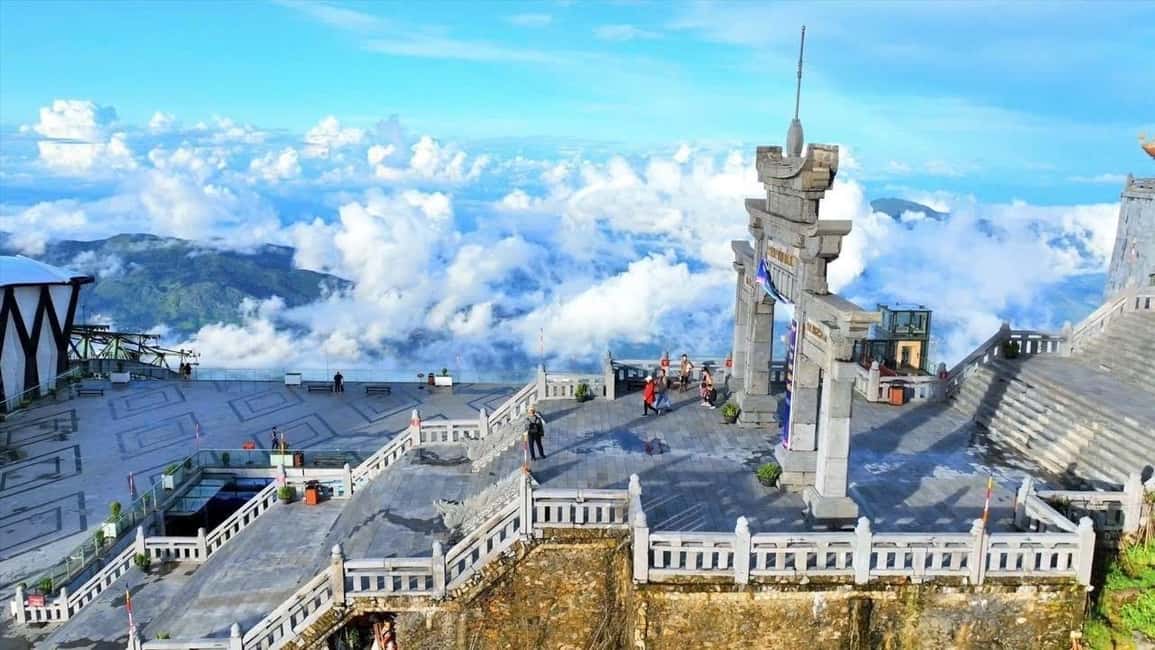
The tour’s appeal is simple: you get the headline experiences. Cat Cat Village gives you cultural context in the valley. Fansipan gives you altitude, pagodas, and a summit viewpoint that earns the nickname Roof of Indochina.
Still, keep expectations realistic. This isn’t a slow, hang-out-in-town plan. You’re trading relaxed time for getting a lot done in a short window.
You can also read our reviews of more tours and experiences in Sa Pa

Day One: Hanoi to Sapa, then Cat Cat Village in the Valley
The day starts with a hotel pickup in Hanoi around 06:00–06:30. Then you’re on the road to Sapa with a private car setup (either a 7-seat or 16-seat vehicle, depending on group size). If you’re prone to “I didn’t sleep on the bus” grumpiness, bring water and something warm for the ride.
By about 12:30, you arrive in Sapa town—where you’ll see ethnic groups in traditional dress (Hmong, Dzao, and Tay are specifically mentioned). There’s a local Vietnamese lunch before you check in and reset.
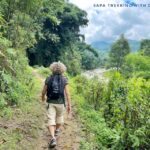
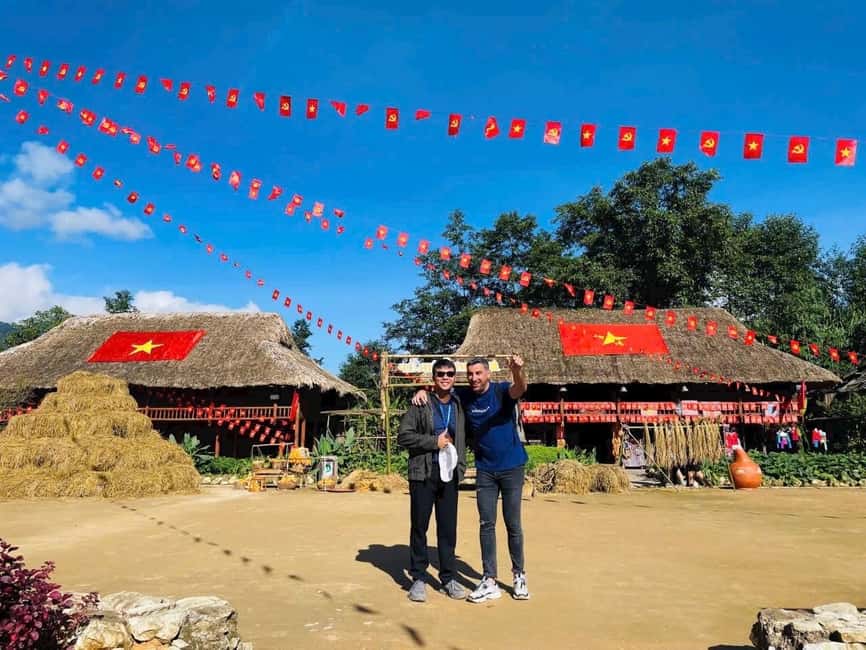
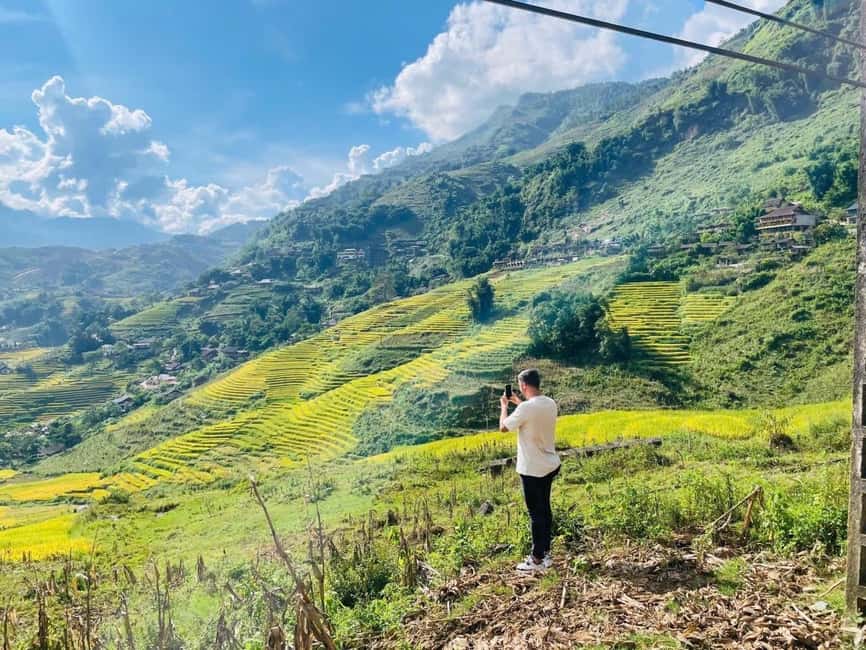
Then comes the main show on Day One: your guided walk to Cat Cat Village, at the foot of Fansipan. This isn’t a random stroll. You’re trekking through a deep valley setting, with stops that explain how the area works and why the village is special.
What the Cat Cat route includes
Your walk is guided and structured, and it includes:
- The old French Hydraulic Power Station
- A waterfall viewpoint/stop
- Scenic bridges over the valley
You also trek back uphill after visiting the valley area. That matters because it sets the tone: you should feel comfortable with steep sections and changing footing.
At the end of the day, you’ll have dinner and then free time to roam. The schedule points you toward the Sapa Night Market, which is a practical way to keep the evening easy instead of trying to plan one more thing after a long travel day.
Cat Cat Trek Practical Notes: Where the Time Really Goes
Cat Cat is famous for a reason, but the experience depends on pace. When the plan runs smoothly, the guide’s job is to keep you moving while still explaining what you’re seeing. When it gets rushed, you’ll notice it most on the walking segments and the stops where photos are expected.
Here’s what I’d prepare for if you want Cat Cat to feel worth it:
- Wear shoes you trust. The valley terrain and bridges can be slippery, especially if weather turns.
- Bring layers. Even in daylight, the valley can feel cooler and more shaded than the town.
- Plan for effort. The return trek uphill is part of the package, not an optional extra.
The tour focuses on Black Hmong culture, which is the heart of Cat Cat Village. That cultural angle is what makes the walk more than sightseeing. You’re not just passing through. You’re getting context—why the village exists where it does, and how the valley shapes daily life.
Also, the route’s named stops help you track the walk. The French Hydraulic Power Station is a standout because it links the valley to a broader story of modernization and infrastructure. It’s also a good “wayfinding” anchor: you’ll know where you are, instead of walking into foggy uncertainty.
One caution: the tour name includes Lao Chai and Ta Van, but the schedule you’re given centers on Cat Cat for the Day One trek. If those names matter to your trip goals, I’d confirm what exact time is allocated for Lao Chai/Ta Van on your specific departure.
Day Two: Fansipan Cable Car, Pagodas at 2,800m, and the Summit Climb
Day Two begins with breakfast at the hotel around 08:00. After that, you’re transferred to the Fansipan Cable Car Station.
The cable car segment is timed to be dramatic but not exhausting:
- You ride for about 20 minutes
- You reach an altitude of roughly 2,800m
- Then you visit the pagoda complex
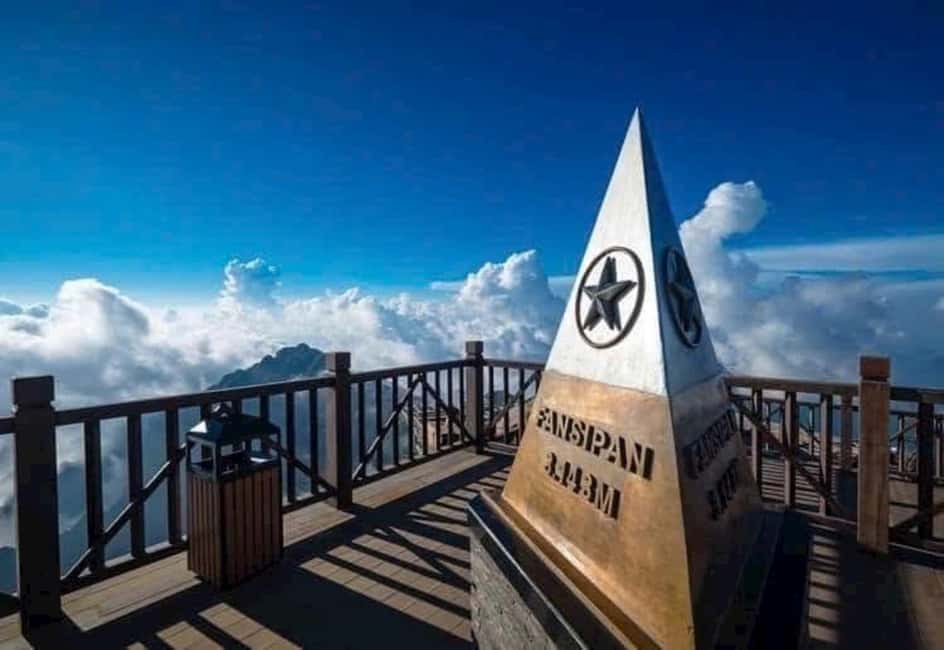
- After that, you climb about 600 steps to the summit of Fansipan Peak (3,143m)
The plan also gives you time once you’re up there: about 1.5 hours for photos and sightseeing before returning by cable car.



Why the cable car timing matters
This is one of the best-value parts of the schedule. You’re buying back energy that you can spend on being present at the viewpoint, not just “making it to the top.”
At the summit area, the big win is not only height—it’s the fact that the tour expects a photo and sightseeing window. A lot of “peak visits” are all speed and no time. Here, you’re allotted space to look around, not just pose and run.
Steps and weather: the real-world variables
You still do the steps—around 600 of them—so treat this as a moderate hike, not a casual promenade. If your knees hate stairs, pace yourself and take short breaks.
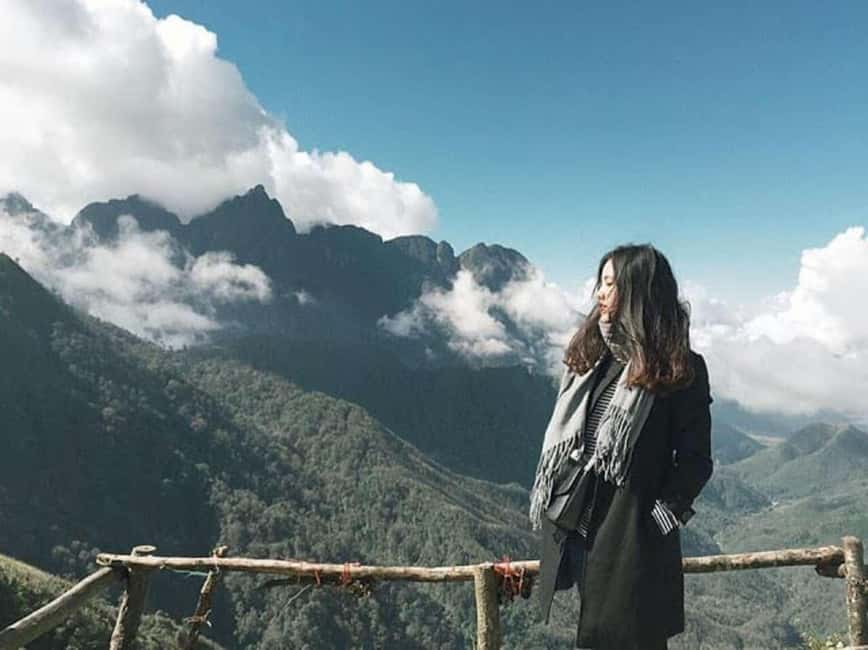
Weather is another variable. Fansipan sits high enough that clouds can move in fast, and visibility can change. When the day is clear, you’ll feel the Roof of Indochina effect. When it’s hazy, focus on the pagoda complex and the changing views rather than expecting a crisp, postcard panorama the whole time.
The Travel Days Are the Real Test: Timing, Waiting, and Hotel Comfort
This tour can be a solid shortcut to Sapa highlights. But you should judge it honestly by the weakest link: transport.
The tour uses private vehicles for the Hanoi–Sapa transfers, and it groups people based on group size (7-seat or 16-seat). That’s a good sign for comfort compared with big coach travel.
Still, the practical reality in Sapa day trips is that time can slip. The schedule has structured blocks, but delays can happen during pick-ups and handoffs. On a couple of departures, confusion has popped up around which hotel is used for pickup, and that can create stress when you’re trying to stay on time.
Waiting also tends to be the hidden cost. When a day runs longer than planned, you feel it most in two places:
- On the cat-to-peak transitions where you’d rather keep a steady pace
- On the peak photos window, where large groups can compress the time you get to take pictures
Group size matters here. Bigger groups can mean less individual attention. One practical tip: if you travel with people who want calm photo stops, I’d choose a departure with fewer people or a more private setup.
Cold hotels are not a small detail in Sapa
Sapa evenings can be chilly, and one issue that shows up in feedback is that indoor heating can be minimal. If you’re going in cooler months, treat warm clothing as part of the “what to pack” list, not an afterthought. Even if blankets are offered, you’ll enjoy the hotel more if you arrive prepared.
Value at $122: Does This Short Trip Make Financial Sense?
At $122 per person for two days, you’re paying for four things bundled together:
1) Round-trip transfer between Hanoi and Sapa
2) An English-speaking guide for the key segments
3) Two guided experiences (Cat Cat trek and Fansipan visit with steps/pagodas)
4) Meals across both days (lunch and dinner Day One, breakfast and lunch Day Two)
If you planned this on your own, the biggest cost driver usually isn’t the ticket fees. It’s your time and the complexity: getting from Hanoi to Sapa smoothly, coordinating transfers up to Fansipan, and paying for someone to guide you through the cultural and walking segments without wasting time.
So the math is: this is good value if the day runs cleanly and you want the convenience of not juggling. It’s less satisfying if transportation timing becomes chaotic or if your hotel comfort is poor for the season.
My practical rule: if you have limited time in Northern Vietnam and you want the major Sapa highlights without building a full schedule, this price can feel fair. If you’re the type who hates delays, you’ll want to confirm the vehicle plan and pickup location carefully before you leave Hanoi.
Who This Tour Fits Best (and Who Should Skip It)
This plan fits best if you:
- Want Cat Cat Village and Fansipan in one short Sapa stop
- Prefer a guided structure over DIY logistics
- Are okay with walking in a valley and climbing about 600 steps
- Like having a little evening freedom, like night market time after dinner
It may feel like a mismatch if you:
- Want a very slow, no-rush pace
- Get anxious when schedules slip
- Are very sensitive to cold hotel rooms or long transfers
- Need lots of independent time at the summit without feeling rushed
If you’re traveling with older family members, double-check comfort with stairs and uneven terrain. The route is built around effort and altitude, even with the cable car helping you with the hardest part.
Should You Book This Sapa 2D1N Tour?
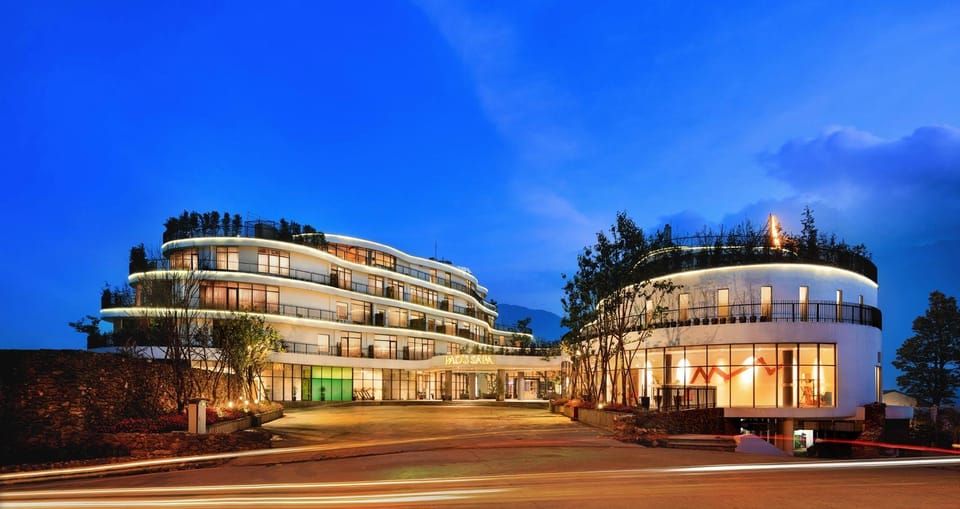
I’d book this if your priority is efficiency and you want the best-known Sapa highlights without planning headaches. The Cat Cat cultural walk and the Fansipan climb-with-cable-car combo are a smart pairing for a short visit.
I’d be cautious if transport timing and hotel comfort are your biggest dealbreakers. If you do book, prep like a pro: pack warm layers for indoor cold, keep your patience for possible waiting, and confirm the exact pickup hotel name the day before so you’re not standing around wondering where to go.
FAQ
How many days is the Sapa tour?
It runs for 2 days and includes 1 night in Sapa.
What time is pickup in Hanoi?
Pickup is scheduled between 06:00 and 06:30 from your hotel in Hanoi.
Is the tour guide available in English?
Yes, the tour includes an English-speaking live guide.
What does the Fansipan part of the tour include?
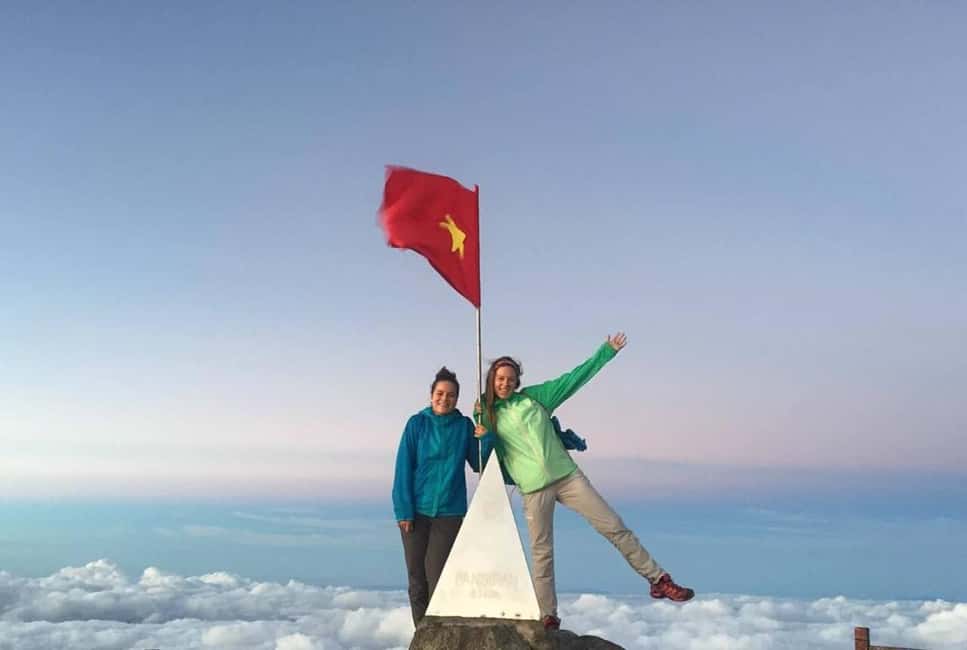
You take the cable car for about 20 minutes to an altitude of around 2,800m, visit the pagoda complex, then climb approximately 600 steps to reach Fansipan Peak (3,143m). You’ll have about 1.5 hours for photos and sightseeing at the top.
What do you do at Cat Cat Village?
You go on a guided trek to Cat Cat Village (Black Hmong culture) and visit the old French Hydraulic Power Station, a waterfall area, and scenic bridges. You trek back uphill afterward.
Are meals included?
Yes. The schedule includes lunch in Sapa and dinner on Day One, plus breakfast and lunch on Day Two.
Should I bring warm clothes?
If you’re visiting in colder months, bring warm clothes. One common issue is that the indoor facility or hotel can feel very cold, and extra blankets may be provided.
Can I cancel for a full refund, and do I pay later?
You can cancel up to 24 hours in advance for a full refund. You can also reserve now and pay later to keep plans flexible.