REVIEW · BBQ
Sapa Night Market Experience – BBQ, Hotpot & Black Chicken
Book on GetYourGuide →Operated by Sapa Local Tour Guides · Bookable on GetYourGuide
Chasing a warm plate in chilly Sapa is a real treat. You get a local English-speaking guide and a flexible dinner where you can pick BBQ, hotpot, or black chicken. My favorite part is that you learn the stories behind what you’re eating, not just the menu—but do note the night market itself can feel repetitive since many stalls sell similar things.
The setup is also refreshingly practical: you pay about $10 for the guided experience and one bottle of water, and you choose (and pay for) the food you want. With a small group, it’s easier to ask questions, and you’ll feel less “lost” walking through the market at night. If you’re craving a huge variety of stalls, build your expectations around the food experience more than the shopping.
In This Review
- Why This Sapa Night Market Dinner Feels More Local Than Tourist
- The Three Dishes: What Makes BBQ, Hotpot, and Black Chicken Different
- Sapa BBQ, Nướng Sapa: Mountain herbs, charcoal, and quick heat
- Sapa hotpot, Lẩu Sapa: A shared pot built from spice and mushrooms
- Black chicken, Gà Đen: The H’mong delicacy with a healing story
- What a Typical Night Looks Like (And Why It Works)
- Pickup and a short orientation in Sa Pa
- The market walk: food stalls, street atmosphere, and buying power
- Your meal choice: BBQ, hotpot, or black chicken
- Price and Value: What Your $10 Actually Buys
- The Best Part: A Guide You Can Actually Talk To
- A Realistic Note: The Market May Not Be Big on Variety
- Practical Tips Before You Go
- Who This Tour Fits Best
- Should You Book the Sapa BBQ, Hotpot & Black Chicken Night Market Tour?
- FAQ
- What is the duration of the Sapa Night Market BBQ, Hotpot & Black Chicken experience?
- Where does the tour take place?
- How much does it cost?
- Is the food included in the price?
- What’s included in the tour price?
- Is there a shuttle included?
- What language is the guide?
- How does meeting up work?
- Can I cancel for a refund?
- Is alcohol allowed during the tour?
- Are pets allowed?
Why This Sapa Night Market Dinner Feels More Local Than Tourist
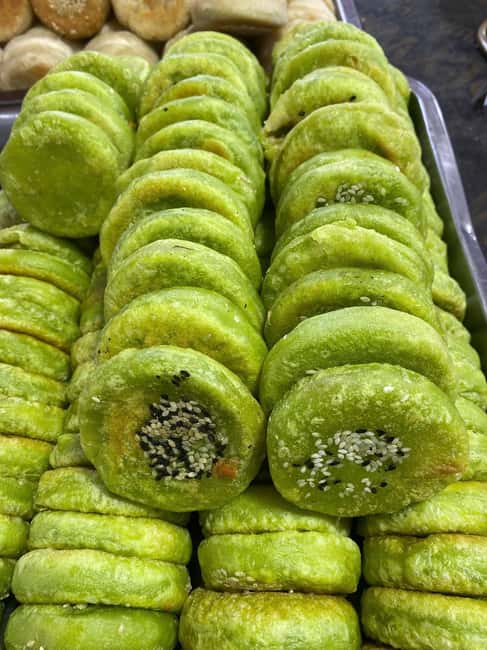
Sapa gets attention for its mountain scenery and ethnic cultures, but the real hook here is dinner the local way. This is an evening plan built around street-level flavors: grilling, shared hotpot, and a Sapa specialty tied to the H’mong people. Instead of being herded into one fixed restaurant, you get options and control.
And because the guide accompanies you while you move through the market and choose what to eat, it changes the whole experience. You’re not just consuming food. You’re figuring out what it is, why it’s made that way, and how locals think about it.
One more plus: the tour keeps the group small, which matters in a market setting. You can actually ask questions without feeling like you’re holding up a parade.
The Three Dishes: What Makes BBQ, Hotpot, and Black Chicken Different
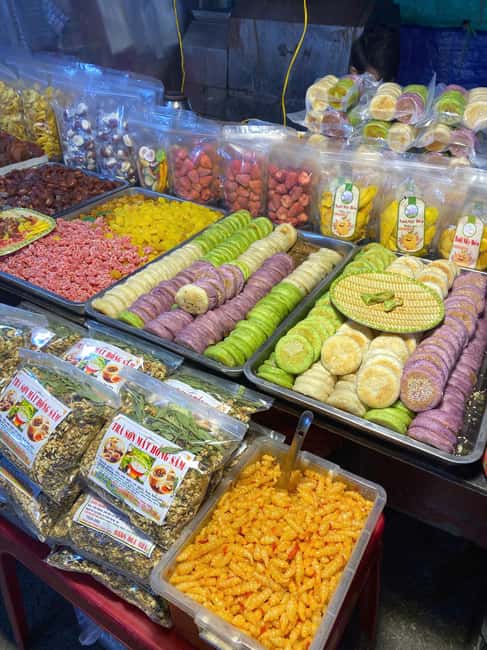
This is a choose-your-own-dinner setup. You’ll be introduced to three Sapa specialties, and then you pick the one you want to eat (or the way you want to structure your meal). The guide also shares the origins and meaning behind each dish, which helps you taste with context.
You can also read our reviews of more tours and experiences in Sa Pa.

Sapa BBQ, Nướng Sapa: Mountain herbs, charcoal, and quick heat
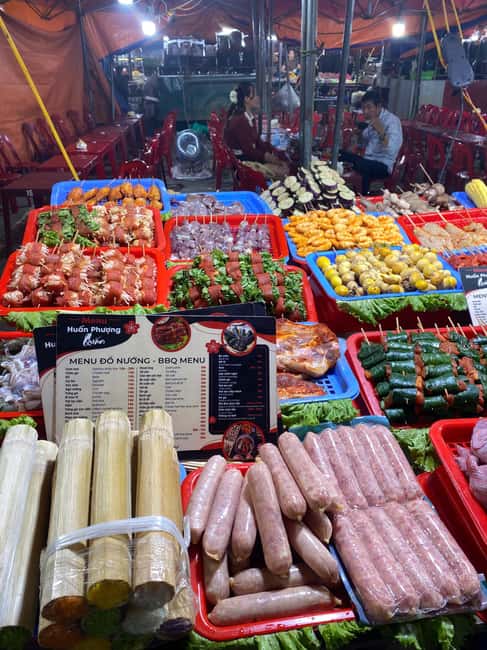
In cold Sapa evenings, grilling isn’t just style—it’s practical. “Nướng” means grilling, and locals traditionally cook quickly around small charcoal grills while they gather close for warmth. Expect mountain-style flavor: skewers of pork or beef (marinated with local spices) and vegetables like sweet potatoes and mushrooms.
The key flavor note is mắc khén, a mountain pepper used in Sapa. It’s often described as similar to Sichuan pepper in effect, so you’ll likely notice a distinctive, warming spiciness and aroma rather than a simple chili heat. The guide’s job is to translate those flavor choices into something you can actually understand while you eat.
Sapa hotpot, Lẩu Sapa: A shared pot built from spice and mushrooms
Hotpot is common across Vietnam, but Sapa’s version leans into mountain aromatics. You might taste cardamom and star anise in the broth, plus wild mushrooms and sometimes bone marrow (buffalo or pork, depending on what’s used). Then come the vegetables, including local mustard greens called cải mèo, which help balance out the richer broth.
Hotpot also carries a social meaning. In many ethnic minority traditions, a shared pot is community in physical form—everyone gathers around one center. That theme can be easy to miss when you treat hotpot as just food. Here, you’ll learn why that matters as you’re actually eating it.
Black chicken, Gà Đen: The H’mong delicacy with a healing story
The star choice for many people is black chicken, known as Gà Đen and linked to the H’mong people. This isn’t a gimmick dish. It’s tied to a rare breed raised in the highlands. The meat, skin, and even bones are darker than regular chicken.
Taste is only one side. There’s also a traditional belief that black chicken is a healing food used in local medicine, especially associated with strength and energy for new mothers. Even if you don’t treat that belief as medical guidance, it adds weight to the dish’s cultural role—and makes your meal feel like something inherited, not manufactured for tourists.
What a Typical Night Looks Like (And Why It Works)
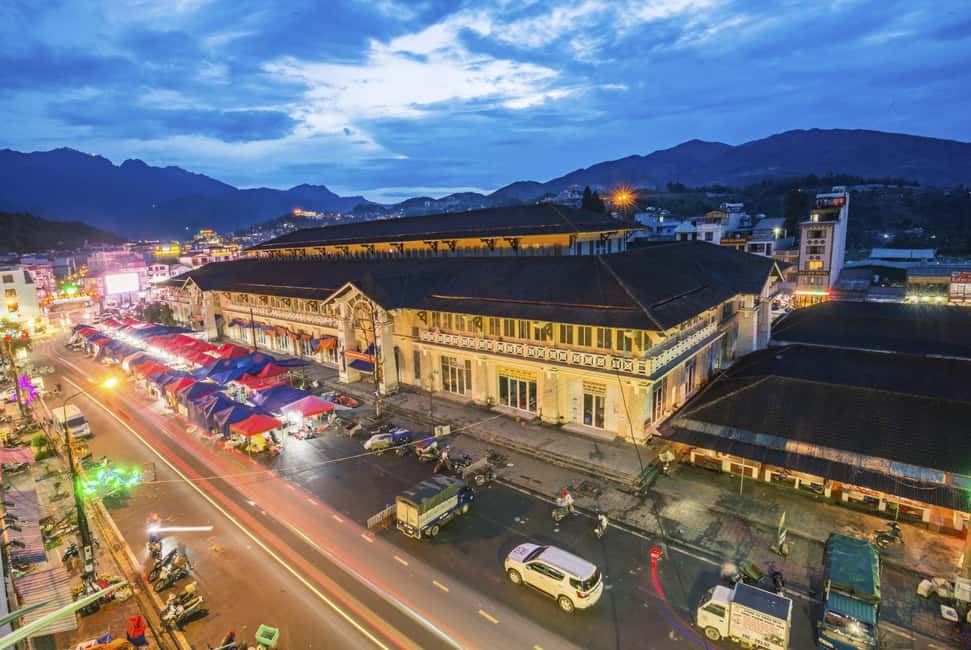
The evening runs about two hours. That length is smart. You get enough time to walk, browse, choose a meal, and eat without turning the night into an exhausting marathon.


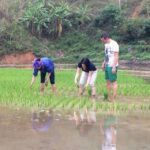
Pickup and a short orientation in Sa Pa
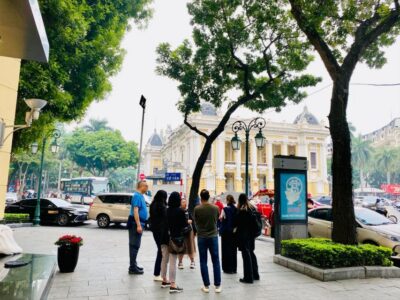
You start in Sa Pa, either from your hotel if you’re within about 5 km of the center, or from a prominent landmark such as the stone church or the train station if you’re farther out. The idea is simple: you meet up, then you go together rather than trying to figure out street food and stall locations alone.
If you’ve ever tried to navigate a market at night without local help, you know what you’re really missing—small cues. A guide helps you find the right stalls and also helps you avoid awkward moments with sellers who don’t speak your language.
The market walk: food stalls, street atmosphere, and buying power
Along the way, you’ll have time that includes market visiting and some shopping. This is one of those “stop and look” parts that makes the evening feel alive. It’s also where you learn the rhythm of how people eat out—what’s common, what looks like a local order, and what you should pay attention to when deciding.
A big value here is communication. The guide can speak with sellers and help you try things you might not choose on your own. That’s also how you end up with a more confident order instead of just pointing at the first grill you see.
Your meal choice: BBQ, hotpot, or black chicken
Once you settle on your dish, the tour becomes about eating with context.
- For BBQ, you’re looking at the grill process and the herbs and marinades that define Sapa style.
- For hotpot, you’re focused on the broth spices and the mountain vegetables that cut through richness.
- For black chicken, the focus shifts to both flavor and meaning—why it’s valued and how it fits into H’mong tradition.
If you like learning while you eat, this part is the payoff. If you just want maximum food variety, you may find two hours isn’t long enough to sample everything. The tradeoff is that you’ll eat what you choose well, instead of rushing through too many stops.
Price and Value: What Your $10 Actually Buys
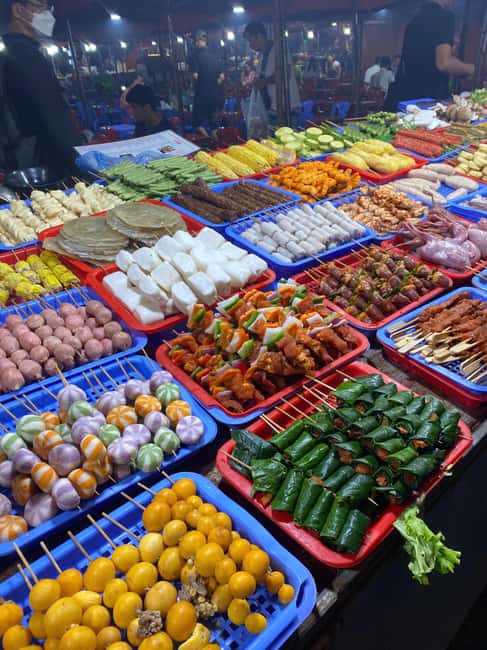
This is one of the tours where the price structure makes sense once you understand it.
You pay about $10 per person for:
- the guide service (English-speaking),
- the tour booking/platform fee,
- and one bottle of water.
But food is not included. That’s important. It means you can control your spending, and you’re not stuck with a fixed set menu you might not want. It also means the final cost depends on what you choose to eat at the stalls or when you order your BBQ/hotpot/black chicken.
In value terms, you’re paying for the guide and access to the right local eating setup. For market nights, that’s often more valuable than a single seated meal in a generic restaurant, because the guide helps you make better choices under time pressure.
The Best Part: A Guide You Can Actually Talk To
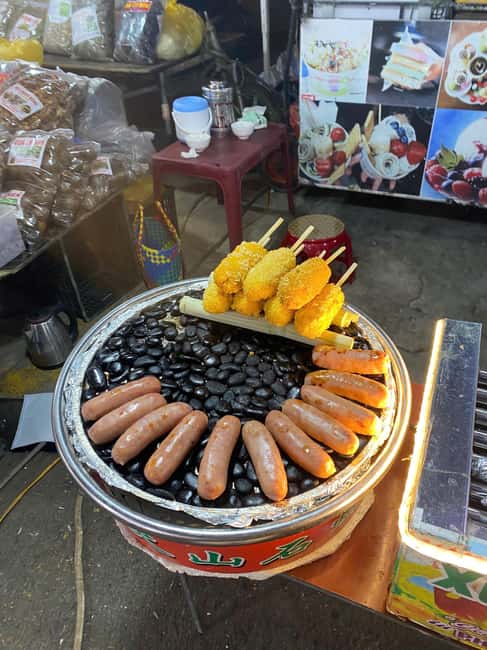
One reason this experience scores well is the people running it. I’d put “ask questions easily” near the top.
You’ll have an English-speaking local guide, and some guides have a reputation for being communicative and supportive. For example, Chinh is specifically mentioned as a guide who walks guests from their hotel toward the night market for an authentic street food evening. He’s also praised for being open to questions and for being helpful when ordering or choosing stalls.
That matters because street food is half taste and half timing. A good guide helps you:
- understand what you’re about to eat,
- move through the market without feeling uncertain,
- and feel safer while you’re engaging with sellers.
A Realistic Note: The Market May Not Be Big on Variety
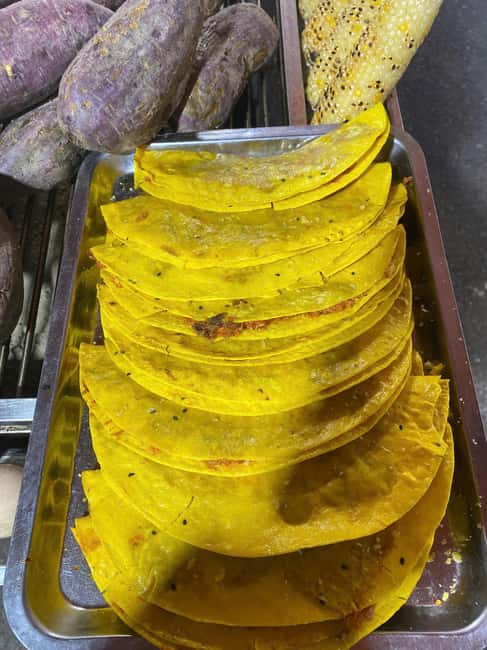
Here’s the only downside that can affect your enjoyment. The Sapa night market area isn’t always the sprawling, one-of-each-stall kind of place. Many stalls can sell similar items, so once you’ve seen a few, you’ve basically seen the pattern.
That doesn’t ruin the dinner, though. It just shifts your expectations. The main win is the meal choice—BBQ, hotpot, or black chicken—plus the cultural explanations while you eat.
If you’re the type who loves browsing 100% different things stall to stall, you may want to treat this as a food-focused evening rather than a shopping binge.
Practical Tips Before You Go
A few common-sense things make the difference between a good street-food night and a frustrating one.
- Plan for extra food spending. The tour price is for the guide and water. You’ll pay for the dishes you choose.
- Go hungry but not frantic. Two hours is enough to eat and learn, but it isn’t a full-night food festival.
- Follow the rules of the experience. Alcohol and drugs aren’t allowed, and pets aren’t allowed. There’s also a clear no-littering expectation and no fireworks/explosive substances.
- Use the language help. The guide can handle communication with sellers and keep you on track.
If you want a smoother experience, lean into the guide’s role. Ask what the dishes taste like, what’s common locally, and what to look for while you choose.
Who This Tour Fits Best
This is a great fit if you:
- want an authentic Sapa dinner built around street-style BBQ, hotpot, or H’mong black chicken,
- enjoy learning while you eat (the origin stories are part of the value),
- prefer a smaller group where you can talk instead of just follow,
- want control over what you pay for since food isn’t included.
It may be less ideal if you’re only coming to shop or you’re expecting a night market with huge stall variety.
Should You Book the Sapa BBQ, Hotpot & Black Chicken Night Market Tour?
If you’re in Sa Pa for a short time and you want one evening that combines food, local explanation, and real choice, I’d book it. The guide-led format removes the hardest part of night markets: ordering and confidence.
The only reason to skip is if you’re mainly chasing market variety and shopping excitement, not a guided meal. Otherwise, this is one of the more satisfying ways to spend a couple of hours in Sapa—especially if black chicken is on your list.
FAQ
What is the duration of the Sapa Night Market BBQ, Hotpot & Black Chicken experience?
It lasts about 2 hours.
Where does the tour take place?
The tour is in Sa Pa, in Northern Vietnam.
How much does it cost?
The price is $10 per person.
Is the food included in the price?
No. Food is not included. You choose and pay for the dishes you want.
What’s included in the tour price?
You get an English-speaking guide service and one bottle of water (500 ml). The tour booking/platform fee is also included.
Is there a shuttle included?
Shuttle service is not included.
What language is the guide?
The guide speaks English and Vietnamese.
How does meeting up work?
If you’re within about 5 km of the center, you meet near your hotel. If you’re farther out, you meet at a prominent location such as the stone church or the train station. The pick-up is set for 10 minutes before departure time.
Can I cancel for a refund?
Yes. You can cancel up to 24 hours in advance for a full refund.
Is alcohol allowed during the tour?
No. Alcohol and drugs are not allowed.
Are pets allowed?
No, pets are not allowed.