REVIEW · COFFEE EXPERIENCES
Coffee, History, and Architecture of the French Quarter
Book on GetYourGuide →Operated by ONETRIP WITH LOCAL TRAVEL CO., LTD · Bookable on GetYourGuide
Coffee and colonial streets pair perfectly in Hanoi. This walking tour makes the French Quarter feel personal, with French-villa coffee and architecture-focused stories that connect St. Joseph’s Cathedral to the Opera House in a way lectures never do. You even get built-in conversation time with your guide, so questions feel normal, not awkward.
My favorite part is how the walk is paced for real sightseeing, not just passing by. One thing to watch: it’s a rain-or-shine route with several short stops and a good chunk on your feet, so bring comfortable shoes and plan for wet weather if the forecast looks iffy.
In This Review
- Key Highlights You’ll Actually Notice
- French Quarter on Foot: Coffee and Architecture as Your Time Machine
- Price and Value for a 2.5-Hour Hanoi Walk
- Meeting at 6 Au Trieu: Why This Starting Point Matters
- Stop 1: St. Joseph’s Cathedral and the First Break
- Stops 2 and 3: The Old French Villa Coffee Shop Moment
- Stop 4: French Quarter Stroll with 15+ Top Sights
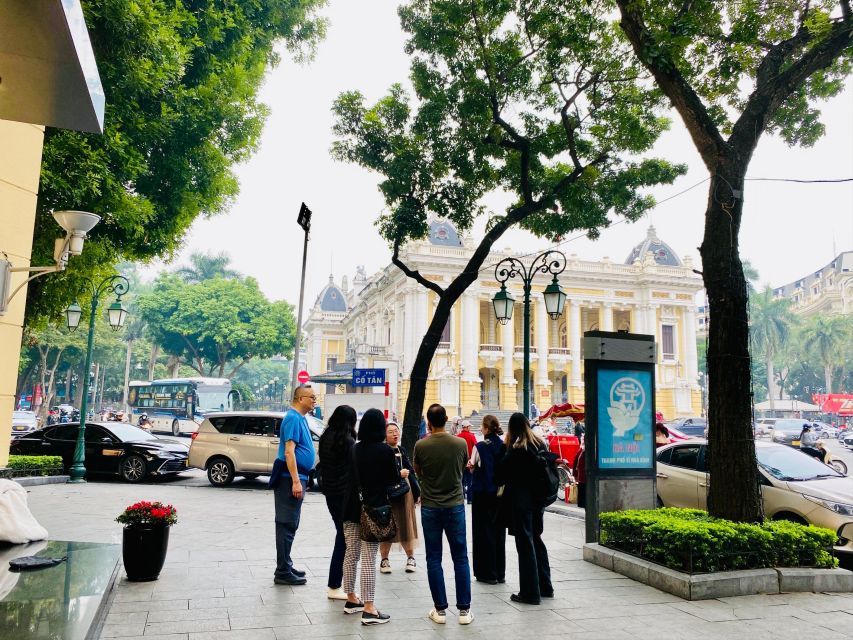
- Stop 5: Hanoi Opera House Through a French Lens
- Stop 6: Hoan Kiem Lake and the Center of Gravity
- Stop 7: Sofitel Legend Metropole Hanoi and Colonial Glamour
- Stop 8: Trang Tien Street and the Ice Cream Payoff
- The Bigger Story You’ll Take Home About French Rule
- Practical Tips: What to Bring and How to Make the Most of the Walk
- Should You Book This Coffee, History, and Architecture Walk?
- FAQ
- How long is the French Quarter walking experience?
- Where does the tour start?
- Is the guide available in English?
- What food is included?
- Does the tour run in bad weather?
- What should I bring?
- Is there anything for accessibility needs?
Key Highlights You’ll Actually Notice
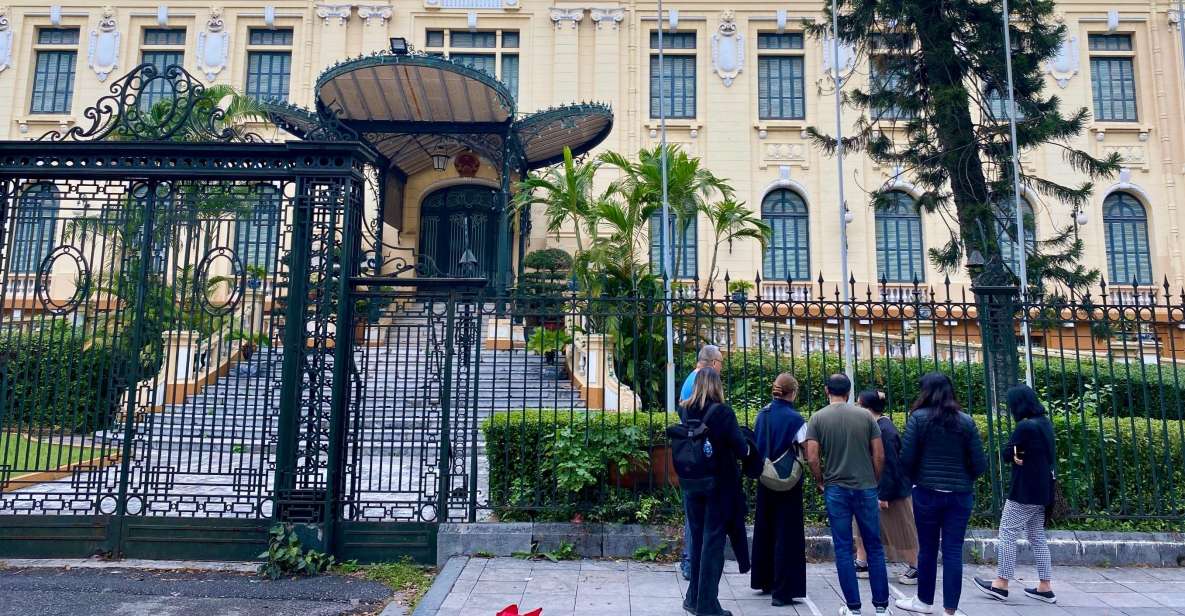
- French-villa coffee start in a quieter, older setting before the landmarks begin
- St. Joseph’s Cathedral to Opera House in one flowing route of French-era details
- 15+ sights on foot with quick context that helps you see more than just facades
- Metropole Hotel and Hoan Kiem Lake framed through French influence and Vietnam’s modern story
- Trang Tien ice cream stop with seating and even a restroom break
French Quarter on Foot: Coffee and Architecture as Your Time Machine
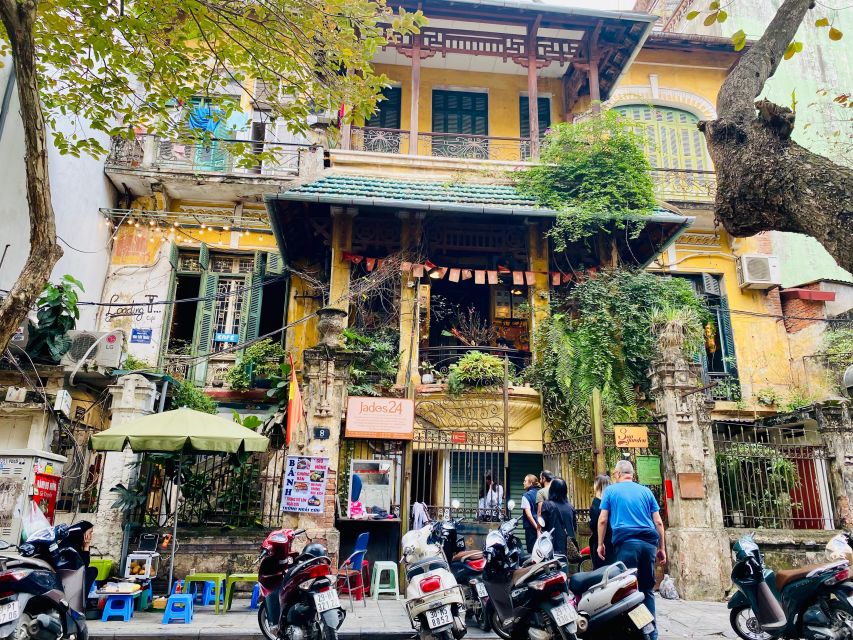
The Hanoi French Quarter is where you can see time layered on top of itself. One corner looks comfortably French—columns, stonework, and old elegance. Then you turn a block and the city’s everyday energy takes over, and history becomes something you can actually walk through.
What makes this tour work is the pairing: coffee first, then architecture, then the “why it matters” history. You’re not stuck in a long talk. You’re standing in front of the building while your guide explains the forces behind it—French rule, shifting Vietnamese society, and the bigger modern events that followed.
And yes, the tour leans hard into the French flavor without treating Vietnam like an afterthought. You’ll hear both sides—what the French period changed for Vietnamese life and what it cost—so the story feels honest, not like a postcard script.
You can also read our reviews of more historical tours in Hanoi
Price and Value for a 2.5-Hour Hanoi Walk
At $31 per person, you’re buying more than a guided stroll. You get a 2.5-hour route through major landmarks, plus the two “I’ll remember that” extras: Vietnamese coffee/tea and Trang Tien ice cream.
If you’re the type who’s happy to pay for structure—so you don’t have to guess which buildings are worth your attention—this is a fair deal. The stops are short but packed, and your guide keeps the pacing friendly, with time to ask questions instead of rushing you to the next corner.
Also, the included food breaks aren’t just filler. Starting with coffee in a French villa makes the French Quarter feel like a story you’re stepping into, not a sightseeing checklist. Ending with ice cream turns it into a finish line you’ll look forward to while you’re still walking.
Meeting at 6 Au Trieu: Why This Starting Point Matters
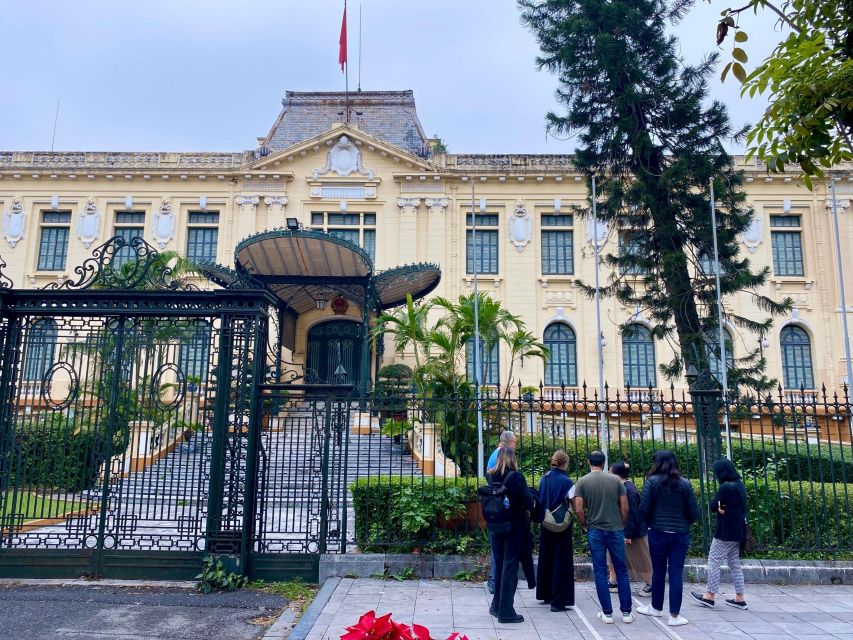
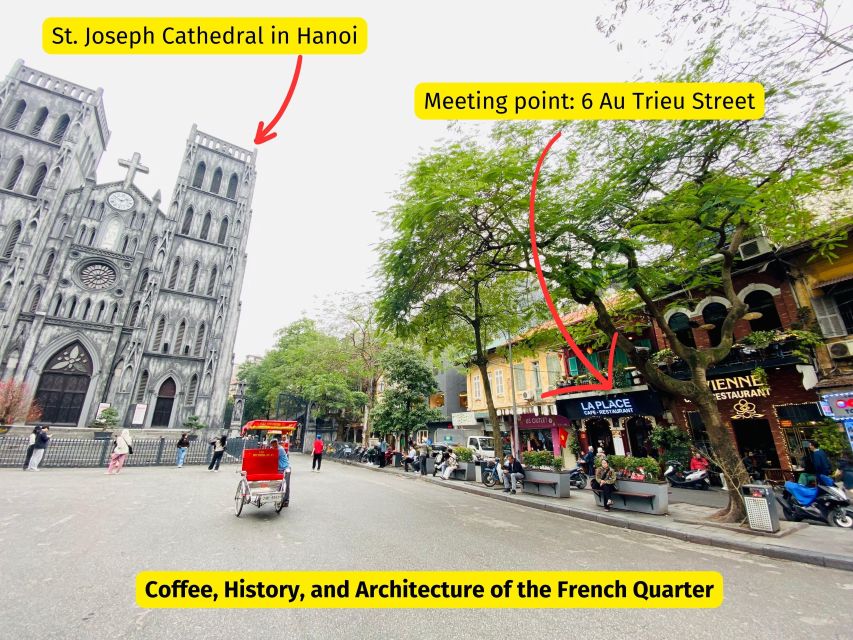
You meet at 6 P. Ấu Triệu, right by St. Joseph’s Cathedral. That’s a smart choice because it gives you a clear “main character” right away. You’re not wandering cold through side streets hoping you’ll figure out what matters. Your orientation starts where the architecture is loudest.
From there, the route naturally threads through key French-era sites around central Hanoi. This matters because you’ll start noticing patterns in the buildings—French styling details, and how those buildings sit inside a Vietnamese streetscape that kept evolving.
You’ll finish back out near the same central area, with the tour described as ending at the Hanoi University of Pharmacy area. Either way, you’re kept close to the heart of the district, which helps if you’re planning what to do next after the walk.
Stop 1: St. Joseph’s Cathedral and the First Break
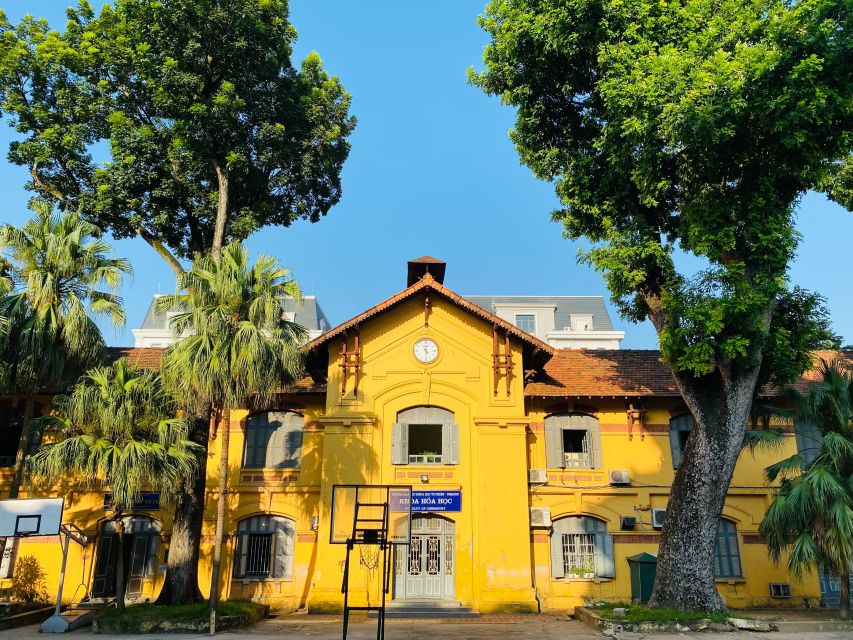
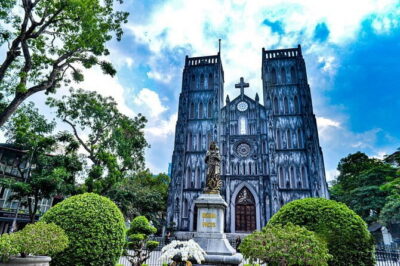
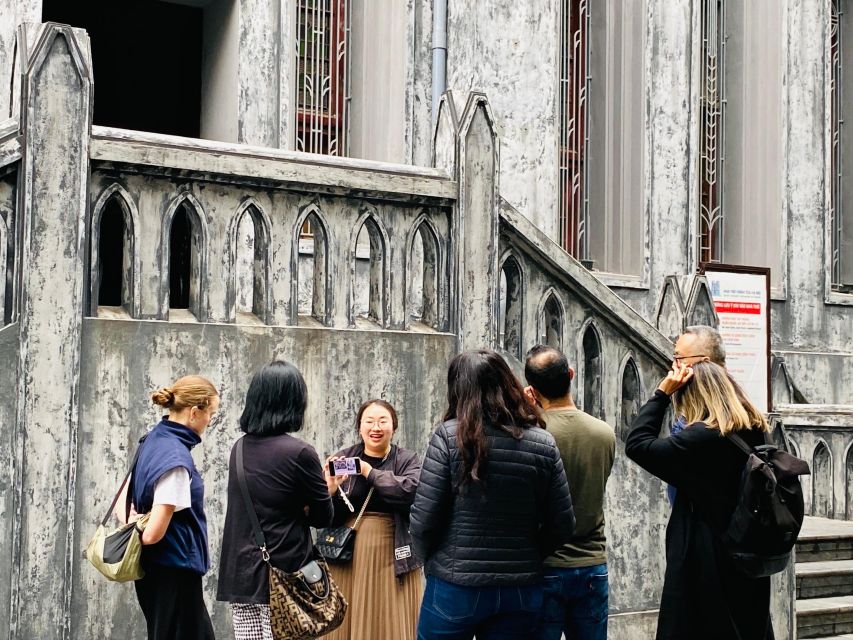
The tour’s first big landmark is St. Joseph’s Cathedral. You’ll get a guided look that’s more than just, “Here’s the famous building.” The idea is to connect what you’re seeing—French-influenced design and presence—to the historical story behind it.
After that, there’s a break included in the flow. This is where the tour shifts from “look around” to “pause, reset, and start tasting the local side.” If you’re doing Hanoi in a busy schedule, that first break is a small but real advantage.
One practical note: the cathedral area is a lively place. If you’re sensitive to crowds or noise, try to stay patient and keep your eyes on your guide’s cues for where to stand for the best views.
Stops 2 and 3: The Old French Villa Coffee Shop Moment
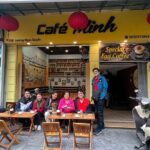
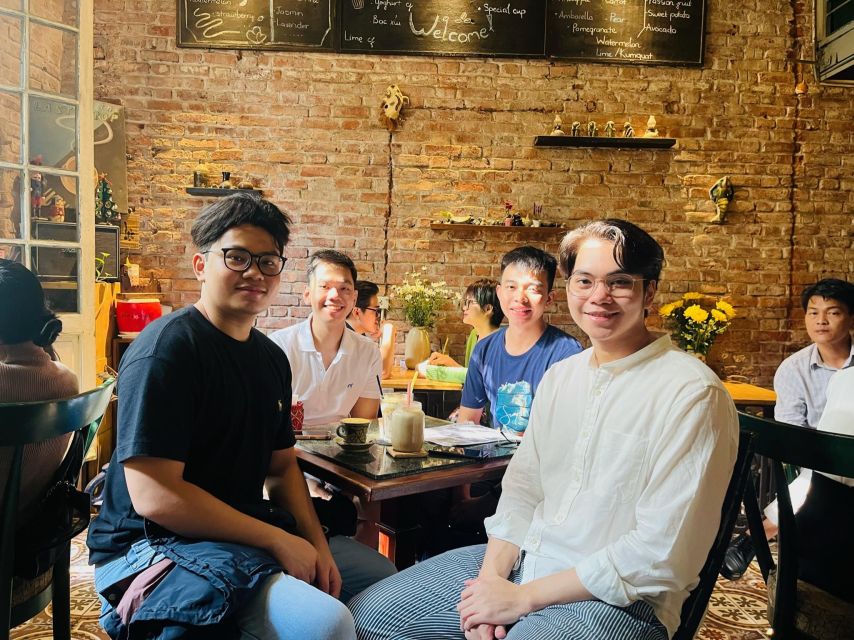
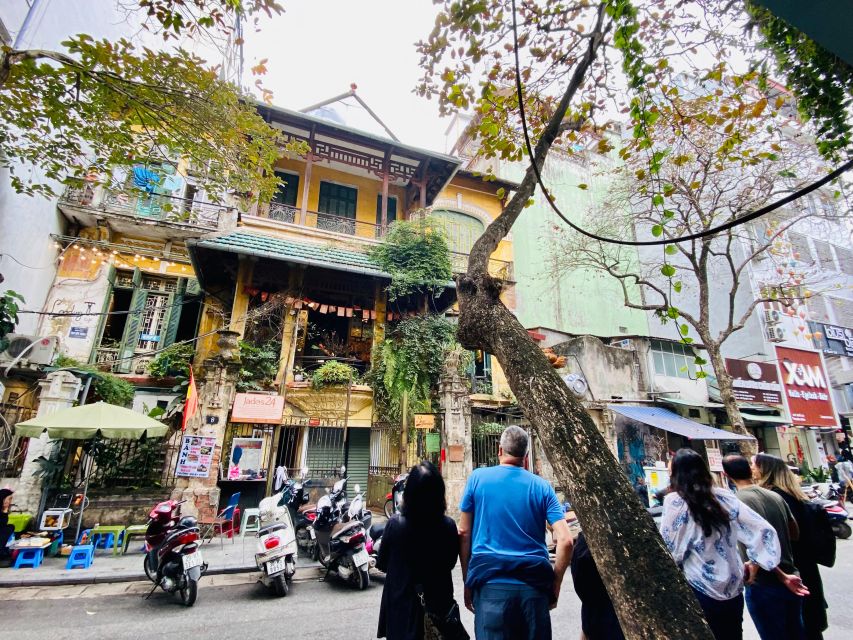
One of the most praised parts is the coffee stop in a local café inside an old French villa. This is where the tour starts connecting the dots: Vietnam’s larger background, French influence, and the way society changed during the colonial period.
Then you actually drink it: Vietnamese coffee/tea is included. The coffee experience here is the kind of stop that changes how you see the rest of the tour. Coffee in Vietnam isn’t just a drink; it’s part culture, part daily rhythm. When your guide links it to history and taste, it sticks.
You may also run into famous local styles like egg coffee, and some groups report enjoying options such as egg and coconut coffees during the meet-up. Either way, expect the guide to make you slow down and notice the flavors, not just gulp your cup and move on.
If you’re someone who usually skips coffee tastings because you think it will be “just another drink,” don’t. This stop is used as the tour’s foundation. It sets the tone for the rest of the French Quarter story.
You can also read our reviews of more tours and experiences in Hanoi


Stop 4: French Quarter Stroll with 15+ Top Sights
After coffee, you move into the walking part that most people really come for: a French Quarter route where you’re seeing 15+ top sights and learning what to look for.
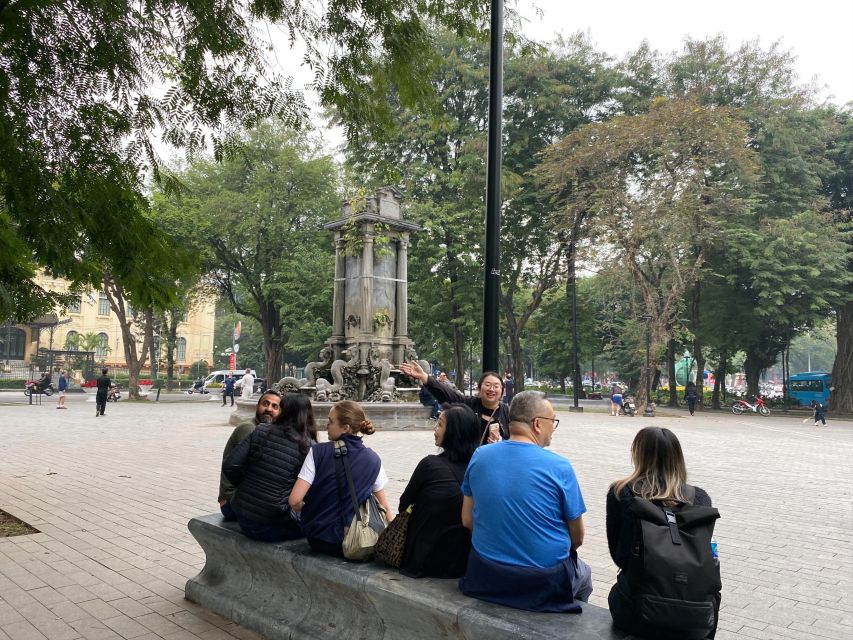
The guide keeps it conversational, which is a big deal in a district like this. French architecture can look similar if you’re not sure what you’re spotting. Your guide points out the details that matter—how buildings communicate power, style, and influence.
And since the walk is built around short guided segments, you’re not stuck listening for long stretches while your legs get restless. It feels like a series of mini “aha” moments.
You’ll also pick up practical context that makes later landmarks make sense. Even if you don’t remember every date, you’ll understand the pattern: French influence shows up in architecture and institutions, and later Vietnam’s modern history reshapes the meaning of those buildings.
Stop 5: Hanoi Opera House Through a French Lens
Next up is the Hanoi Opera House, with a short guided stop that focuses on what the building represents. The goal isn’t to pretend this is a European stage. It’s to show how French rule left physical markers in Vietnam’s public spaces.
In a good architecture tour, you learn to read the “why” behind the “wow.” Here, your guide connects design and symbolism to the period that produced it. It’s less about fashion and more about how institutions tried to position themselves in colonial society.
If you like architecture but hate long speeches, you’ll probably enjoy this part. The timing is tight enough to stay lively, and the context helps you look smarter at the details.
Stop 6: Hoan Kiem Lake and the Center of Gravity
Then you shift to Hoan Kiem Lake, one of Hanoi’s best-known anchors. This stop matters because it helps you place the French Quarter inside the city’s bigger map.
French-era buildings aren’t isolated art objects. They’re part of a central district that keeps living. Standing by Hoan Kiem Lake, you get that sense of continuity—history in view, but not trapped behind ropes.
Your guide’s framing also helps you understand why colonial influence didn’t erase Vietnamese identity. It changed circumstances. It interrupted rhythms. But the city’s core kept moving.
Stop 7: Sofitel Legend Metropole Hanoi and Colonial Glamour
The Sofitel Legend Metropole Hanoi stop brings in a heavier, more formal mood. This is one of those buildings where you can almost feel how colonial-era luxury tried to announce itself.
This part of the tour works well if you like contrasts. One minute you’re seeing a grand facade with French styling; the next, you’re thinking about the real history behind it. The tour doesn’t treat the building like a museum only. It treats it like a witness.
Your guide may use famous historical photos during the walk, showing events that connect past pressures to what the city looked like. That photo support is one of the most useful learning tools here because it reduces the “history as distant text” problem.
Stop 8: Trang Tien Street and the Ice Cream Payoff
You finish with Trang Tien, including the famous Trang Tien ice cream parlor. This stop is the sweet reward, but it’s also a good “wrap” for the tour’s theme.
Ice cream in a landmark setting works because it’s a reminder that colonial-era spaces became part of Vietnamese daily life. They didn’t stay frozen in time. They were reused, reinterpreted, and lived in.
The parlor has seating so you can actually rest, and there’s a restroom for a comfort break. That’s more helpful than it sounds on a walking tour that’s almost entirely outdoors and includes multiple short guided segments.
If you’re picky about dessert, take your time here. You’ll be glad you did.
The Bigger Story You’ll Take Home About French Rule
This tour is built to explain the “good and bad” of French influence in Vietnam, plus how Vietnamese society shifted under that period. The French Quarter is just the stage where the story is told.
One reason the tour gets strong ratings is the way the history is handled. It’s not a dry lecture. It’s structured as a conversation, with your guide encouraging questions. That makes it easier to hold nuance like this:
- French rule shaped architecture, institutions, and public spaces.
- It also brought conflict and disruption.
- The later modern history—including the Vietnam War—adds layers of meaning to what you’re seeing today.
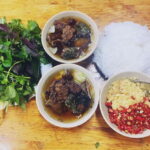
The route also highlights how Vietnamese identity kept expressing itself through food culture and daily life. Even the coffee choice isn’t random. It’s tied to local tastes and habits, which makes the history feel human instead of abstract.
Some guides also add practical extras that help you enjoy Hanoi after the tour, including pronunciation pointers for Vietnamese words and food recommendations such as bahn mi and hotpot. If you like having “what do I order?” help while you’re still learning the city, this kind of add-on is a real win.
Practical Tips: What to Bring and How to Make the Most of the Walk
This is a walking experience, so don’t underestimate your legs. Wear comfortable shoes and plan for some sun. Bring sunscreen, breathable clothing, and a hat if you get warm easily.
If weather looks questionable, go prepared. The experience runs rain or shine, and you’re advised to bring an umbrella or raincoat if rain is expected. For Hanoi in particular, wet pavement can be slippery, so keep your footing smooth.
Finally, treat the coffee stops as part of the pacing. Drink your coffee, ask your first questions there, then watch how your guide uses that conversation tone throughout the route. It makes the whole tour feel lighter, even when the history gets serious.
Should You Book This Coffee, History, and Architecture Walk?
I think you should book it if you want a first-time-friendly orientation to Hanoi’s French Quarter with real structure. The included Vietnamese coffee in an old French villa plus the Trang Tien ice cream make it feel like more than standard sightseeing, and the architecture stops help you look at buildings with purpose.
It’s also a good pick if you like history but hate being trapped in “sit and listen” mode. This tour is designed to be conversational, with time for questions, and it uses photos to make the story easier to picture.
Skip it only if you’re looking for a long, ticketed, inside-only museum-style experience. This is about the streets, the buildings, and the ideas behind them—so comfortable walking conditions and a curious mindset matter.
FAQ
How long is the French Quarter walking experience?
It runs for about 2.5 hours.
Where does the tour start?
You meet at 6 P. Ấu Triệu, right next to St. Joseph’s Cathedral of Hanoi.
Is the guide available in English?
Yes, the tour includes a live guide in English.
What food is included?
You’ll have Vietnamese coffee/tea in the French villa coffee shop, and you’ll also stop for ice cream at Trang Tien. Coffee and ice cream are included.
Does the tour run in bad weather?
It operates rain or shine, so bring an umbrella or raincoat if rain is expected.
What should I bring?
Bring sunscreen, breathable clothing, a hat, and comfortable shoes.
Is there anything for accessibility needs?
There is free admission for people assisting guests with disabilities.