
REVIEW · WORKSHOPS
Bat trang Pottery Ceramics Class in Hanoi’s Old Quarter | VN
Book on GetYourGuide →Operated by Authentic Bat Trang · Bookable on GetYourGuide
Your hands learn pottery faster than you expect. In Hanoi’s Old Quarter at 115 Hàng Gai, this Bat Trang class turns a famous craft into a hands-on, doable session with real instruction from Bat Trang artisans (and teachers like Han, Hang, and Tuan Vu show up in day-to-day teaching styles you can feel in the results). You get an electric pottery wheel session designed for beginners, plus time to experiment with shapes and colors so your souvenir actually looks like you made it.
I also like that the pace gives you multiple tries. You can form several pieces during the 3 hours, and you choose one free piece to be glazed and fired, with extra pieces handled for an added fee. The main drawback is timing: firing and glazing take 2–3 days, so you’ll want to schedule the class early enough in your Hanoi trip (or plan a workaround if you’re leaving fast).
In This Review
- Key highlights
- Bat Trang at 115 Hàng Gai: pottery in the middle of Hanoi
- The 3-hour electric-wheel lesson: what you’ll do in real time
- Picking shapes, colors, and that one free souvenir piece
- Beginner success tips: how to make the wheel work for you
- Firing and glazing timing: plan for 2–3 days, not same-day magic
- If you can’t wait 2–3 days
- Take-home reality: luggage, weight, and shipping your pieces
- Price and value at about $33: what you’re really paying for
- Group size and attention: will you get help?
- Who should book this Bat Trang pottery class in Hanoi
- Final verdict: should you book this Bat Trang pottery class?
- FAQ
- Where is the class located in Hanoi?
- How long is the pottery class?
- What start times are available?
- Do I need prior pottery experience?
- Can I make more than one pottery piece during the class?
- Is the firing and glazing included?
- What if I don’t have 2–3 days to wait?
Key highlights
- Electric wheel, beginner-friendly throws that reduce the learning curve
- Make as many pieces as you like during the class session
- One free fired-and-glazed piece to take home later
- Teachers focus on technique and structural integrity, not just decoration
- Firing delays can happen around holidays, with options if you’re short on time
Bat Trang at 115 Hàng Gai: pottery in the middle of Hanoi
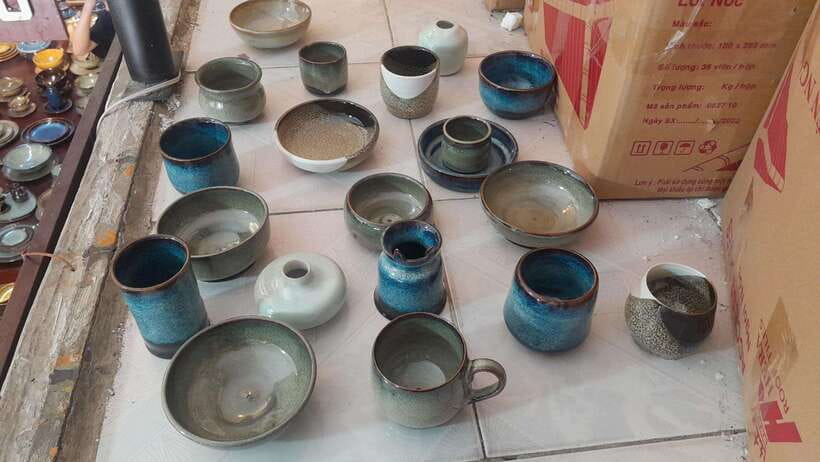
This class is right in Hanoi’s Old Quarter area, at 115 Hàng Gai in Hoàn Kiếm. That matters because you’re not commuting to a far workshop during the busiest part of your day. You can pair the class with strolling, street food stops, and museum wandering without blowing your whole itinerary on transport.
Also, it’s not a “watch someone else work” setup. The experience is built around you getting your hands dirty on the wheel, then dealing with color choices and final results the way Bat Trang ceramics does it.
You can also read our reviews of more tours and experiences in Hanoi



The 3-hour electric-wheel lesson: what you’ll do in real time
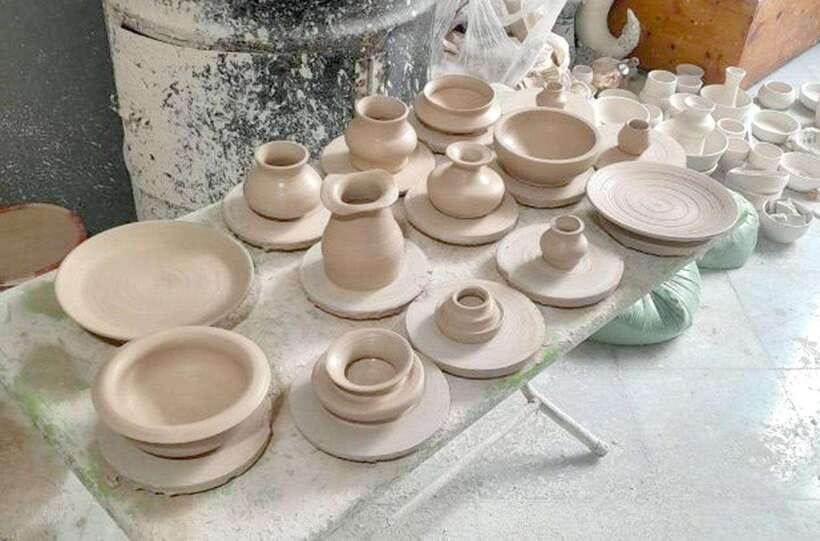
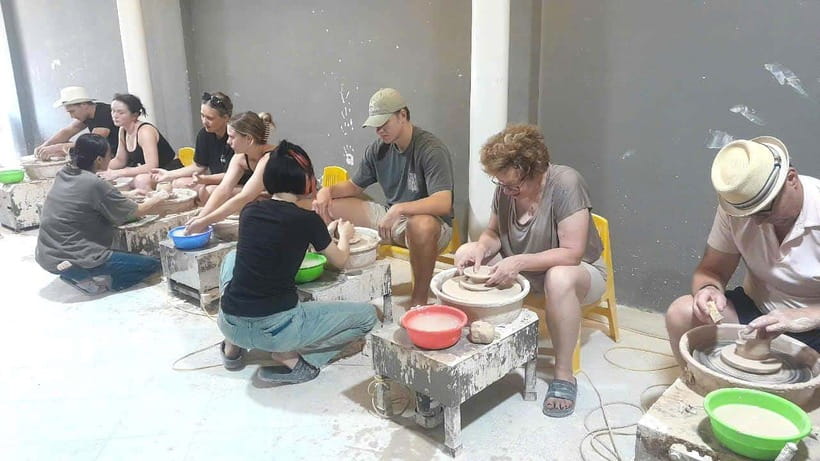
The class runs for 3 hours, with two start options: 8:30–11:30 or 14:00–17:00. When you arrive, you’ll get materials and instructor guidance, and then you’ll move to the wheel as the main activity.
You should expect a loop like this:
1) Learn the basic hand positions and wheel timing
2) Try forming different items on the electric wheel
3) Get coaching when something wobbles, collapses, or looks a bit off
4) Continue practicing until you like your results
The experience is designed so that even if you’ve never touched clay before, you still leave with usable pieces to choose from. In real teaching moments, instructors often help you understand why certain moves keep the piece structurally stable, not just what to copy.
Picking shapes, colors, and that one free souvenir piece
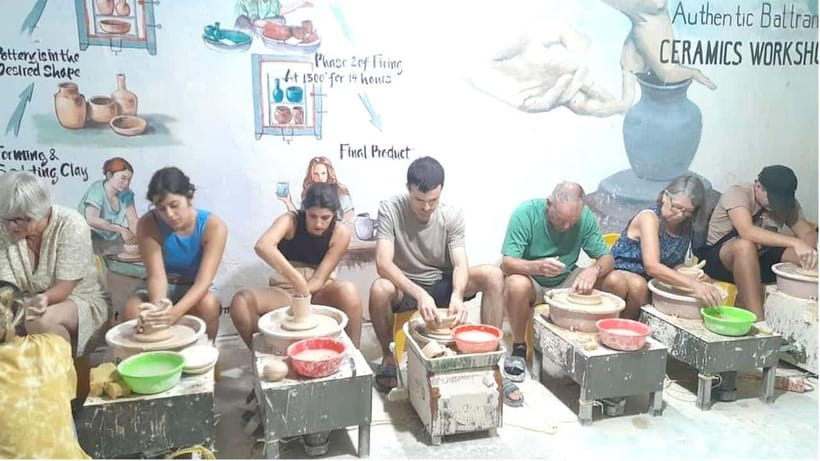
During your session, you’ll be able to make more than one item. The class is set up so there is no stated limit on how many pieces you can try and shape while you’re working.
Here’s the practical part: the class includes 1 free product to take through glazing and firing. During the session, you also select colors for the pieces you want finished. That “choose one” moment is where you start thinking like a potter. Do you want a bowl shape that feels safe and sturdy, or something that’s more delicate-looking but riskier?
If you make several pieces, you get a second benefit that’s easy to overlook: you learn faster. Your next attempt improves because you can see what went wrong the first time.
Beginner success tips: how to make the wheel work for you
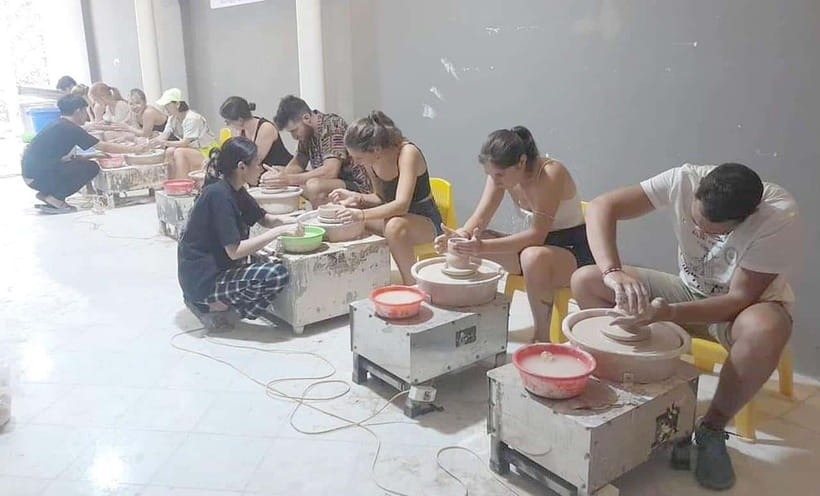
The electric wheel is a big deal here. It keeps speed steadier than many beginner setups, which helps you focus on hand placement and form instead of fighting the mechanics.
A few things to keep in mind while you throw:
- Keep your hands controlled. Quick, tense movements tend to create uneven walls.
- If you mess up, don’t treat it as a failure. The workshop atmosphere is built for fixing and reworking.
- Plan for cleanup. Clay can get on you, your clothes, and your confidence. That’s normal.
One important reality check: pottery can shrink about 20% after baking. So if you’re aiming for a specific size, think slightly larger than you want the final piece to be. That one detail can save you from an oddly small “dinner plate” outcome that becomes a “cute side plate” instead.
Firing and glazing timing: plan for 2–3 days, not same-day magic
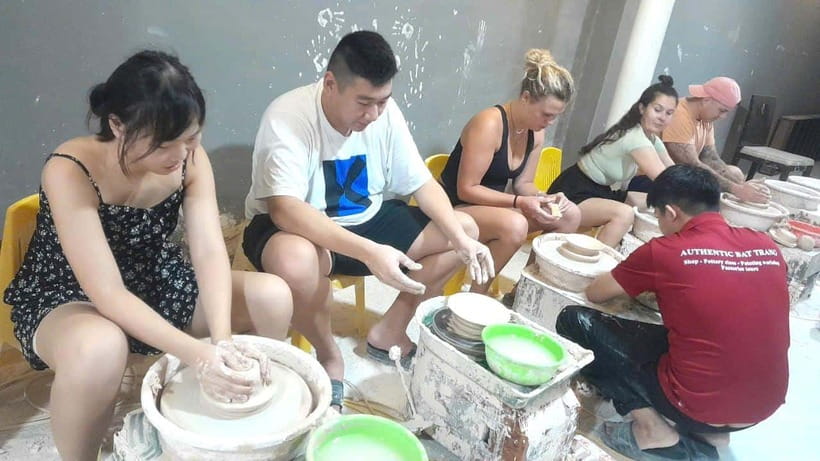
Your finished, glazed pieces are not instant. The process requires 2–3 days for firing and glazing. The studio also uses a cooling room with a fan, because hot ceramics and quick handling don’t mix.
This is where your travel timing matters most. If you book the class near the start of your Hanoi stay, you’re far more likely to pick everything up without stress.
Holiday schedules can affect firing. During TET (Lunar New Year) there can be delays, and the studio may adjust the plan to keep you satisfied. The key takeaway for you: build in some buffer days if possible.






If you can’t wait 2–3 days
If you don’t have time for the full firing cycle, there are options:
- They can fire with white glaze only in 1–2 days
- They may offer free items in the shop as an alternative solution
- They can ship your items later (shipping fee is not included)
So if your departure is close, ask early about what shortcut can work for you.
Take-home reality: luggage, weight, and shipping your pieces
This is one of those experiences that’s “easy to do” and “harder to pack.” Pottery is bulky and heavy compared with flat souvenirs. If you’re moving on to another city, you’ll need a luggage strategy.
A few practical ways to handle it:
- Pick a shape that’s stable and protected. Heavier, thicker pieces tend to pack more safely than very thin items.
- Keep enough space. Even one fired piece can take up a lot of volume once it’s wrapped.
- If you’re leaving fast, ask about shipping sooner rather than after you’re done making decisions.
Also, plan how you’ll store your chosen pieces between making and pickup. They’ll be fired and glazed on the studio timeline, so your job is mainly to choose wisely during the class and then return at the right time.
Price and value at about $33: what you’re really paying for
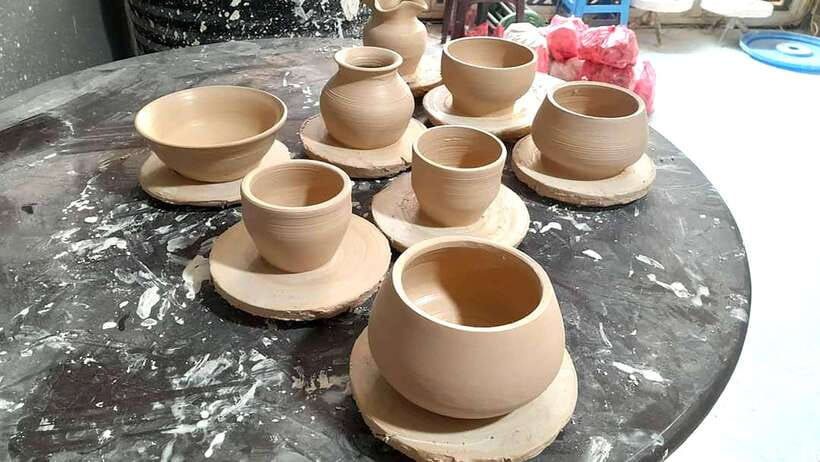
At $33 per person for a 3-hour class, the value isn’t just the souvenir. It’s the instruction time and the materials, plus the chance to practice on equipment that helps beginners succeed.
What’s included:
- Electric wheel and materials
- English/Vietnamese speaking instructor
- You can make multiple pieces during the session
- 1 free piece to glaze and fire and then take home
If you want more than one finished piece, there is an added fee. One participant noted that extra firing and glazing can be around $5 per extra piece, while other comments describe paying a small extra amount per additional item. The price structure basically gives you a sweet deal: make lots during the lesson, but only pay to finish the extra ones you truly love.
So the smart budgeting move is: come with the mindset that you’ll make many tries, then spend extra only if you have clear favorites.
Group size and attention: will you get help?
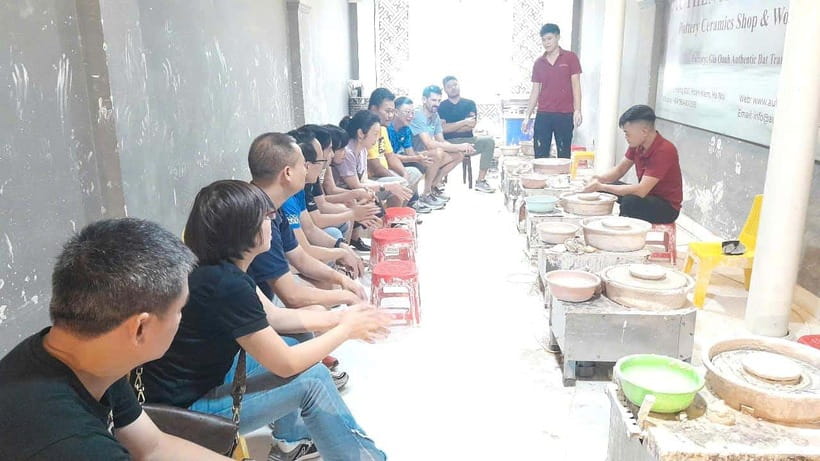
The class can run with a small-to-medium group. Some schedules feel calmer, while others can include around a dozen people, and the studio may add an extra instructor when the group is larger so everyone still gets guidance.
That attention matters because throwing clay isn’t just art. It’s feedback in the moment:
- Hand position adjustments
- Fixing uneven walls
- Helping you keep the piece from collapsing
- Guiding your next attempt when you’re close to the finish line
If you’re coming with a child, couples, or friends, this setup is a good fit because the instruction can still stay personal even when the room has multiple learners.
Who should book this Bat Trang pottery class in Hanoi
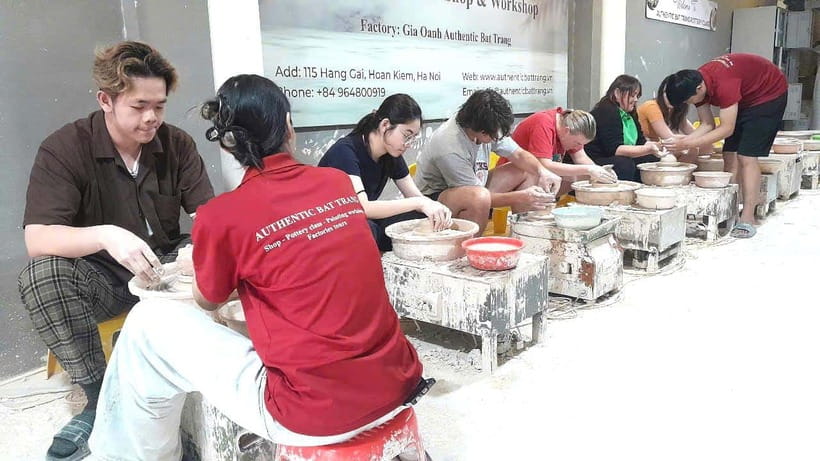
This class is a strong choice if you want a break from the usual Old Quarter routine. It’s also a great rainy-day plan because you’re indoors, hands-on, and busy for three hours.
It’s especially good for:
- Beginners who want real guidance, not a “good luck” workshop
- People who like tangible souvenirs they can actually use
- Couples or friends who want a shared activity with teachable moments
If you hate waiting for delayed results, though, you need to plan carefully. Since firing and glazing take 2–3 days, your schedule needs to match the craft timeline.
Also consider comfort. One comment mentioned chairs can feel small for a few people, so if you’re sensitive to seating, arrive ready for a long session sitting at the wheel.
Final verdict: should you book this Bat Trang pottery class?
Yes, if you can spare 2–3 days in your Hanoi plan or you’re willing to choose white-glaze or shipping options. This is one of the more “real” souvenir experiences because you’re not just picking something up from a shelf. You’re learning the mechanics and making the object with your own hands.
I’d book it early in your trip so you’re not stuck making decisions while time is running out. And I’d go with a simple strategy: make lots during the class, then pick the one piece you genuinely want finished. The whole experience is built to reward that approach.
FAQ
Where is the class located in Hanoi?
It’s at 115 Hàng Gai, Hoàn Kiếm, Hanoi, right in the Old Quarter area.
How long is the pottery class?
The class runs for 3 hours.
What start times are available?
There are morning and afternoon options: 8:30–11:30 and 14:00–17:00.
Do I need prior pottery experience?
No. The instruction is step-by-step, and the electric wheel makes it easier for first-timers.
Can I make more than one pottery piece during the class?
Yes. You can make as many pieces and designs as you want during the 3 hours.
Is the firing and glazing included?
One product is included to be glazed and fired, but firing and glazing take 2–3 days.
What if I don’t have 2–3 days to wait?
If you can’t wait, the studio can fire with white glaze in 1–2 days. They may also offer free things in the shop, or ship your items later (shipping fee is not included).