REVIEW · HIKING & TREKKING
From Sapa: Fansipang Mountain Hike 1 Day
Book on GetYourGuide →Operated by Sapa Local Trekking & Home · Bookable on GetYourGuide
Fanxipan is a big day, done right. You get an English-speaking local guide, a forest route that climbs in stages, and a real summit finish at 3,143m with a medal and certificate to prove it. I like how the trek mixes cool air, changing scenery, and a guided plan from warm-up to summit. The main drawback is simple: it’s cold, steep, and your return costs can grow if you choose the cable car since tickets aren’t included.
A one-day route means you’ll move fast. The early start from Sapa around 5:30am gets you on the trail while the weather is more cooperative, and lunch at about 2,800m breaks up the effort. Just be ready for the last stretch of steps and altitude—this isn’t a casual walk, and it’s not built for everyone.
In This Review
- Key Highlights That Matter
- First Light in Sapa: Pickup, Warm-Up, and Tram Tom Pass
- Bamboo Forests, Ancient Flowers, and Cardamom: What the Middle of the Hike Feels Like
- The Real Test: Climbing From 2,400m Toward 2,800m
- Lunch at 2,800m and the Summit Push: A Break That’s Actually Strategic
- Summit Finish: Medal, Certificate, and the Short Window for Top Views
- Heading Back: Same-Road Descent vs Cable Car (Tickets Extra)
- Price and Value: Is $74 a Good Deal for a 1-Day Summit?
- Who Should Book (and Who Should Skip)?
- What to Pack for Fanxipan One Day
- Little Details That Make the Day Better
- Should You Book This 1-Day Fansipan Hike?
- FAQ
- How long is the Fansipan hike in one day?
- Where does the hike start?
- What’s included in the price?
- Is the cable car included for the return?
- Do you get an English-speaking guide?
- What should I bring for this hike?
- Is this tour suitable for kids or people with health issues?
- What’s the cancellation policy?
Key Highlights That Matter
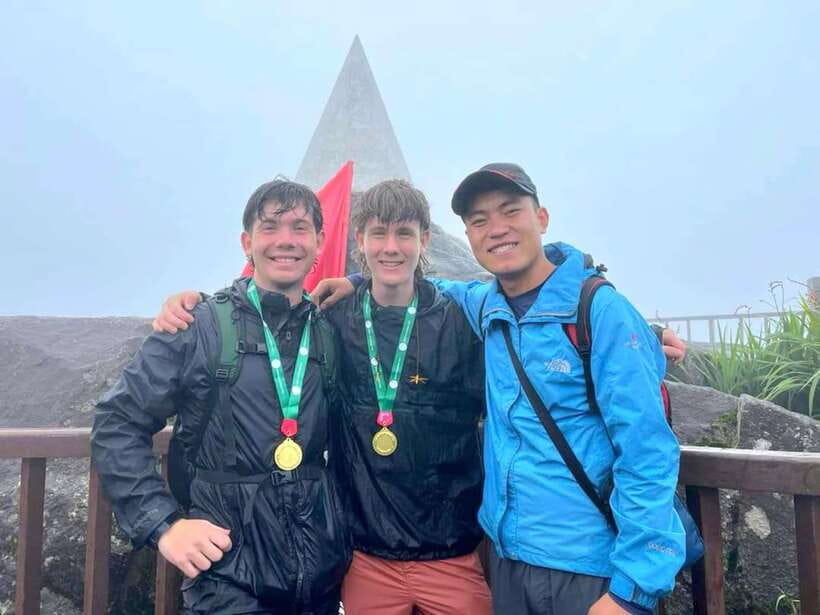
- Summit to 3,143m: You’re walking to Vietnam’s highest point in a structured, one-day format.
- Forest trail variety: Bamboo, rhododendron, and cardamom forests show up in sequence so the day stays interesting.
- Lunch at altitude (around 2,800m): A planned pause with food before the summit push.
- Challenge keepsake: Medal and a certificate with your name after reaching the top.
- Return options: Walk back the same way, or take the cable car (tickets extra).
- English guide support: Warm-up and trail guidance help you pace the climbs.
First Light in Sapa: Pickup, Warm-Up, and Tram Tom Pass
The day starts early in Sapa—expect pickup around 5:30am. You’ll ride out to the trailhead at Tram Tom pass (about 1,900m). Getting that early start matters here. Higher elevations cool down fast, and the later you go, the more likely weather can mess with visibility on the summit.
Once you arrive, your guide leads basic warm-up exercises. It may feel like a short formality, but it’s practical: your body isn’t used to climbing at altitude, and your legs will be doing a lot of work soon. The tour is also timed so you begin with a section described as relatively easier, which helps you settle into the rhythm rather than sprinting uphill right away.
One practical note: you’re moving through changing terrain, and the route includes stairs/step-like sections on steeper climbs. Comfortable shoes aren’t optional. If your footwear is wrong, the day turns into a foot problem instead of a mountain day.
You can also read our reviews of more hiking tours in Sa Pa
Bamboo Forests, Ancient Flowers, and Cardamom: What the Middle of the Hike Feels Like
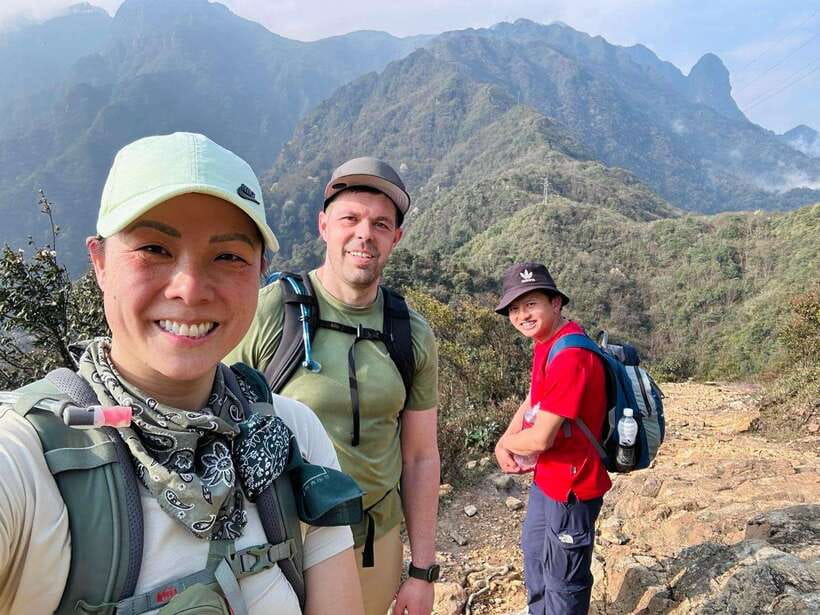
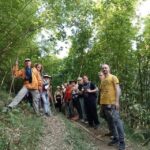
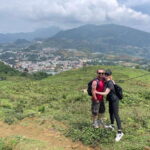
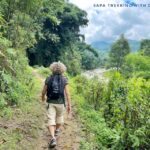
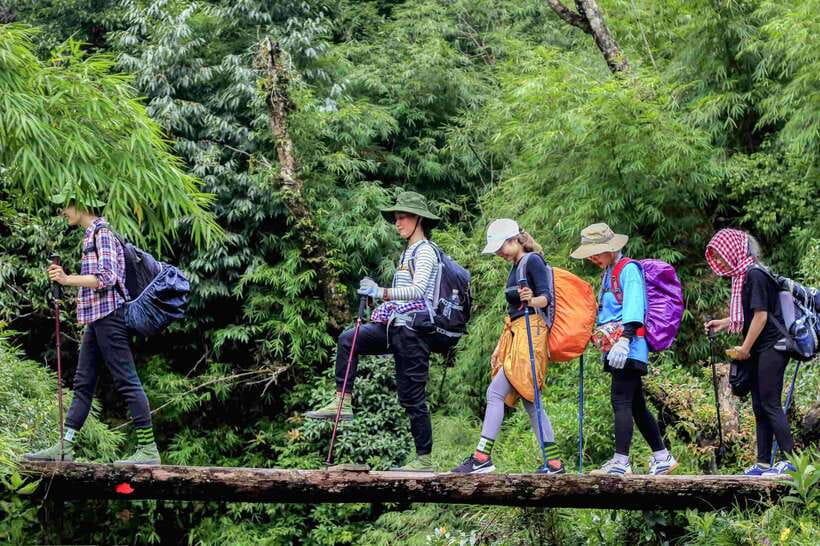
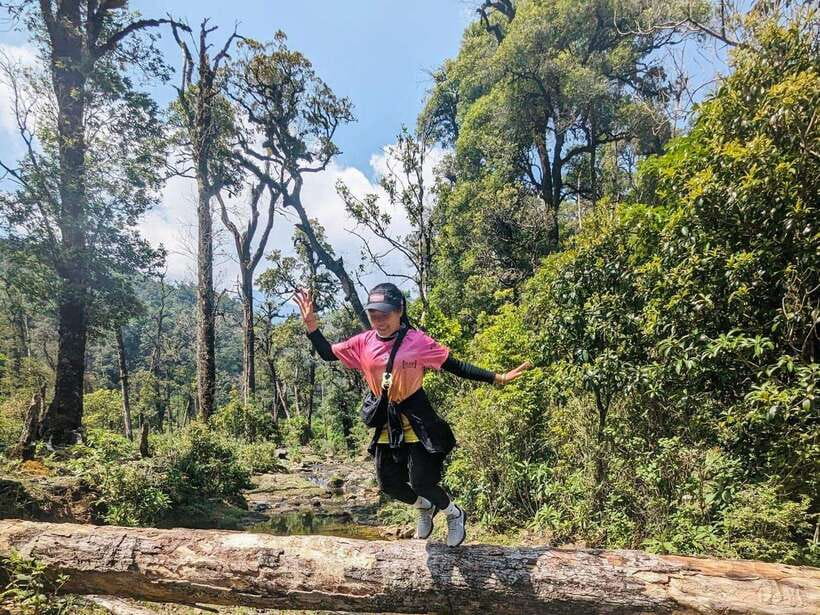
From 1,900m up to about 2,400m, the hike is described as the more manageable part of the route. This is where the scenery earns its keep. You’ll trek through bamboo forests, an “ancient flower forest,” and cardamom forest areas tied to local life. You’ll also pass romantic stream sections along the way—small breaks in the soundscape that make the hike feel less monotonous.
What I like about this portion is the pacing. The guide’s job isn’t just pointing the way; it’s giving you context about the forest and the animals living there, plus pacing reminders as you move upward. On a mountain like Fanxipan, it’s easy to blow your energy early. This stage helps you avoid that mistake.
One thing that can surprise you: the route is still climbing. “Easier” here doesn’t mean flat. It means the grade is less punishing and you have time to adjust your breathing. If you start too fast anyway, the altitude will still collect its payment later.
The Real Test: Climbing From 2,400m Toward 2,800m
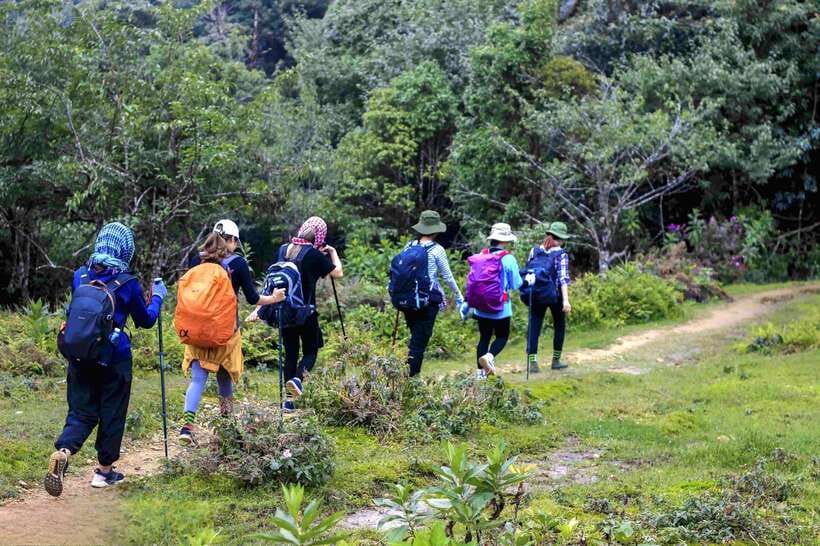
At 2,400m, the day changes. The climb up toward 2,800m becomes the challenge phase, with the route almost always going upward. This is the part many people remember most because it’s relentless: lots of steps, cold air at higher altitude (especially in winter), and a steady uphill push.
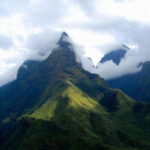
The description of the trail is vivid: you can feel like you’re walking along a dinosaur spine, with a rhododendron forest and forget-me-not type flowers waiting ahead. Even if you’re focused on your footing, the landscape keeps showing new layers—colors, tree density, and mist coming and going.
From a practical perspective, this is where you’ll feel how well you packed and how well you paced:
- Warm clothing matters more than you think at these heights.
- Water matters because your body burns energy faster when you’re working uphill and higher.
- Your mindset matters: this climb is a “step-by-step” kind of effort.
If you’re the type who needs frequent stops to reset, plan on them—just don’t let the breaks turn into a second lunch before lunch. Save the big rest for the 2,800m pause.
Lunch at 2,800m and the Summit Push: A Break That’s Actually Strategic
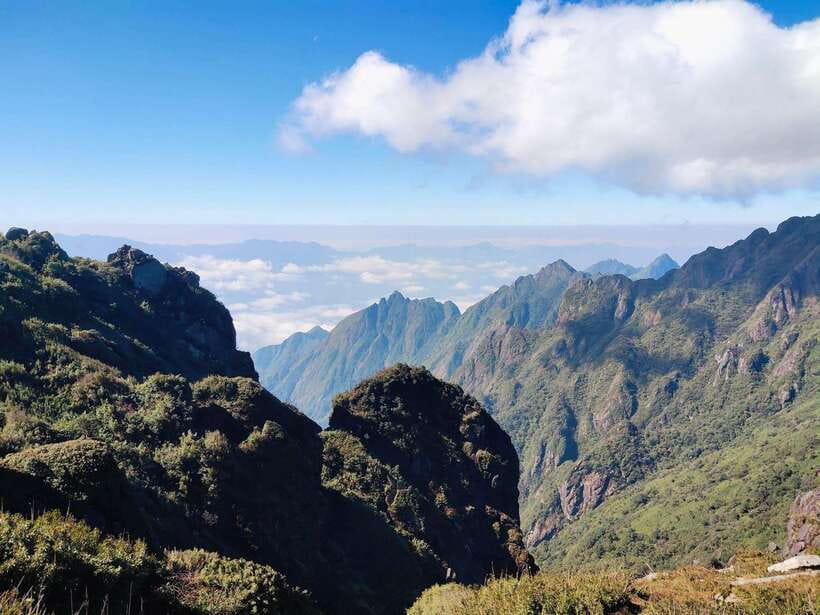
At around 2,800m, the itinerary includes a stop for food and rest. It’s also an important staging point: hikers doing a 2 days/1 night plan would spend the night here, but the 1-day route stops, eats, relaxes, and then continues to the summit.
This is a smart design. You’re at a high altitude already, so eating and resetting before the final ascent helps your chances of enjoying the top instead of just surviving it. Your guide prepares food here, and you’ll have time for pictures and a breather before continuing on trails through bamboo and rhododendron forests toward the summit.
Guides can vary, but this is one part of the experience where you’ll feel the value of going with a local. They understand how to read the pace of the group and how to keep you moving without forcing everyone into an all-out effort.
Then comes the final push. Reaching the summit is the moment you’ve been building toward: you’ll have conquered Vietnam’s highest peak, and you’ll get a gift right after, not after a long confusing delay.
Summit Finish: Medal, Certificate, and the Short Window for Top Views
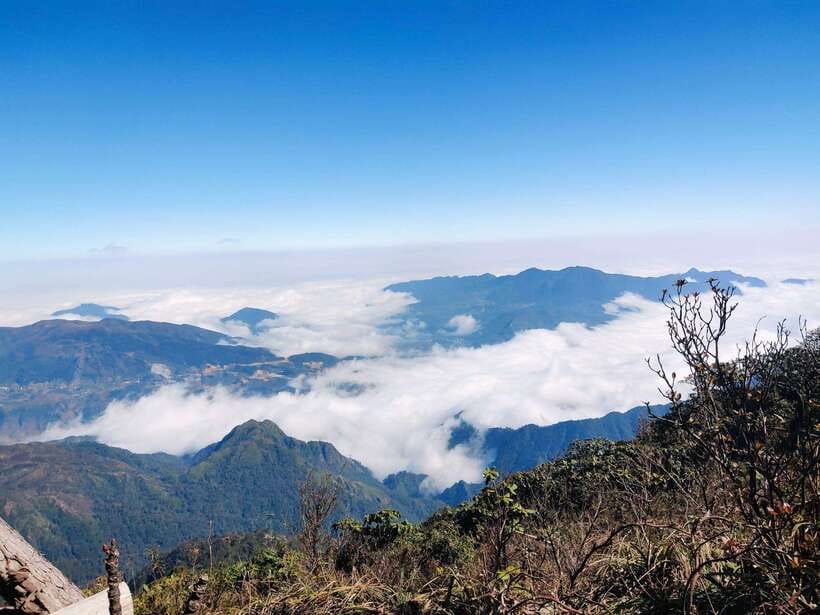
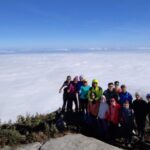
Reaching the top of Fansipang/Fansipan (3,143m) is the headline. After the summit, you’ll have a short time to look around and take photos for memories before heading back down.
The “short time” matters because summit weather can change quickly. Your best move is to be ready the moment you get there: camera accessible, layers adjusted, and enough patience to let the view come into focus if fog rolls in.
The keepsake is a real plus. You receive a medal and certificate with your name after completing the Fansipan challenge. It’s the kind of souvenir that feels earned because you actually did the work.
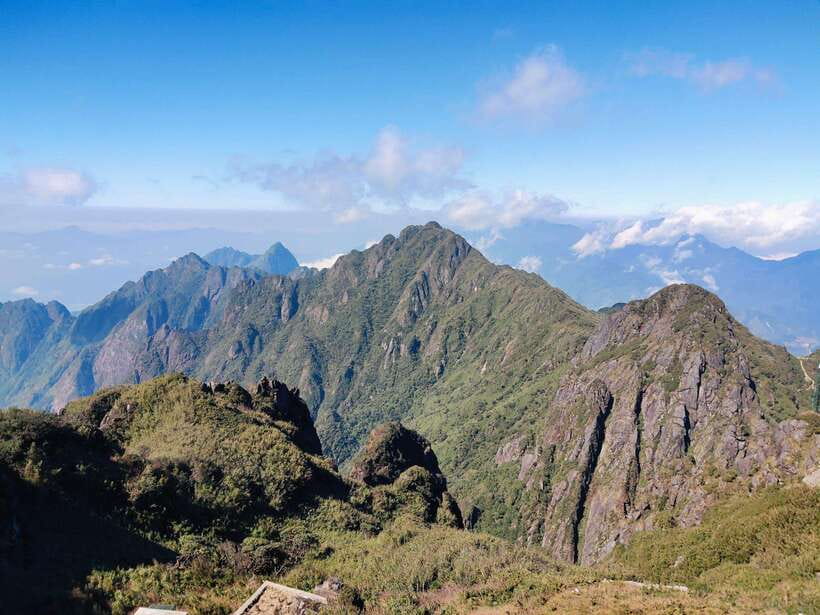
If the weather is clear, the views can be breathtaking—high ridgelines, a sense of scale that makes the hike feel bigger than the hours on the clock. If clouds sit low, don’t assume the day is wasted. Even partial visibility still shows how the forest thins and the mountain structure takes over.
You can also read our reviews of more tours and experiences in Sa Pa
Heading Back: Same-Road Descent vs Cable Car (Tickets Extra)
After the summit, you return to Sapa. Here you get two options:
- Walk back the same route with your guide.
- Use the cable car down from the top area to the station near Sapa town, and then your transport picks you up.
Cable car tickets are not included in the price. That’s the big wallet detail for this option. Also, depending on how your legs feel at the end of the summit day, the cable car might stop being a choice and start being a necessity. One common complaint is that cable car return can feel close to mandatory because the descent is tough after a long hike. So if you’re considering it, think through the cost and how you’ll want to spend your energy.
If you choose to hike down, remember: going down can hurt more than going up. Knees and calves take a beating. Trekking poles (if you have them) can help your balance on step sections, but even without poles, slow foot placement and short steps make a difference.
Price and Value: Is $74 a Good Deal for a 1-Day Summit?
The price is $74 per person, and the tour lists an 8-hour duration (starting times vary). Included are pickup and drop-off in Sapa, an experienced local guide, lunch, and the medal/certificate.
That mix is what makes the value feel fair for many people:
- You’re not organizing transport to the trailhead or arranging a guide.
- Your lunch is handled at altitude.
- You get a tangible completion reward.
The watch-out is the extra cost of cable car tickets if you want the easier return. Also, the hike itself is physically demanding, so you should treat the “expensive” feeling as a signal to decide what you’re paying for: convenience, guidance, and a planned route—not just scenery.
If your plan is to walk both ways and you’re fit, you’re getting a lot for the money. If you know you’ll want the cable car, factor that ticket cost early so the final bill doesn’t surprise you.
Who Should Book (and Who Should Skip)?
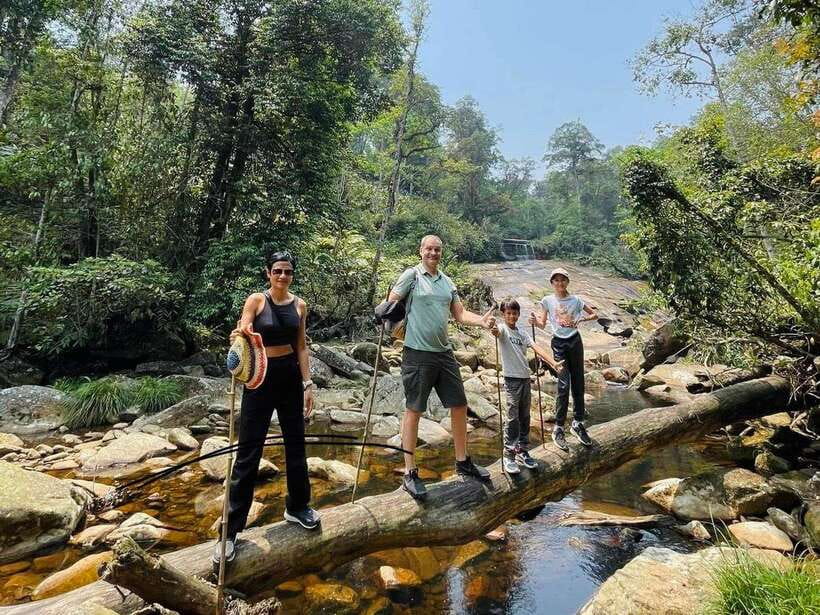
This isn’t a great fit for everyone. The tour is not suitable for:
- children under 12
- pregnant women
- people with back problems
- people with heart problems
- people with respiratory issues
That list tells you the real story: the climb and altitude demands are serious enough that risk management matters.
It’s a strong fit for you if you:
- can handle uphill days with steps
- can dress for cold weather and changing conditions
- like guided trekking with explanations about the forests and wildlife
- want a structured “one-day summit achievement” with a keepsake
From the feedback, the parts people talk about most are the last stretch and the summit views. That suggests the route delivers a payoff, but only if you’re ready for the harder portion.
What to Pack for Fanxipan One Day
The tour’s packing list is solid. Bring:
- comfortable shoes
- warm clothing
- hat
- camera
- sunscreen
- water
- trekking gear
A few practical upgrades I’d consider:
- Bring layers you can remove and re-add fast. Mornings can feel different than midday at higher elevation.
- Have a plan for keeping your hands workable if it’s cold—warm layers help, even if you don’t feel chilly at the start.
- Keep snacks for energy. The tour suggests you stay hydrated and bring enough snacks, which makes sense for a day-long climb.
Also remember the simple rules: respect local customs and wildlife, and keep photography mindful of the environment.
Little Details That Make the Day Better
These hikes succeed or fail on small logistics and guide style. The tour is English-language, and the guide leads warm-up and provides information along the trail. Some guide names come up—Cho is mentioned for kindness, and Lucas for standout energy and views that helped people enjoy the summit moment. You can’t control who you get, but you can control how you respond: listen to instructions early, pace yourself on the climb to 2,800m, and save your best effort for the top.
Should You Book This 1-Day Fansipan Hike?
Book it if you want a real mountain challenge in one day, with a guided route through bamboo, cardamom, and rhododendron areas, lunch planned at 2,800m, and a summit finish with a medal and certificate. It’s a strong pick for active travelers who like structure and don’t mind steep steps.
Skip it if you’re looking for a casual stroll, if you’re sensitive to cold, or if altitude and climbing aren’t a good match for your body. And if you want the cable car for the return, budget for it upfront since it’s not included.
If you can handle the steps, dress warm, and pace the hardest climb, this one-day Fanxipan experience delivers the kind of summit story that actually feels earned.
FAQ
How long is the Fansipan hike in one day?
The tour duration is listed as 8 hours. Check availability for starting times since they can vary.
Where does the hike start?
You’re picked up in Sapa and taken to Tram Tom pass at about 1,900m where the trek begins.
What’s included in the price?
Included: pickup and drop-off at Sapa, an experienced local guide, lunch, and a medal and certificate upon completion.
Is the cable car included for the return?
No. The tour offers a return by walking the same road or by cable car, but cable car tickets are not included.
Do you get an English-speaking guide?
Yes, the tour includes a live tour guide in English.
What should I bring for this hike?
Bring comfortable shoes, warm clothing, a hat, camera, sunscreen, water, and trekking gear. The trek also requires you to be ready for changing weather.
Is this tour suitable for kids or people with health issues?
It’s not suitable for children under 12, and it’s also not suitable for pregnant women or people with back, heart, or respiratory problems.
What’s the cancellation policy?
You can cancel up to 24 hours in advance for a full refund. The tour also mentions a free cancellation option and the ability to reserve now and pay later.