REVIEW · CITY TOURS
Hanoi Full-Day City Tour: Mausoleum, Temple, Pagoda & Lunch
Book on Viator →Operated by WONDERFUL VIETNAM · Bookable on Viator
Hanoi can feel big and busy fast, so I like tours that give you structure. This full-day route hits major landmarks in a smart order, starting with Tran Quoc Pagoda on West Lake and ending with Hoa Lo Prison (the so-called Hanoi Hilton). It also keeps the day practical with an English-speaking guide and a lunch that’s actually part of the experience, not an afterthought.
Two things I really like: you get history and culture back-to-back (pagodas, museums, and education), and the guide component matters here. In the reviews, Mr. Bao is singled out for being energetic, caring, and genuinely helpful with history and daily-life context, so you’re not just looking at sights—you’re understanding what they meant to people in Hanoi.
One consideration: the day includes walking and some stairs, plus a strict dress code for Ho Chi Minh Mausoleum and temples (no shorts, mini-skirts, or sleeveless shirts). If you’re sensitive to that—or you’d rather move at a slower pace—this might feel a bit packed.
In This Review
- Key highlights that make this Hanoi day work
- How the day is paced (and why that matters)
- Morning start: Tran Quoc Pagoda on West Lake
- Ho Chi Minh Mausoleum zone: what you should know before you go
- Vietnam Museum of Ethnology: culture you can see and walk through
- Temple of Literature: Vietnam’s old learning scene
- Hoa Lo Prison: the Hanoi Hilton and its complicated story
- Lunch: eight dishes that make the day feel complete
- Guide quality is the real differentiator
- Price and value: is $38 a fair deal?
- Weather, timing, and what to pack
- Who this tour fits best
- Should you book this Hanoi Full-Day City Tour?
- FAQ
- What does the Hanoi tour cost?
- How long is the tour?
- What time does the tour start and where do we meet?
- Is pickup included?
- What’s included in the price?
- Is lunch included, and what does it include?
- Are there dress code requirements?
- When is the Ho Chi Minh Mausoleum closed?
- Can I cancel for a full refund?
Key highlights that make this Hanoi day work
- A tight, logical sight order: West Lake pagoda, Ho Chi Minh area, then museums and learning sites, and finally Hoa Lo Prison
- Mr. Bao’s guiding style: energetic, friendly, and focused on culture and history (plus taking care of the group)
- Museum time you can actually absorb: the Vietnam Museum of Ethnology is built for real learning, not rushed photo stops
- Lunch with eight traditional dishes: a set meal that lets you taste more than one or two items
- All entrances handled: entrance fees are included, so you’re not hunting ticket booths all day
- Small-to-medium group: capped at 29 travelers, which usually means fewer bottlenecks than big buses
How the day is paced (and why that matters)
This is an about-8-hour, full-day guided circuit starting at 8:00 am. The pickup is at the Hanoi Opera House area (1 Tràng Tiền, Hoàn Kiếm), and you return back to the meeting point at the end. You’ll be on an air-conditioned vehicle between stops, which helps a lot if the weather is hot or rainy.
The pace is “moderate walking.” That’s not a couch-and-carry tour. You’ll be moving through courtyards, museum halls, and at least some stair climbs—especially around the Ho Chi Minh Mausoleum zone and the temple sites. If you know you tire quickly, you’ll want to wear supportive shoes and plan to slow down when you need to.
Group size is capped at 29. That matters because it often affects how long you wait at entrances and how easily your guide can keep an eye on everyone. With a guide like Mr. Bao, the day feels more like a conversation with someone who knows the city than a checklist.
You can also read our reviews of more city tours in Hanoi



Morning start: Tran Quoc Pagoda on West Lake
Your first stop is Chùa Tran Quoc, a Buddhist pagoda on West Lake. This isn’t just another temple photo-op. It’s described as the oldest Buddhist pagoda in Hanoi, and you can feel the “older Hanoi” mood the moment you arrive—calmer, slower, and rooted in a long rhythm of devotion.
The lakeside setting helps. Even if your weather is gray, West Lake gives the pagoda a natural frame. And because the focus is Buddhist tradition, you’re not getting only architecture—you’re also learning how local Buddhism shapes daily life and how people observe rituals there.
What to watch for: this stop is timed for about 45 minutes. That’s usually enough to take in the grounds and hear the basics from your guide, but it’s not enough if you want to linger for a long, quiet session of your own.
Ho Chi Minh Mausoleum zone: what you should know before you go
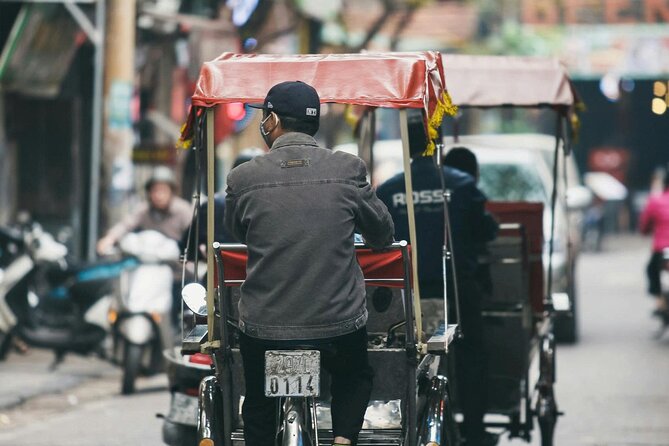
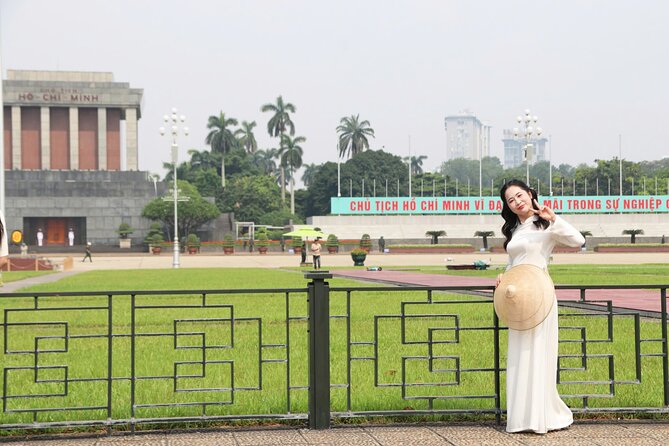
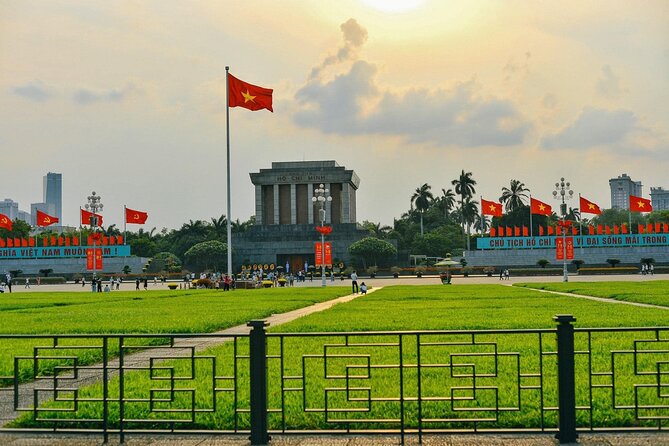
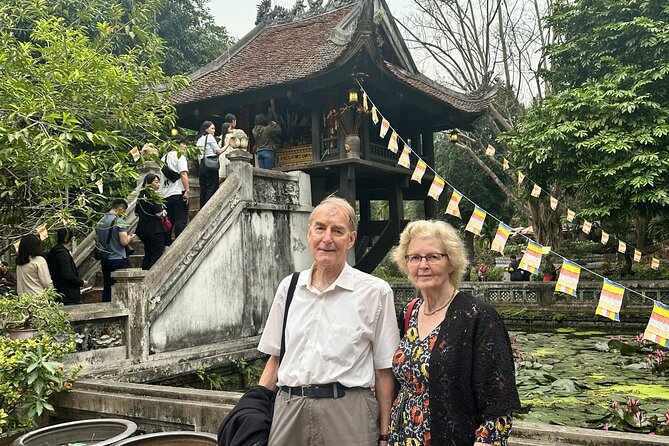
Next up is the Ho Chi Minh Mausoleum. This is a major anchor in any Hanoi history day, and the tour includes time not only at the mausoleum itself but also around Ba Đinh Square plus nearby landmarks like the Presidential Palace and One Pillar Pagoda.
Here’s the practical part you should plan around: dress code rules are strict. You need modest clothing for entry—no shorts, mini-skirts, or sleeveless shirts. If you don’t pack something suitable, you may end up stressed at the gate.
Timing also matters. The mausoleum is closed on Mondays and Fridays, and for maintenance in September and October. If it’s closed, the tour arranges alternative sites, so you won’t end up with dead time. Still, it’s smart to check your travel dates because the vibe of the area changes when you can’t enter the mausoleum.
What I like about this stop: it’s not treated like a quick “look and go.” You’re given enough time (about 2 hours) to take in the square, understand the setting, and connect the monuments to the broader story of Vietnam.
Vietnam Museum of Ethnology: culture you can see and walk through
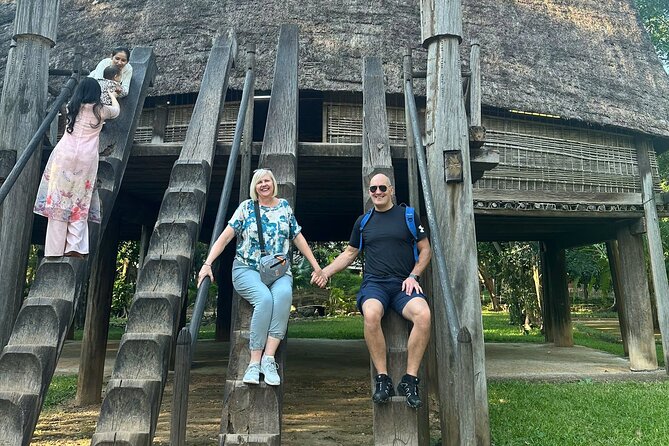
The Vietnam Museum of Ethnology is where the day gets more human-scale. Instead of only big political history, you shift into the culture of Vietnam’s 54 ethnic groups through artifacts, traditional costumes, and life-size house displays in the outdoor areas.
This stop is listed for about 2 hours, which is a good amount of time. Ethnology museums work best when you’re not rushed. You’ll likely spend time comparing displays and noticing how everyday items, clothing, and home design reflect different climates and traditions.
A key value here: your guide can help you connect what you’re seeing to real culture rather than leaving you with just names and dates. In a city where it’s easy to get lost in street noise, this museum gives you a calm, structured way to understand Vietnam’s variety.
Possible drawback: if you prefer very “outdoors only” touring, the museum portions may feel a bit more indoor and slower than you’d like.
Temple of Literature: Vietnam’s old learning scene
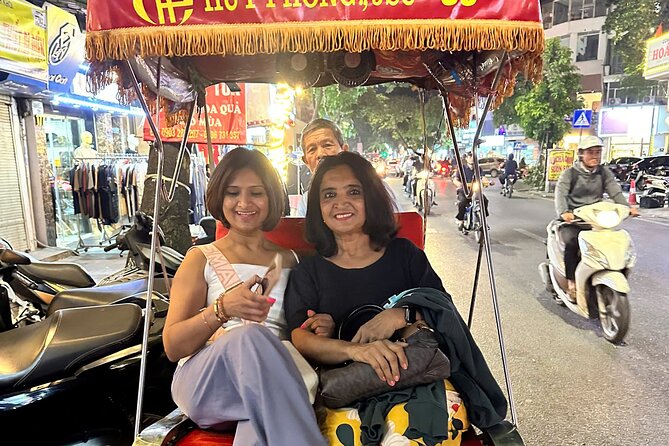
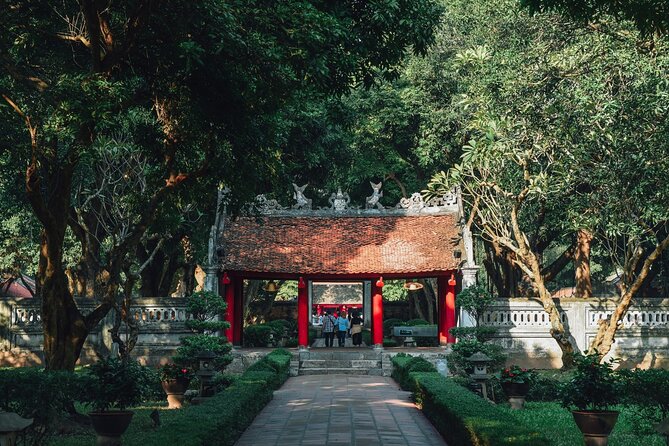
After the museum, you head to the Temple Of Literature, founded in 1070. It’s described as Vietnam’s first national university and tied to Confucius and scholars. This is one of those places where the setting matters as much as the facts—courtyards and study halls feel designed for reflection.
The tour spends about 1 hour here. That’s enough time for the main highlights and a guided explanation of why this site is still remembered as a symbol of learning and national pride.
What to watch for: because it’s a temple-related site, the same modest dress code expectations apply. Also, it’s an area where you may want to take your time around details, but you’ll be guided through it at a steady pace.
You can also read our reviews of more tours and experiences in Hanoi



Hoa Lo Prison: the Hanoi Hilton and its complicated story
Your final major stop is Hoa Lo Prison, known as the Hanoi Hilton. It was built by the French for political prisoners, and later used to hold American POWs during the Vietnam War. That means this site carries layered meaning—and it can feel heavy compared to the earlier pagodas and museums.
The tour includes about 1 hour here. That’s a responsible length for a site like this: long enough to see key parts and understand the historical context from your guide, but not so long that it turns into information overload.
Why this stop is worth it: Vietnam’s modern identity doesn’t come from monuments alone. It also comes from remembering conflict and how different powers used prisons and detention. Even if you don’t know every timeline detail, you’ll come away with a clearer sense of the place’s role across eras.
Emotional note (just a heads-up): it’s normal if you feel subdued here. Plan to be present rather than treating it like another photo stop.
Lunch: eight dishes that make the day feel complete
Lunch is included, and it’s described as a Vietnamese meal featuring eight traditional dishes. This is one of the strongest “value” points of the tour. For about $38, you’re not only paying for guide time and multiple admissions—you’re also getting a full meal that covers more than just one standard entrée.
Alcohol isn’t included, so if you like beer or wine with lunch, you’d need to budget for it separately. You also get a bottle of water as part of the inclusions, which helps in hot weather and keeps you from having to guess where to buy something quickly.
What I like about this setup: tours sometimes feed you too fast or too light. Here, the lunch is framed as part of the cultural experience, with multiple dishes to sample rather than a single safe choice.
Guide quality is the real differentiator
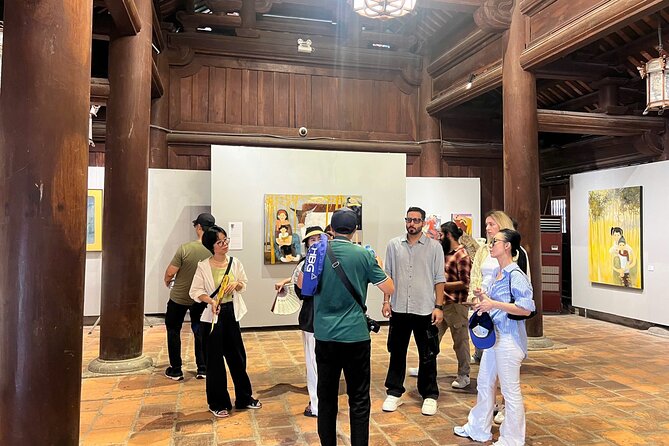
This tour is built around guided interpretation. The English-speaking guide is listed as having at least 5 years of experience, and the reviews put extra weight on one name: Mr. Bao. People describe him as super energetic and enthusiastic, with professional care for the group.
That shows up in the day design: you move through landmarks that are meaningful, but not always self-explanatory. A pagoda or a museum hall can be just rooms and objects—until a good guide connects them to how people live, worship, learn, and remember.
If you’re the kind of traveler who likes to understand what you’re looking at, this guide format will feel like the point of the day.
Price and value: is $38 a fair deal?
At $38 per person for an about-8-hour day, you’re paying for a bundled package: air-conditioned vehicle, entrance fees for multiple sites, a guide, water, and lunch. Entrance fees alone can add up across five major stops, and adding lunch means you’re not paying separate meal costs mid-tour.
The most “value” comes if:
- you want everything handled (tickets, order, timing),
- you’d rather not map public transport between distant stops,
- and you want an English guide to connect the story threads.
If you already know the city well, plan to visit just one or two big sights, and prefer self-guided wandering, you might find a cheaper standalone option. But for a first-time Hanoi day that covers a lot of ground, this price generally makes sense.
Weather, timing, and what to pack
The tour operates in all weather conditions. That’s useful, but it means you should plan for the reality of Hanoi weather—heat and humidity, or rain when it decides to show up.
Because the schedule runs all day, pack for comfort:
- modest clothes for mausoleum and temples
- closed-toe shoes for walking and stairs
- a light rain layer if rain is possible
- sun protection for earlier outdoor lakeside and museum grounds
The day runs from 8:00 am, so you’ll want breakfast before pickup or early enough that you’re not rushing.
Who this tour fits best
This works especially well if you:
- want a first-timer Hanoi overview with key sites,
- enjoy museums and historical context,
- prefer an English guide who can explain more than the basics,
- and like having lunch handled.
It’s less ideal if you:
- have mobility limitations that make stairs hard,
- strongly dislike structured schedules,
- or are traveling with very small kids where pacing and dress code requirements may be difficult.
Should you book this Hanoi Full-Day City Tour?
I think you should book it if you want one day that checks off the biggest Hanoi cultural and historical themes—pagodas, national learning, ethnology culture, and the sobering Hoa Lo Prison story—without having to coordinate transport and tickets yourself. The lunch with eight dishes and the inclusion of entrance fees add real “day value,” and the guide quality (with Mr. Bao highlighted in the feedback) is a strong reason to choose a guided format.
I’d skip or choose a different option if the dress code rules and moderate walking don’t fit your body style, or if you’re traveling mainly for a relaxed, wander-at-your-own-speed day.
If your goal is to get grounded in Hanoi fast, this is a solid, practical way to do it.
FAQ
What does the Hanoi tour cost?
The tour price is $38.00 per person.
How long is the tour?
The duration is about 8 hours.
What time does the tour start and where do we meet?
It starts at 8:00 am, with the meeting point at the Hanoi Opera House area (1 Tràng Tiền, Phan Chu Trinh, Hoàn Kiếm, Hà Nội). The tour ends back at the same meeting point.
Is pickup included?
Yes, pickup is offered.
What’s included in the price?
Included items are an air-conditioned vehicle, entrance fees, a bottle of water, a free digital camera, an English-speaking guide (at least 5 years of experience), and lunch.
Is lunch included, and what does it include?
Lunch is included and features eight traditional Vietnamese dishes. Alcohol is not included.
Are there dress code requirements?
Yes. You need a modest dress code for Ho Chi Minh Mausoleum and temples. No shorts, mini-skirts, or sleeveless shirts.
When is the Ho Chi Minh Mausoleum closed?
It’s closed on Mondays and Fridays, and for maintenance in September and October. Alternative sites are arranged if closure affects the schedule.
Can I cancel for a full refund?
Yes. You can cancel up to 24 hours in advance for a full refund. If you cancel less than 24 hours before the start time, the amount paid is not refunded.
You Might Also Enjoy



More City Tours in Hanoi



More Tours in Hanoi
- Ninh Binh Full-Day Tour from Hanoi to Hoa Lu, Tam Coc & Mua Cave Via Boat & Bike
★ 5.0 · 4,384 reviews