REVIEW · HIKING & TREKKING
Sapa: Epic 1-Day Trek to Fansipan Mountain Peak
Book on GetYourGuide →Operated by Chestnut Travel · Bookable on GetYourGuide
Fansipan is a long day. The summit of Indochina’s highest peak plus an English-speaking guide makes it feel doable, even when the trail gets steep. One catch: the included food may not be great, and rain can turn the start slick.
You’ll leave early from central Sapa (around 5:30 am) and come back by about 4:30 pm with a comfortable car waiting. This works well if you want serious mountain time without losing your whole trip to logistics.
The trek is not a casual walk. It takes real stamina, and it’s not suitable for kids under 15, pregnant women, or anyone with heart problems.
In This Review
- Key moments that make this 1-day Fansipan trek special
- Fansipan in one day: why this trek is worth the effort
- The early pickup and 5:30 am start from central Sapa
- Trek through primary forest: the climb you’ll remember
- Breakfast at 2,600m: fuel, altitude, and regroup time
- The push from the mid-mountain stop to the summit
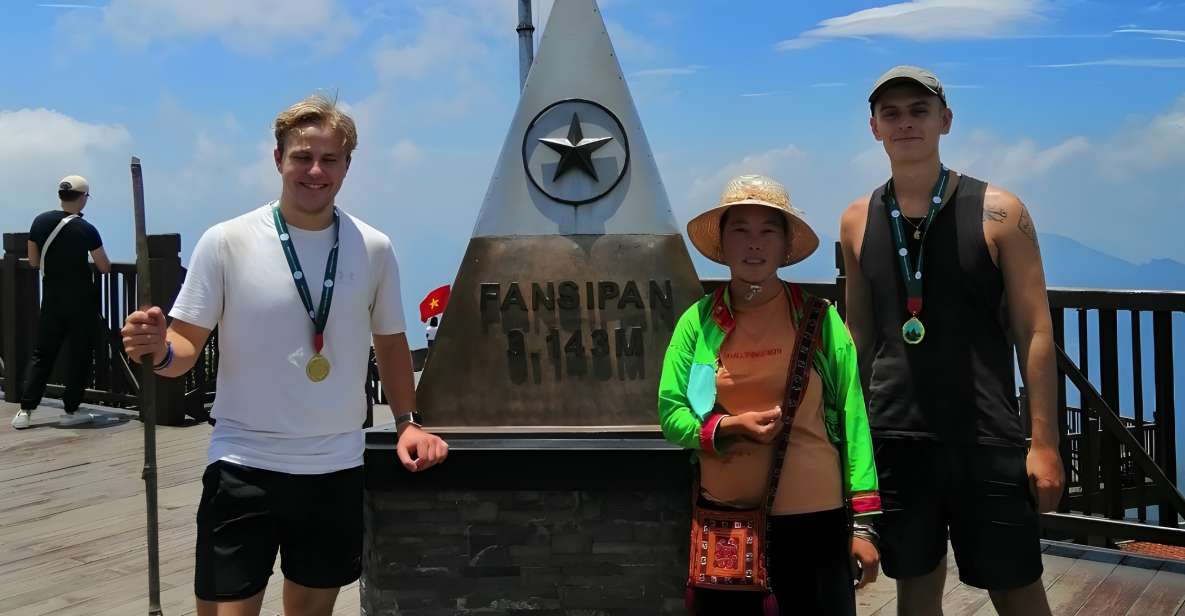
- Summit at noon: 3,143m views and lunch at the top
- The descent back to the base and return to Sapa
- Price and value: what $104 covers and what costs extra
- Who should book (and who should skip) this Fansipan summit day
- Practical tips that make the difference on summit day
- Should you book this 1-day Fansipan trek?
- FAQ
- What time does the trek start?
- Where do we meet in Sapa?
- What’s included in the price?
- Is the cable car ticket included?
- How long is the tour?
- How many people are in the group?
- Who shouldn’t do this trek?
- What about cancellation and refunds?
Key moments that make this 1-day Fansipan trek special
- 3,143m summit goal: Reach Fansipan’s peak, then enjoy panoramic views from the top.
- Breakfast stop at 2,600m: A needed break after the climb kicks your legs.
- Noon summit timing: You’ll hit the peak around noon and get time for lunch plus photos.
- Small group (up to 10): Easier pace control and more personal attention from your guide.
- Untouched primary forest trail: Tall pine stands and bamboo fields set the tone for the hike.
- Cable car is not included: If you’re counting backups, remember the cable car ticket costs extra.
Fansipan in one day: why this trek is worth the effort
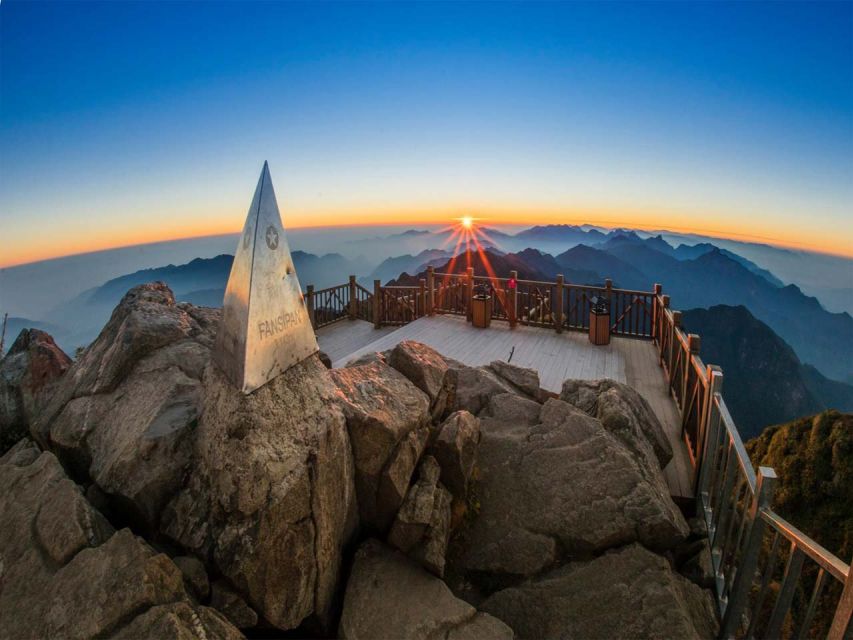
Fansipan is famous for a reason. Getting to 3,143m in a single push is the kind of challenge that turns a day in the mountains into a real accomplishment. You’re climbing through forest and bamboo areas, then you pop out into big sky and wide views at the top—exactly the payoff you hope for when you sign up for a peak trek.
What makes this option especially appealing is the structure. You’re not wandering around trying to guess your way uphill. You start with a group and a guide, then you follow the route up, stop for food at altitude, reach the summit around midday, and head back down the same way. That same-route descent is useful because it reduces decision-making when you’re tired.
The other big win is the “human scale” of the day. Small groups capped at 10 means the pace doesn’t feel like a slow-moving queue. It’s easier to ask questions, adjust your effort, and stay focused—important on a trail with steep sections and uneven ground.
You can also read our reviews of more hiking tours in Sa Pa
The early pickup and 5:30 am start from central Sapa
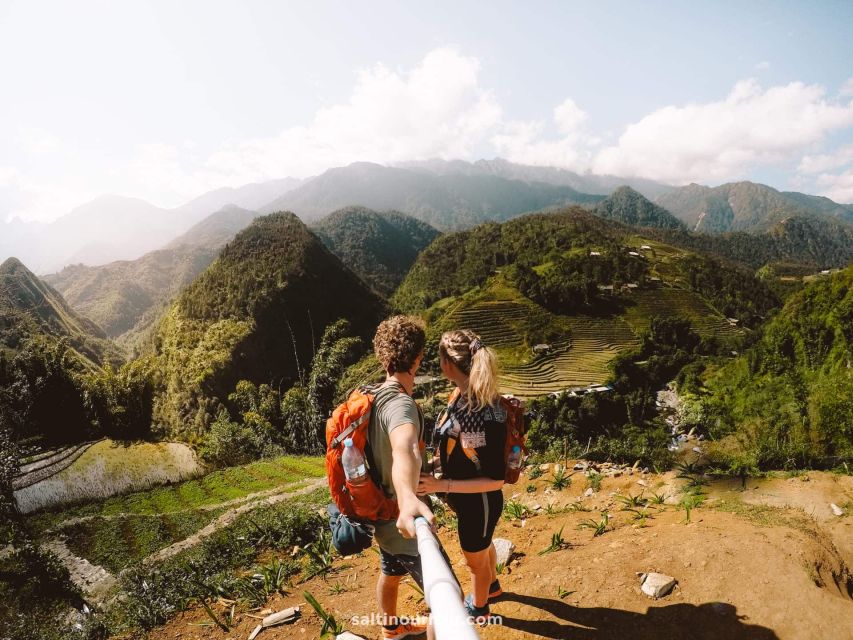
Your day begins in the center of Sapa. You’ll meet at the designated central meeting point, check in at the receptionist desk by giving your name, and then get briefed for the start of the trek. It’s a straightforward setup, which matters because you’re starting early.
Expect to leave around 5:30 am. That early start helps for two reasons. First, it gives you daylight for the climb and descent. Second, morning conditions can be better than the later fog or cloud build-up that sometimes happens in mountain areas. (And yes—rain can still happen. One of the strongest pieces of advice from experienced hikers is to prepare for all seasons.)
Small practical tip: if you’re sensitive to cold or sweat swings, plan your layers accordingly. You’re going to work hard uphill, then you’ll be standing around at higher elevation for breakfast and lunch.
Trek through primary forest: the climb you’ll remember
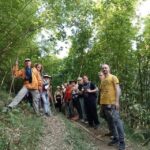
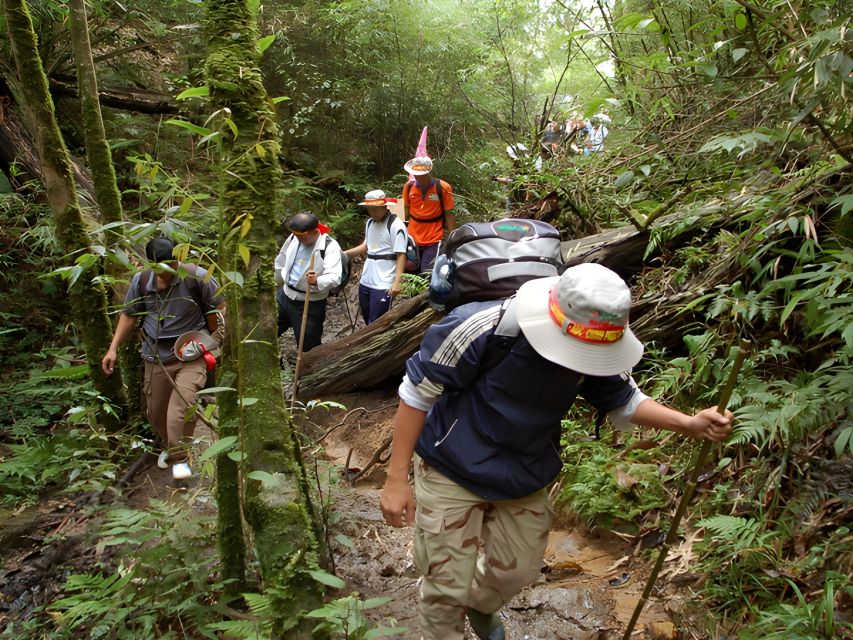
Once the trek starts, you’re heading into untouched primary forest. This isn’t a bland “path to the next stop” kind of hike. It’s a forest walk with real feel—centuries-old pine trees overhead and bamboo fields in the mix as you go.
That early section sets expectations for the rest of the day. The trail isn’t all dramatic rock scenery; it’s often steady climbing on uneven ground. The effort is constant enough that you’ll feel it in your calves and thighs, which is why pacing matters so much.
Here’s how to think about this part: you’re not just burning energy. You’re learning the rhythm of the trek. Go too fast and you’ll feel it before the mid-mountain break. Go too slow and you might arrive at the summit tired rather than fresh. A good guide helps you settle into a sustainable pace—one review praised how knowledgeable and helpful the guide was, which is exactly what you want on a mountain day.
Also, keep an eye on footing. One review mentioned rain during the early part of the trek, with poor conditions. That’s common enough on steep trails that you should treat the first hours like a “could be slippery” window.
Breakfast at 2,600m: fuel, altitude, and regroup time
The first major break comes after you gain elevation—specifically, a stop around 2,600 meters. You’ll take about 25 minutes to rest and eat breakfast.
This break is more than a snack moment. At this height, your body is already working harder. Food and a short rest give you time to catch your breath, steady your breathing, and mentally reset before the higher climb.
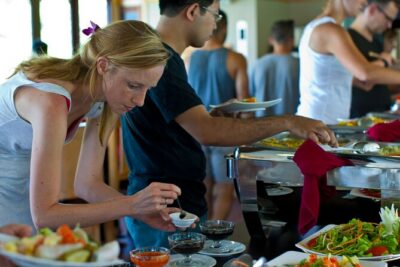
One caution from the review set: the food received a negative note—one person called it rubbish. That doesn’t mean the break is useless. It still gives you a scheduled pause and some fuel, but if you’re picky about meals, bring the mindset that this is “energy for the hike,” not a dining highlight.
If you tend to get hangry on steep climbs, you’ll be happier if you treat the breakfast stop like part of your hike plan, not like a guaranteed gourmet meal. Then you can focus on the trail instead of judging the taste.
The push from the mid-mountain stop to the summit
After breakfast, you continue uphill toward Fansipan’s peak. This is the section where “I can do it” becomes “okay, I’m doing it.” The trail asks for stamina and attention, especially as your body adjusts to altitude and steady gradient.
Your guide plays a big role here—not by carrying you, but by helping your group move safely and efficiently. Since this is a small group, you’re less likely to get lost in a crowd, and your guide can manage the pace around weather or tired legs.
What you’re aiming for is reaching the summit around noon. That timing matters because it shapes how your day feels. You’re not arriving at dusk, when visibility and conditions might be worse. You’re arriving in daylight with enough time left for lunch and photos.
You can also read our reviews of more tours and experiences in Sa Pa
Summit at noon: 3,143m views and lunch at the top
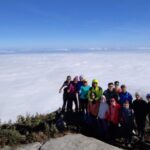
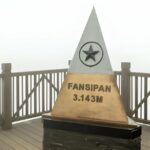
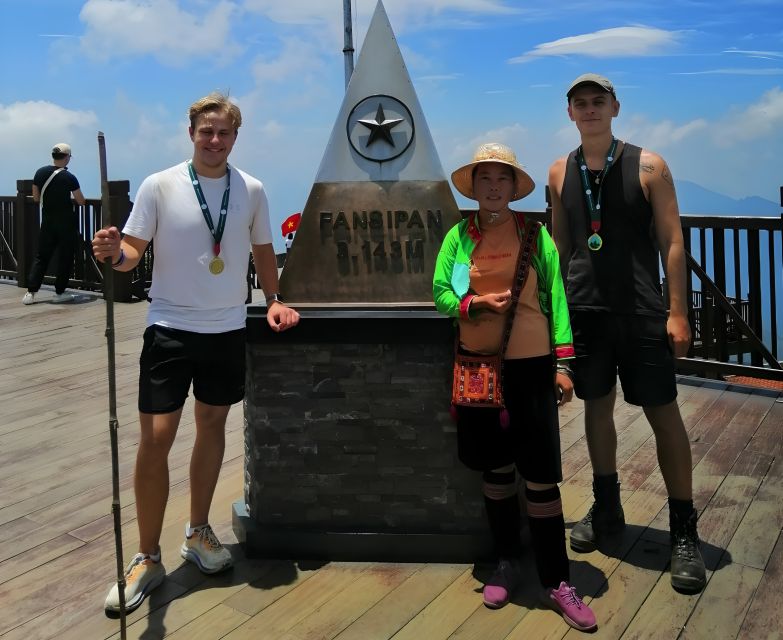
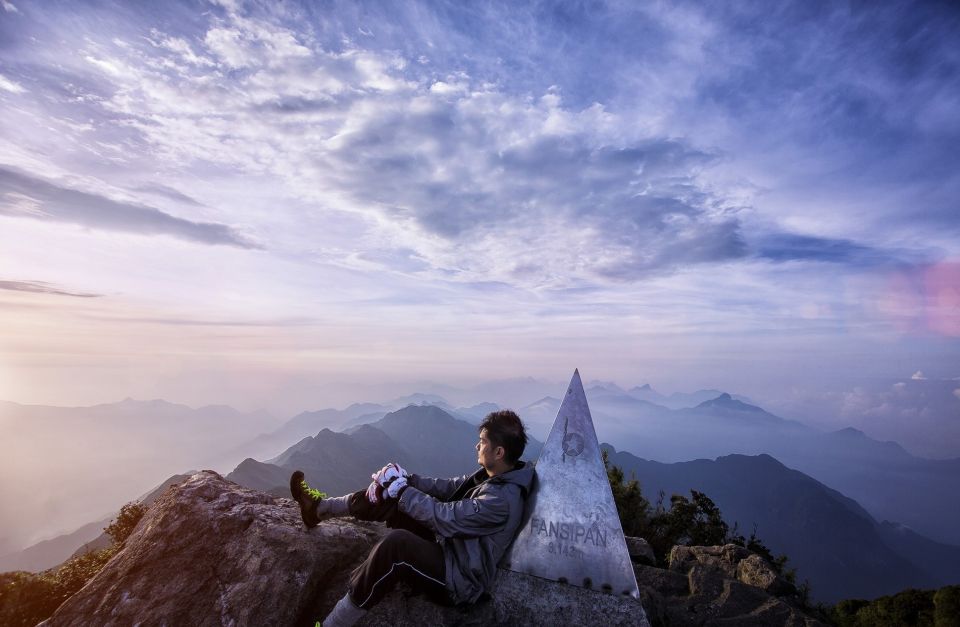
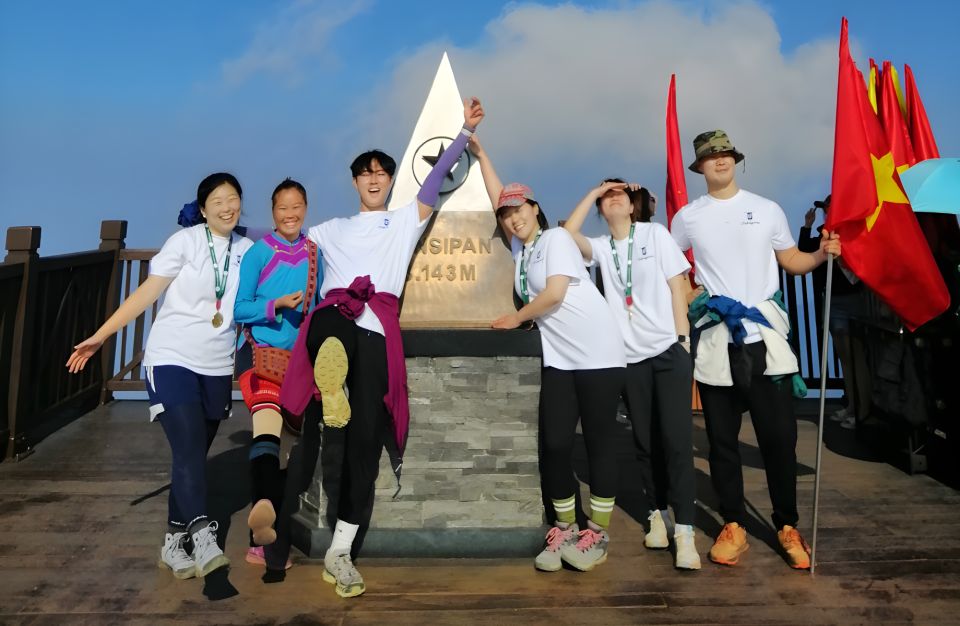
Reaching the summit is the headline. Fansipan peaks at 3,143m, and at noon you’ll get there and start your top-of-mountain celebration. This is where the payoff becomes real: wide views, a feeling of having actually earned the view, and time to take photos.
You’ll get a 40-minute lunch break at the summit. That’s long enough to sit, eat, and enjoy the surroundings without feeling rushed. It also helps you avoid the common mistake of summiting, grabbing a quick photo, and then immediately overheating or collapsing on the descent.
Take this time seriously. The summit is not only a viewpoint; it’s also where you judge your energy for the return trip. If you’re exhausted, you’ll need to pace your descent more carefully. If you’re feeling good, you can move steadily without rushing.
And here’s a subtle but real advantage of this plan: lunch at the top means you’re not scrambling to find food while you’re halfway down. You get the break scheduled, which keeps the day more controlled.
The descent back to the base and return to Sapa
After lunch, you’ll start the descent from the summit using the same route back down. The fact that it’s the same way matters. It reduces confusion and keeps the timing more predictable when you’re fatigued.
Descent is often harder than people expect. Your quads take the hit, and your focus needs to stay on the ground underfoot. With any rain earlier in the day, conditions can become slippery again in spots—so slow down and don’t let sore legs trick you.
The tour finishes around 4:30 pm, when you arrive back at the mountain’s base. A comfortable car is waiting to bring you back to Sapa, and your tour ends back at the central meeting point.
Price and value: what $104 covers and what costs extra
At $104 per person, this trek sits in the “serious but not outrageous” zone for a one-day summit attempt with a guide and transport. Here’s what you’re getting based on the included items:
- Car pick-up both ways between Sapa and the trek start/base
- English-speaking local guide
- Tickets to visit the tourist area
- 1-liter water bottle per person
- Travel insurance coverage during the trek (provided by the operator)
Then there are the extras and limits you should know:
- Drinks and personal expenses are not included.
- You’re responsible for personal trekking equipment (the tour provides the structure and guidance, not the gear).
- Cable car ticket is not included and costs 737,000 VND if you decide you want that option.
One thing I like about the value here is the combined package. You don’t need to line up separate transport, tickets, and a guide. For a one-day summit trek, that saves time—and on a mountain day, time is energy.
Who should book (and who should skip) this Fansipan summit day
This trek is best for adults who like a challenge and have decent stamina. The trek requires good physical fitness, long hours of hiking, steep ascents, and rugged terrain. If that sounds like your kind of day, you’ll probably enjoy it a lot.
It’s not suitable for:
- Children under 15
- People over 95
- People with heart problems
- Pregnant women
That list isn’t there to be dramatic—it’s about safety on a steep, altitude-influenced hike. If any of those categories apply, you should look for a gentler route instead of forcing a summit plan.
Also, since small group size is limited to 10, this is a good match if you want a focused experience without the shuffle of a huge tour bus hike. And if you’re the type who likes having an English-speaking guide to handle route choices and safety reminders, this format fits.
Practical tips that make the difference on summit day
Based on the information you’re given for the day and the real-world advice in the comments, here are the changes that most often improve the experience:
- Wear hiking shoes with grip. Rain can make early conditions poor, so traction matters.
- Bring sunscreen. Even with clouds, UV at altitude can sneak up on you.
- Pack a hat for sun and to manage weather shifts.
- Mentally prepare for changing conditions. One strong piece of advice is to get ready for all seasons, because the mountain can surprise you in a single day.
And don’t ignore the schedule. You’re pushing for a summit around noon and then descending to be back by about 4:30 pm. That means you should avoid “stop-and-stare” mode during the climb unless your guide says it’s safe and doable.
Finally, adjust your expectations about food. The itinerary includes breakfast around mid-altitude and lunch at the summit, but quality may be hit or miss. Treat meals as fuel and stay flexible.
Should you book this 1-day Fansipan trek?
I’d book it if you want a true summit experience without spending multiple days on the mountain. The schedule is tight, but that’s also why it feels like an event. The small group setup and English-speaking guide help you handle safety, pacing, and the realities of steep terrain.
I’d think twice if:
- You hate early starts.
- You’re worried about rain or slippery footing.
- You expect high-quality restaurant-style meals.
- You don’t feel you can handle long steep climbs.
If you’re in the “I want the challenge and I’m okay with simple trekking meals” camp, this is a strong value for a one-day push to Fansipan’s peak. You’ll come away with bragging rights and photos that actually look earned.
FAQ
What time does the trek start?
The trek starts at 5:30 am.
Where do we meet in Sapa?
You’ll meet at a designated meeting point in the center of town, then check in with the receptionist by providing your name on the attendance list.
What’s included in the price?
The tour includes car pick-up both ways, a local English-speaking guide, tickets to visit the tourist area, and a 1-liter water bottle per person.
Is the cable car ticket included?
No. The cable car ticket costs 737,000 VND and is not included.
How long is the tour?
The tour duration is 1 day.
How many people are in the group?
The group is limited to 10 participants.
Who shouldn’t do this trek?
It’s not suitable for children under 15, people over 95, people with heart problems, or pregnant women.
What about cancellation and refunds?
You can cancel up to 24 hours in advance for a full refund.