REVIEW · HIKING & TREKKING
From Sa Pa: One Day Fansipan Mountain Trek
Book on GetYourGuide →Operated by Vietnam Nomadtrails · Bookable on GetYourGuide
One day, and you climb to Vietnam’s roof. The Fansipan trek is a demanding, high-altitude mission in the Sa Pa mountains, with rainforest paths, quick stream crossings, and then a summit payoff if the weather cooperates. I like that it feels well-organized from start to finish, and I also like the mix of serious hiking with real breaks for food and photo stops.
The only real drawback to plan around is the difficulty: this is not an easy walk. You’re looking at about 9 to 10 hours round-trip over roughly 28 km, and heavy rain can delay or cancel the trek.
If you want a true physical challenge and you’re comfortable managing steep sections, this is a memorable day. It’s also a smart way to experience Fansipan without committing to a multi-day trek.
In This Review
- Key things to know before you go
- From Sa Pa to Tram Ton Pass: the early push
- The trail itself: rainforest steps, bamboo, and stream crossings
- Where lunch fits on a hard day
- Summit time: the Roof of Indochina payoff
- Descending your way: cable car or hike back
- Price and value: what $79 really covers
- Fitness reality check: who this trek suits (and who it doesn’t)
- What to bring: the small stuff that saves your day
- Logistics that make the day feel smoother
- Should you book this Fansipan day trek?
- FAQ
- How long is the one day Fansipan trek?
- What time does the trek start in the morning?
- Where does the trek begin?
- What time do you reach the summit?
- Is breakfast included?
- What meals and drinks are included?
- Is the cable car included for the descent?
- Can I hike down instead of taking the cable car?
- What happens if it rains heavily?
- Who is this trek not suitable for?
- What’s the Lunar New Year surcharge?
Key things to know before you go
- Start at Tram Ton Pass (1,994 m): You’ll hike from high ground right away, so your legs wake up fast.
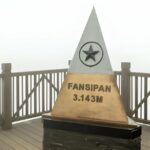
- 3,143 m summit for the Roof of Indochina: The top is the point, with big mountain views when skies are clear.
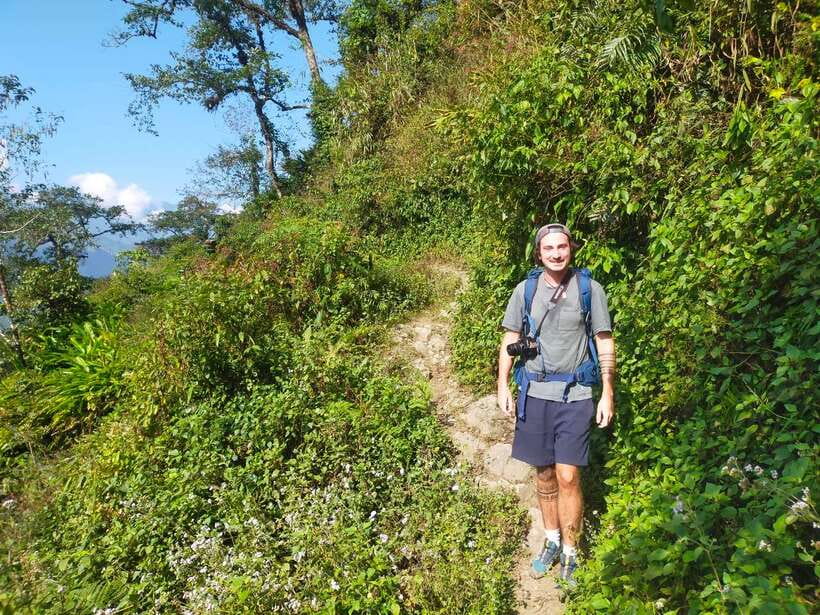
- Rainforest + bamboo trails: Expect dense greenery, stream crossings, and natural footpaths.
- Steep, slippery sections: Good shoes matter, especially where there are rocky faces and metal ladders.
- Two descent choices: Trek back the same way, or take the cable car down (ticket extra).
- Weather can change your day: Heavy rain can cancel or delay the climb.
From Sa Pa to Tram Ton Pass: the early push
Your day starts early, around 6:00 AM. After breakfast on your own (it’s not included), you’ll transfer by car or van up to Tram Ton Pass, starting at 1,994 meters. This early rise matters. Fansipan’s trails are steep and long, and starting sooner gives you a better shot at reaching the summit around 11:30 AM to 12:00 PM.
Once you park and get moving, you’ll shift from town pace to mountain pace quickly. The higher elevation and the morning chill can make your breathing feel a bit different, even if you’re fit. The benefit: you get cooler hiking conditions and more daylight for whatever weather shows up later.
Also, you’re not doing this solo. You’ll have an English-speaking guide, and the operator includes the national park entrance fee plus Vietnamese insurance tied to the day tour. That means you can focus on the trail instead of paperwork.
You can also read our reviews of more hiking tours in Sa Pa

The trail itself: rainforest steps, bamboo, and stream crossings
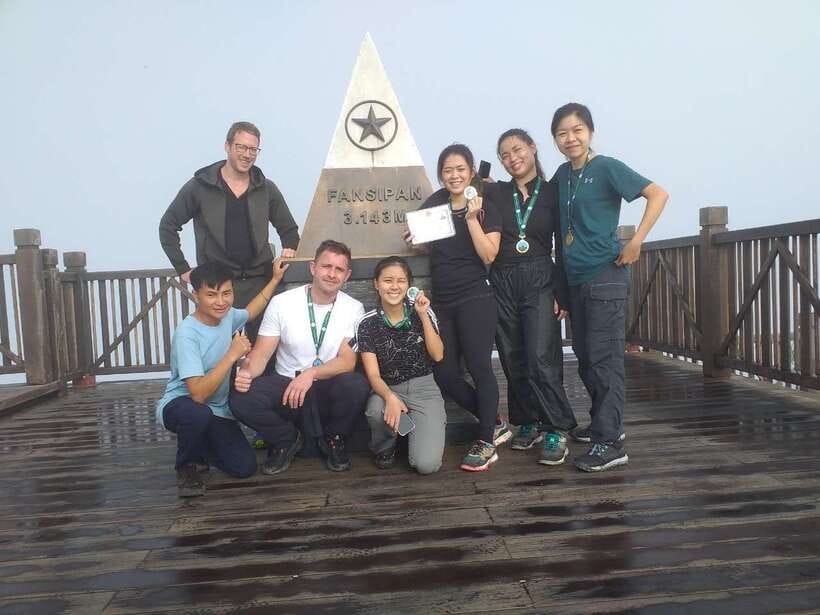
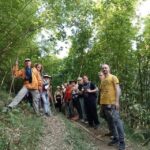
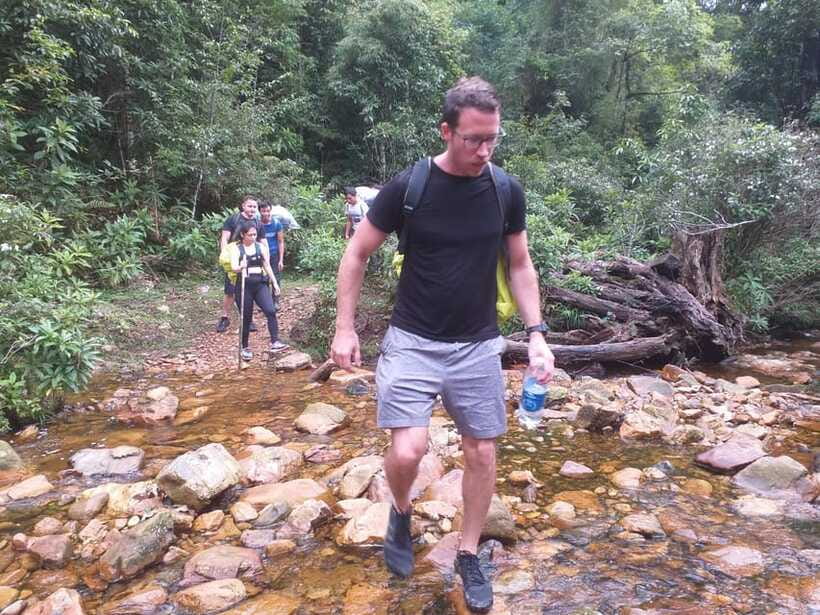
Fansipan hiking is mostly about work. You’re climbing through dense bamboo and rainforest areas, and along the way you’ll cross streams. It’s not just pretty scenery; it’s practical hiking reality. Wet rock, narrow footing, and sudden changes in trail texture can slow you down fast if you aren’t careful.
One thing I’d take seriously from day-to-day hikers’ notes: certain sections can be slippery and physical. You may encounter rock faces and metal ladders in places. That’s exactly why sturdy hiking shoes aren’t optional. Flip-flops are a bad idea here; slick soles are also a bad idea.
If you like having someone manage pace, this tour helps. The guide is there to keep you moving safely and can adapt to your rhythm. Based on what guides in this operation are known for, you might get someone like Hezikiah—often praised for taking care of the group—or Marlene, who’s been noted for adapting pace and preparing lunch. You still steer your own effort, but having a guide who watches foot traffic and timing makes a difference.
Where lunch fits on a hard day
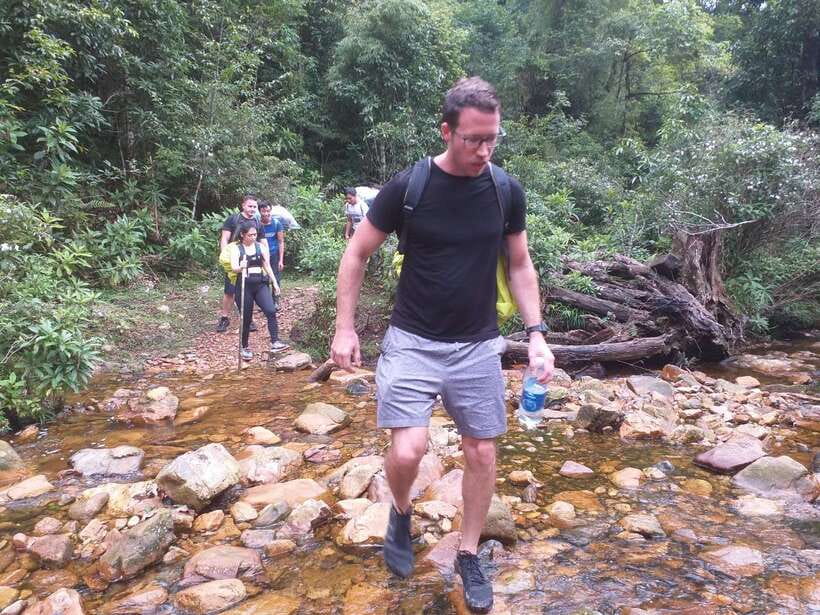
Some hikes add fatigue and then forget to feed you. Here, lunch is built into the schedule. You’ll pause for a meal during the hike, after you’ve put in a chunk of climbing through the forested stretches.
Lunch is included, and you can request normal or vegetarian food. The lunch is important because it comes before the summit window. If you reach the top tired and underfed, the views don’t feel as good and your energy for the descent suffers.
Do expect this to be a simple trail meal. One common complaint is that lunch can be cold. If that matters to you, plan on a normal-trail-day style lunch and focus on eating enough to keep your energy stable.
You’ll also have 2 liters of water per person per day included. Don’t treat water as optional. Between altitude, exertion, and the chance of warm sun, you’ll want it.
Summit time: the Roof of Indochina payoff
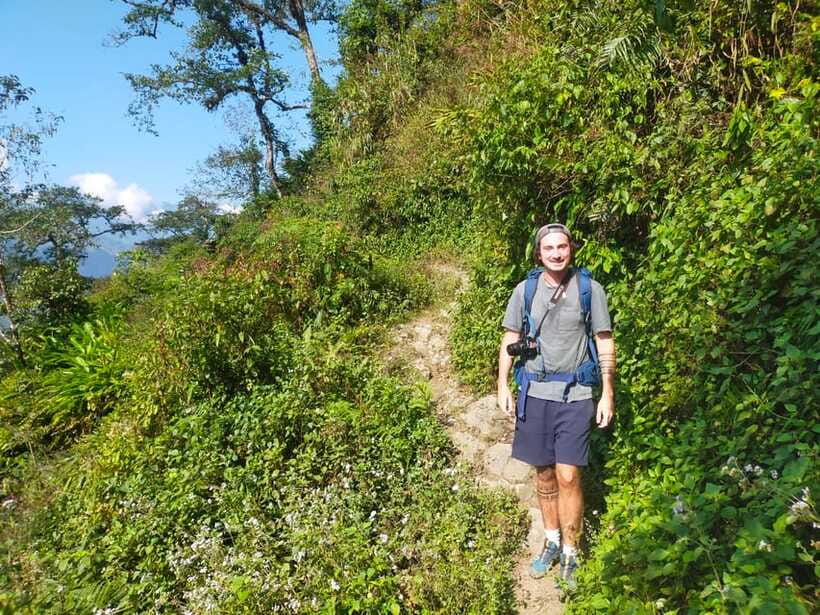
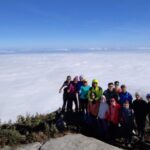
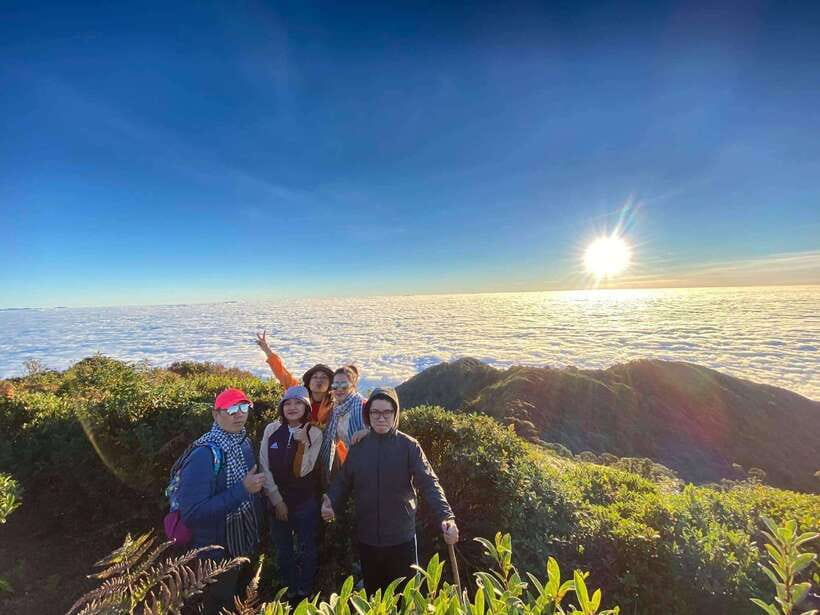
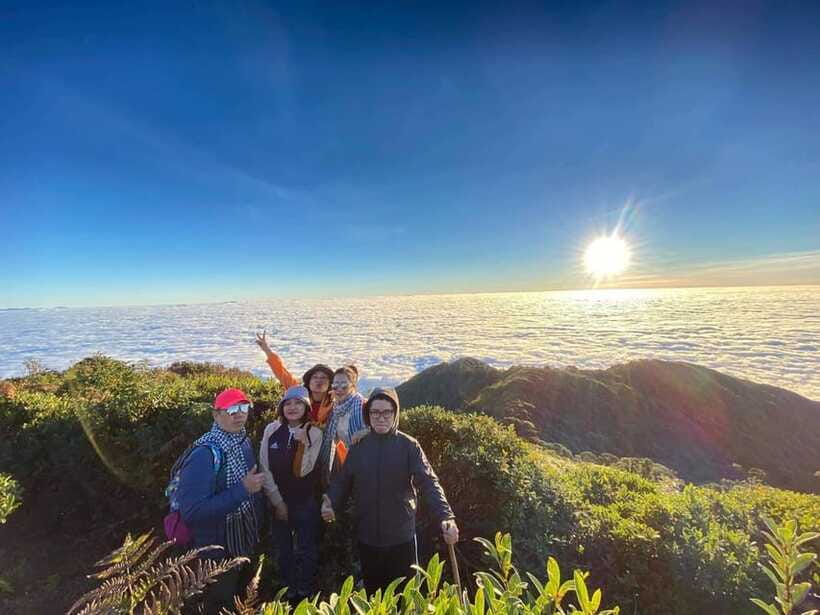
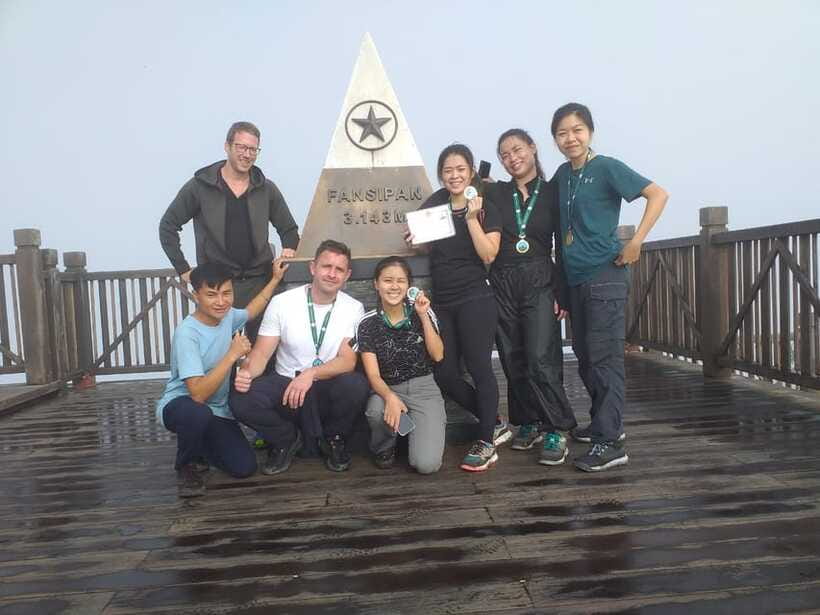
The goal is to reach the summit around 11:30 AM to 12:00 PM. This timing is set for a reason: you need enough daylight for both the summit break and the descent decision. At the top, you rest and take in panoramic views over the surrounding mountains and Sa Pa town.
Here’s the honest part: cloud is part of the deal. Even on clear-weather seasons, you can get mist that hides the view right when you arrive. If that happens, the summit still matters because you’ve physically reached Fansipan, but you’ll have to adjust expectations for photos.
On clear days, you may even catch sight of high mountains in China. That’s a special bonus, and it’s exactly the kind of moment you’ll remember. If you care about pictures, take your time at the summit. The difference between rushed and relaxed is huge when visibility improves for a short window.
Descending your way: cable car or hike back
After the summit stop, you have two descent options:
1) Cable car down to Sa Pa
The cable car ticket is not included, so it’s an extra cost. People sometimes feel cable-car pricing is steep, especially if the ticket is sold in a way that doesn’t feel much cheaper for a one-way descent. Still, it can be a smart move if your legs are near the limit.
2) Trek back the same route to Tram Ton Pass
This is the full workout option. You’re already on a steep, physical trail. Hiking back keeps it consistent with the morning climb and gives you the same scenery again, but you’re asking your knees to handle repeated descent stress.
Your guide will help you decide based on how you feel and what the weather is doing. If you go up strong, and conditions are good, hiking down can be the best satisfaction. If you want to protect your energy for the rest of your Sa Pa trip, the cable car is the practical choice.
You can also read our reviews of more tours and experiences in Sa Pa

Price and value: what $79 really covers
The price is listed at $79 per person, and the value is not just the hike.
Included touches that matter:
- Pick-up from your hotel or a set meeting point in Sa Pa center, with return drop-off
- An English-speaking guide
- National park entrance fee and Vietnamese insurance tied to the day tour
- Authorization/permission for the route
- Lunch (normal or vegetarian)
- Water: 2L per person
- A certificate honored by the National park Department
The “real value” is that you’re not paying extra for the basics. You get transport, park access, a guide, food, and water—plus the route is structured to hit the summit window.
What’s not included (and can change your total):
- Trekking gear like raincoat, backpack, trekking stick, and trekking shoes
- Cable car tickets (if you choose that descent option)
- Personal travel insurance and tips for guide/driver
- Soft drinks
- Lunar New Year surcharge: 45 USD per person paid directly during the dates listed (26 Jan 2025 to 2 Feb 2025)
So if you already own proper shoes and basic hiking gear, you’ll feel the deal more strongly. If you need to rent or buy everything last minute, your real spending will be higher than $79.
Fitness reality check: who this trek suits (and who it doesn’t)
This one-day Fansipan trek is labeled demanding, and it’s accurate.
It’s not suitable for:
- Children under 16
- Pregnant women
- People afraid of heights
- People with altitude sickness
- People with low fitness
- People over 70
Even if you think you’re fine on paper, this trail is about steep effort over many hours. It’s also about footing. If you hesitate on ladders or rocky climbs, you’ll feel it.
You should also be ready for weather. The trek can be canceled or delayed when it rains heavily. That’s not a minor inconvenience. It’s a real plan-change risk, so keep your Sa Pa schedule flexible.
What to bring: the small stuff that saves your day
You’ll want practical gear because you’re moving through rainforest areas, and conditions can get wet fast.
Bring:
- Passport or ID card
- Hiking shoes
- Sunscreen
- Comfortable clothes plus long pants
- Biodegradable insect repellent
- Trekking gear you already have (and plan for missing items)
The operator also lists some “not allowed” rules (like pets, fireworks, and nudity). It’s standard for national park days and safety-managed hikes.
If you tend to run cold or blister easily, pack smart. The trail is steep, and repetitive climbs and descents can punish the feet even if your lungs are fine.
Logistics that make the day feel smoother
Pick-up and drop-off are set up for Sa Pa center hotels or a meeting point. You’ll return to the same pick-up spot at the end, so you don’t need to figure out transport after a long day.
Also, the plan includes water and lunch. That helps you avoid the common mistake of bringing too little and then spending time hunting for food during the hardest portion of the hike.
Finally, it’s an English-guided experience. If you want to understand what you’re walking through—bamboo growth, rainforest conditions, and why parts of the route are managed—that language support makes the day more comfortable.
Should you book this Fansipan day trek?
Book it if you want:
- A tough single-day challenge with a clear goal
- Summit views as the main reward, not a relaxed walk
- A guided day that handles park access and key logistics
Skip or reconsider if you:
- Are not comfortable with steep stairs, ladders, and potentially slippery rock
- Feel anxious about heights
- Know you react poorly to altitude
- Need an easy day in Sa Pa, not a workout
If you’re deciding between going up and down by foot versus using the cable car for descent, think about your knees and stamina before you start. The summit is only half the job. The descent choice can make the difference between finishing the day happy or finishing it with regrets.
FAQ
How long is the one day Fansipan trek?
The round-trip covers about 28 km and typically takes 9 to 10 hours of trekking.
What time does the trek start in the morning?
You start around 6:00 AM.
Where does the trek begin?
You’ll be transferred to Tram Ton Pass, located at about 1,994 meters above sea level.
What time do you reach the summit?
You’re expected to reach the summit around 11:30 AM to 12:00 PM.
Is breakfast included?
Breakfast is not included. You’ll have an early breakfast before you start, at your own expense.
What meals and drinks are included?
Lunch is included (normal or vegetarian food, possible) and bottled mineral water is included at 2 liters per person per day.
Is the cable car included for the descent?
No. The cable car ticket is not included, and it’s an additional cost if you choose to take it down.
Can I hike down instead of taking the cable car?
Yes. After reaching the top, you can trek back via the same route to Tram Ton Pass and then return to Sa Pa.
What happens if it rains heavily?
The trek can be canceled or delayed when it rains heavily.
Who is this trek not suitable for?
It’s not suitable for children under 16, pregnant women, people afraid of heights, people with altitude sickness, people with low fitness, and people over 70.
What’s the Lunar New Year surcharge?
During Lunar New Year (26th Jan 2025 to 2nd Feb 2025), there is a 45 USD per person surcharge paid directly on the trip.