REVIEW · SA PA
Sapa3D2N TrekkingAdventures,Valleys,Bambooforest,Waterfall
Book on GetYourGuide →Operated by Dinh Sapa Trekking Adventures · Bookable on GetYourGuide
Walk villages for mountain views. This Sapa trek led by Dinh and her sister takes you through rice valleys, ethnic villages, and a real homestay with a Hmong family. If you like big mornings, steady walking, and evenings that feel personal instead of staged, this is a solid pick in the Dong Bac/Sapa area.
Two things I especially like: the first-day Dragon Mountain viewpoint paired with sweeping sights toward Fansipan and Sapa, and the back-and-forth rhythm of valley trails that lands you in places like Nam Cang Valley and the Giang Ta Chai waterfall area. It also keeps the cultural side practical, with village life you can actually see while you’re walking and eating.
One consideration: this is hiking with real uphill/downhill time (often 5.5–6 hours a day). If you’re sensitive to steep trail sections or you want mostly flat sightseeing, you may find the pace a bit intense.
In This Review
- Key points to know before you go
- A local-led trek in Sapa’s Dong Bac area
- Day 1: Dragon Mountain views, Hang Da to Hau Thao, and an easy rhythm
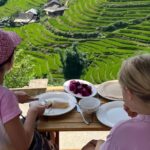
- Where the rice terraces and valleys pay off
- Day 2: Ta Van, Su Pan, Giang Ta Chai waterfalls, and a Red Dao family visit
- Day 3: Lao Chai, Y Linh Ho, Muong Hoa hanging bridge, and the finish back in Sapa
- The homestay experience: family time, hot shower, and the fun moments
- Price and value: $80 for 3 days, meals, guides, and village access
- Pace, weather, and what to pack (so your legs don’t revolt)
- Who should choose this Sapa trek (and who should skip it)
- Should you book Dinh Sapa Trekking Adventures?
- FAQ
- Where is this trekking adventure based?
- How long is the tour?
- What time do we meet on day one?
- How long do the trekking days take?
- Is the homestay included?
- What meals are included?
- What language will the guide speak?
- What does the price include besides guiding and lodging?
- What should I bring?
- Can I cancel and get a full refund?
- Is it suitable for older travelers?
Key points to know before you go
- Local guides who bring the trail to life: Dinh and her family help set the tone, and you’ll meet guides along the way (including Dinh’s cousin in at least some groups).
- Dragon Mountain + Muong Hoa rice terraces on day one: you start with altitude views and end the day in Black Hmong village surroundings.
- Homestay evenings with family connection: you’ll eat with the family, have time to rest, and (depending on the group) enjoy light, friendly moments like songs/dancing and time with kids/students.
- Giang Ta Chai waterfalls and hanging bridges: the second day mixes effort with a satisfying payoff.
- A cultural stop for Red Dao life: you visit a Red Dao family area to learn about daily routines and culture from people living it.
- Tày stilt houses in Ban Ho (built into the plan): you’re not only seeing Hmong villages; you also get a glimpse of other local traditions.
A local-led trek in Sapa’s Dong Bac area
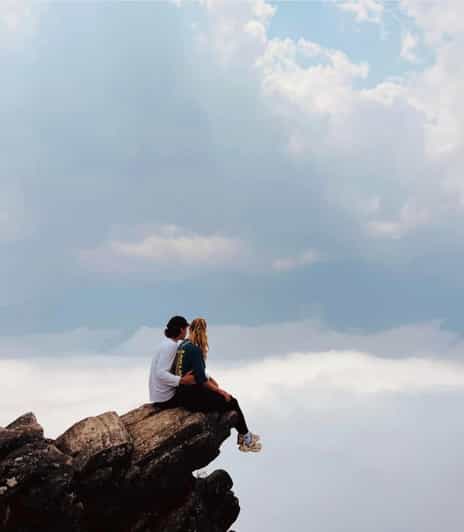
This is a 3-day, 2-night trekking experience in the Sapa region near Dong Bac, Vietnam, focused on moving through valleys and village communities rather than doing only viewpoints. You’ll meet your guide in the morning at 9:00 at your hotel or in front of Sapa’s main church, then get oriented and start walking.
What makes this setup feel different is that you’re guided by someone from the area and from the same ethnic background you’re visiting. Dinh is a Hmong guide, and her sister joins the pickup and introductions. That matters because village visits here aren’t just “photo stops.” You’re walking with context, eating with explanations, and spending nights with a family.
Also, this isn’t a tour built around rushing. The distances are meaningful but not extreme: roughly 10–15 km on day one and 9–11 km and 9–13 km on the next two days. That gives you time to look around, ask questions, and actually enjoy the changing views as the trail moves through fields and forest edges.
You can also read our reviews of more tours and experiences in Sa Pa.
Day 1: Dragon Mountain views, Hang Da to Hau Thao, and an easy rhythm
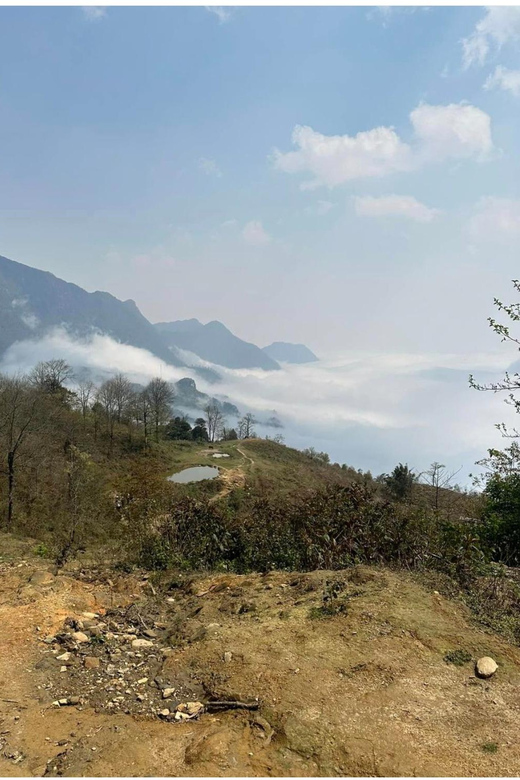
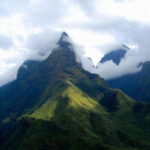
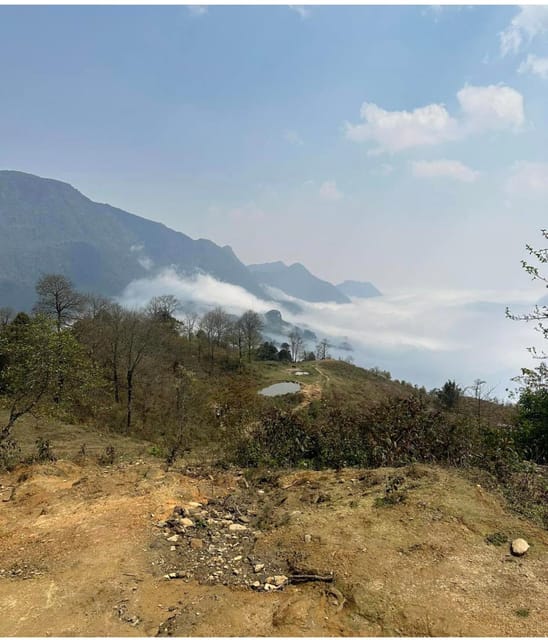
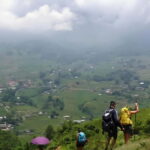
Day one starts with an uphill walk of about 1 km to reach the Dragon Mountain viewpoints (listed at around 1900 m). From there, you’ll get big-sky Sapa views and clear sightlines toward Fansipan (3,143 m), which is the highest peak in Indochina. It’s a strong “get oriented” moment because Sapa can feel confusing from the town streets, and this quickly shows you the valley structure around you.
After soaking in the mountain panorama, you continue down toward Hang Da, described as a Black Hmong village. This section is where the trail starts to feel like trekking in the real world: you’re moving through countryside and passing small local life details rather than staying in one neat viewpoint area.
You may also spot farm animals in the wider village countryside, including buffalos, cores (often referring to cattle-like livestock), and pigs. Then comes lunch at a small local restaurant run by a family, which is a practical break mid-day.
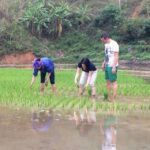
In the afternoon, you head toward Hau Thao, another Black Hmong village. The point isn’t just arrival—it’s getting a look at daily rhythms like working in fields such as harvesting or planting rice (timing can affect what’s happening). You’ll be welcomed into Dinh’s family’s home for two nights, with time to rest, a chance to take a hot shower, and dinner with the family.
If you’re wondering how “homestay” works here: it’s basic and personal. The plan includes meals (and in past groups, evenings have included fun, friendly energy like singing/dancing and social time), so come with the mindset of joining a family routine, not expecting a hotel.
Where the rice terraces and valleys pay off
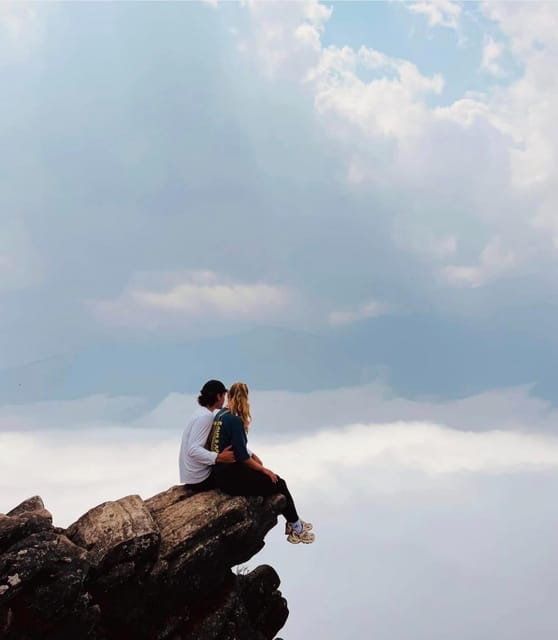
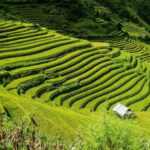
The Sapa area is famous for terraces, but this tour adds two useful layers: timing and direction. On day one, the Dragon Mountain viewpoint sets you up to understand what you’re looking at—then you continue toward the broader Muong Hoa Valley rice terrace views and the major river/valley lines that shape the region.
On day three, the terrace experience gets even more satisfying because you’re arriving at the viewpoint areas after walking through village-to-village terrain. The plan highlights some of the biggest and most beautiful rice terraces in Vietnam, plus sweeping mountain views near the Hoang Lien Son range. Even if you’ve seen terrace photos online, seeing how the fields fold down through the valleys is different when your feet are on the ground.
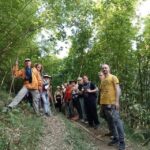
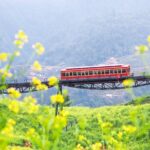
One more detail that makes the walking worthwhile: the itinerary mentions Nam Cang Valley scenery and also references bamboo forest trekking. That matters because Sapa isn’t only rice. You’ll get sections of trail where the texture changes—fields turn into edges of forest, and the air and sound change with it. It’s often these “in-between” moments that keep the trip from feeling repetitive.
Day 2: Ta Van, Su Pan, Giang Ta Chai waterfalls, and a Red Dao family visit
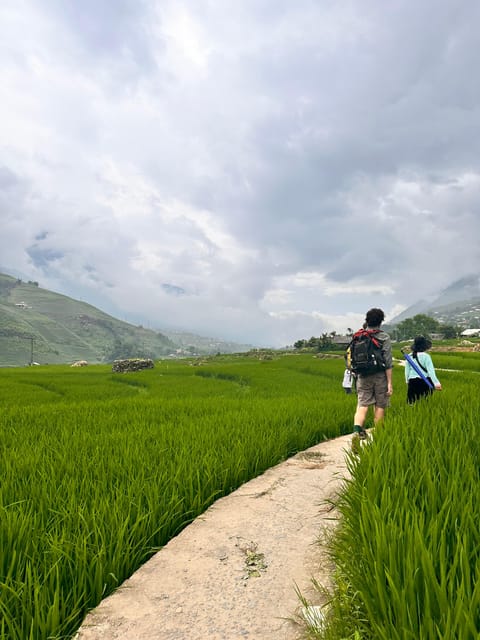
Day two is built like a scenic loop with a payoff. You start with breakfast at the homestay and begin walking from there down through the broader area toward places like Hau Thao and then onward to Su Pan, a small village close to Black Hmong mountain areas. This section is often where the trail opens up for photos—panoramas of rice fields, traditional homes in the mountainside area, and that sense of “small life happening in big terrain.”
After your time around Su Pan, you walk uphill into the mountains toward the waterfalls of Giang Ta Chai. The plan also notes an alternative trail and crossing a second hanging bridge before lunch. That’s important for two reasons:
1) Bridges and alternative routes break up the monotony of walking the same path back.
2) They tend to create more varied viewpoints, especially over the valley floor.
You’ll also enter the Red Dao area, where you visit with a local guide to learn about daily life and culture. Then you stop at a Red Dao family for a short visit. This part is less about a single “attraction” and more about understanding how identity shows up in ordinary routines—how people live, how they use space, and how the community is organized around the landscape.
Lunch is in Giang Ta Chai village at a small local restaurant run by a Hmong family. After the break, you head back toward Ta Van and stay again with Dinh’s family.
If you’re expecting a day that feels more adventurous than day one, day two fits. The waterfalls and hanging bridges give you that “we walked and it was worth it” feeling.
Day 3: Lao Chai, Y Linh Ho, Muong Hoa hanging bridge, and the finish back in Sapa
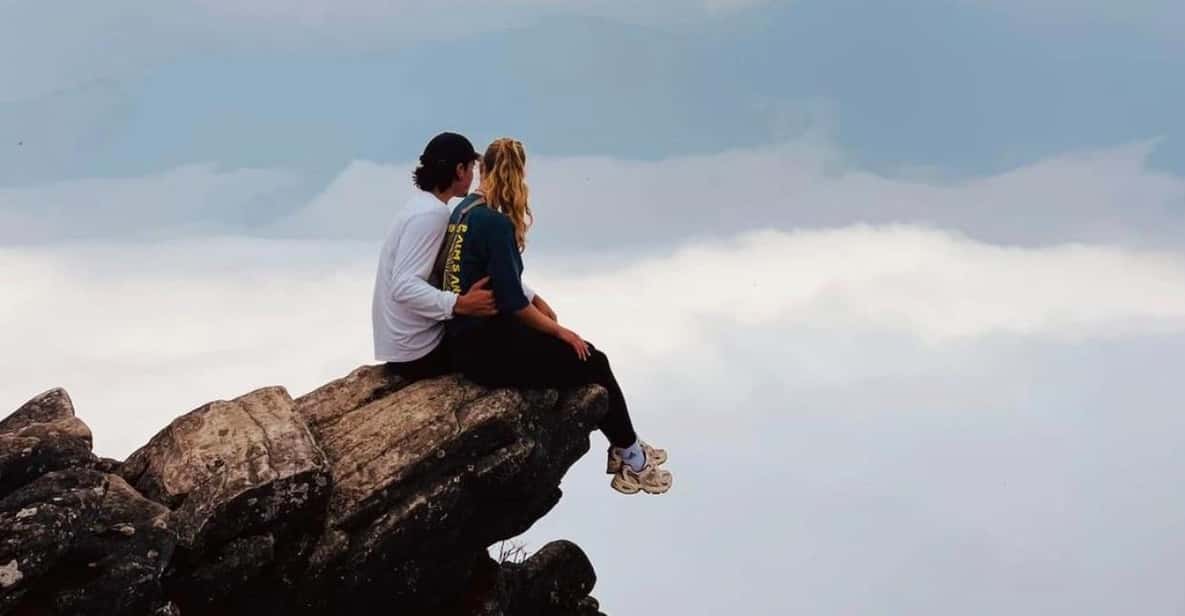
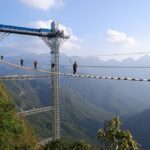
Day three begins after breakfast with trekking toward Lao Chai and Y Linh Ho. You’ll reach the hanging bridge over the Muong Hoa River, then keep going uphill into the mountains and terrace areas.
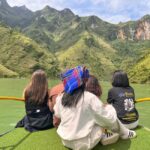
This is where the tour leans hard into the classic Sapa payoff: some of the largest rice terraces and wide views across the valley. The plan includes a trek toward the top viewpoints near Hoang Lien Son, which is why this day feels more “big-sky” than the village-narrow segments.
Then you continue on to finish near Sapa. One practical plus: about your big bags. The plan says the team can help drive larger luggage to Dinh’s house where you stay, while you trek with what you need on foot. That reduces the stress of carrying heavy items while your legs are already doing the work.
By the end of the third day, you’ll have that “three-day arc” that feels real: mountain viewpoints on day one, waterfall and cultural learning on day two, and the terrace panoramas plus river crossing on day three.
The homestay experience: family time, hot shower, and the fun moments
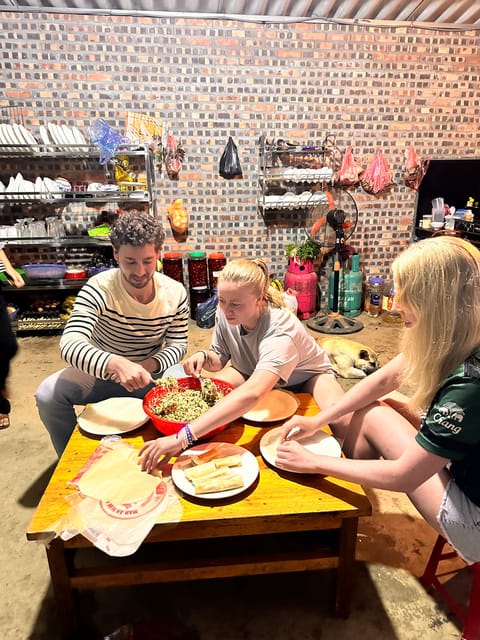
Homestays can go two ways: either you feel like you’re intruding, or you feel invited. This plan clearly aims for the invited side, with the family welcoming you and giving you time to rest between walks.
You’ll stay for two nights with Dinh’s family. After arriving in Hau Thao, you get time to relax, take a hot shower, and wait for dinner with the family. Meals are included—two dinners and three lunches total across the trip.
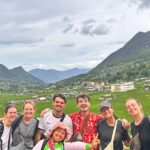
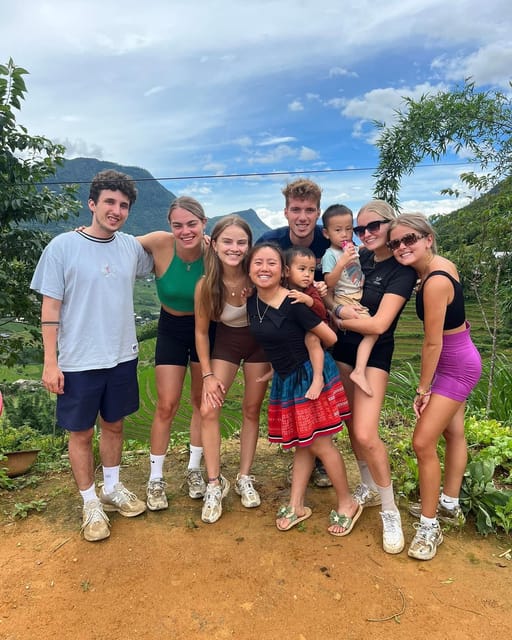
One of the most praised aspects is the energy around the table and in the evenings. In past groups, Dinh has helped keep spirits up with moments like what’s called happy water, plus singing and dancing. You might also get time interacting with family-connected kids/students who live in another house near her family home. It’s not about entertainment as a product; it’s about being part of a social evening where everyone’s relaxed enough to share.
Also, the experience includes village entry fees for eight villages. That’s one of those details that can make or break cultural access. When those fees are handled, you spend less time worrying about barriers and more time walking and learning.
Price and value: $80 for 3 days, meals, guides, and village access
At $80 per person for 3 days and 2 nights, this isn’t just “walking.” You’re paying for multiple guide-led days, cultural entry access for eight villages, and the full food-and-lodging structure (2 breakfasts, 3 lunches, 2 dinners, plus 1 water per person per day).
You also get English guidance across three days (with Vietnamese as well), and the plan includes transportation back to Sapa once you finish the trekking portion in the village area. That means the trip ends cleanly rather than leaving you stuck planning your own way back after a long walk.
What isn’t included matters too:
- personal travel insurance
- extra drinks during hiking (bottled water/beer and similar)
Given that drinks aren’t unlimited here, I recommend treating the included water as the baseline and budgeting a bit for anything extra you want to buy. If you hate carrying liquids, plan for that before you go.
Overall, the value is strongest if you want the full package: guided treks, homestay nights, and village visits with context.
Pace, weather, and what to pack (so your legs don’t revolt)
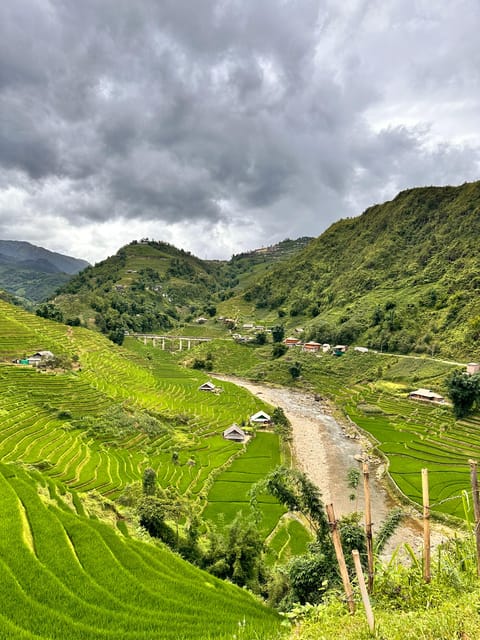
This tour is not a casual stroll. You’re walking 5.5–6 hours on most days, with some downhill and uphill trail segments. It’s manageable for many visitors, but you should show up with hiking-ready expectations.
Bring what the plan recommends:
- sunglasses
- sun hat
- sunscreen
- comfortable clothes
- change of clothes
- swimwear (you might appreciate it if there’s any chance to rinse or relax when the schedule allows)
- comfortable, grippy footwear
A small practical note: in mountain trekking regions, weather can change quickly. Even if the days look sunny, you’ll want layers you can adjust while walking and then again while you’re resting in the homestay at night.
If you’re prone to sore feet, consider blister care before you go. The walking time is enough that a small problem can grow into a big one by day two.
Who should choose this Sapa trek (and who should skip it)
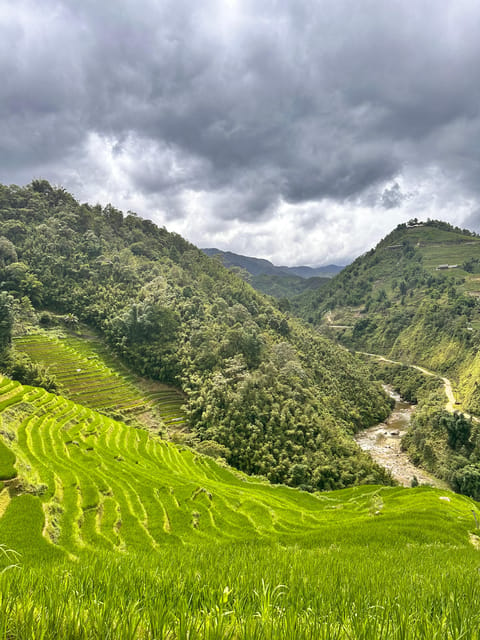
This is a great fit if you want:
- a local guide experience led by someone from the ethnic communities you’re visiting
- village life and valley views that unfold while you walk
- a homestay that includes meals and family time (not just a quick stop)
It’s also especially good if you enjoy photography on terraces, bridges, and waterfall areas, because the route is designed around those changing “reveals.”
You should think twice if:
- you don’t like hills and uneven trails (the plan includes multiple uphill and downhill segments)
- you need a mostly flat day-by-day schedule
- you’re traveling with mobility limits (the tour is not suitable for people over 95 years, per the provided info)
Should you book Dinh Sapa Trekking Adventures?
I’d book this tour if you want an honest, village-centered Sapa experience with a real homestay connection and enough structure that you don’t have to plan every meal, route shift, and access detail yourself. The combination of Dragon Mountain, Muong Hoa rice terrace views, a Giang Ta Chai waterfall day, and two nights with a Hmong family makes it feel like you actually leave Sapa town behind.
I’d skip or choose a different style if you want low-effort sightseeing or if long walking days won’t work for your body.
One last tip: go with a flexible attitude toward timing. The plan depends on where daily village work is happening and on the day’s trail flow, so being okay with a few surprises will make the whole thing smoother.
FAQ
Where is this trekking adventure based?
It’s listed for the Dong Bac area in Vietnam, in the Sapa region.
How long is the tour?
The tour runs for 3 days and 2 nights.
What time do we meet on day one?
You’ll meet at 9:00 AM at your hotel in Sapa or in front of Sapa’s main church.
How long do the trekking days take?
The walking time is listed as about 6 hours on day one (10–15 km), about 5.5 hours on day two (9–11 km), and about 5.5 hours on day three (9–13 km).
Is the homestay included?
Yes. The price includes 2 nights homestay.
What meals are included?
The tour includes 2 breakfasts, 3 lunches, and 2 dinners.
What language will the guide speak?
The guide is listed as English and Vietnamese.
What does the price include besides guiding and lodging?
It includes local English guide (3 days), village entry fees for 8 villages, water (1 water per person per day), and transportation back to Sapa after the tour ends.
What should I bring?
Bring sunglasses, a sun hat, swimwear, change of clothes, sunscreen, and comfortable clothes.
Can I cancel and get a full refund?
Yes. Free cancellation is offered if you cancel up to 24 hours in advance for a full refund.
Is it suitable for older travelers?
It is not suitable for people over 95 years.