REVIEW · HIKING & TREKKING
Sapa: Ta Phin Village Trek & Red Dao Herbal Bath
Book on GetYourGuide →Operated by ASu Sa Pa Trekking Tour · Bookable on GetYourGuide
A good day in Sapa should feel like it happened on purpose. This one strings together village walks with a Red Dao herbal bath finish, with guides like Su (and sometimes Gao) keeping the day clear and human. You get a real look at everyday life, not just photo stops.
I particularly like the balance: a 12–14 km easy-to-moderate trek that still feels relaxed, plus time to talk, eat, and ask questions along the way. The end-of-tour bath is another standout. In a hot wooden tub, aromatic medicinal herbs do the work—and you leave feeling like your legs got a quiet reset.
One consideration: it is not a sit-along tour. You are hiking most of the day, and the tour is listed as not suitable for mobility impairments, and it is also not for children under 6.
In This Review
- Key things that make this tour worth your time
- Why the Suoi Ho–Ma Tra–Ta Phin Route Feels More Real Than Easy Sapa Day Hikes
- The 6-Hour Flow: Pickup, Walking Pace, Lunch, and Getting Back by Late Afternoon
- Starting Point at Nhà Thờ Đá Sapa: Why This Pickup Works for Most Visitors
- Suoi Ho Village (Black H’mong): Quiet Life, Farming Details, and a Gentle Start
- Ma Tra Village Stop: School and Craft Conversations That Make It Click
- Ta Phin Village (Red Dao): Embroidery, Herbal Medicine Traditions, and a Strong Sense of Place
- Red Dao Herbal Bath in a Wooden Tub: What You Will Actually Experience
- Lunch at a Homestay or Picnic Spot: A Break With a View and Real Food Focus
- The Guide Makes or Breaks the Day: How Su and Gao Fit the Tour Style
- Price and Value: Is $26 Worth a 12–14 km Cultural Trek Plus a Herbal Bath?
- Comfort and Timing Tips So the Day Stays Pleasant (Not Just Tiring)
- Who This Tour Suits Best (and Who Should Skip It)
- Should You Book the Ta Phin Village Trek and Red Dao Herbal Bath?
- FAQ
- How long is the Ta Phin Village Trek & Red Dao Herbal Bath?
- What is the trekking distance and difficulty?
- Where does the tour start?
- What does the tour include?
- What languages are offered?
- Is this a small group?
- What should I bring, and is the tour suitable for everyone?
Key things that make this tour worth your time
- Small group (up to 10) so you are not shouting over the crowd
- English-speaking local guides such as Su or Gao, with plenty of time for questions
- Village-to-village walking through Suoi Ho, Ma Tra, and Ta Phin instead of one viewpoint loop
- Picnic or homestay lunch with traditional dishes and a mountain view stop
- Red Dao herbal bath in a wooden tub with aromatic medicinal herbs for post-trek relief
- A route that stays more rural than the most obvious Sapa shortcuts
Why the Suoi Ho–Ma Tra–Ta Phin Route Feels More Real Than Easy Sapa Day Hikes
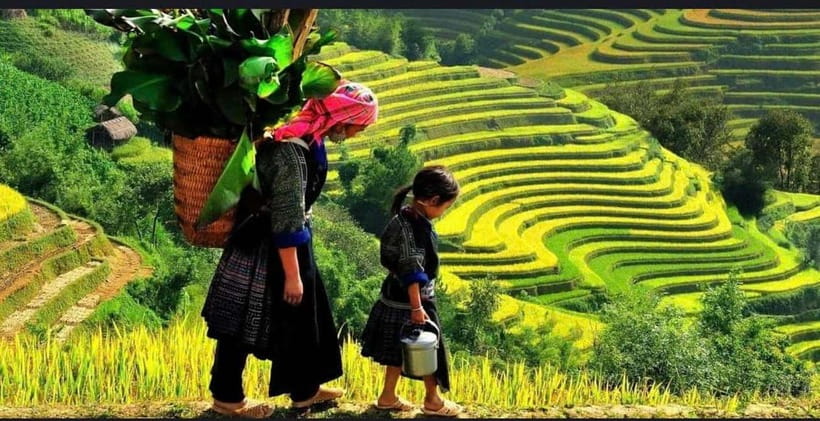
Sapa is famous for quick treks and quick selfies. This tour takes a different approach. You walk through real communities—Suoi Ho with the Black H’mong, then Ma Tra, and finally Ta Phin, home to the Red Dao. That matters because the day is built around conversation and daily routines, not just standing somewhere pretty.
Two things I think you will feel fast: you move at a human pace, and you learn while you walk. The stops are set up for village life topics like farming and animal husbandry in Suoi Ho, and village customs and crafts in Ma Tra. By the time you reach Ta Phin, it is not just a location—it is a place with specific traditions, including embroidery techniques and herbal medicine knowledge.
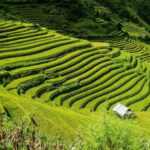
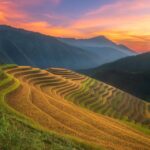
And yes, the herbal bath is part of the appeal. After hours of walking—often through rice terraces and pine forest areas—the hot soak lands like a reward you can actually use.
You can also read our reviews of more hiking tours in Sa Pa
The 6-Hour Flow: Pickup, Walking Pace, Lunch, and Getting Back by Late Afternoon
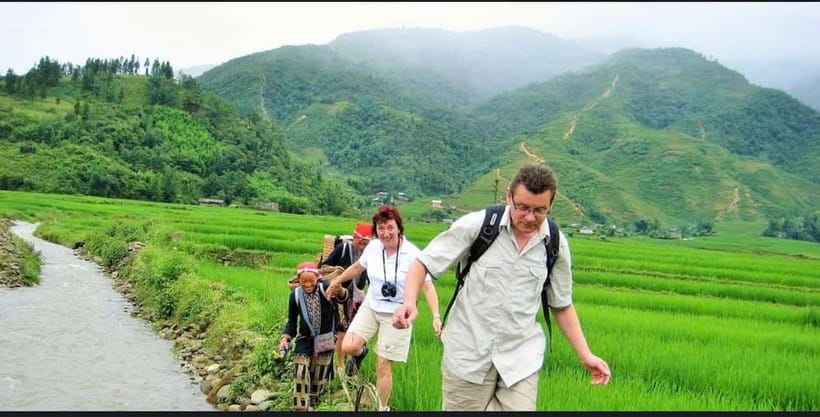
This is a full-day feel without eating up your entire day. Pickup starts at 9:00 am at Nhà Thờ Đá Sapa (Sapa Main Church). From there, the day is structured so you are not stuck rushing between stops.
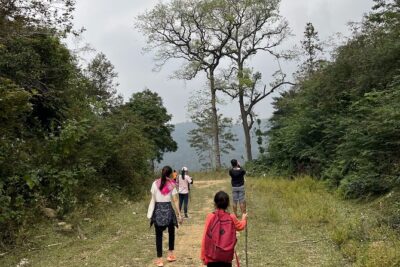
Expect roughly 12–14 km of trekking across the different village sections. The pace is described as easy to moderate, which usually means you can enjoy the walk without turning it into a suffer-fest. You will still want comfortable shoes, because you are covering distance on uneven terrain.
Lunch sits in the middle of the day, which is smart. You either get a picnic lunch or a meal at a local homestay before continuing on to Ta Phin. After lunch, you shift from learning-and-strolling to a more straightforward push to the finish—then the day closes with the bath and the ride back.
The tour ends with return by car to Sapa, finishing around 3:30 pm. That timing is useful if you still want an easy dinner plan later—without booking an extra night or losing your whole evening to transportation logistics.
Starting Point at Nhà Thờ Đá Sapa: Why This Pickup Works for Most Visitors
Most first-time Sapa travelers end up with a pickup confusion at least once. This one keeps it simple: Nhà Thờ Đá Sapa is the meeting spot, and the start time is set at 9:00 am. That gives you a clear anchor for the day, and you are not wandering around trying to match a vague meeting point.
If you like being prepared, show up with your basics ready: water, insect repellent, and weather-appropriate layers. Northern Vietnam can change moods quickly, so even if the morning is fine, you will thank yourself for a daypack and breathable clothing you can adjust.
Suoi Ho Village (Black H’mong): Quiet Life, Farming Details, and a Gentle Start
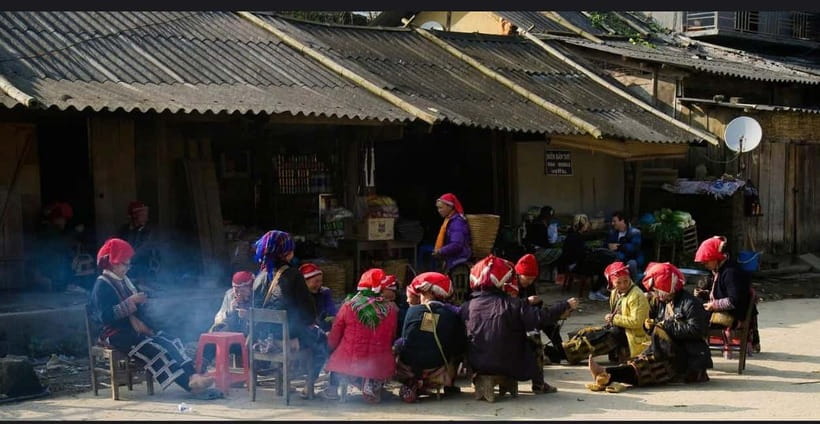
Suoi Ho Village is your first real village immersion stop. It is described as a peaceful Black H’mong community, and the focus is practical: how people farm, how they care for animals, and how daily routines shape life in the valley.
This is where the day becomes more than walking. A good guide turns a trek into a conversation. You get chances to learn, ask questions, and notice what people actually do—not just what the area looks like from afar.
There is also a small psychological win here. Suoi Ho is a calm start, so even if you are not used to trekking, you have a soft entry before the longer village-to-village sections.
Ma Tra Village Stop: School and Craft Conversations That Make It Click
Ma Tra is the mid-point village where the tour tends to feel most educational. You may visit a local school or chat with villagers to understand customs and crafts.
This stop is valuable because it connects culture to daily structure. In many regions, people talk tourism, but here the conversation is about what life requires: learning, making, and passing things along. If you like understanding how communities function, this is where you get it.
Practical note: treat this portion like a slow-down moment. You are still moving, but it is not a race. Wear something you can sit comfortably in if you end up spending a few minutes watching or listening.
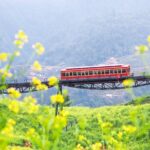
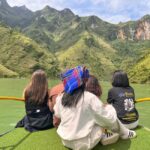
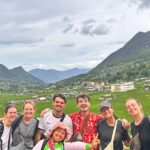
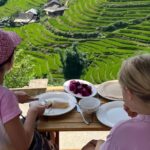
Ta Phin Village (Red Dao): Embroidery, Herbal Medicine Traditions, and a Strong Sense of Place
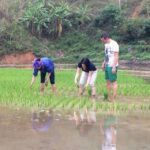
Ta Phin is the final village on the trek, and it comes with the most distinctive cultural theme: Red Dao traditions. The emphasis is on vibrant cultural expression, including embroidery techniques and herbal medicine traditions.
What I like about ending with Ta Phin is that the herbal bath makes thematic sense. You learn about Red Dao herbal knowledge, then later you soak in a tub filled with aromatic medicinal herbs. So the bath is not just a spa moment. It feels like part of a bigger picture you have already started to understand.
In Ta Phin, expect guided exploration and walking time designed for photos and explanation. The goal is not to run through the village like a checklist. It is to pause long enough to notice what people do and why.
Red Dao Herbal Bath in a Wooden Tub: What You Will Actually Experience
This is the signature finish. After the trek, you relax with a traditional Red Dao herbal bath. It is served in a wooden tub with aromatic medicinal herbs.
The tour frames the purpose in practical terms: it is believed to help relieve muscle pain and improve circulation. Even if you approach it more like a tradition than a medical treatment, you still get a clear benefit: heat + rest after 12–14 km of walking.
From the reviews, the bath also seems consistently memorable for temperature and comfort. People highlight that it is really hot and deeply soothing at the end. That tells you something important: plan to let your body adjust slowly and do not rush the first soak.
Also, since this is a bath, you will want to arrive ready for basic comfort. The tour data does not list swimwear items, so I would keep it simple: bring what you need for a modest, practical change, and follow your guide’s direction on how to handle the soak safely.
Lunch at a Homestay or Picnic Spot: A Break With a View and Real Food Focus
Lunch is included, either as a picnic or as a meal at a local homestay with traditional dishes. This stop is more than fuel. It is one of the main moments when the day shifts from trek energy to people energy.
The practical reason this works: you stop around the time the route changes from one village area to the next. That keeps you from arriving hungry at Ta Phin and turning the rest of the day into a scramble.
From the details shared, lunches can include a range of local dishes, and some groups note options such as vegetarian choices. There is also at least one mention of a fresh sturgeon hotpot style lunch. So if you like tasting what the region actually eats, this part can be a highlight rather than a generic set meal.
Come hungry, and be ready for the pace of a homestay-style meal: not fast-food speed, but the normal rhythm of a family kitchen and a shared table.
The Guide Makes or Breaks the Day: How Su and Gao Fit the Tour Style
This tour stands or falls on guidance because it is cultural and practical at the same time. The guide is English or Vietnamese, and the group stays small (up to 10 participants), so you can actually ask questions.
In the feedback, Su shows up repeatedly as a top guide, including for clear explanations and easy conversation, even with additional language comfort (one group noted French too). Gao also appears as a guide who keeps the day moving while explaining what you are seeing.
What you should care about: the tour is designed for learning without turning it into a lecture. The best guides talk through daily life—food, crops, family routines, school, farming—so the trek becomes a story you can follow step by step.
If you are the type who likes asking why something is done a certain way, you should feel comfortable here. The structure is built for that.
Price and Value: Is $26 Worth a 12–14 km Cultural Trek Plus a Herbal Bath?
At $26 per person for a 6-hour small-group day trek with a guide, lunch, transportation back to Sapa, and a Red Dao herbal bath, the value looks strong on paper. The key is what you are paying for: not only a walk, but guided cultural interpretation plus a specific end activity that would be harder to recreate on your own.
Here is why that matters for value:
- A herbal bath is a distinct experience, not a generic stop.
- Lunch at a homestay or picnic setup means you are not hunting food mid-trek.
- The guide saves you from doing the route without context.
The one cost you should budget for is personal expenses, since those are not included.
If your goal is a quick photo tour, you might prefer something cheaper. But if you want a guided day that feels grounded in village life and ends with an actual tradition, this price-to-experience ratio is hard to beat.
Comfort and Timing Tips So the Day Stays Pleasant (Not Just Tiring)
You can make or break your comfort with a few choices. The tour is easy to moderate, but it is still a full walking day.
Bring:
- Comfortable shoes
- Water
- Insect repellent
- Weather-appropriate clothing
- A daypack
Also plan your mindset. You are walking through multiple village sections, including rice terrace and pine forest areas. That means you will want your legs to feel supported and your pack to stay light.
If you get cold easily, bring a layer you can add. If you heat up fast, choose breathable fabrics. Your goal is to keep moving without being uncomfortable.
Finally, remember the herbal bath comes after trekking. If you treat it as the planned finish—not an afterthought—you are likely to enjoy it more.
Who This Tour Suits Best (and Who Should Skip It)
This tour is a great fit if you want:
- A cultural trek rather than a viewpoint sprint
- A guided experience with time for questions
- A relaxing end point via a traditional Red Dao herbal bath
- A manageable day trek that still covers distance (12–14 km)
It may not be ideal if you:
- Need step-free or low-mobility conditions (the tour is not suitable for mobility impairments)
- Are traveling with young children (not suitable for children under 6)
- Prefer fully seated experiences or very short walks
Should You Book the Ta Phin Village Trek and Red Dao Herbal Bath?
Yes, I would book it if you have at least one open day in Sapa and you want something that goes past the usual quick circuit. The combination of Suoi Ho, Ma Tra, and Ta Phin villages plus the herbal bath gives you a complete arc: walk, learn, eat, soak, and head back refreshed.
Skip it only if long walking time will stress you out or if mobility constraints make the trek unrealistic. Otherwise, for small-group visitors who like real village life and a meaningful finish, this is one of the more satisfying day plans in the Sapa area.
FAQ
How long is the Ta Phin Village Trek & Red Dao Herbal Bath?
The tour lasts about 6 hours, starting at 9:00 am and ending around 3:30 pm.
What is the trekking distance and difficulty?
You will trek roughly 12–14 km with an easy-to-moderate level, suitable for most fitness levels.
Where does the tour start?
Pickup is at Nhà Thờ Đá Sapa (Sapa Main Church).
What does the tour include?
It includes a local guide, transportation back to Sapa, a picnic lunch or a meal at a local homestay, and the traditional Red Dao herbal bath.
What languages are offered?
The live tour guide speaks English and Vietnamese.
Is this a small group?
Yes. The group is limited to 10 participants.
What should I bring, and is the tour suitable for everyone?
Bring comfortable shoes, water, insect repellent, weather-appropriate clothing, and a daypack. The tour is not suitable for children under 6 or for people with mobility impairments.