REVIEW · SA PA
Sapa: Half Day Treck To Visit Y Linh Ho , Lao Chai, Ta Van
Book on GetYourGuide →Operated by Vietnam Vacations Travel · Bookable on GetYourGuide
Terrace steps beat a bus tour. This half-day Sapa hike takes you through real village life and working fields, guided by someone who explains what you’re seeing as you walk. I love how the route leans non-touristy, so the views feel earned, not staged.
Another thing I like: you get a genuine village visit at Lai Chai, not just a quick roadside stop. You’ll walk through rice terraces, corn and potato country while your guide points out daily customs along the way.
One drawback to plan for: it’s a moderate-to-challenging trek with uneven hills, and rainy weather can make slippery footing more likely.
In This Review
- Key Things You’ll Notice on This Sapa Trek
- A Half-Day Trek That Feels Like Real Sapa
- Hotel Pickup to Sa Pa Town: Getting Your Bearings Fast
- Y Linh Ho, Lao Chai, Ta Van: Terrace Fields on a Working Route
- Lai Chai Village: Culture You Can Talk With
- Waterfall Pause and the Rhythm Between Villages
- Lunch at a Local Restaurant: Fuel Without the Tourist Trap
- Weather, Footing, and What to Pack
- Price and Practical Value for a 6-Hour Day
- Should You Book This Sapa Trek?
- FAQ
- FAQ
- How long is the trek?
- What kind of fitness level do I need?
- Is lunch included?
- What’s included in the price?
- Are drinks included?
- What language is the guide?
- What should I bring for the day?
- Is this tour suitable for kids or mobility needs?
Key Things You’ll Notice on This Sapa Trek
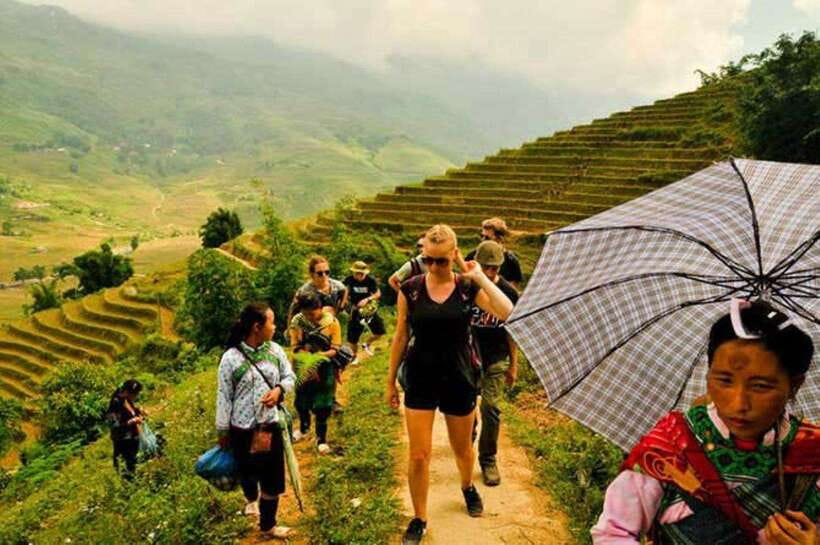
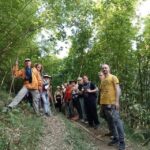
- Small group (up to 10) keeps questions easy and the pace human.
- Lai Chai village visit gives you a closer look at hill life and traditions.
- Working farmland views include terrace rice plus corn and potato plots.
- Waterfall photo stop breaks up the hike and adds a scenic reset.
- Local English-speaking guide helps you understand what you’re walking past.
- Lunch at a local restaurant keeps energy steady without wasting time hunting food.
A Half-Day Trek That Feels Like Real Sapa
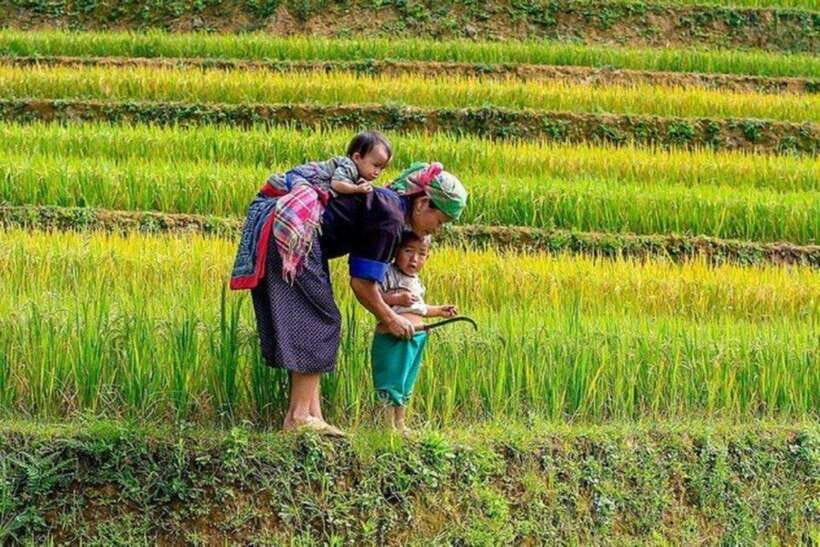
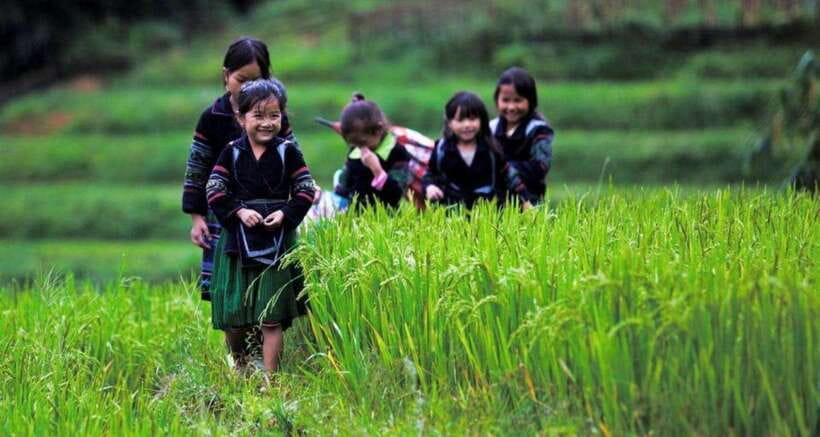
Sapa can be great for photos, sure. But if you want the day to feel like you’re part of the landscape’s daily routine, this kind of trek makes a difference. You’re not just moving from viewpoint to viewpoint. You’re walking through the same terraced fields and hill pathways that locals use to live and work.
What makes this half-day format smart is that it’s long enough to get out of town and into the countryside, yet short enough that you’re not stuck on a bus all afternoon. You also get a guide who talks while you walk, so the trek turns into a moving conversation about customs, habits, and how communities live up here.
The best part is how quickly the day changes. You start in Sa Pa with daily activity, then shift to terraces and villages. One hour you’re seeing street life; the next you’re looking at layers of farm plots climbing the hills. That mix keeps it interesting, even if you’ve hiked before.
You can also read our reviews of more tours and experiences in Sa Pa.

Hotel Pickup to Sa Pa Town: Getting Your Bearings Fast
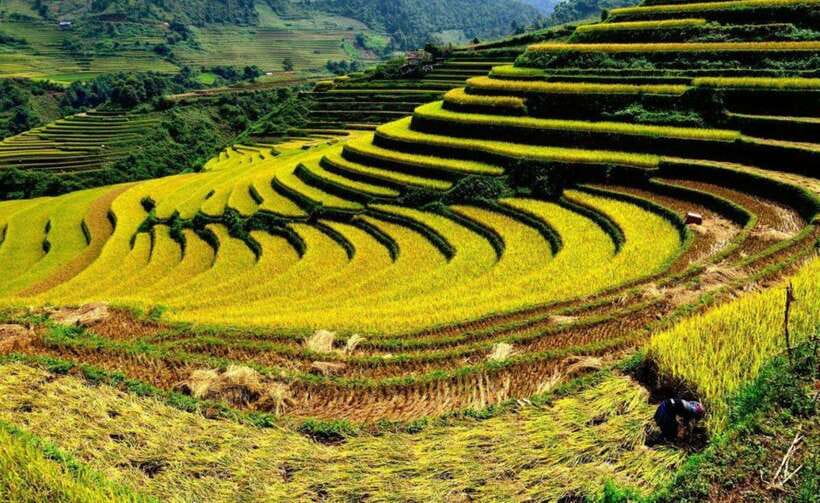
The day usually starts with pickup from your hotel in Sa Pa. Depending on where you’re staying, the exact pickup time can shift a bit. After you meet your local guide, you’ll head out on foot through Sapa town, where you’ll get a quick sense of everyday rhythm before the hills take over.
This town-walk section matters more than you might think. It helps you adjust to the altitude feel and the pace of moving around the area. You’re also better prepared for how the countryside feels, because you see the transition point: from built-up streets into paths and ridgelines where the terrain starts doing the work for you.
Expect stops along the way for photos and brief breaks. It’s not a racing start. It’s more like getting oriented, then gradually stepping into a bigger view.
Y Linh Ho, Lao Chai, Ta Van: Terrace Fields on a Working Route
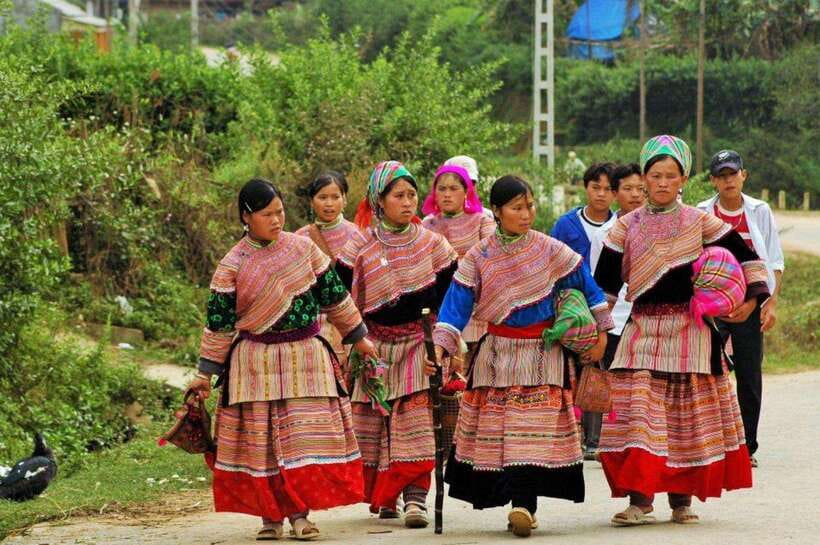
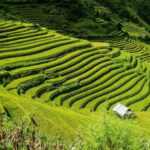
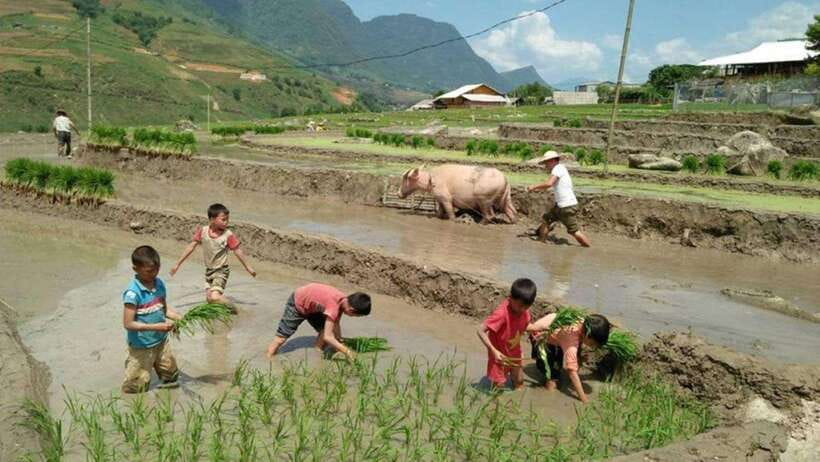
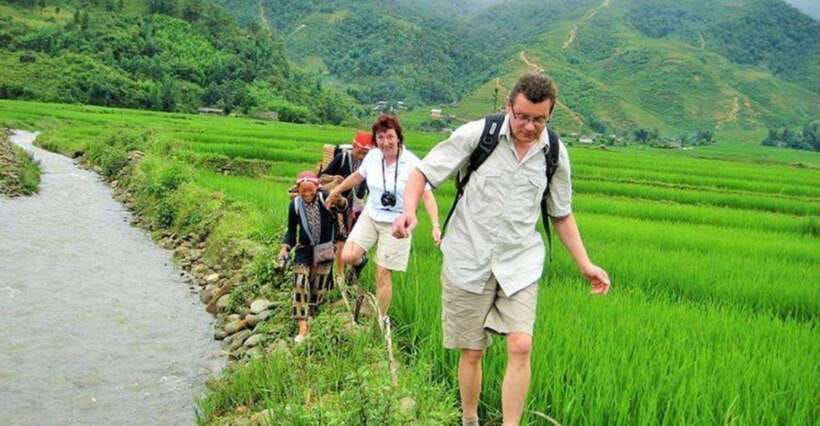
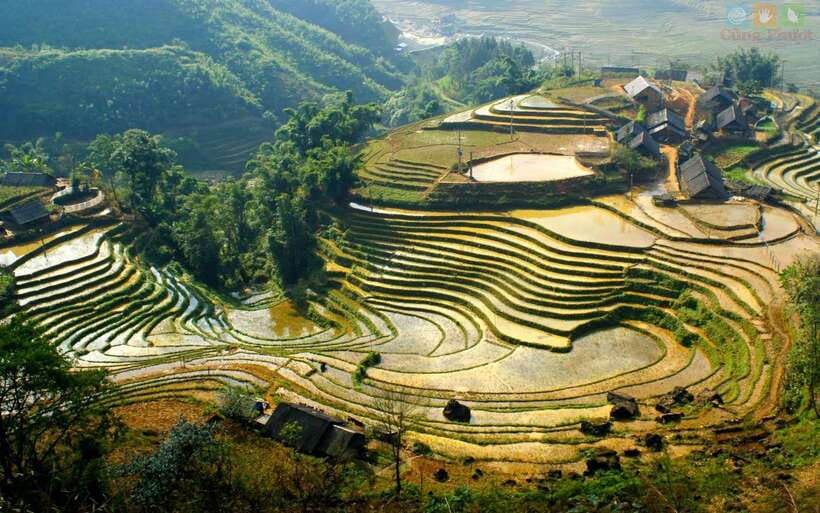
The trek’s core is the countryside walk through terraced farmland. You’ll see terrace rice in front of you again and again, plus corn and potato fields. That matters because Sapa isn’t just one pretty crop on a postcard. It’s mixed farming shaped by steep hills and careful water management.
A key feature here is the non-touristy route. That usually means fewer standard “stop here for ten minutes” moments and more continuous walking through farmland and local paths. The payoff is a more natural sense of what the area looks like when locals are farming, not when tour groups are arriving.
As you move through the countryside, you’ll get sweeping views over the valleys and ridges. The air tends to feel fresher up here, especially when you’re out of the town’s busier spots. And because it’s a half-day trek, you’ll want to slow down at times. Don’t just power through. Let your eyes adjust to the layers of terraces—they’re the point.
You’ll also hear cultural context from your guide while you walk. That’s what turns “pretty rice terraces” into “I get why they farm this way.” It’s also where questions are easiest, because you’re not trapped at one spot waiting for the group to catch up.
Lai Chai Village: Culture You Can Talk With
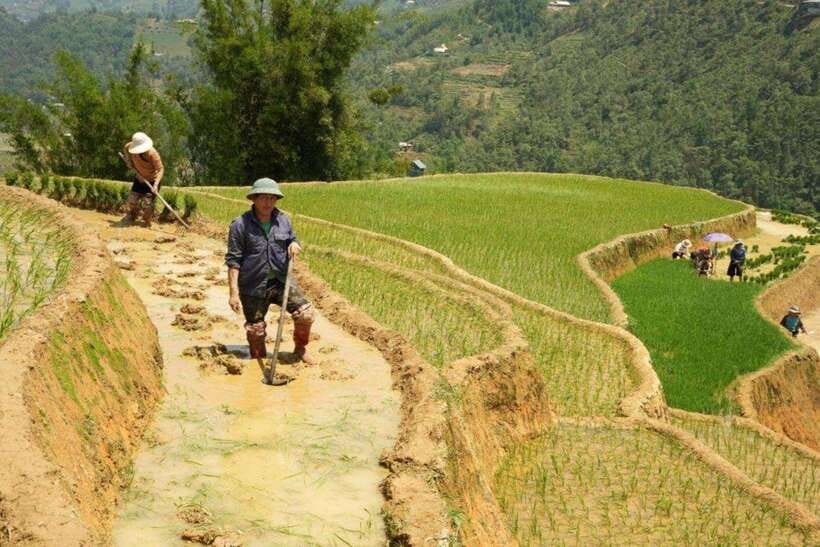
The standout “people” moment is the visit to Lai Chai village. This is where the day stops being only about scenery and starts being about how communities live. Your guide shares information about local culture, customs, and habits, and you’ll also walk through villages to better understand the region’s ethnic minority communities.
This part can feel like stepping into a different pace of life. Homes sit close to working land, and the pathways you walk are often the same ones used daily. You’re not going to a museum. You’re passing through lived-in spaces.
A quick heads-up: village visits can bring the occasional push to buy small items, because it’s a normal part of how some families interact with visitors. You can support them politely without feeling pressured—just be clear and consistent if you’re not interested.
Your day also includes a break for photos and a chance to pause at a waterfall. This stop gives your legs a breather and gives you a new backdrop for pictures. Rain or mist can change what you see, but it often makes the colors and movement around the waterfall look more dramatic.
Waterfall Pause and the Rhythm Between Villages
The waterfall stop is one of those “good timing” moments. After hours of uphill and downhill walking, you need a reset, and this provides it. It’s also a chance to take photos without the constant pressure of keeping your pace perfect.
From there, the walk continues through local villages and between viewpoints. The pace is designed for a small group and relies on your guide to manage the route. Because the trek is described as moderate-to-challenging, you should expect uneven ground and hills that ask more of your knees than flat-town walking.
When it’s going well, the rhythm feels smooth: walk, brief stop, listen to your guide, then walk again. When weather turns, the rhythm shifts. Paths can get slick, and you may slow down more to keep footing safe. This is where having the right shoes and taking your time pays off immediately.
Lunch at a Local Restaurant: Fuel Without the Tourist Trap
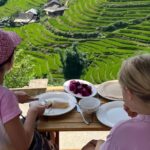
After the trekking portion, you’ll eat lunch at a local restaurant. This is one of the best “value-for-time” parts of the tour, because it removes the guesswork of finding something that’s both quick and filling while you’re already tired.
The menu isn’t listed in detail, but the tour does mention varied local cuisine. Practically, that means you’ll likely get flavors you wouldn’t automatically order if you were just scanning a menu at random. Also, the experience includes an option for vegetarian meals if you request it ahead of time.
One detail to plan around: drinks are not included. So bring water with you and keep a little extra cash or card ready if you want to buy bottled water or other drinks during the day.
Lunch tends to be the moment where you get your energy back and can reflect on what you just walked through. After that, you hop back on a shuttle bus and return to your hotel.
Weather, Footing, and What to Pack
This trek can be affected by weather, and there’s a simple reason: you’re hiking hills and paths that don’t transform into smooth sidewalks when it rains. In wet conditions, expect slipperier footing, so your shoes really matter.
Your packing list is straightforward and worth following:
- Comfortable shoes with good grip
- Hat for sun or misty weather
- Camera (you’ll want to capture the terraces and waterfall)
- Sunscreen
- Water
Also note what the tour asks you to avoid: no smoking and no littering, and don’t touch plants. That’s not only for respect—it helps keep the trail and farmland usable for the next person and the local families who live here.
If you’re the kind of traveler who likes clear footing and easy walking, this may feel like a workout. But if you’re comfortable with uneven terrain, you’ll probably find it rewarding. And if it’s raining, don’t panic. Just move slower, keep your balance, and listen to your guide about the safest sections.
Price and Practical Value for a 6-Hour Day
At $21 per person for a 6-hour experience, this tour is priced like a serious value—especially because it includes the parts that are usually expensive or annoying to arrange on your own: a local guide, a structured trek, lunch, and a shuttle back to your hotel.
What you get for that money is not just “transport and a walk.” You’re also paying for interpretation: your guide helps connect what you see—terraces, village life, and daily habits—to the bigger picture of how these communities survive and thrive in hilly terrain. That kind of context is hard to replicate if you’re going solo with only a map.
The group size is capped at 10 participants, which is another quality marker. You’re not wandering around a crowd. That helps with pace and with asking questions when you actually care about the answer.
One practical note: the tour includes lunch, but drinks aren’t included, so factor in a little extra spending for water and any tea or soda you want.
Should You Book This Sapa Trek?
Book it if you want a day that mixes terrace views plus village culture without committing to a full-day trek. It’s a good match for active travelers who enjoy walking, can handle uneven terrain, and want a local guide to explain what they’re seeing as you go.
Skip it if you fall into any of these categories mentioned for suitability: children under 8, pregnant women, people with mobility impairments, or anyone with heart problems. In other words, if you need a fully flat, gentle route, this one is unlikely to feel comfortable.
Also consider your comfort level with weather. Rain can make the paths slick, and the trek can become more demanding when the ground is wet. If you don’t mind slowing down and paying attention to footing, you’re usually fine.
FAQ
FAQ
How long is the trek?
The duration is listed as about 6 hours.
What kind of fitness level do I need?
The trek is described as moderate to challenging and best suited for people with a good physical condition.
Is lunch included?
Yes. Lunch is included at a local restaurant, and vegetarian meals are available upon request.
What’s included in the price?
The included items are a local English-speaking guide, trekking on non-touristy routes, a visit to Lai Chai village, lunch, and a shuttle bus back to your hotel.
Are drinks included?
No. Drinks are not included.
What language is the guide?
The tour offers a live guide in English and Vietnamese.
What should I bring for the day?
Bring comfortable shoes, a hat, a camera, sunscreen, and water.
Is this tour suitable for kids or mobility needs?
It is not suitable for children under 8 years old, pregnant women, people with mobility impairments, or people with heart problems.