REVIEW · WORKSHOPS
Hanoi: Vietnam Scents Perfumery Class
Book on GetYourGuide →Operated by Muối Studio · Bookable on GetYourGuide
Your nose becomes the guide in Hanoi. At Muối Studio, you start with an 80+ scents olfaction test, then build a formula and blend your own take-home perfume bottle. I love how practical it feels: real craft steps, not just watching. I also love the setting, with air-conditioned calm that stays clean and quiet while you work.
One thing to plan around: the studio’s open hours can be irregular, and the class runs with limited seats, so you’ll want to double-check timing and head to the right floor.
In This Review
- Key things to know before you go
- Where the class happens: Muối Studio, floor 1, and a quiet craft room
- The olfaction test: choosing scents the smart way
- Building your fragrance formula: guidance that actually gets you to the finish line
- Blending at the perfumer station: from selected notes to a real take-home bottle
- The learning you’ll take home (even if you just came for fun)
- Price and value in Hanoi: what $39 covers, and why it feels fair
- Who should book this class, and who should skip it
- Should you book it?
- FAQ
- How long is the Hanoi Vietnam Scents Perfumery class?
- Where do you meet for the workshop?
- What’s included in the price?
- Do I get to choose the bottle size?
- Is the class taught in English?
- Is it a small group activity?
Key things to know before you go
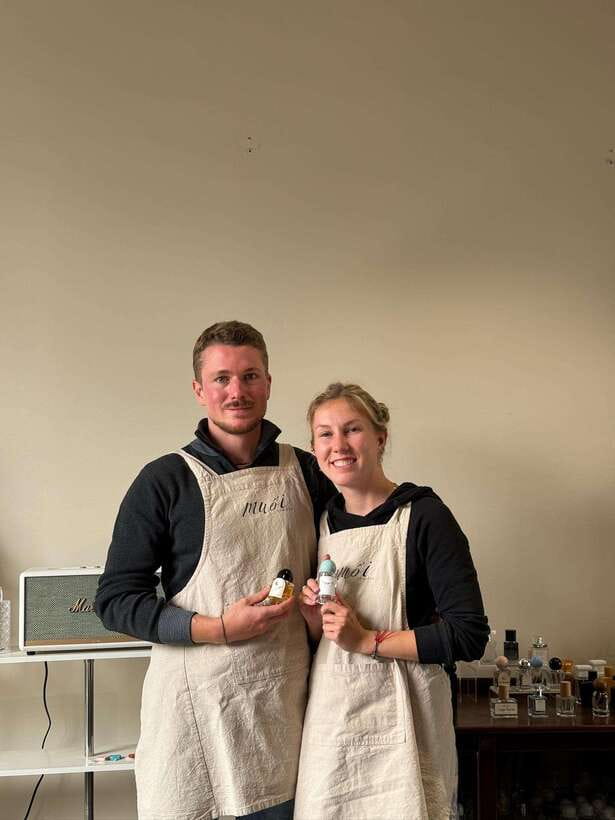
- 80+ scents to smell side-by-side so you can spot what you actually like
- Olfaction test → formula → blending, with real guidance at each step
- You test your mix at least twice and adjust it until it feels right
- Bottle choice from 10ml, 30ml, 50ml to 100ml for your final take-home
- Personalized stickers, box, and bag so it leaves looking gift-ready
- English and Vietnamese instruction with a small group capped at 10
Where the class happens: Muối Studio, floor 1, and a quiet craft room
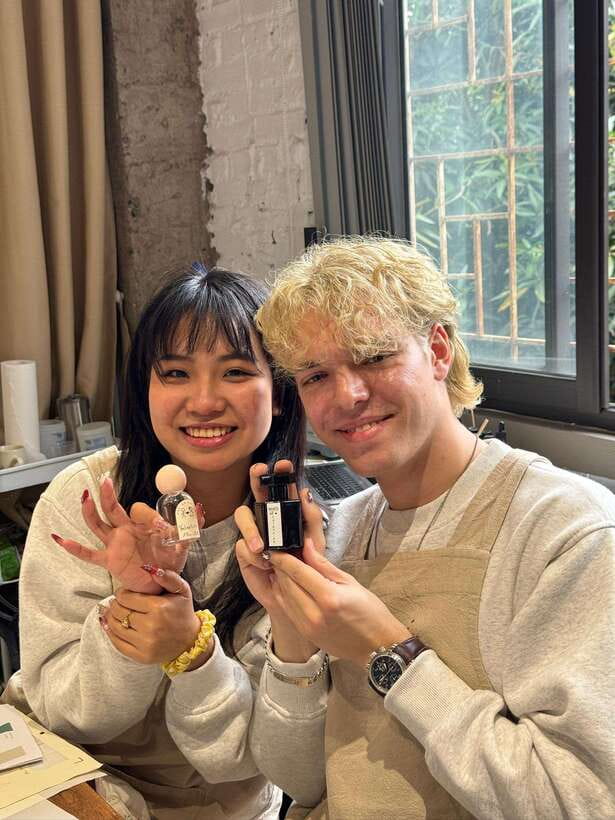
This workshop takes place at Muối Studio in Dong Bac. The meeting point is simple: you start on the 1/F of the building, and the class ends back there. That sounds small, but it matters. One participant noted the hardest part was finding the location, so treat that first 10 minutes as part of the experience. If you’re using maps, zoom in until you can see the exact building and entrance.
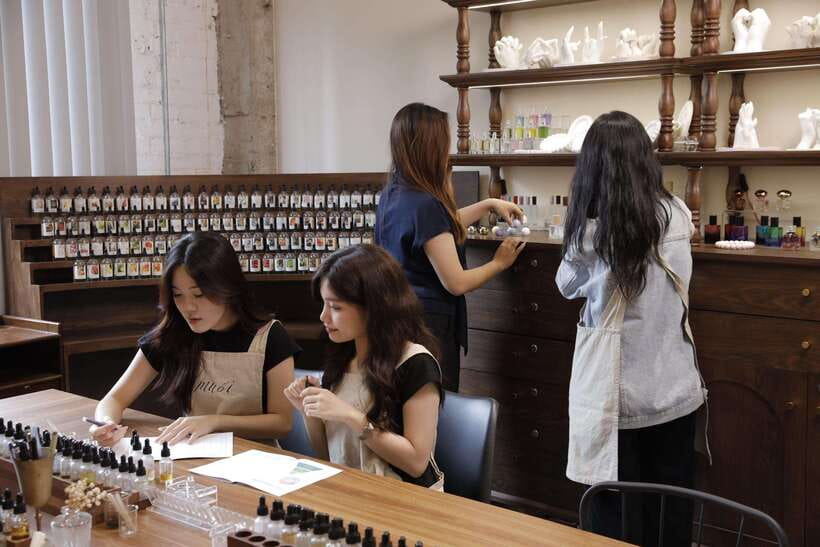
Inside, the room is set up for focus. Expect a clean, quiet space with air-conditioning, so you can smell carefully without heat and noise getting in the way. Several people called out how calm it felt, and that makes a difference because perfumery is all about detail. You’re not just picking a fragrance you’ve heard of. You’re choosing notes you can distinguish, then learning how they work together.
The group stays small (up to 10), so you get real attention when you need it. If you tend to ask questions, you’ll likely get answers in a way that feels patient rather than rushed.
You can also read our reviews of more tours and experiences in Hanoi


The olfaction test: choosing scents the smart way
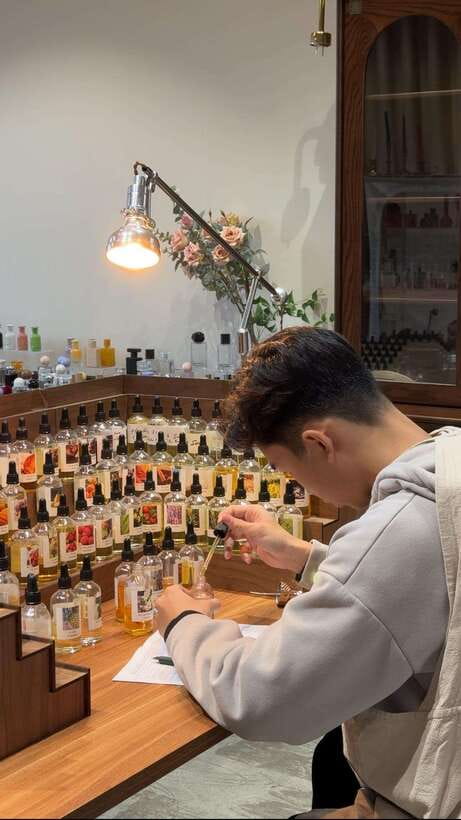
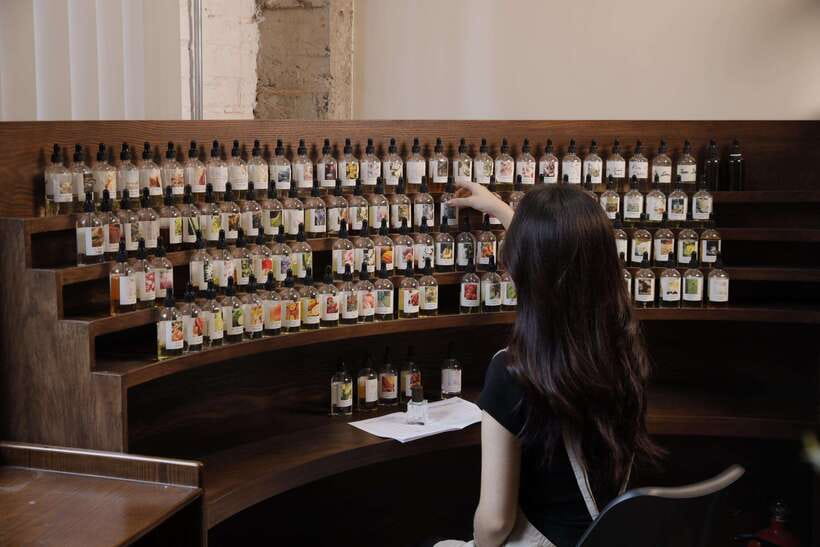
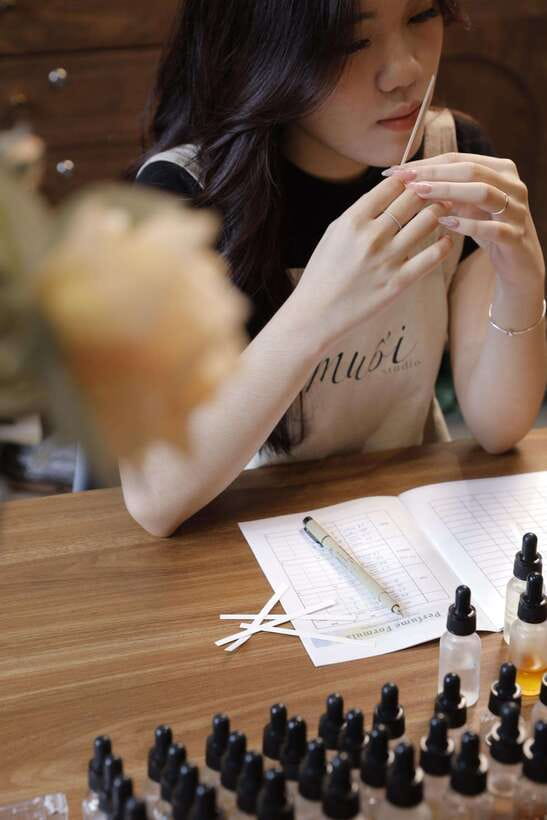
The first step is the olfaction test. This is where you move from random smelling to structured selection. You’ll explore more than 80 scents, and you’ll notice they come in different styles and sizes of bottles. That variety helps you compare like with like, instead of grabbing whatever is strongest in the room.
What I like about this stage is the pacing. You’re encouraged to slow down and think. People with no perfumery background still felt comfortable because the instructor helps you connect what you like to what it is. In a couple of classes, participants mentioned learning scent families and how to blend different types.
You’ll also start to figure out your personal taste fast. One reviewer said sniffing the oils and bases helped them understand what they love and what they don’t. That’s a useful takeaway even if you only come for a souvenir. After the test, you stop guessing and start selecting with intent.
If you like hands-on activities, this is the part you’ll probably enjoy most. It’s sensory, but it still feels organized.
Building your fragrance formula: guidance that actually gets you to the finish line
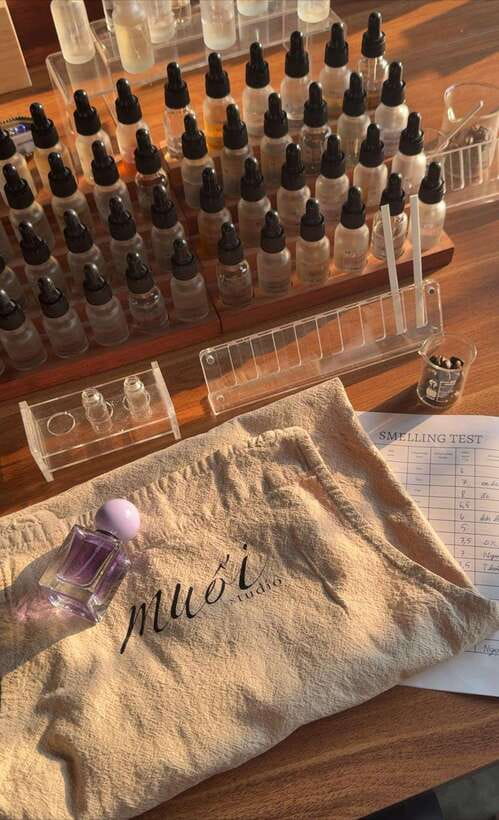
After you pick scents, the workshop shifts into the part people usually underestimate: creating the professional fragrance formula. This is not just mixing random drops until it smells good. You’re taught how to create a balanced blend, then guided to refine it.
The instructor leads you through the steps, and they do it in English and Vietnamese. In practice, that means you can follow along even if your Vietnamese is basic. Reviews also pointed out that the teachers are friendly and present, with one person praising the instructor’s availability during the class.
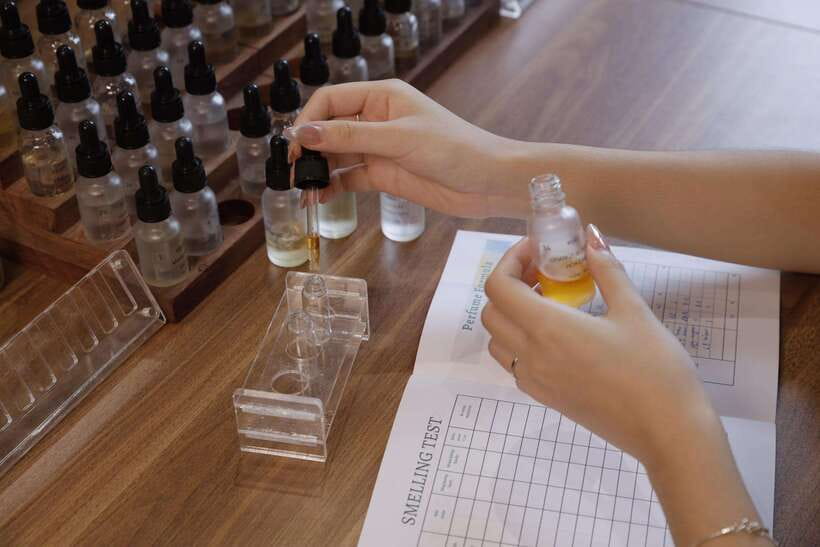
You’ll test your formula at least twice. That’s a key detail. It turns the process into something you can improve in real time, rather than hoping your first try is the final one. One participant specifically mentioned receiving extra balancing tips after their first test. That kind of feedback is where the class earns its spot, because it turns smelling into learning.
I’d also call out the tone here. Multiple reviews described feeling unhurried and patient. That matters because perfume blending can feel technical, and you need time to make small changes without panic. If you’re the type who hates being rushed, this pace should suit you.
Blending at the perfumer station: from selected notes to a real take-home bottle
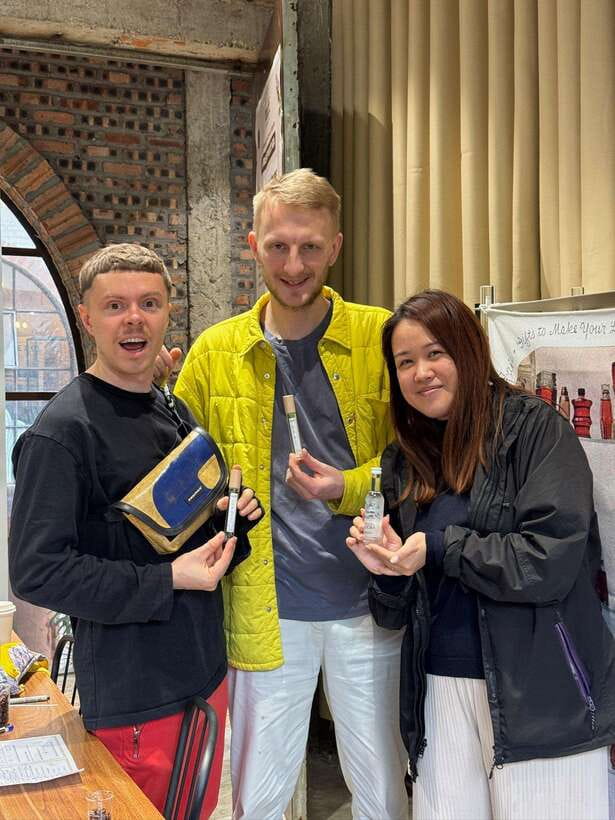
Once your formula is close, you move to the blending step at the perfumer station. This is where you get your hands on the craft. You’ll blend your perfume ingredients while you follow the guidance from your instructor.
At this point, your choices become physical. You’ll also select your final bottle from the studio’s collection in 10ml, 30ml, 50ml, and 100ml sizes. If you’re unsure what to pick, think about how you’ll use it:
- 10ml is great if you want a personal souvenir you’ll dab occasionally.
- 30–50ml makes sense if you want a daily driver or a gift-ready bottle.
- 100ml is for people who know they’ll actually wear it often.
You also leave with a complete package. You’ll get personalized stickers for your bottle, plus a perfume box and a bag. That’s not an afterthought. It’s part of making your perfume feel like a real product you made, not a half-finished craft project.
One participant even mentioned they were given a tripod so they could film the process. If you like recording what you’re doing, ask about filming-friendly setup during the class, because it seems at least sometimes they plan for it.
The learning you’ll take home (even if you just came for fun)
Yes, you’ll smell things and blend your own perfume. But the longer-lasting value is how your nose starts to “think.”
By the time you finish, you’ll have a clearer sense of:
- what different scent families feel like in practice
- how changing the balance affects the final result
- how to build a blend instead of choosing a single smell and calling it a day
That’s why people mention having a signature scent afterward. Not everyone wants to become a perfumer, but the method sticks. Even if you later buy perfume in Hanoi or elsewhere, you’ll have a better way to evaluate it.
And because you test at least twice, you don’t just end up with a mystery outcome. You see how adjustments change the blend. That’s also why the class feels worth repeating for some people. If you go back, you’ll likely want a totally different scent profile and you’ll understand how to get there.





Price and value in Hanoi: what $39 covers, and why it feels fair
The price is $39 per person for a class that runs about 2 to 2.5 hours (you’ll want to check starting times for the exact schedule). On paper, that could sound like a “fun activity” price.
In practice, it’s better than it looks because the cost includes more than just instruction. You get:
- the perfume class tuition
- a perfume bottle (as part of the package)
- all ingredients
- a booklet
- the full package (including the box and bag)
That turns the class into an experience with a tangible output. You’re not paying for an hour of watching someone mix things. You’re paying to create a custom fragrance you can take home immediately.
Also, the class size is limited to 10 participants. Small groups often cost more because instructors can’t scale up. Here, you get personal guidance rather than being one face in a big room.
So if you’re choosing between a generic tour and a skill-based workshop, this tends to win for value. It’s craft, it’s sensory, and you leave with something you can actually use.
Who should book this class, and who should skip it
This is a great fit if you:
- want a creative, hands-on experience in Hanoi
- like smelling lots of scents and learning what you prefer
- want an activity that’s calm and organized, not chaotic
It’s also a strong choice for couples, friends, and solo travelers because the room stays quiet and the process is structured. The instructor being available and patient (as noted in multiple reviews) helps you feel comfortable, even if you know nothing about perfumery.
It’s not suitable for children under 10, so think of it as an adult-focused workshop. And because the class involves alcohol-free handling rules (the class notes alcohol and drugs are not allowed), it’s best for a straightforward, clean environment. If you’re sensitive to strong smells, keep expectations realistic: you will be sniffing many oils and bases.
Finally, language is covered. The instructor speaks both English and Vietnamese, so you won’t be stuck if you only speak one.
Should you book it?
If you want a Hanoi souvenir that’s personal and actually wearable, I think this is an easy yes. The big reasons: you build a real formula, you blend at the station, and you leave with your own bottle plus packaging that looks intentional.
Book it if you like detail, calm spaces, and learning through doing. Skip it only if the idea of smelling a lot of concentrated scents sounds unpleasant to you, or if your schedule can’t handle the studio’s irregular open hours and limited seats.
If you’re flexible and you want something different from the usual city checklist, this perfumery class is a smart way to spend a couple of hours in Hanoi.
FAQ
How long is the Hanoi Vietnam Scents Perfumery class?
The class runs about 2 to 2.5 hours, depending on the starting time you choose.
Where do you meet for the workshop?
You meet at the 1/F of the building, and the experience ends back at the same meeting point.
What’s included in the price?
The price includes the perfume class tuition, a perfume bottle, all ingredients, a booklet, and the full package (including the bottle’s presentation items).
Do I get to choose the bottle size?
Yes. You can choose from 10ml, 30ml, 50ml, and 100ml sizes for your final take-home perfume.
Is the class taught in English?
Yes. The instructor speaks both English and Vietnamese.
Is it a small group activity?
Yes. The class is limited to 10 participants, so you get more guidance during the formula and blending steps.