REVIEW · HIKING & TREKKING
Sapa trekking 2 days small group
Book on Viator →Operated by Saparis Horizon Travel · Bookable on Viator
A two-day trek in Sapa feels like a whole vacation. This small-group Sapa Homestay trek has you walking Muong Hoa valley village paths, eating local food at village homes, and spending the night with a family. Guide Lily/Lulu gets a lot of love for being careful and upbeat, which matters when trails get steep.
What I like most is the small group size (max 15), so the pace feels human and questions get answered instead of ignored. I also really appreciate the practical package: pickup, meals, water, and homestay are included, so you can focus on the walk and the people.
One thing to keep in mind: the homestay can be basic and on the smaller side, so if you’re expecting a big, hotel-like setup, you’ll want to adjust your expectations.
In This Review
- Key things that make this trek worth your time
- Why this Sapa homestay trek works (instead of just walking a track)
- Pickup, timing, and how the “2 days” actually feel
- Day 1: Sapa to Y Linh Ho, Lao Chai, and Ta Van (with lunch built in)
- Sapa meeting and Muong Hoa valley start
- Y Linh Ho: Black H’mong village life
- Lao Chai: a fuller village stop plus lunch by the river
- Ta Van: rice terraces, interaction, and overnight homestay
- Day 2: Ta Van viewpoint, Giang Ta Chai (Red Dzao), and the Su Pan pickup
- Morning trail from Ta Van: looking down on Muong Hoa valley
- Giang Ta Chai: lunch with a Red Dzao family
- Finishing near Su Pan and returning to Sapa town
- The best part: the guide makes or breaks this kind of trek
- What you actually get for $80: value that’s hard to beat
- Homestay expectations: where to be flexible (and where not to)
- Who this trek suits best (and who might want a different style)
- Practical tips so your feet stay happy
- Should you book Sapa Trekking 2 days – Homestay?
- FAQ
- How much does this Sapa trek cost?
- How long is the tour?
- What’s included in the price?
- What isn’t included?
- Is pickup from Sapa town included?
- What group size should I expect?
- Do I get a ticket on my phone?
- Where do you stay overnight?
- What are the cancellation terms?
Key things that make this trek worth your time
- Max 15 people keeps the group moving at a comfortable rhythm and makes village visits feel less crowded.
- Overnight homestay in Ta Van means you see village life after the day-walk is over.
- Two village lunches with local food reduce the hassle of finding meals on the trail.
- Muong Hoa valley trekking takes you through different ethnic communities, including Black H’mong (Y Linh Ho, Lao Chai) and Giang Ta Chai / Red Dzao (Day 2).
- Guide-led navigation and Q&A is a real quality-of-life upgrade on mixed-language routes.
Why this Sapa homestay trek works (instead of just walking a track)
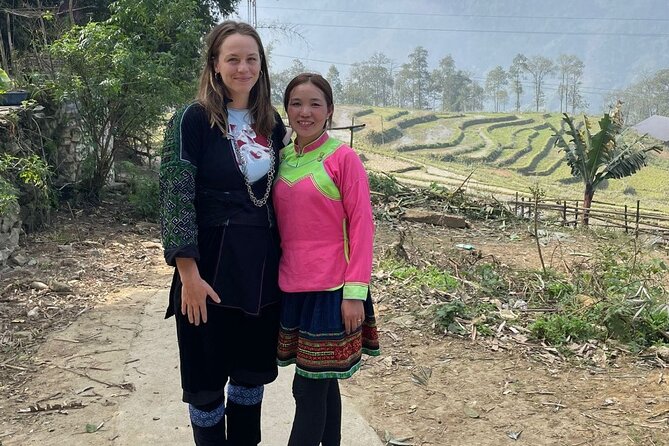
Sapa treks can fall into two categories: the ones that feel like a sightseeing checklist, or the ones that let you actually slow down. This one leans toward slowing down. You’re not just seeing villages from a distance—you’re moving through them, stopping for meals, and sleeping in the community.
The best part is how the plan is built around daily life. Day 1 moves village to village along Muong Hoa valley, with time to meet people and eat where you’re staying. Day 2 continues the trail from Ta Van, including a viewpoint walk and lunch at a Red Dzao home before the car brings you back to Sapa town.
If you like trekking that mixes exercise with culture—without turning it into a lecture marathon—this format is a good fit.
You can also read our reviews of more hiking tours in Sapa

Pickup, timing, and how the “2 days” actually feel
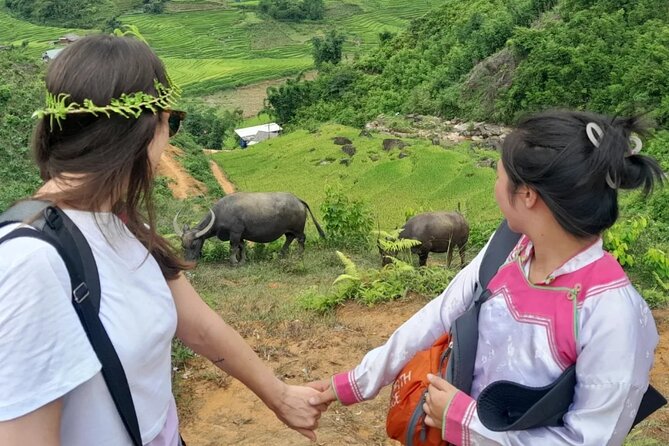
The schedule starts early. In Sapa town, you’re picked up around 08:00 to 08:30 and your guide meets you at the meeting point. Then you begin walking from there toward the valley.
Most of the day is walking plus scheduled stops. Day 1 includes several village segments:
- Y Linh Ho (start trekking after Sapa town)
- Lao Chai (including a lunch break)
- Ta Van (including arrival and overnight homestay)
Day 2 starts with breakfast in Ta Van, then a morning trail segment to a higher viewpoint area. After that, you head toward Giang Ta Chai Village for lunch with a local family and finish with a transfer from the main road near Su Pan village back to Sapa town.
In plain terms: this is not a short stroll you can tack onto a lazy morning. It’s a real hike, but it’s paced for a group that can handle mountain walking.
Day 1: Sapa to Y Linh Ho, Lao Chai, and Ta Van (with lunch built in)
Sapa meeting and Muong Hoa valley start
You’ll begin with a brief introduction and then set out from Sapa town. This opening matters more than it sounds. Having a guide get you oriented early helps when you’re moving between paths, river crossings, and village lanes.
Y Linh Ho: Black H’mong village life
Your first trekking section leads to Y Linh Ho, associated with the Black H’mong people. This is the first village stop, so it works as a kind of warm-up: you start seeing how the trail connects to everyday living, not just scenery.
The time window here is enough to get a feel for the place without turning the visit into a rushed photo run. If you enjoy simple conversations—what people do, what they wear, how life is organized—this is a good entry point.
You can also read our reviews of more tours and experiences in Sapa





Lao Chai: a fuller village stop plus lunch by the river
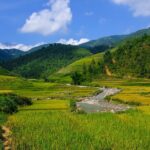
Next comes Lao Chai, another Black H’mong community. The trek includes a small bridge crossing as you enter Muong Hoa valley. That kind of moment is small, but it’s the stuff that makes walking feel like more than movement.
Lunch is scheduled in Lao Chai at a local restaurant near the river, and there’s also an option mentioned in the plan for a picnic-style lunch uphill. Practically, that means you’re not left hunting for food partway through the day.
If you want the most authentic experience, lean into the lunch where it’s set. It’s part of how these treks stay respectful to the day’s rhythm.
Ta Van: rice terraces, interaction, and overnight homestay
Afternoon brings you to Ta Van, known for rice terraces and visits with the Giáy people. The route shifts into a more village-and-field mix, so expect more open views and a sense of scale as you walk.
By the time you arrive, you’ll head to a homestay/local house of a minority ethnic community for the night. You’ll have time to relax and talk together after the trekking day winds down.
This is where the tour earns its name. A day trek gives you a story. An overnight homestay gives you something more personal: you’re there when the pace changes.
Day 2: Ta Van viewpoint, Giang Ta Chai (Red Dzao), and the Su Pan pickup
Morning trail from Ta Van: looking down on Muong Hoa valley
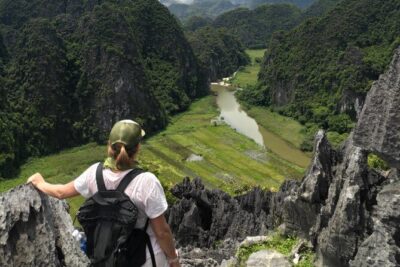
After breakfast, you follow the local trail to see the Muong Hoa valley from higher ground. That morning walk is a nice contrast to Day 1 because it shifts from village-to-village movement toward a viewpoint-focused feel.
If you’re the type who likes photos, this is the part you’ll probably remember most. But it’s also just calming. A higher viewpoint gives you context—like you’re finally understanding where you’ve been walking all day before.
Giang Ta Chai: lunch with a Red Dzao family
You then trek toward Giang Ta Chai Village of the Red Dzao people. Lunch is at a local home, and the plan highlights trying local food there.
This is a key value point. Many treks list meals, but the difference here is that meals are part of the village connection. You’re not just eating because it’s scheduled—you’re eating where you’re visiting.
Finishing near Su Pan and returning to Sapa town
The trip wraps by finishing on the main road near Su Pan village. From there, the car picks you up and returns you to your accommodation in Sapa town.
That ending is practical. You don’t have to figure out transport after your hike. You just keep your eyes on the trail and then hand off to the team.
The best part: the guide makes or breaks this kind of trek
In Sapa, your guide is doing three jobs at once: route planning, cultural interpretation, and group care. The names Lily and Lulu come up often for a reason.
People call out Lily/Lulu as:
- Professional and careful on the trail
- Friendly and energetic, which helps keep the mood up
- Good at answering questions about local villages and ethnic communities
That matters because trekking days involve small logistics: pacing, rest stops, making sure everyone stays together, and keeping you comfortable on steep sections. A guide who is calm and attentive makes the entire trek feel smoother, even when the walking is challenging.
What you actually get for $80: value that’s hard to beat
At $80 per person for a 2-day trek, this package feels solid because it includes the everyday costs that add up fast on your own.
Included items:
- Accommodation for 1 night
- Dinner and breakfast
- Two lunches
- Water (1.5L/day)
- Pickup from Sapa town and return by car to Sapa town
- A small group experience (max 15)
Not included:
- Tips
- Personal expenses
- Anything outside the listed inclusions
For value, the big three are meals, water, and the overnight. If you’ve ever tried to hike in mountainous areas without a package, you know how quickly it turns into an all-day planning problem. Here, those parts are handled.
This is also one of those trips where being in a small group can justify the price. Less crowding means more time at stops and less waiting around.
Homestay expectations: where to be flexible (and where not to)
The homestay is included and is the heart of the experience. That said, one concern that came up: the homestay may be smaller or more basic than some people want.
So here’s my advice: treat the homestay as part of the deal, not a hotel replacement. If you come with the mindset of sleeping simply, eating well, and having conversation, you’ll likely be happy.
If you’re sensitive about space, quiet, or comfort, consider bringing earplugs or anything you’d use in a simple room. Keep expectations aligned with the setting.
Who this trek suits best (and who might want a different style)
This trek is a great match if you want:
- A guided village trek with cultural stops
- An overnight homestay instead of a day-only route
- A manageable group size with a guide who pays attention
It may be less ideal if you:
- Want lots of free time with no structure
- Expect a large, hotel-grade homestay
- Are looking for flat, easy walking only
The plan says most travelers can participate, but that’s broad. Use the itinerary as your clue: you’re walking multiple hours per day with village stops and elevation changes.
Practical tips so your feet stay happy
No matter your fitness, mountain trekking is about preparation more than speed. I’d pack around comfort and weather readiness. A few ideas:
- Wear sturdy, grippy shoes you’ve already broken in
- Dress in layers so you can handle cool mornings and warmer afternoons
- Bring a small daypack for water and snacks between meal breaks (water is provided, but you may want extras)
- Have cash or small bills ready for personal expenses and tips (tips aren’t included)
Should you book Sapa Trekking 2 days – Homestay?
If you want a Sapa experience that feels personal, this is a strong choice. Two days is long enough to walk real trails and still enjoy the homestay evening, and the inclusion list removes a lot of the guesswork.
I’d book it if you’re excited by village life, you’re okay with simple accommodation, and you’ll appreciate a guide who keeps the group safe and informed—especially if you get matched with Lily/Lulu.
I’d hesitate if you need bigger comforts from the homestay or you’d rather do a less structured, more flexible trek.
FAQ
How much does this Sapa trek cost?
It’s priced at $80.00 per person.
How long is the tour?
The duration is 2 days (approx.).
What’s included in the price?
Dinner, breakfast, water 1.5L/day, accommodation for the overnight, and two lunches are included.
What isn’t included?
Tips, personal expenses, and anything not listed under included services/items aren’t included.
Is pickup from Sapa town included?
Yes. Pickup is offered in Sapa town (around 08:00–08:30).
What group size should I expect?
This tour has a maximum of 15 travelers.
Do I get a ticket on my phone?
Yes, the tour uses a mobile ticket.
Where do you stay overnight?
You stay one night in a homestay/local house in Ta Van.
What are the cancellation terms?
You can cancel for free up to 24 hours in advance for a full refund. If you cancel less than 24 hours before the start time, the amount paid isn’t refunded.