REVIEW · HIKING & TREKKING
Sapa Tour: 2-Day Fansipan Trekking
Book on Viator →Operated by Vietnam Nomad Trails · Bookable on Viator
Fog on the roof of Vietnam.
What makes this trip worth your time is how cleanly it’s organized for a summit attempt: transport is handled, you start with breakfast, and your guide keeps the whole day moving. I also like that it’s built around the mountain’s human side—you learn about the environment and the Indigenous tribes living up on these slopes.
I love the practical comfort choices here. You’re told up front that you won’t be hauling surprise loads because there’s porter support, plus you get food and water mapped into a tight schedule. That means you can focus on footing and breathing instead of doing mental math with every bag weight.
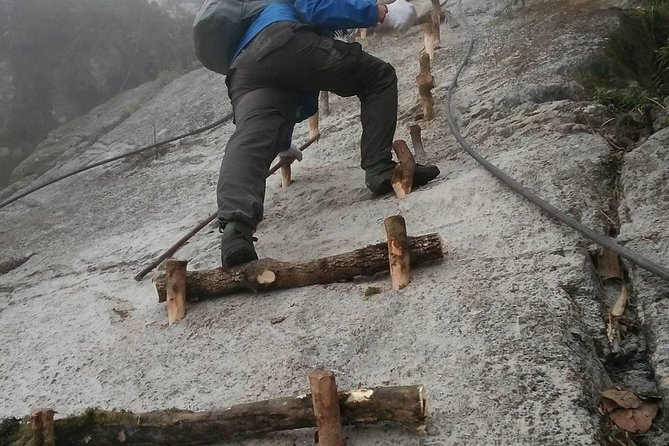
One thing to consider: the route goes up around 10,000 feet, so expect real cold and real effort. Even if you’re fit, this is still a trekking day, not a gentle walk, and the fog at the top can make the hike feel even more intense.
In This Review
- Key points worth knowing before you go
- Why Fansipan works so well as a 2-day goal
- Getting from Sapa to the trailhead without the headache
- Day 1 on the mountain: learn first, then hike
- Overnight shelter: the part most people underestimate
- Day 2: summit time, then the descent back to Tram Ton
- Sa Pa Town time before your climb (and why it’s a nice reset)
- Food and water: included basics that keep you steady
- Porter support: the difference between tough and miserable
- The guide piece: English support and summit focus
- Group size and pace: max 20, small enough to stay human
- Price and value: what $136.65 buys you in real terms
- Who should book this Fansipan 2-day trek?
- Book it or skip it: my practical verdict
- FAQ
- Where does this tour start?
- What time does the trek begin?
- How does pickup work?
- What meals and drinks are included?
- What kind of overnight accommodation is included?
- Do I need a passport?
- Is the tour refundable if my plans change?
- What are the group and age limits?
Key points worth knowing before you go
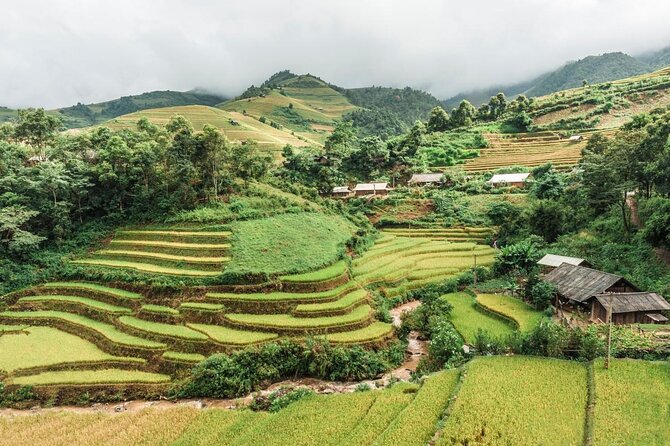
- Small group, max 20 people: you get a guided pace without feeling lost in a crowd
- Porter help: fewer heavy surprises on your back
- Park permission + entrance fees included: you don’t have to hunt paperwork
- Overnight on the mountain: sleeping arrangements and shelter are part of the plan
- Summit time with your guide: navigation support when it counts most
Why Fansipan works so well as a 2-day goal
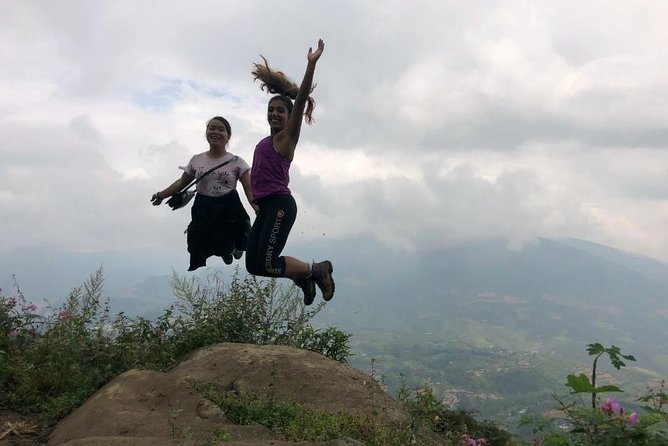
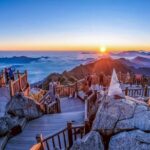
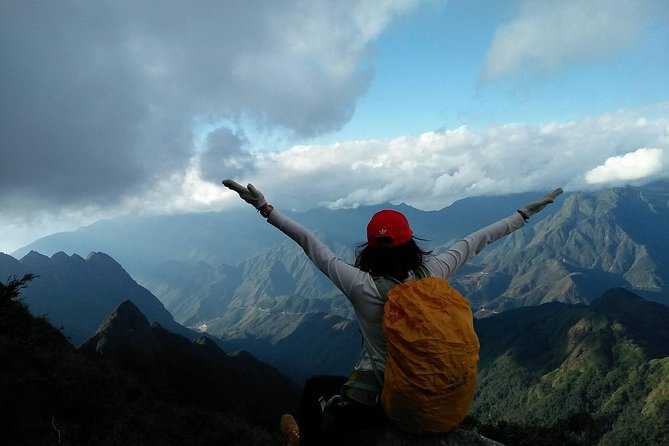
Fansipan is one of Southeast Asia’s big altitude climbs, topping out around 10,000+ feet. In plain terms: your body notices the altitude, the air can feel sharp, and weather can change fast. If you want those summit views but don’t want to plan an entire solo logistics chain, this format is a smart fit.
The value here is the way it removes friction. You’re picked up, you’re guided, meals are included, and you sleep somewhere in the mountain area so you’re not doing a full start-to-finish scramble in one day. It’s also a small-group setup, which matters on mountain trails where crowds can slow everyone down and make it harder to find your rhythm.
You can also read our reviews of more hiking tours in Sapa
Getting from Sapa to the trailhead without the headache
Day 1 kicks off with pickup. Depending on where you’re starting, you may be collected from Lao Cai station or your hotel in Sapa. Either way, the tour covers round-trip transfers from Sapa’s train and bus stations, which is a huge help if you’re juggling arrival times.
The day’s flow is simple:
- breakfast after pickup
- then you move to Tram Ton, the trekking base area
This matters because the biggest “silent” challenge in mountain treks isn’t the climb itself—it’s the pre-climb chaos. When transport and timing are already handled, you can show up, eat, and just go.
Day 1 on the mountain: learn first, then hike
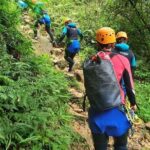
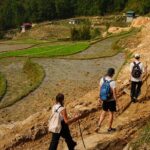
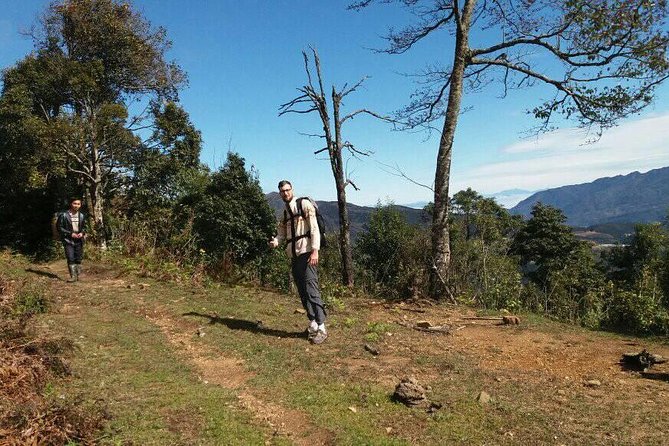
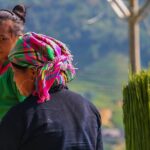
The tour takes you from Tram Ton into a trek on Fansipan. You’ll hike with an English-speaking guide, and the experience is framed as more than just cardio. The focus is on the environment and the Indigenous tribes living on the mountain.
That theme isn’t just for storytelling. When you understand what you’re walking through—how the mountain ecosystem changes with altitude, and how Indigenous communities relate to these landscapes—you tend to walk more attentively. Your stops feel less random. The scenery lands harder.
What you should expect from Day 1 realistically:
- steady trekking time with a guided pace
- a full day that ends in shelter on or near the mountain area
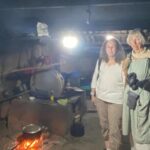
From the review details I picked up, the overnight setup can be a shared wooden cabin with separate rooms, and that kind of arrangement is exactly what makes a summit attempt in 2 days feel doable. You’re not improvising accommodation at 3 p.m. with cold hands.
Overnight shelter: the part most people underestimate
Sleeping on the mountain is where “easy” trekking fantasy disappears. This tour includes accommodation using sleeping bags plus a hut/tent style setup (depending on conditions).
Here’s why it’s a big deal: you’re gaining time for a summit push on Day 2. If you were doing this unguided, you’d be spending energy on finding shelter, confirming access, and hoping the weather holds. Instead, you’re handed a plan.
And it’s not just shelter. One review mentioned that the cabin had separate rooms inside a shared cabin structure. Another noted the team provided a good place to sleep and solid food. That’s the kind of practical win you want before an altitude summit.
Day 2: summit time, then the descent back to Tram Ton
Day 2 is the “go time” day. The itinerary is straightforward:
- climb to the top
- then go back down to Tram Ton
Climbing to the summit on Day 2 is where the earlier planning pays off. Since you slept on the mountain area, you’re not starting at sea-level energy levels and trying to catch up on hours of delay. You start the day already positioned for the climb.
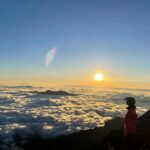
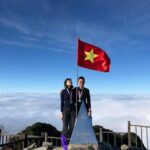
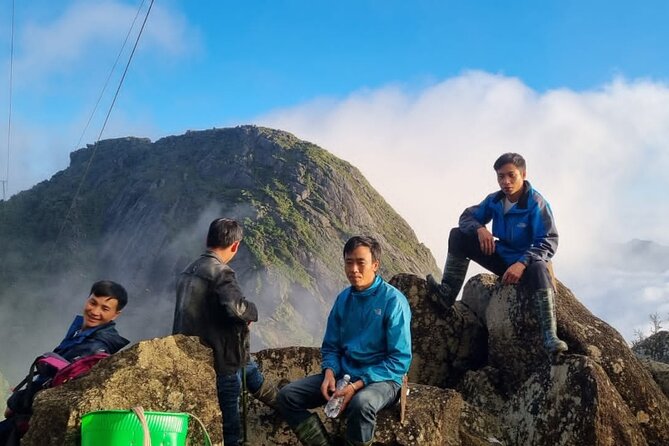
Also, the summit experience can swing from clear views to fog. One review highlighted mystical fog at the summit. If you get fog, don’t treat it like failure. With mountains, weather is a character in the story. When visibility drops, the trail can feel more dramatic and the cold more noticeable. Your guide helps you stay on plan.
You can also read our reviews of more tours and experiences in Sapa
Sa Pa Town time before your climb (and why it’s a nice reset)
The tour includes time to explore Sa Pa Town at your own pace before you climb. That’s more than a “nice extra.” It’s smart energy management.
Here’s what you can do with that freedom:
- get local snacks and drinks ahead of the trek
- walk around, people-watch, and get your bearings in town
- buy essentials if you forgot something important
You’ll start the trek feeling less rushed and more ready. And when your trek starts, you’ll have fewer distractions.
Food and water: included basics that keep you steady
This is not a bare-bones day hike where you guess how hungry you’ll get. The tour includes:
- 1 breakfast
- 1 dinner
- 2 lunches
- water: 1.5L per person per day
That hydration piece matters at altitude. Even if you don’t feel thirsty, drinking helps you stay functional. And when meals are already included, you don’t have to spend trek time hunting food choices that may not fit your stomach.
One review called out that the food was good. That’s not a guarantee for every run, but it suggests you’re not signing up for a “survive on crackers” vibe.
Porter support: the difference between tough and miserable
A lot of mountain treks sell themselves as adventure, then punish you with unexpected loads. Here, the trip specifically aims to avoid that: porter support is part of the plan so you’re not dragging everything you brought just to prove a point.
What that means for you:
- you can keep your own load manageable
- you’re less likely to start the trek already drained
- you can spend energy on steps, not straps
If you’re doing this with a friend, porter support can also reduce the silent stress of comparing who brought what and who’s suffering more. The whole group stays steadier.
The guide piece: English support and summit focus
The tour is led by an English-speaking guide, and the guide plays a key role because the itinerary involves a summit attempt. Getting lost isn’t just uncomfortable—it can turn into a dangerous time sink on a mountain.
One review mentioned the guide (named Mr Zi) had correct English but was not very talkative. That may sound like a mismatch if you love chatty guides. But on mountain days, a focused guide can be a plus: fewer detours, more attention on pace and safety.
The best sign in the feedback is simple: people finished the trip happy and felt helped. That’s what you want most at altitude.
Group size and pace: max 20, small enough to stay human
This is capped at 20 travelers. That matters because it usually keeps your pace flexible and your group feel manageable. On summit treks, a big group can mean slow lines, crowded trail moments, and pressure when you just want to move.
You’ll also be joining as part of a minimum 2-person booking requirement. In practice, that means you’re not likely to be alone unless you really push the schedule.
Price and value: what $136.65 buys you in real terms
At $136.65 per person, this tour isn’t “cheap,” but it’s not priced like luxury either. What makes it feel like a value is how many cost pieces are bundled:
- guide (English-speaking)
- national park permission and entrance fees
- meals and daily water (1.5L/day)
- accommodation with sleeping bags
- transport to and from trekking areas and stations
If you tried to piece that together yourself, you’d likely end up paying separately for guide time, permits, transportation, and shelter. Even if you find a lower guide rate, you still have to cover meals, water, and practical mountain access.
Also, tours like this are often booked ahead. This one averages about 21 days in advance, so if you’re traveling in peak periods, planning earlier tends to help.
Who should book this Fansipan 2-day trek?
This trek suits you if:
- you want a guided summit attempt without planning everything
- you like the idea of learning about environment and Indigenous life
- you prefer structured meals and water at altitude
- you don’t want to carry the whole burden yourself thanks to porter support
It might be less ideal if:
- you want a leisurely walk with no cold and no exertion
- you need lots of narration and constant conversation from your guide
- you’re expecting “perfect visibility” at the top (fog can happen)
Book it or skip it: my practical verdict
Book it if you want the simplest path to a Fansipan summit in two days with meals, guide support, and transport handled. The inclusion list is built around the stuff that usually breaks people’s plans: permits, food, overnight logistics, and getting to the trailhead efficiently.
Skip it if you’re very sensitive to cold and hard effort, or if you want a guaranteed cable-car-style easy exit. (One review mentioned wanting the cable car down, but it was under maintenance for several days during their time.) This trek is about doing the climb and descent, not about shortcuts.
FAQ
Where does this tour start?
The tour starts at Nomadtrails Boutique Sapa, 15 Tuệ Tĩnh, Sa Pa, Lào Cai, Vietnam, and ends back at the same meeting point.
What time does the trek begin?
The start time listed is 8:30 am.
How does pickup work?
Pickup is offered from Lao Cai station or from your hotel in Sapa. The transport portion also includes round-trip transfers from Sapa’s train and bus stations.
What meals and drinks are included?
You’ll get 1 breakfast, 2 lunches, and 1 dinner, plus water of 1.5 liters per person per day.
What kind of overnight accommodation is included?
Accommodation on the mountain area is included, with sleeping bags and hut/tent style lodging.
Do I need a passport?
Yes. A current valid passport is required on the day of travel.
Is the tour refundable if my plans change?
Free cancellation is available. You can cancel up to 24 hours in advance for a full refund.
What are the group and age limits?
The minimum age is 18 years. The maximum group size is 20 travelers, and there must be at least 2 people per booking.