REVIEW · HIKING & TREKKING
Muong Hoa Valley Trek & Homestay Experience – 4D3N
Book on Viator →Operated by Trekking Tour Sapa · Bookable on Viator
A long walk through rice terraces beats a bus tour. This Muong Hoa Valley Trek & Homestay (4D3N) mixes village visits with real conversations about daily life, from Hmong, Giay, and Red Dao traditions to the big river views around Sapa. Two things I’d put at the top: you get guided access to multiple communities (not just photo stops), and the included homestay night makes the trip feel lived-in rather than rushed. One thing to consider: the route is for people with moderate fitness, and valley temperatures can feel a lot warmer in the summer wet season.
You start at Sapa Church at 9:00am, then follow a downhill-then-up rhythm across five villages over four days. It is the kind of trek where the effort matters because the walking connects the scenery, the river, and the people you meet. If you like cultural details that affect how houses are built, how families celebrate, and how the land is farmed, this is a strong fit.
In This Review
- Key highlights
- Entering the Muong Hoa Valley with a village-focused route
- Price and logistics: what the $190 covers (and what it doesn’t)
- Day 1 from Sapa Church: Y Linh Ho to Ta Van rice terraces
- Day 2: Giang Ta Chai waterfalls and the Red Dao segment
- Day 3: Ban Ho and Nam Toong, where everyday skills come into focus
- Day 4: the Muong Hoa River return from Ban Ho
- Homestay night: what’s included, and what you should plan for
- Weather and packing: Sapa can be cool, the valley can be hot
- Pace, group size, and guide support (why it matters on a multi-day trek)
- What makes the village stops worth it (and where you should set expectations)
- Who should book this trek, and who might prefer something else
- Final verdict: should you book this tour?
- FAQ
- How long is the Muong Hoa Valley Trek & Homestay experience?
- What time and where does the tour start?
- How many villages will I visit?
- Is there a homestay involved?
- What meals are included?
- What’s included besides the homestay and meals?
- What is not included in the price?
- What is the cancellation policy?
Key highlights
- Five village stops across Hmong, Giay, and Red Dao communities, with village entry fees included
- One night homestay plus full meals (breakfast, lunch, dinner) so you are not piecing the day together
- Muong Hoa River routing on Day 4, giving you an easy but scenic wind-down return
- Small-group limit (max 15), which usually means fewer crowd bottlenecks at viewpoints
- Local guide-led learning, including house-building work, rice-field life, and marriage traditions
- Weather-aware experience, built around good conditions with a plan if weather forces changes
Entering the Muong Hoa Valley with a village-focused route
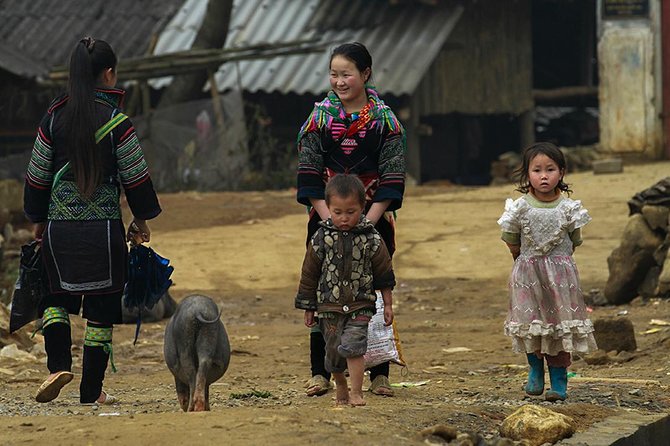
This trek is about connection. The schedule is built so you are not only collecting views from one viewpoint; you are walking through the places where people actually work and live. The guide’s role is central here: you are expected to learn how everyday practices show up in house building, farming, and community events, not just hear a short story and move on.
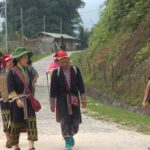
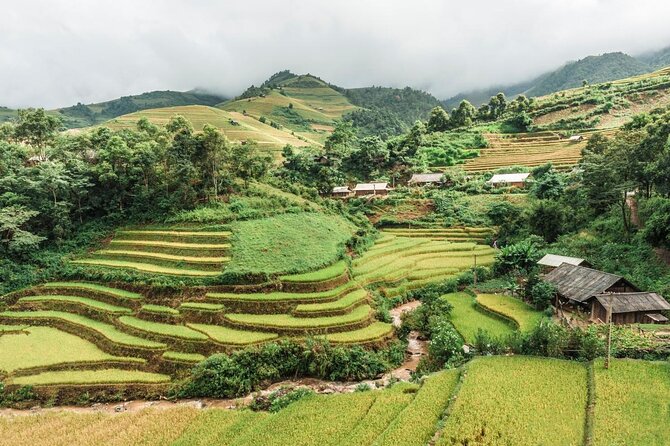
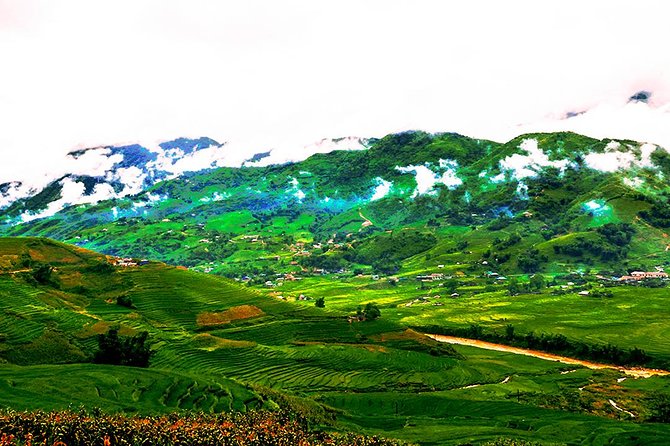
You’ll visit villages associated with Hmong, Giay, and Red Dao ethnic minorities. The tour also points out Sapa’s big river and valley, plus the famous terraced rice fields. If you care about the links between land and culture, that is the magic of this route.
You can also read our reviews of more hiking tours in Sapa

Price and logistics: what the $190 covers (and what it doesn’t)
At $190 per person for roughly four days, the value depends on how much you hate logistics. This one is set up to reduce those headaches. Included are village entry fees, a homestay (1 night), local guide, and a transport back to Sapa at the end of the trekking portion. Meals are also handled: 3 breakfasts, 4 lunches, and 3 dinners, plus one big bottle of water per person.
Pickup is listed as offered, and you’ll receive a mobile ticket. That matters if you want to avoid repeated ticket exchanges on arrival.
Not included: travel insurance, tips, and extra drinks at the homestay (people sometimes assume everything is included, and it usually is not). So if you’re the type who always buys snacks or beer during the evening, budget a bit extra.
Also worth noting: the tour tends to get booked about 97 days in advance on average. That’s a clue that dates can fill—especially if you want a specific week.
Day 1 from Sapa Church: Y Linh Ho to Ta Van rice terraces
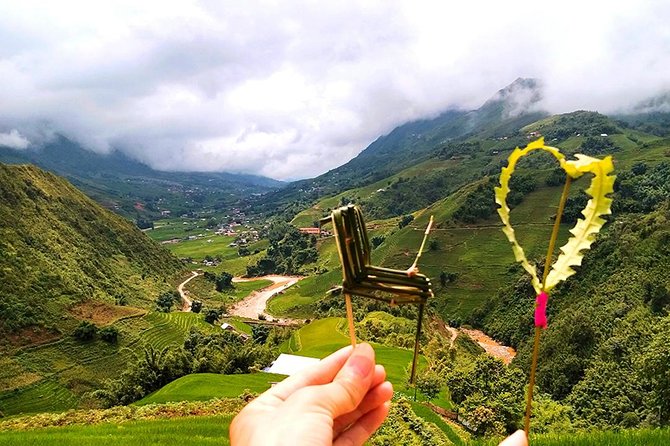
You start at Sapa Church at 9:00am. There’s something reassuring about a fixed start point. You meet your local guide in the town area, get a brief intro, then you head out right away.
The first stop is Y Linh Ho. From there, the plan takes you about 2km downhill toward the Cat Cat road area, where the tour passes through a well-known village stretch. Even if the walking is not long on Day 1, it sets the tempo: you’re moving from town into the footpath world where the terraced slopes and river valleys start to show their shape.
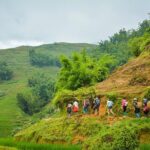
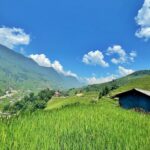
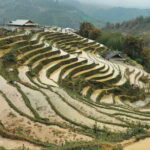
Then you shift toward Ta Van Village. This is where the view payoff starts to get serious. The tour description emphasizes some of the biggest and beautiful rice terraces in Vietnam, plus mountain views near Hoang Lien mountain. Ta Van also tends to be the kind of village where you can see farming life up close without feeling like you are only watching from the edge.
In Day 1’s rhythm, the main drawback is also the first-day tradeoff: you are on the move early, so if you like a slow morning with coffee and zero planning, this may feel like a wake-up call.
Day 2: Giang Ta Chai waterfalls and the Red Dao segment
After breakfast, you begin the second day with a clear goal: reach Giang Ta Chai Village and connect that walk to the Red Dao area. The itinerary notes you’ll go uphill into the mountains to reach the waterfalls of Giang Ta Chai, then enter the Red Dao area for deeper learning with your guide.
This is the day that usually feels most like a transition. The Red Dao segment is not described as a one-stop photo event. The tour says you’ll learn about their culture, customs, and traditions in more detail, and it specifically calls out topics like marriage traditions as part of the bigger cultural learning theme.
The practical consideration here: uphill walking after breakfast can tax your legs if you arrived in Sapa late the night before or spent Day 1 too aggressively. If you want to enjoy the conversation with the guide, keep your pace steady. Save the big push for later viewpoints.
The day includes village entry fees for the stops, so you’re not worrying about paying on the spot.
Day 3: Ban Ho and Nam Toong, where everyday skills come into focus
Day 3 starts with breakfast in Ban Ho Village. Then you walk to Nam Toong, about 3km from Ban Ho. This is a manageable distance, and it’s described as a place where you can learn about the Red Dzao minority that lives here (the tour uses that spelling).
What I like about this day’s structure is that it’s not only about seeing. It’s about understanding how daily life works. The tour description includes themes like work and house building techniques and community customs. When those topics are part of a walking day, you tend to get more than surface-level impressions because you’re actually in the setting where those skills matter.
Ban Ho plus Nam Toong also creates an interesting contrast. You see the same community thread—Red Dao learning—while experiencing it through different village rhythms. That helps you avoid the trap of thinking every village looks the same, because small differences in layout and daily routines can stand out once you’re walking between them.
You can also read our reviews of more tours and experiences in Sapa
Day 4: the Muong Hoa River return from Ban Ho
Day 4 is designed as a wind-down. Breakfast first, then walking from Thanh Phu back to Ban Ho by a different route, following the Muong Hoa River.
The tour description calls it an easy but beautiful route, which is exactly what I want on the last day. By now, you already did the harder learning blocks on the earlier days, so the final route can focus on pacing, photos, and letting your senses slow down.
You’ll also get a second look at Ban Ho since Day 4 ends there. That makes the village feel less like a stop and more like a place you’ve returned to, which can help the cultural conversations click.
After the trek ends, you’re transported back to Sapa.
Homestay night: what’s included, and what you should plan for
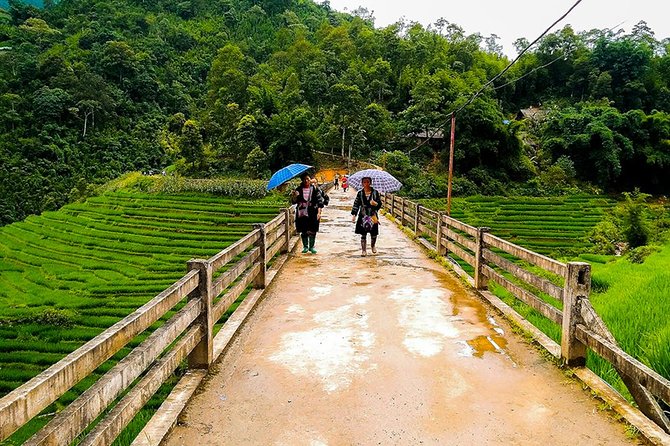
You get 1 night in a homestay. The included meals are listed as 3 dinners and 3 breakfasts with lunches on more days. In practice, that means you do not need to hunt for food in between walks. Your energy stays more predictable, which matters on multi-day trekking.
The tour also includes one big bottle of water per person. Still, you should plan for hydration beyond that if you tend to drink more when it’s hot or humid. The tour notes extra drinks (like bottled water or beer) are not included at the homestay.
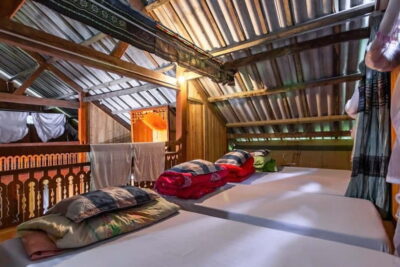
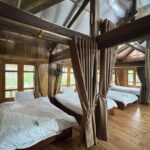
One more reality check: homestay nights often mean simpler rooms and shared facilities. The data you gave doesn’t list comfort details, so I’ll keep it practical: pack expectations for basic trekking comfort, not hotel standards.
Weather and packing: Sapa can be cool, the valley can be hot
One of the most helpful reviews in the provided info describes a late-June trek during the summer wet season. The review notes it was about 23 degrees in Sapa, but the valley walk felt more like 31 to 32 degrees, and they were lucky that it did not rain during the trekking.
That lines up with what you should plan for here: conditions can vary fast between town and the valley. Even if the start point feels cool, expect warmth once you’re down in the river corridor and moving steadily.
My packing advice based on that:
- Light, breathable clothes for the valley heat
- A layer for the cooler edges of the day or if clouds roll in
- Rain gear you can actually use while hiking (not just a flimsy umbrella)
- Solid shoes with grip for uneven paths
Also, the tour’s own info says it requires good weather and can be canceled due to poor conditions, with an option for a different date or a refund. So don’t book this as a stubborn fixed plan if you are traveling around weather-sensitive weeks.
Pace, group size, and guide support (why it matters on a multi-day trek)
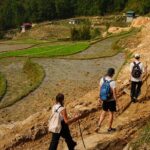
This is a moderate physical fitness trek, and that word matters. It’s not described as extreme, but you should expect real walking days with uphill segments (Day 2 includes going uphill to reach Giang Ta Chai waterfalls).
The group size maximum is 15 travelers, which can be a big deal on narrow village paths. Smaller groups usually make it easier to stop, ask questions, and move at a pace that matches the group without constant waiting.
The local guide is also doing more than route direction. The tour emphasizes learning about marriage traditions, rice-field life, and practical building methods. To get value from that, you should be ready to ask simple questions and listen during short pauses. The best parts of this style of trek often come from those back-and-forth moments.
What makes the village stops worth it (and where you should set expectations)
Each stop has a purpose:
- Y Linh Ho: the entry ramp into the village footpaths, plus the early downhill movement that frames the day.
- Ta Van Village: rice terraces and big mountain views, with the chance to see how terrace farming shapes everyday life.
- Giang Ta Chai: waterfalls and mountain setting, then a shift toward deeper Red Dao learning.
- Ban Ho: a base for meals and continued cultural learning, plus the start point for the Nam Toong walk.
- Nam Toong: a short hike distance that keeps the day manageable while adding depth to Red Dzao learning.
- Day 4 return via Muong Hoa River: an easier final day that rewards you for getting through the earlier climbs.
Possible downside: because this tour is built around multiple villages and learning, it can be more scheduled than a solo wander. If you hate structure, you might feel a bit “on the program.” If you like knowing what comes next, that structure is exactly the point.
Who should book this trek, and who might prefer something else
You’ll likely love this tour if:
- You want culture tied to the setting, not a quick market stop
- You like guided learning about real community traditions like marriage customs and house-building work
- You want scenic value plus walking days that make the views feel earned
- You prefer small-group trekking rather than large coach tours
You might want to choose another style if:
- You want full hotel comfort every night
- You struggle with uphill walking segments even at a moderate level
- You dislike plans that change based on weather conditions
Final verdict: should you book this tour?
If your goal is to see Muong Hoa Valley in a way that feels grounded in real village life, this is a strong choice. The value is in the blend: included meals, a real homestay night, village entry fees, and a guide-led focus on traditions you can understand because you’re walking through the places they happen.
Book it if $190 fits your budget and you are comfortable with a moderate walking pace. If you are sensitive to heat in the valley (remember that late June example of valley temperatures rising well above Sapa), pack for warmth and rain even when the town feels cool.
If you want, tell me your travel dates and fitness level (and whether you’ll be in Sapa already the night before). I can help you decide if this timing makes sense and how to plan clothing and pacing.
FAQ
How long is the Muong Hoa Valley Trek & Homestay experience?
It runs for about 4 days.
What time and where does the tour start?
The start time is 9:00am, and the meeting point is Sapa Church in Sapa, Lào Cai, Vietnam.
How many villages will I visit?
The tour visits five different villages, including Y Linh Ho, Ta Van Village, Giang Ta Chai Village, Ban Ho Village, and Nam Toong.
Is there a homestay involved?
Yes. The package includes accommodation in a homestay for 1 night.
What meals are included?
Breakfast is included for 3 days, lunch for 4 days, and dinner for 3 days.
What’s included besides the homestay and meals?
Village entry fees, a local guide, transport back to Sapa after the tour ends in the villages, and 1 big bottle of water per person are included. Pickup is also offered.
What is not included in the price?
Personal travel insurance, extra drinks at the homestay (like bottled water or beer), and tips are not included.
What is the cancellation policy?
Free cancellation is available up to 24 hours in advance for a full refund. If you cancel less than 24 hours before the start time, the amount paid is not refunded. The tour can also be canceled for poor weather, with an option for a different date or a full refund.