REVIEW · COOKING CLASSES
From Hanoi: 2-day Sapa Homestay & Cooking class with locals
Book on GetYourGuide →Operated by Vietnam Nomadtrails · Bookable on GetYourGuide
A mountain homestay with real meals. This 2-day Sapa trip from Hanoi mixes a local cooking class with guided walks through rice-terrace villages like Y Linh Ho, Lao Chai, and Ta Van. I especially liked the chance to eat what the family grows and the homestay view toward the Fansipan range. One thing to watch: if your Hanoi-to-Sapa bus or pick-up runs late, you can lose time for the optional Fansipan plan on arrival day.
You’re also getting more than a photo stop. The schedule is built around short, doable chunks—town and markets on Day 1, then village exploration on Day 2—so you can actually talk with hosts and neighbors instead of just rushing between viewpoints.
In This Review
- Key Highlights Worth Your Time
- From Hanoi to Sapa: how the 2-day rhythm actually works
- Nomadtrails Lodge in Muong Hoa Valley: what the homestay feels like
- Day 1 in Sapa: market time, Cat Cat, and easy cultural contact
- Fansipan on arrival day: cool altitude, tight timing, confirm details
- The 6 PM cooking class: where the lesson becomes fun
- Evening plans: Red Dao herbal foot bath vs. a quiet town stroll
- Day 2: Y Linh Ho, Lao Chai, and Ta Van village walk (with proper etiquette)
- Meals and included water: what’s covered, what you’ll buy yourself
- Price and logistics: is $56 a good deal for two days?
- Who this suits best (and who should skip it)
- Small-group feel and the role of the guides
- Before you go: packing list that prevents misery
- Should you book this 2-day Sapa homestay and cooking class?
- FAQ
- What’s included in the 2-day experience?
- What time does pick-up happen in Hanoi?
- Is Fansipan included?
- What villages do you visit on Day 2?
- Can the cooking class be adapted for dietary needs?
- What are the walking conditions like?
- What should I bring?
Key Highlights Worth Your Time
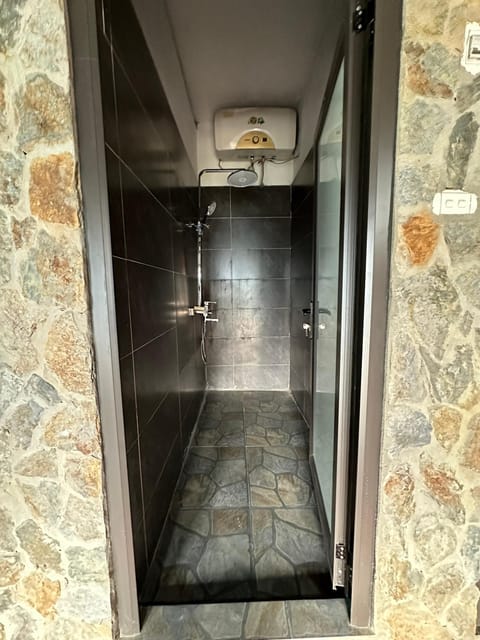
- Homestay in Amazing Muong Hoa Valley with valley and Fansipan-range views from Nomadtrails Lodge
- Cooking class with fresh local ingredients (and it can be adapted for vegan diets, when requested)
- Guided walking route through Y Linh Ho, Lao Chai, and Ta Van with time for cultural context
- Sapa town + market time to see handicrafts and textiles up close
- Cat Cat village and rice-terrace walking as optional add-ons during free time
- Optional Fansipan cable car window on Day 1 that depends on how the travel day goes
From Hanoi to Sapa: how the 2-day rhythm actually works
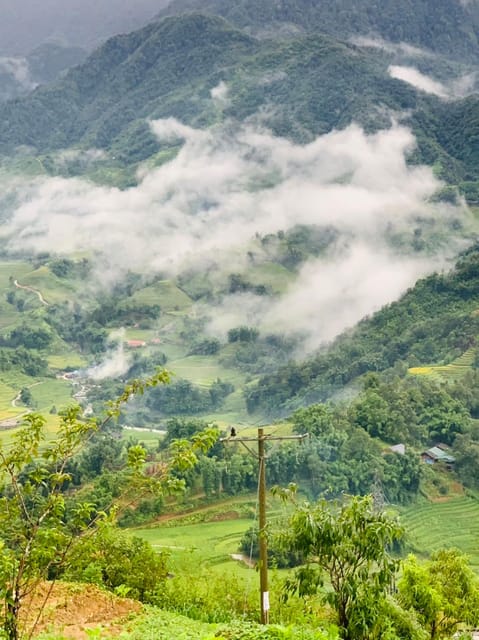
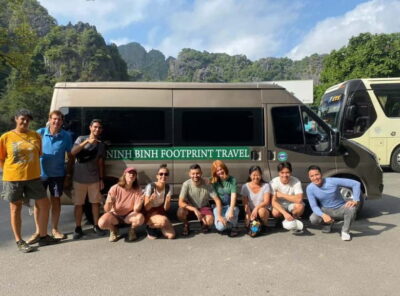
This is a proper “sleep-and-arrive” style itinerary. On Day 1, you get picked up in Hanoi Old Quarters around 6:30–6:50 AM, then board a sleeping bus to Sapa. The ride includes time to rest while you pass through dramatic mountain scenery.
You arrive in Sapa around 1:00–1:30 PM, check in at Nomadtrails Lodge in Amazing Muong Hoa Valley, then you’re in “Day 1 exploring” mode. Day 2 is a full guided village day, and you head back to Hanoi on the evening sleeping bus (around 4:00 PM), arriving around 10:00–10:30 PM.
Why this rhythm matters: you’re not wasting an entire day just getting there. But it also means timing is everything—especially for the optional Fansipan plan that’s described for arrival-day free time.
You can also read our reviews of more tours and experiences in Sa Pa.

Nomadtrails Lodge in Muong Hoa Valley: what the homestay feels like
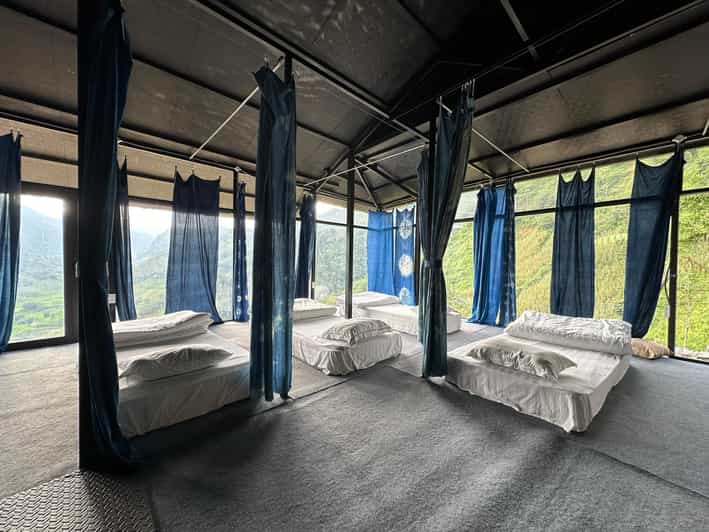
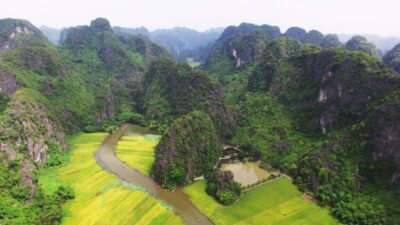
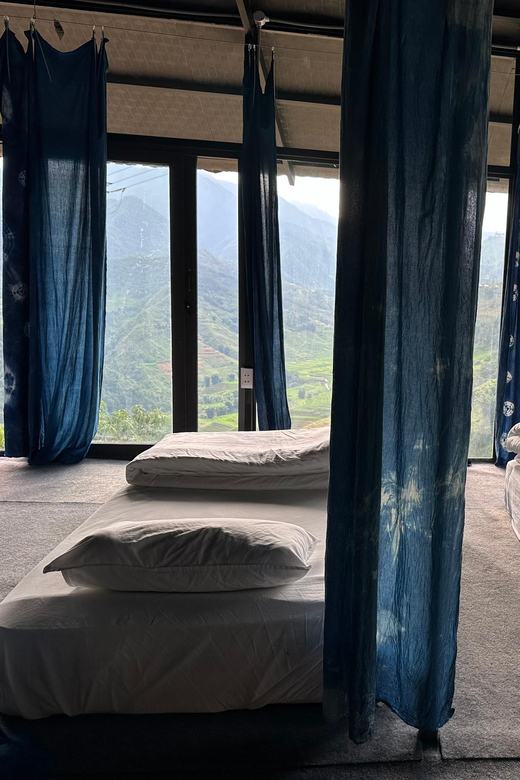
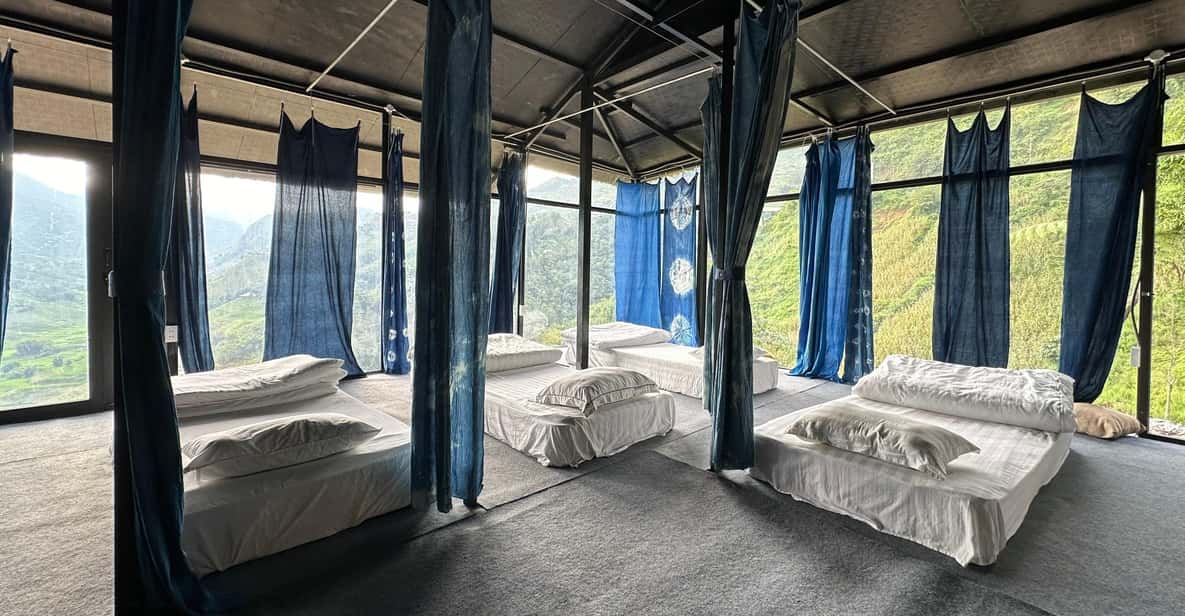
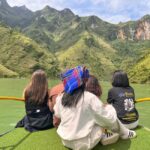
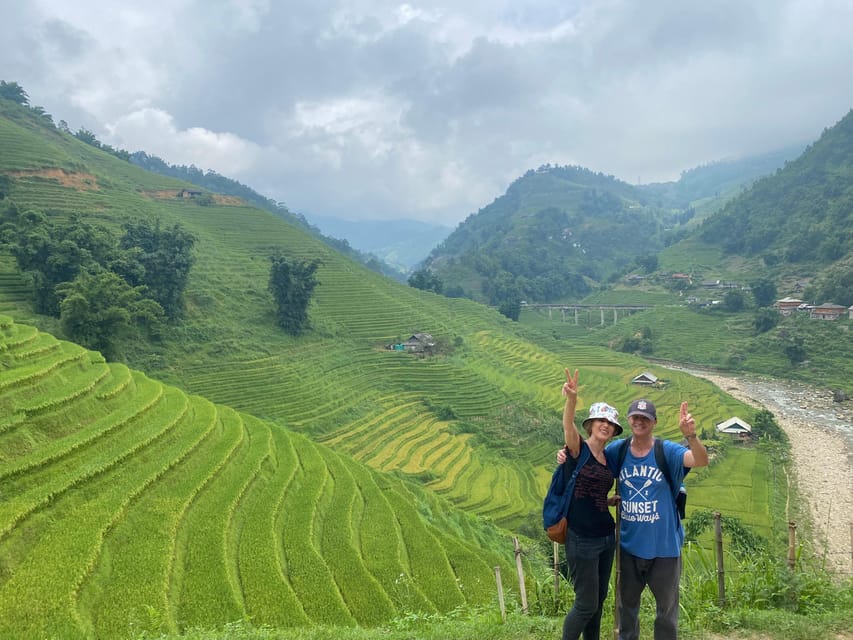
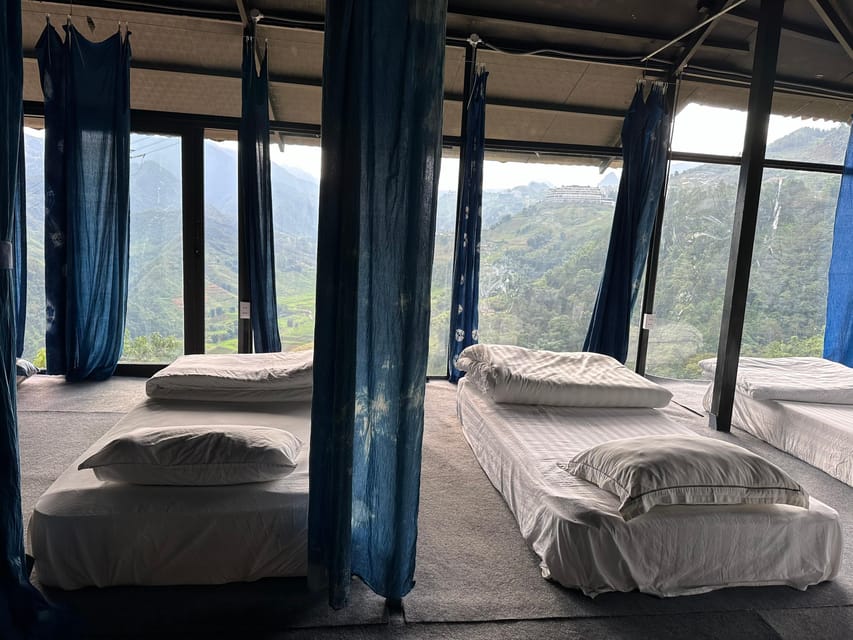
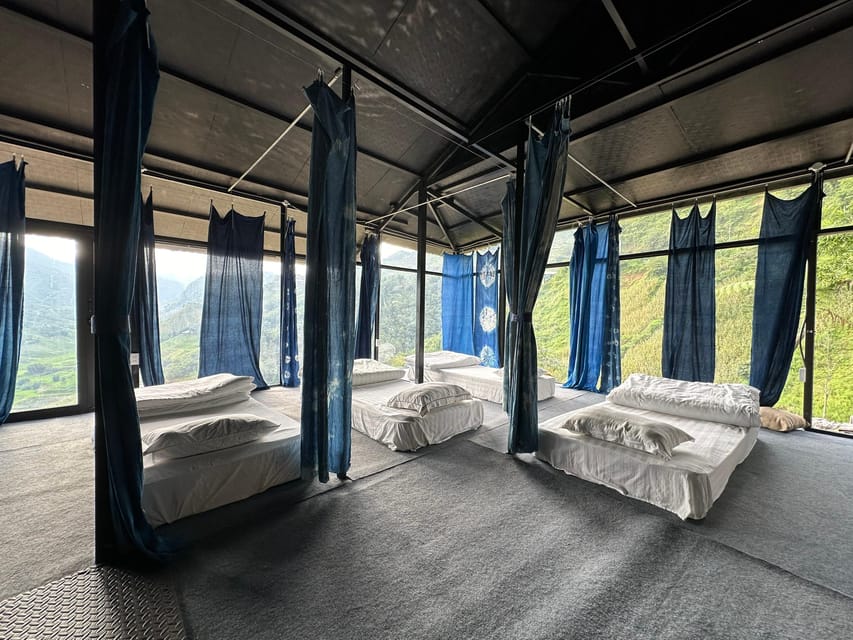
Your one-night stay is at Nomadtrails Lodge, positioned in Amazing Muong Hoa Valley. The big win here is the setting. The views toward the valley and the Fansipan mountain range are part of the experience, not just scenery on the side.
The homestay setup is simple and family-centered. You eat dinner with your hosts after the cooking class, and breakfast on Day 2 is also hosted by the family. In practice, that means you’re learning the food culture in context—how ingredients are used, how meals are paced, and what’s local versus tourist-style.
A small but real consideration: this is not an urban hotel. The tour notes warn you to bring comfortable shoes and expect walking on uneven surfaces, and the activity is not suitable for people with mobility impairments or wheelchair users.
Day 1 in Sapa: market time, Cat Cat, and easy cultural contact
After you settle in, you get free time to explore. This is where you can keep things flexible based on your energy and the weather.
The plan includes time to explore Sapa town and the Sapa Market, where you’ll see colorful textiles and handicrafts. It’s also a chance to interact with local ethnic communities in a normal, everyday setting—not a staged performance.
You also have the option to head to Cat Cat village, which is known for local handicrafts and a waterfall. The day also includes the possibility of a walk through rice terraces. This part is valuable because the “valley life” isn’t just a backdrop; it shapes what people grow, wear, and do.
Tip: wear shoes you’re comfortable with for uneven ground. If you’re tempted to pack brand-new sneakers, resist. Sapa will test them.
Fansipan on arrival day: cool altitude, tight timing, confirm details
Fansipan is described as an optional add-on on Day 1. You might be able to take the cable car to around 2,800 meters, visit a pagoda area, and then do a trek up to about 600 steps to reach the peak area called the Roof of Indochina.
Here’s the practical catch: your Day 1 travel time is fixed around bus arrival at about 1:00–1:30 PM. If your pick-up or bus is late, you may not have enough daylight or time buffer for Fansipan on arrival day. One traveler had the bus come in late and couldn’t do Fansipan as stated, then had to adjust the next morning with extra cost.
My advice: message Vietnam Nomadtrails the day before to verify whether the Fansipan cable-car plan is realistically possible given your expected arrival time. If you care about doing it that day, don’t leave it to chance.
The 6 PM cooking class: where the lesson becomes fun
At 18:00, you join a local cooking class with your host family. The focus is on preparing traditional Vietnamese dishes using fresh, local ingredients.
This isn’t just “watch and taste.” One review specifically highlighted that the class used ingredients grown at the homestay. Another review noted the class can be adjusted for dietary needs, including making it vegan.
Why that’s a big deal: cooking classes can be hit-or-miss when ingredients are pre-bought or the host doesn’t adjust. Here, you’re more likely to learn techniques you could repeat at home—plus you’ll understand what’s in season locally.
Then you eat dinner as part of the experience. So your “class” ends the way a real meal does: with conversation, pacing, and the food you made.
Evening plans: Red Dao herbal foot bath vs. a quiet town stroll
After dinner, your evening has options. The itinerary mentions a special foot herbal bath connected to the Red Dao ethnic group, where you also learn about traditions and culture.
One review noted there was no foot massage at all in their homestay experience, and that some cultural details didn’t match expectations. So here’s the cautious, useful approach: assume it might be included, but confirm what exactly will happen at your specific homestay.
If the herbal bath doesn’t happen, you still have a fallback: a leisurely walk in town and the Sapa night market. That’s a good choice if you want souvenirs and snacks without adding another “scheduled activity.”
Day 2: Y Linh Ho, Lao Chai, and Ta Van village walk (with proper etiquette)
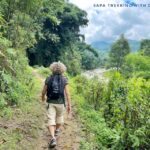
Day 2 starts with breakfast at the homestay around 9:15–9:30 AM. Then you set off for a guided, full-day exploration of Y Linh Ho, Lao Chai, and Ta Van in Amazing Muong Hoa Valley.
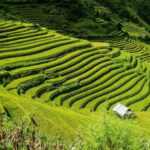
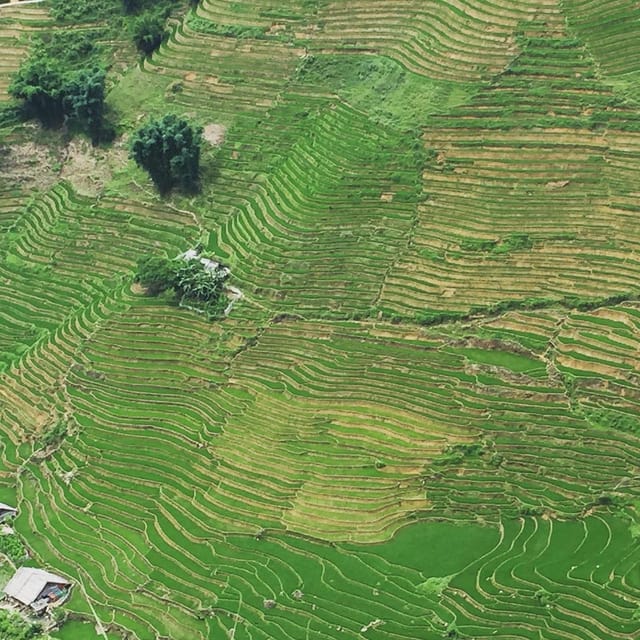
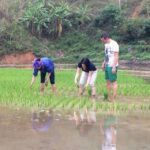
This route is built around the terrain people actually live with: rice terraces and valley paths. You’ll travel between villages with stops that explain culture and community life. The best part is that it’s not just a “stand here” viewpoint day. The description includes learning about local culture and history, plus time to engage with families.
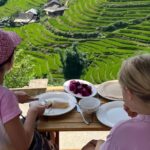
Lunch is included and can be either at a local eatery or as a picnic in scenery. You’ll taste traditional dishes while surrounded by the farming landscape.
What to keep in mind:
- You’ll be walking, and it’s described as uneven surfaces.
- Dress for cooler mountain temperatures, especially later in the day.
- Be respectful when visiting ethnic minority villages. Keep your questions friendly and your camera habits polite.
Meals and included water: what’s covered, what you’ll buy yourself
Meals are part of the value. You get:
- Breakfast (Day 2)
- Lunch (Day 2)
- Dinner (Day 1)
You also receive 1 liter of water per person.
What’s not included: soft drinks and VAT. That means if you want sodas or extra drinks beyond the included water, plan to pay on your own.
One quiet benefit of getting all meals handled: you don’t waste time hunting for food after a long travel day. You just follow the guide and keep moving.
Price and logistics: is $56 a good deal for two days?
At $56 per person for two days, this can be good value because it bundles several expensive-feeling items together: round-trip sleeping bus, one homestay night, two guided components (Day 1 town/free time with support, Day 2 full-day guided villages), and all meals plus the cooking class.
But the fine print matters. You might pay extra depending on your sleeping arrangement:
- A supplement can apply for a single cabin sleeping bus or luxury limousine upgrade (listed as $6.90 per person one way).
- A supplement can apply for room type upgrades (private room/bungalow pricing is listed).
- During Lunar New Year (dates listed), there’s an additional surcharge.
So the smart move is to price out your exact preference before you book. If you’re traveling solo and want the most private bus cabin, that extra cost can change the math.
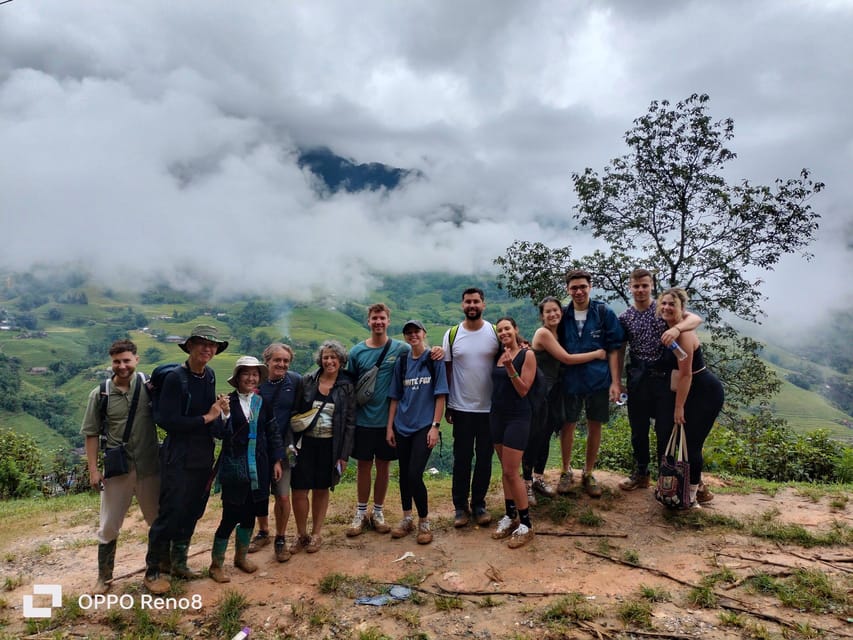
Group size is capped at 15 participants, which generally helps keep the day from feeling like a factory line.
Who this suits best (and who should skip it)
This tour fits best if you:
- Want a real homestay experience rather than a hotel-only trip
- Like markets, food, and village walks
- Don’t mind a full day of walking and uneven terrain
- Appreciate cultural context more than just checking off viewpoints
It’s not suitable for:
- People with mobility impairments
- Wheelchair users
- Babies under 1 year
- People over 95 years
Also, there are clear rules about behavior: no weapons, no intoxication, no drugs, and no alcohol on the vehicle.
Small-group feel and the role of the guides
Even with a small group, the guide can make or break the experience. In the reviews, the guides and hosts are praised for being welcoming and for guiding the trek thoroughly. That matters because village walks can feel long if nobody explains what you’re seeing or how to behave in community spaces.
It’s also why the homestay host experience is so important here. One review called out a great homestay guide and a great trek guide—those two parts are where you’ll feel the difference between a generic tour and a more human one.
Before you go: packing list that prevents misery
For this Sapa plan, pack for mountain weather swings and walking.
- Comfortable shoes (you’ll use them)
- Sunscreen
- Insect repellent
- Water bottle (even though water is included, you’ll want more)
- Light layers for cooler evenings
And one “behavior” tip: don’t show up expecting to drink or party your way through the transport. The trip rules are explicit, and the vibe is more family-and-community than nightlife.
Should you book this 2-day Sapa homestay and cooking class?
I’d book it if your goal is a short, well-paced Sapa taste: homestay meals, a hands-on cooking lesson, and guided village walking through Y Linh Ho, Lao Chai, and Ta Van. The $56 price is often a strong deal when you factor in transportation, meals, and the cooking class.
I’d think twice—or at least confirm details first—if you’re fixated on doing Fansipan on the arrival day. Timing can be tight, and if your bus/pick-up runs late, you may lose that window. Also, confirm whether the Red Dao herbal foot bath is included exactly as described, since at least one traveler’s experience didn’t match that part.
If you want, tell me your travel month and whether you’re hoping to do Fansipan the same day. I can help you plan how to protect your time.
FAQ
What’s included in the 2-day experience?
It includes sightseeing fees, 1 breakfast, 1 lunch, and 1 dinner, 1 liter of water per person, one night in a homestay, a local cooking class, and round-trip sleeping bus transport. An English-speaking tour guide is included.
What time does pick-up happen in Hanoi?
Pick-up from your accommodation in Hanoi Old Quarters is listed around 6:30 AM to 6:50 AM. You’ll then take a sleeping bus to Sapa.
Is Fansipan included?
Fansipan is described as a possible option during your arrival-day free time (cable car up to about 2,800 meters, pagoda area, and trekking up to 600 steps). It depends on timing.
What villages do you visit on Day 2?
The guided day covers Y Linh Ho, Lao Chai, and Ta Van in Amazing Muong Hoa Valley.
Can the cooking class be adapted for dietary needs?
A review notes the cooking class can be made vegan when requested, while using ingredients grown at the homestay.
What are the walking conditions like?
The tour warns you to wear comfortable shoes because there will be a lot of walking on uneven surfaces. It’s not suitable for wheelchair users or people with mobility impairments.
What should I bring?
Bring comfortable shoes, sunscreen, water (a reusable bottle is helpful), and insect repellent. The mountains can be cooler, especially in the evenings.