REVIEW · HIKING & TREKKING
Sapa Mountain Escape: 2-Day Trekking, Rice Terraces & Homestay
Book on Viator →Operated by Sapa Odyssey Tour · Bookable on Viator
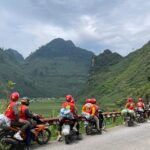
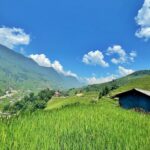
Sapa gets real fast—especially on foot. A 2-day, 1-night trek here mixes Sapa town views with village paths, then tops it with a night in a Hmong family homestay. You’ll walk through rice-terrace scenery and bamboo forest, with time to see everyday life—not just photos.
What I liked most was the homestay with a Hmong family. You’re not dropped at a viewpoint and told to move along. Instead, you’ll eat local food and settle into the rhythm of the house, from tea to the simple routines that make the region feel human. It’s the kind of travel that actually changes how you look at a place.
One thing to think about first: this is a moderate physical fitness trek. It’s only 2 days, but you are moving for real, including village and forest sections. If you’re not comfortable with steady walking, plan for slower pacing and wear solid shoes.
In This Review
- Key things to know before you go
- From Sapa Stone Church to Ham Rong’s big views
- Hang Da Village: rock formations and real H’Mong scenery
- Trek toward Hau Thao and down to Giang Ta Chai
- Giang Ta Chai homestay: tea, rooms, dinner, and downtime
- Morning coffee with terraced fields, then Ta Van and Lao Chai
- Price and value: what $80 covers and why it adds up
- Who this trek is best for (and who should skip it)
- Should you book this Sapa Mountain Escape?
- FAQ
- FAQ
- How long is the Sapa Mountain Escape trek?
- What does the tour cost?
- Is pickup available, and where do we meet?
- Is this a private tour?
- What meals are included?
- What’s included besides meals?
- Can the tour accommodate dietary restrictions like vegan or gluten-free?
- What fitness level do you need?
- Are service animals allowed?
- What’s the cancellation policy?
Key things to know before you go
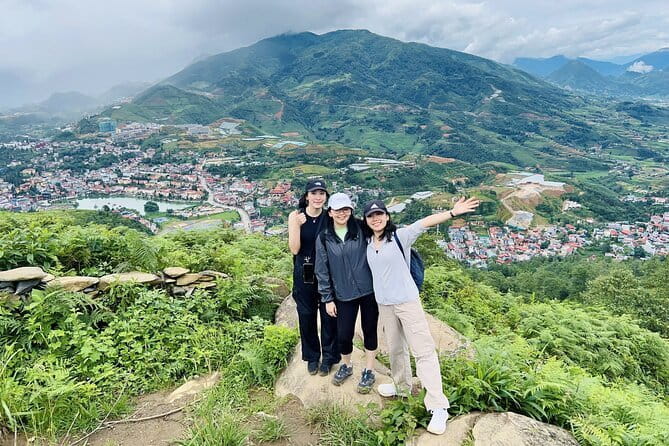
- Homestay night with a Hmong family: Warm tea on arrival, dinner included, and an authentic look at daily life
- Ham Rong Mountain timing: A morning visit (about 9:00 AM start) gives you strong views before the day fills in
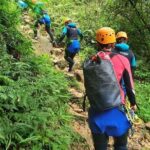
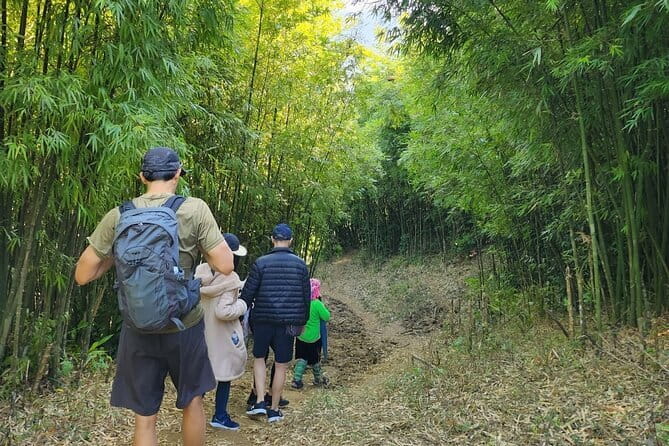
- Bamboo forest trekking: You’ll pass short trails through bamboo forest as you move between villages
- Ethnic variety on Day 2: Ta Van and Lao Chai include Black Hmong and Giay community stops
- Guides can adjust for your vibe: One standout guide, Nhu, adapted the plan to help you avoid other groups when possible
- All entrance fees + meals covered: Homestay, meals, and entrance costs are included, with water provided
From Sapa Stone Church to Ham Rong’s big views
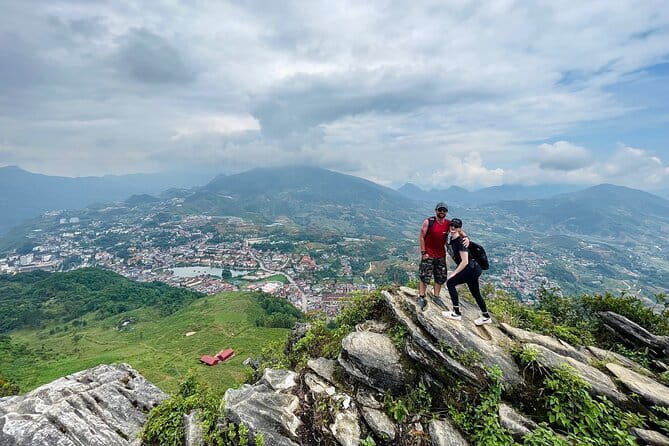
Most people start to understand Sapa once the route leaves the main town area. This trip meets you at Sa Pa Stone Church (P. Hàm Rồng) and gets moving with a morning briefing. If you chose pickup, you’ll be collected from your hotel, then brought into the start point area so you don’t waste time.
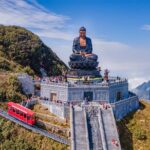
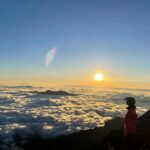
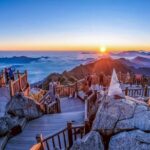
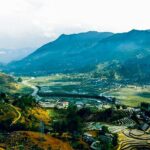
Ham Rong Mountain is your first major stop. The schedule sets aside about 3 hours, and that makes a difference. You’re not rushed through a single platform. You get time to look around, take photos, and actually absorb the way Sapa’s valleys stretch outward.
I like Ham Rong on a trip like this because it acts like a reset. Before you start dropping into villages and forest trails, you get the big picture: Sapa town below, mountain views beyond, and the sense that you’re about to walk through the edges of a whole region—not just a single path.
If the weather is foggy, don’t panic. Views can soften, but the walking still matters. And in these areas, cloud cover often makes the village tones feel even more atmospheric.
You can also read our reviews of more hiking tours in Sapa

Hang Da Village: rock formations and real H’Mong scenery
After Ham Rong, you move toward Hang Da Village, a H’Mong community with a scenic reputation. Expect about an hour here. What makes Hang Da interesting is how visual the area is: it’s known for the combination of village life and those large rock formations that rise around the path.
This stop is shorter, so I treat it like a “pause and orient” moment. You look, you listen, and you set your brain to village pace. If you try to cover every detail at every stop, you’ll feel tired by lunch. Hang Da is the kind of place where it helps to pick your favorite corner—then just sit for a minute and watch.
One practical upside: since entrance fees are included, you won’t get hit with surprise costs at the gate. You can just focus on walking, photos, and small conversations.
Trek toward Hau Thao and down to Giang Ta Chai
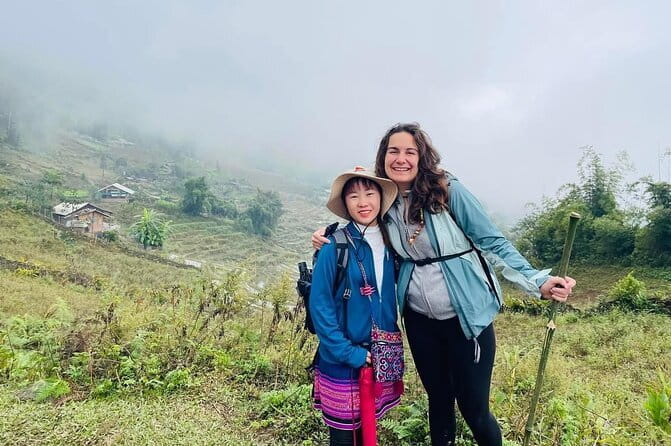
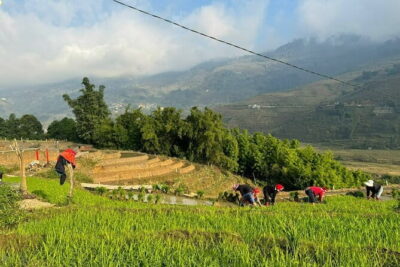
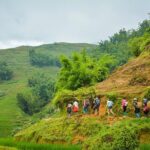
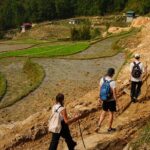
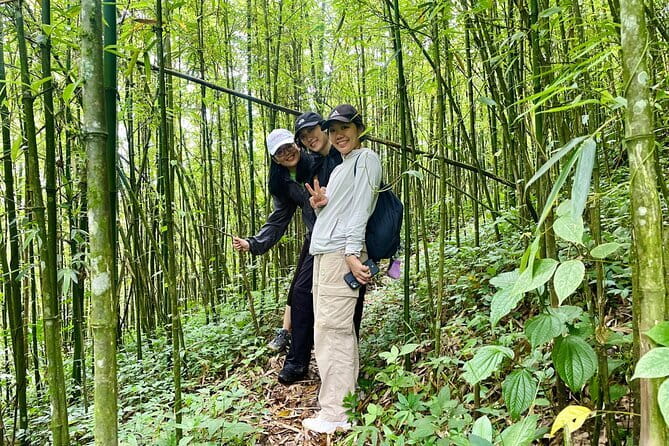
The trekking portion starts to feel more like Sapa’s daily geography here. After lunch, you continue with a route through village paths and short trails in bamboo forest. The plan includes time for multiple village areas, and you’ll notice the terrain shifting as you descend toward the homestay region.
Names you’ll hear on this section include Hau Thao and Hau Chu Ngai village, with the trek continuing onward toward Giang Ta Chai village. The schedule gives you about 1.5 hours in this active stretch. That’s long enough to feel the outdoors, but not so long that you’re totally wiped before your evening.
This is also where the guide matters. A good guide helps you understand why you’re walking where you’re walking—what the paths connect, how villages relate, and what to notice along the way. In particular, one guide named Nhu stood out for how she read the group’s preferences and adjusted the route so you could spend more time away from other crowds when conditions allowed. That kind of flexibility turns a standard trek into something that feels yours.
Tips for this stretch:
- Wear shoes you trust. Trails can be uneven.
- Keep water handy. Water is included, but you’ll still want to pace sips.
- Don’t chase speed. The scenery is best when your legs aren’t racing your brain.
Giang Ta Chai homestay: tea, rooms, dinner, and downtime
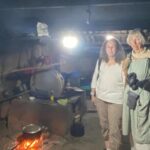
You arrive around late afternoon to Giang Ta Chai village, and that timing is deliberate. You’ll check into the Hmong family homestay, and the hosts greet you with warm cups of tea. Then you get dinner and time to slow down.
This is where the tour earns its main value. A homestay isn’t just a place to sleep. It’s a chance to see the small stuff—how meals get handled, how the house works, how people relax at the end of a walking day. Even if your Vietnamese is limited, a homestay creates a natural way to connect through everyday actions.
The tour includes homestay stay and dinner. Entrance fees connected to the stops are included too, which makes evenings simpler. You can focus on being present rather than checking receipts.
What about comfort? You’re in a village homestay, so expect more basic conditions than a hotel. If you’re someone who needs luxury, you might feel out of sorts. If you’re okay with simple, this part is the heart of the trip.
Morning coffee with terraced fields, then Ta Van and Lao Chai
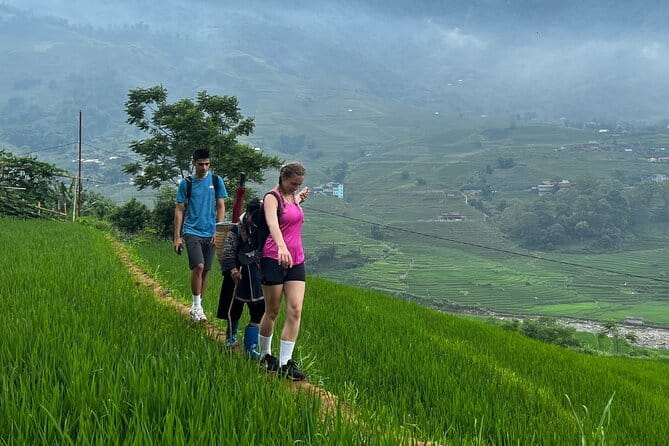
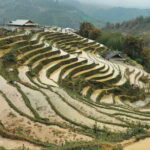
Day 2 begins back in Giang Ta Chai village. You’ll wake up in an unfamiliar setting, sip coffee while looking out over terraced fields, and then have breakfast around 8:00 AM. After that, you pack up and head back out.
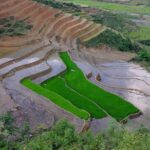
This morning segment is one of my favorite types of travel moments: you’re not rushing to a single attraction. You’re letting the landscape and village life reset your mood. Terraces look different in the morning light, and you get a calm before the day fills up.
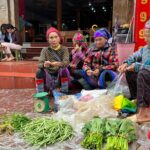
Next, you visit Ta Van Village, home to the Black Hmong and Giay groups. You’ll spend about 1 hour here, and the guide helps explain cultural distinctions. That detail matters. People often lump ethnic groups together from a distance. Having a local guide interpret differences in plain language helps you avoid flattening cultures into stereotypes.
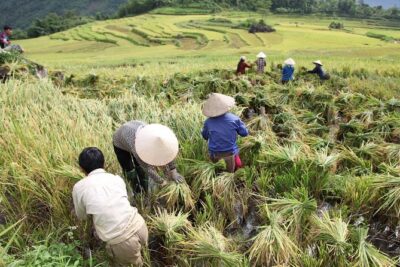
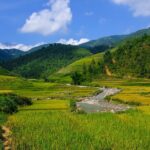
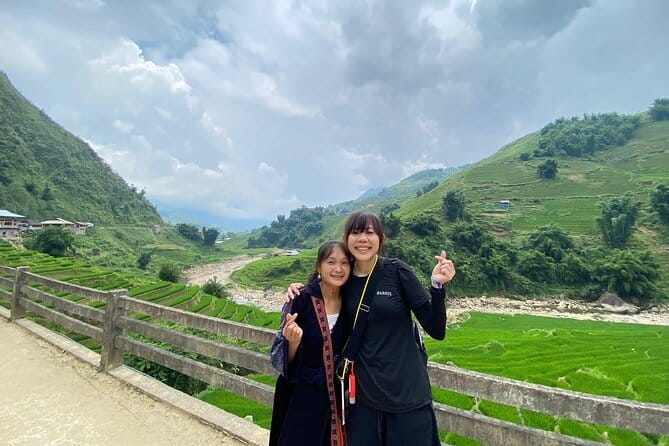
Then you reach Lao Chai, another stop known for terraced rice fields and the Black Hmong community. You’ll have around 2 hours there, with time to look at traditional houses and spend time in the village atmosphere.
I like that Day 2 mixes views with culture. Rice terraces aren’t only “pretty.” In this region, terraces connect people to seasonal work and local knowledge. By the time you’re at Lao Chai, you’re already walking the day-to-day routes, so the terracing feels like part of a living system, not just a backdrop.
Practical note: you’re still on a trek. Even if Day 2 feels more village-based than forest-heavy, bring a daypack for water and snacks. Water is included, but having a small personal stash helps if you get hungry between stops.
You can also read our reviews of more tours and experiences in Sapa
Price and value: what $80 covers and why it adds up
At $80 per person for a 2-day, 1-night trek, the headline price looks straightforward. The real value comes from what’s included:
- Private transportation
- Homestay and entrance fees
- Meals: breakfast, dinner, and two lunches
- Water
- Pickup is available, and the tour ends back at the meeting point
When a trek includes meals, entrance fees, and homestay, you avoid the annoying “nickel-and-dime” feeling that sometimes kills the budget vibe. It also means you’re not constantly pausing the day to deal with payments.
Another quiet advantage: this is listed as private, meaning only your group participates. That can make the experience feel calmer and less chaotic than standard join-in group tours—especially on narrow village paths.
One more angle: the average booking window is about 48 days in advance. That’s a hint that this trek is popular. If you want a specific date and you’re flexible only within a small range, book sooner rather than later.
And yes, tips and personal travel insurance aren’t included. For me, that’s normal. Just don’t forget your tip budget if the guide performance is part of what you care about—especially since Nhu is the kind of guide who makes a route adjustment and helps you stay comfortable and moving.
Who this trek is best for (and who should skip it)
This is a strong fit if you want:
- A short trek that still feels like a real walking experience
- A homestay night where you can experience local daily life
- Enough structure that you don’t have to plan village-to-village logistics
You’ll also likely enjoy it if you value guides who can adapt. Nhu’s approach—reading the group’s desire to avoid other crowds and shifting the route when possible—shows how much the guide can shape your day.
Consider skipping (or choosing a gentler option) if:
- You’re not up for steady walking and uneven paths
- You need hotel-level comfort and don’t like basic homestay conditions
- You get stressed by a schedule that moves from village to village within a day
If you’re traveling with dietary needs, this tour is flexible. It’s listed as vegan friendly and able to accommodate vegetarian, vegan, and gluten-free needs if you indicate it at booking. That’s a meaningful plus for people who hate making last-minute food decisions.
Should you book this Sapa Mountain Escape?
I’d book it if you want Sapa in full texture: views, terraces, bamboo forest walking, and one night spent where people actually live. The homestay component is the main reason. It’s not a side quest.
I’d also book it if you like travel days with structure but not chaos. Private transport, included meals, and included entrance fees make the trip feel smoother than many budget treks.
Hold off if you want an easy day with minimal walking or if you’re uncomfortable with simple village stays. This is better for travelers who can handle a moderate trek and who are curious about how communities live, cook, and move through their own routines.
FAQ
FAQ
How long is the Sapa Mountain Escape trek?
It’s about 2 days (with 1 night). The exact pacing depends on the day’s walking segments and village timing.
What does the tour cost?
The price is $80.00 per person.
Is pickup available, and where do we meet?
Pickup is offered. The meeting point listed is Sa Pa Stone Church (P. Hàm Rồng, TT. Sa Pa, Sa Pa, Lào Cai 333100, Vietnam).
Is this a private tour?
Yes. Only your group participates.
What meals are included?
Breakfast is included, plus dinner. Lunch is included for both day parts (2 lunches total).
What’s included besides meals?
In addition to meals and water, the tour includes homestay, all entrance fees, and private transportation.
Can the tour accommodate dietary restrictions like vegan or gluten-free?
Yes. The tour is vegan friendly and can accommodate dietary restrictions such as vegetarian, vegan, and gluten-free. You should indicate requirements at booking.
What fitness level do you need?
The tour advises travelers should have a moderate physical fitness level.
Are service animals allowed?
Yes, service animals are allowed.
What’s the cancellation policy?
Free cancellation is offered. You can cancel up to 24 hours in advance for a full refund, based on local time.