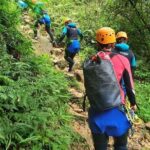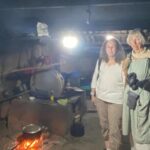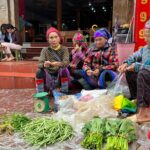
Cold air, sharp turns, real village life.
This full-day Sapa motorbike tour is built to get you past the usual viewpoints and into everyday mountain communities. You’ll ride through winding roads with misty views, meet locals along the way, and finish with a freshly cooked lunch in a family home. I especially like that it’s guided by a licensed English-speaking guide, so the route and the cultural stops make sense instead of feeling random.
Two things I’d highlight are the rice-terrace views around Ta Van and Lao Chai, and the chance to see Red Dao and H’mong/Giay village life up close. The possible drawback: it’s a long day (about 7 to 8 hours) and you’ll need moderate comfort on a motorbike over curving roads.
In This Review
- Key points to know before you go
- Why this Sapa motorbike route feels different from the tourist loop
- Getting going: pickup, bikes, and how the day is paced
- Stop 1 in Sapa: the mountain air reality check
- Stop 2: Thác Bạc (Silver Falls) for a reset in the middle of the day
- Stop 3: Ta Phin village and the Red Dao house style
- Stop 4: Hang Da village for the quieter, wilder feel
- Stop 5: Ta Van and Lao Chai rice terraces in Muong Hoa Valley
- Lunch and coffee/tea: why the meal is more than a break
- Price and value: what $78 buys you in Sapa
- Who this Sapa motorbike experience is best for
- A few practical tips to get the most from the day
- Should you book this Sapa motorbike tour?
- FAQ
- How long is the Sapa motorbike experience?
- How much does the tour cost?
- Where does the tour start and end?
- What stops are included during the day?
- What’s included in the price?
- Is this a private tour?
- What happens if the weather is poor?
Key points to know before you go
- Motorbike access to villages and viewpoints you’d struggle to reach on your own
- Community-focused stops in Ta Phin, Hang Da, Ta Van, and Lao Chai
- Thác Bạc (Silver Falls) as a quick nature reset before village time
- Lunch with a family plus coffee or tea during the day
- Private tour setup, only your group rides together
Why this Sapa motorbike route feels different from the tourist loop
Sapa’s scenery is famous, but it can also get repetitive fast: the same photo spots, the same crowds, the same quick stops. This day is different because the route is designed for movement, not lingering. You spend your time riding between villages, rice terraces, and waterfalls, with the pace set by local roads rather than bus schedules.
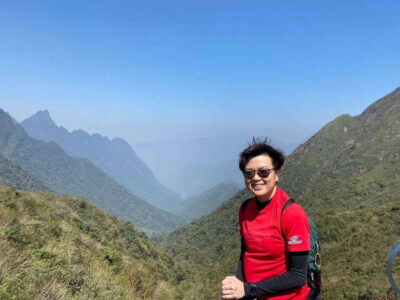
What makes it work is the mix of “big view” moments and “small village” moments. You start in Sapa and quickly leave the town rhythm. The air cools as the road climbs and bends, and you’re not just watching mountains from a viewpoint. You’re traveling through them, passing through areas associated with the H’mong, Red Dao, and Dzay communities. That matters because Sapa isn’t only about photos. It’s about how people live on steep terrain.
The ride also adds a practical kind of energy. A motorbike day is more active than sitting in a car the whole time, so the day feels like it has momentum. One of the most consistent themes in the feedback is that the bike experience makes everything more enjoyable, especially when you’re heading into countryside where slow travel kills the vibe.
You can also read our reviews of more tours and experiences in Sapa.
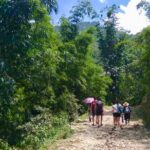

Getting going: pickup, bikes, and how the day is paced
You can be picked up from central Sapa (with a starting point option near Sun Plaza) or from your hotel, and the tour generally starts in the morning. The exact pickup time is confirmed at booking, which is helpful in Sapa because morning weather and road conditions can shift.
This is a private tour/activity, meaning only your group participates. That’s a real value point here. You’re not waiting for a big mix of strangers to get everyone together, and you’re less likely to feel rushed at stops.
On the bike logistics side, the tour includes a professional driver and fuel, plus a motorbike that can be semi-automatic or manual (so you should be ready for your comfort level with how it feels to ride). You’ll also have an English-speaking guide. That combination is important: it’s not just sightseeing, it’s interpretation—why a village looks the way it does, why certain house styles exist, and what you’re seeing in the terraced areas.
The day runs about 7 to 8 hours, with multiple stops that range from about half an hour to a couple of hours. Expect a steady flow: ride, pause, ride again. It’s not a “slow wander” day, so you’ll want to feel good physically and mentally about time in the saddle.
Stop 1 in Sapa: the mountain air reality check
The tour starts in Sapa—typically from a central pickup spot like Sun Plaza or from your hotel at the start time confirmed with you. Within minutes, the mountain change is the first thing you notice: cooler air, fresh air feels cleaner, and roads begin to twist.
This initial segment matters because it sets expectations for the rest of the day. Once you’ve felt the altitude and the road style, the later village turns and the valley sections make more sense. You’re not just going from one attraction to the next; you’re transitioning through Sapa’s terrain, step by step.
If you’re the type who likes to get your bearings quickly, this start helps. You see the rhythm of the region early, then the waterfalls and villages land with more impact.
Stop 2: Thác Bạc (Silver Falls) for a reset in the middle of the day
Thác Bạc Waterfall, often called Silver Falls, is scheduled after you leave Sapa. The timing is generous enough for a real look without turning into a hike-day. The waterfall is described as a white-silk strip framed by forests and mountains, and that visual description matches what makes this stop worth it: it’s quick, scenic, and it gives your eyes a different kind of payoff after roads and villages.
You’ll have about 1 hour 30 minutes here. That gives you space to take photos, walk at a relaxed pace, and get a break from riding. It also breaks the emotional pacing of the day. If you stayed in villages back-to-back, you might feel like you’re always switching contexts. Silver Falls refreshes you physically and mentally so village time feels more attentive afterward.
A small consideration: you’ll want good weather. The experience is described as requiring good weather, and waterfalls generally feel best when skies are cooperative.
Stop 3: Ta Phin village and the Red Dao house style
After Thác Bạc, the route heads to Ta Phin village, known for its traditional Red Dao houses. This is one of the most culturally specific moments on the itinerary. Instead of vague “see local culture” framing, this stop points you toward a clear visual: home style and village layout connected to the Red Dao community.
The ride toward Ta Phin is part of the value. The road itself is described as an experience, so you’re not just arriving at a point. You’re moving through the hills in a way that shows how closely daily life is tied to terrain.
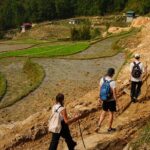
You’ll spend about 2 hours in this area. That length matters. Short stops can become photo-only. Here, you have time to slow down, look closely, and ask questions through your guide—especially since the tour includes a licensed English-speaking guide, so communication isn’t a guessing game.
One practical note: Ta Phin sits within that mountain-road world. Wear what you’d want for uneven walking and expect the day to be more “active sightseeing” than “museum pace.”
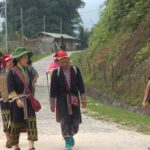
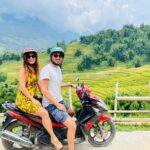
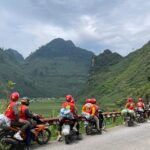
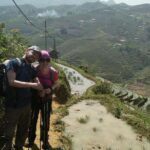

Stop 4: Hang Da village for the quieter, wilder feel
Next is Hang Da village, described as hidden among forests and mountains, with small mossy wooden houses and a calmer atmosphere. This stop is valuable because it contrasts with Ta Phin. You’re seeing a different slice of village life, and the atmosphere shifts from “known for a specific house style” to “quiet village texture and place.”
You’ll have about 1 hour 30 minutes here. That feels right. Long enough to feel the setting, short enough to keep energy for the rice-terrace part later.
The biggest drawback potential at Hang Da is the same general issue with mountain villages: the day can feel slower if weather or comfort is off. But if conditions are good, the stop is exactly what makes the tour feel like you’re living on Sapa’s time scale instead of chasing a checklist.
Stop 5: Ta Van and Lao Chai rice terraces in Muong Hoa Valley
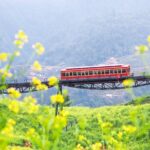
This is where the day really turns into “view time,” without losing its village focus. From Hang Da, you ride to Ta Van village and then onward to Lao Chai, described as H’mong and Giay communities located in the middle of the Muong Hoa valley.
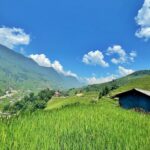
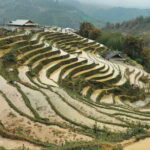
The itinerary emphasizes the endless terraced fields and the chance to watch daily mountain farming patterns in an area known for terraced agriculture. The term picture-friendly shows up in the feedback for a reason: the terracing lines are visually strong from many angles, and you’re in the valley where the shapes show up even when you stop moving.
You’ll spend about 2 hours in the Ta Van/Lao Chai section. That timing is important because rice terraces can look different with light and weather. With only 20–30 minutes, you might catch just one mood. With a couple of hours, you get more than one “look” without turning it into a marathon.
If you love photography, this is the stop that delivers it. If you’re more of a “learn what I’m seeing” person, your guide can help connect terrace patterns to the way life fits into the valley.
Lunch and coffee/tea: why the meal is more than a break
This tour includes lunch plus coffee and/or tea. Lunch is described as freshly cooked in a family home. That detail changes the experience from sightseeing to actually sharing time with local routines.
Even if you don’t think of yourself as a food person, this is one of those value moves that can make the day feel human. It’s also a smart pacing tool. After waterfall and village stops, you need a reset where the day stops moving for a while.
Because the tour is built around “hidden villages and real life,” lunch fits the theme. You’re not just eating between stops; you’re part of a moment in the community’s day.
Price and value: what $78 buys you in Sapa
At $78 per person, this is priced for a full-day private motorbike setup with more inclusions than most “basic tour” packages. The big value drivers are:
- Private transportation and fuel
- A licensed English-speaking guide
- Professional driver/rider support (including the motorbike setup, whether semi-automatic or manual)
- Lunch plus coffee/tea
- All entry fees for the scheduled stops
That inclusion list matters because Sapa tours can get expensive once you add up guide time, transport, and entrance fees. Here, the structure is built to keep those costs from becoming surprises. You’re paying for a guided day that covers the mechanics of getting around safely and comfortably.
What’s not included is tips for the guide and driver, and that’s fairly standard. If you like to tip, plan for it. If you don’t, just remember the tour staff still has real costs and effort behind the day.
One more value point: the tour is recommended by 100% and carries a 5-star rating across many reviews. The feedback repeatedly highlights the guides and how smoothly everything runs—like the day is managed rather than improvised.
Who this Sapa motorbike experience is best for
This fits best if you want your Sapa day to feel like a day, not a series of quick photo stops.
You’ll likely enjoy it if:
- You want rice terraces plus village culture in the same day
- You like active travel where you’re moving through the area, not just arriving and leaving
- You prefer a guide who can explain what you’re seeing in plain terms
- You’re comfortable riding a motorbike for long stretches (the day is about 7–8 hours)
You might think twice if:
- You dislike winding mountain roads or long travel days
- You’re not comfortable with a moderate physical fitness requirement
- Your travel plans depend on keeping everything extremely slow and predictable
The “private tour” element is also a strong match for couples and small groups who want flexibility and a more personal pace.
A few practical tips to get the most from the day
Since this is a motorbike day with multiple stops, your biggest wins come from small preparation choices:
- Wear shoes you trust on uneven ground. Village paths and waterfall areas can be mixed surfaces.
- Bring a layer. The mountains can feel cool quickly, and the day spans morning to mid/late afternoon.
- Keep your camera ready for terraced views at Ta Van and Lao Chai; that’s where the picture angles feel most consistent.
- If you have dietary preferences, it’s worth mentioning at booking so lunch can be handled smoothly (the tour does include lunch, so you’ll want it to work for you).
Should you book this Sapa motorbike tour?
Yes, if you want a day that connects Thác Bạc, Red Dao Ta Phin village, quieter Hang Da scenery, and Muong Hoa valley terraced fields—without the feeling of chasing a tourist circuit. The value is in the full-day structure: private motorbike transportation, licensed English-speaking guidance, included lunch, and entry fees all handled for you.
I’d book it with extra confidence if you care about the “how people live” side of Sapa. That’s where this tour’s timing and village choices pay off. If you’re hoping for a super-calm, sit-and-stare itinerary, you may find the riding and schedule less your style.
If you’re okay with mountain roads and a moderately active day, this is one of the more practical ways to see Sapa beyond town.
FAQ
How long is the Sapa motorbike experience?
It runs about 7 to 8 hours.
How much does the tour cost?
The price is $78.00 per person.
Where does the tour start and end?
It starts from a central Sapa pickup point (including options near Sun Plaza or from your hotel, with a confirmed pickup point provided at booking) and ends back at the starting point.
What stops are included during the day?
The route includes stops at Thác Bạc (Silver Falls), Ta Phin village, Hang Da village, and Ta Van and Lao Chai villages, with time in Sapa at the start and end.
What’s included in the price?
Included are private transportation, coffee and/or tea, a licensed English-speaking tour guide, motorbike gas and a professional driver, lunch, all entry fees, and a semi-automatic or manual motorcycle.
Is this a private tour?
Yes. It’s a private tour/activity, and only your group participates.
What happens if the weather is poor?
The experience requires good weather. If it’s canceled due to poor weather, you’ll be offered a different date or a full refund.