REVIEW · HIKING & TREKKING
Sapa: Fansipan Trek with Overnight Option (1 to 2 Days)
Book on Viator →Operated by Go SaPa Trek-Tour · Bookable on Viator
Fansipan tests your legs in the best way. This trek stands out because you climb Vietnam’s highest peak, Fansipan (3,143m), with local English-speaking guides who also know how to explain Sapa and Black Hmong life. I also like that meals and key logistics are handled, so you can focus on the trail. One heads-up: the hike is altitude-heavy and the pace can feel like a lot if your fitness is only average.
You’ll choose between a tough day hike and an overnight plan. In the one-day option, the climb is often about 6 hours up and about 6 hours back down, though it can stretch or shrink based on the group’s fitness and conditions. The two-day version slows things down by giving you a place to sleep around 2,800m, then a summit sunrise before the descent.
Either way, the experience is built around simple, practical moves: pickup in Sapa, entrance covered for the summit stop, and bottled water plus meals depending on the option. And because this is a mountain trek, weather matters a lot—if conditions are poor, the operator will offer a different date or a refund.
In This Review
- Key things that make this Fansipan trek work
- Why Fansipan’s 3,143m summit feels different than a normal hike
- One-day Fansipan trek: the long day schedule and the upside
- Two-day overnight option: sleep at 2,800m and chase sunrise
- The guides: where the culture stories actually add up
- Sapa logistics that keep the hike from feeling complicated
- Fitness reality check: moderate fitness and altitude pacing
- Price and value: what you’re really paying for at $71.14
- Weather and safety: why good conditions matter here
- Should you book the 1- or 2-day Fansipan trek?
- FAQ
- How long is the Fansipan trek?
- Does the tour include pickup in Sapa?
- What’s included for meals and drinks?
- Is the summit stop time included?
- Do I need to be fit, and what age is allowed?
- How many people are in the group?
- What happens if weather is bad?
- Is there free cancellation?
Key things that make this Fansipan trek work
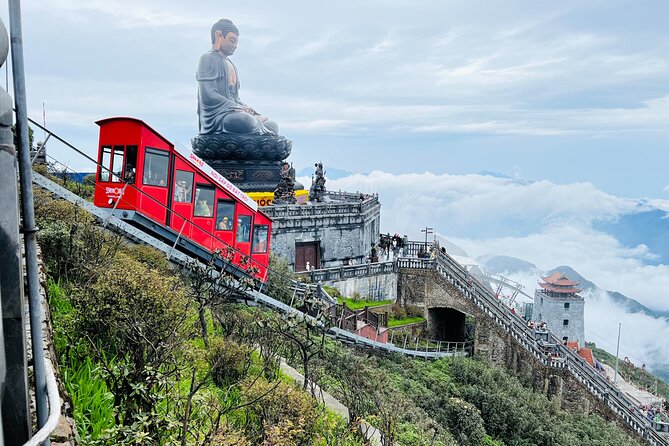
- Vietnam’s highest peak, with summit time built in (admission included, with about 30 minutes on Fansipan)
- English-speaking local guidance that adds context beyond just putting one foot in front of the other
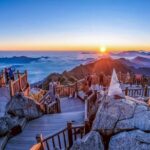
- Two-day option with a real payoff: sunrise from the summit
- Meals and drinks included, which matters on days where you’d otherwise overpay or under-eat
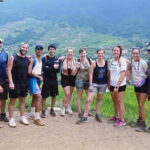
- Small group size (max 20), which usually means less waiting around and more attention on your pace
- Pickup and drop-off within Sapa, plus a mobile ticket for less hassle
Why Fansipan’s 3,143m summit feels different than a normal hike
Fansipan isn’t just a tall mountain on a map. It’s Vietnam’s highest point at 3,143 meters, which changes how the hike feels from start to finish. Even when the trail is straightforward, altitude makes your breathing work harder, and your legs notice every stop, turn, and steady grind upward.
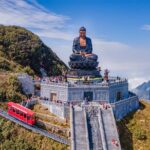
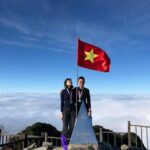
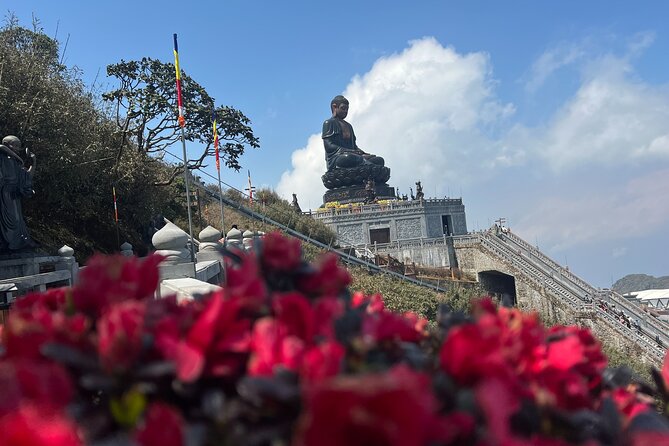
The tour also gives you a moment at the top—about 30 minutes at the Fansipan summit, with admission included. That time matters. People often rush summit photos and end up feeling like they were only there for the camera. Here, you get enough time to actually look around, notice the different layers of mountains in the distance, and soak in the idea that you really reached the highest point of the country.
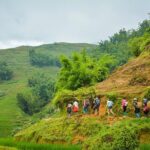
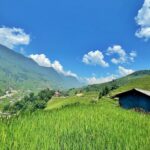
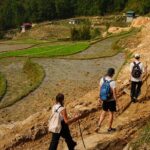
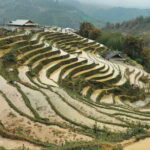
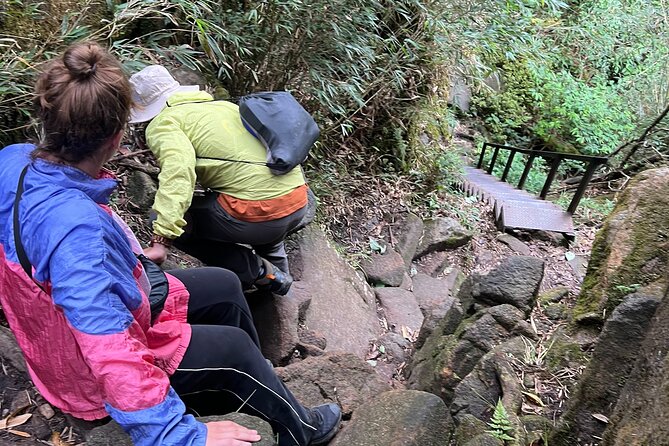
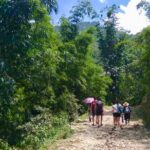
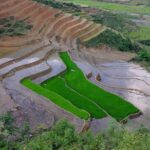
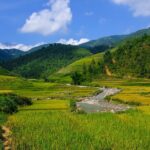
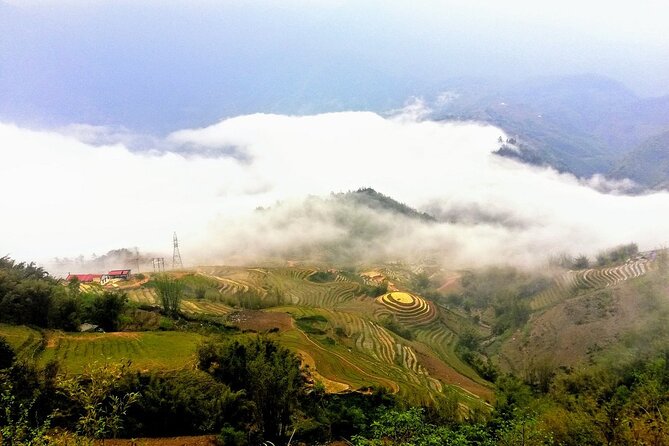
Just as important: your route isn’t described as a theme-park version of hiking. You’re passing through the kind of terrain that’s typical around Sapa—think thick mountain greenery, bamboo groves, and stretches where you can see how rice terraces shape the valley. When you hike like this, the views are not just scenery. They help you understand what you’re climbing through.
You can also read our reviews of more hiking tours in Sapa
One-day Fansipan trek: the long day schedule and the upside
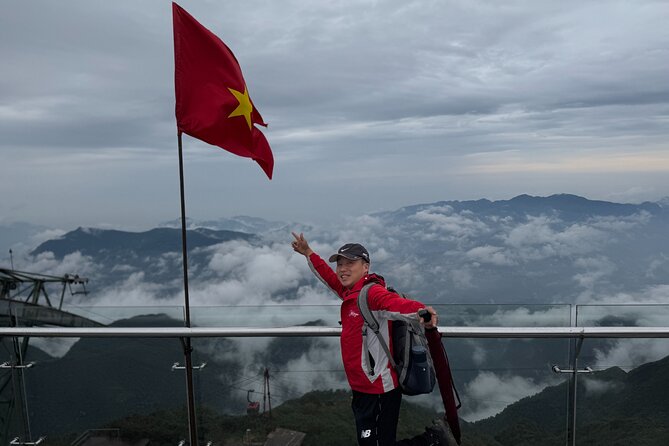
The one-day version is for you if you’re fit enough to do a lot in one push and you want the simplest plan. The typical rhythm is about 6 hours ascending and about 6 hours descending, but the exact timing can vary by fitness and conditions. That flexibility is common on mountain hikes, because snow, mist, and trail traffic can change how quickly groups move.
What I like about the one-day schedule is that it’s straightforward: you climb, you get summit time, and you come back down. It’s also easy to anchor your day—no mid-trek logistics like switching lodging or worrying about dinner arrangements later.
Meals are included too. The day trek includes lunch and drinks, plus bottled water is part of what’s provided. That’s not just a comfort perk. It can be a value saver when you’re hiking for hours. Food delays can wreck a day on a mountain, and having lunch planned reduces the risk that you’ll skip calories because you’re too busy focusing on the climb.
Possible drawback: a one-day trek can be tiring in a way that lingers. Even when the descent is manageable, you’ll still finish the day with sore legs and a body that’s likely thinking about altitude. If you’re the type who wants a relaxed evening afterward, you’ll probably enjoy the two-day option more.
Two-day overnight option: sleep at 2,800m and chase sunrise
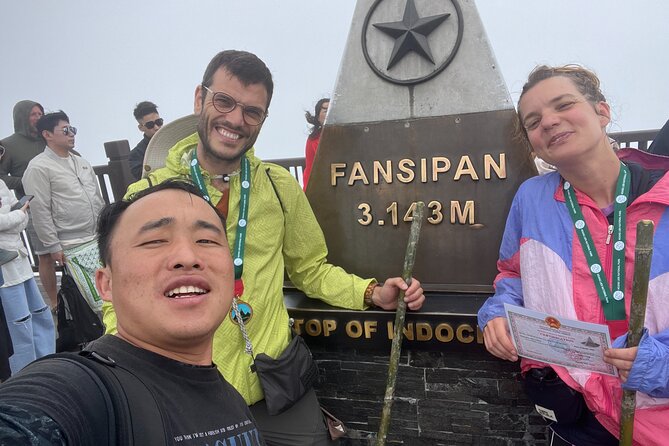
If you want a less punishing pace and more time for the mountain, the overnight option is the smarter match. Instead of racing straight up and back down, you hike to lodgings at about 2,800 meters. That changes the whole experience. You’re still climbing, but you get to break the effort into chunks instead of stacking everything into one marathon day.
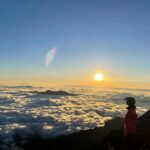
On day two, you start with the goal that makes this option worth it: sunrise at the summit. Sunrise is one of those things that can feel like a marketing line—until you’re actually on a mountain early enough to watch the light work its way across the ridges. The atmosphere at dawn also tends to be calmer, and temperatures are usually more comfortable for hiking than midday heat.
The tour says all meals and drinks are included for the two-day trek. In practical terms, that means you shouldn’t have to scramble for food on arrival, between hikes, or at your overnight stop. You can also plan your energy better. Instead of guessing when you’ll eat again, you can treat the meal schedule as part of your pacing.
Tradeoff: overnight hikes add one more element to manage—sleep at altitude, plus the simple reality that you’ll be up early on the second day. If you’re a light sleeper, you might find that mountain lodging feels different than a city bed. Still, the sunrise payoff often outweighs that inconvenience for people who want the more memorable version of Fansipan.
The guides: where the culture stories actually add up
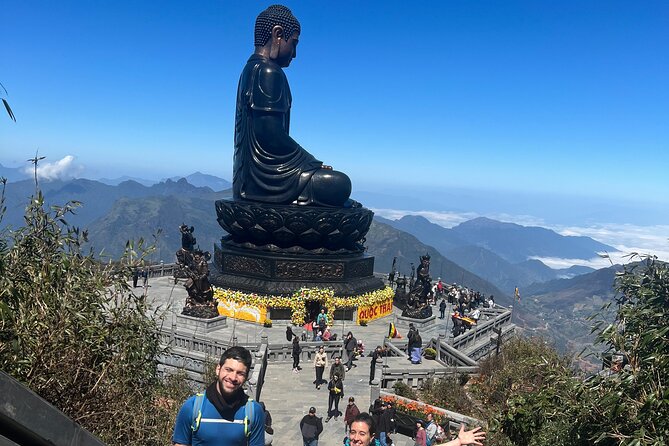
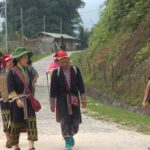
The tour’s value isn’t only in reaching the summit. It’s in how the climb is explained as you go. You’ll have local guides who speak English and are described as knowledgeable about the area, including aspects of Black Hmong life.
That matters because Sapa isn’t just about elevation and views. It’s a place where the people and the terrain are connected. When your guide can point out what you’re seeing—why rice terraces look the way they do, how bamboo and forest areas are used, what everyday life is like—you end up with a trek that feels more personal than a checklist climb.
The reviews also highlight specific guide names, which is a nice sign of consistent service style. People singled out guides like Tay (sometimes spelled Tai) and Pé, praising them for taking care of the whole experience—pickup from hostels, handling meals during the hike, and keeping things organized while still making the day feel human. One person even called Tay a gem, which tracks with the way this tour is set up: you’re not hiking alone and you’re not doing a rushed conveyor-belt climb.
If you like cultural context more than just distance and elevation, you’ll probably appreciate this format. Even if you’re purely there for views, a guide who knows the area can still help you pace better and make the day feel smoother.
Sapa logistics that keep the hike from feeling complicated
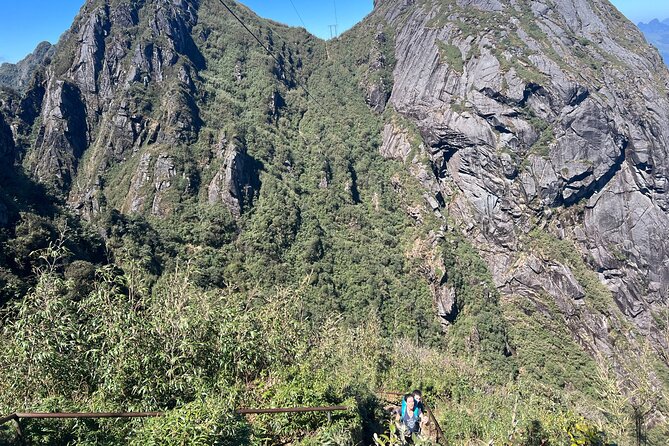
A big stress-killer for mountain tours is simple, reliable logistics. Here, pickup and drop-off are included to locations within Sapa. That means you’re less likely to waste time figuring out transport when the whole day’s value is on the trail.
The group size is capped at 20 travelers. That’s not tiny enough to feel like a private expedition, but it’s small enough that you’re usually not stuck in a crowded line for every stop. Fewer delays can also make your pace feel steadier—important on a steep, altitude-driven hike.
You also get a mobile ticket, which is a small detail, but in practice it reduces the risk of losing something or scrambling at check-in. The tour is also described as near public transportation, which gives you a safety net if your pickup details are hard to match on a busy day.
You can also read our reviews of more tours and experiences in Sapa
Fitness reality check: moderate fitness and altitude pacing
This trek is suitable for ages 12 and above, and it’s aimed at people with at least moderate physical fitness. That wording is common, but here’s what it usually means in real mountain terms: you should be comfortable walking for long stretches, managing uphill effort, and not panicking when breathing gets heavier.
The one-day option is clearly the tougher physical demand because it stacks the ascent and descent in the same day. The two-day option gives you a built-in recovery period at the overnight lodgings around 2,800m and then a new push toward the summit.
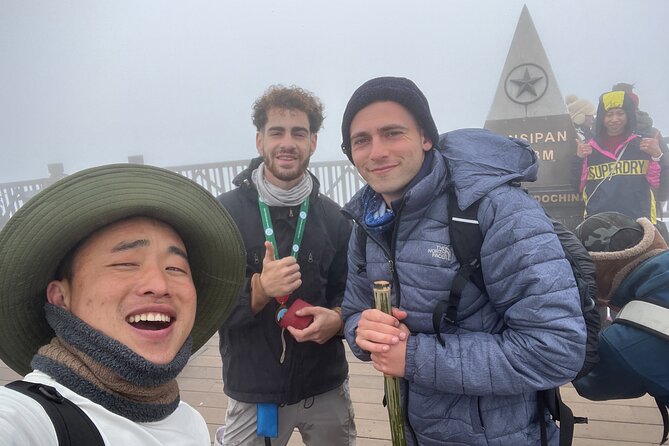
Also, weather can affect the trail pace. The tour notes that it requires good weather. If conditions are poor, you’ll be offered a different date or a full refund. That’s not just fine print—it’s part of how you should plan your expectations. If you show up during mist or fog, you might move slower, and the best photos could be harder to get, even if the hiking goes forward.
Practical tip: think about your plan for the day after. Even if you feel fine while hiking, your legs may argue later. If you’ve got tight plans for the next day, consider the overnight option less if you want to preserve energy.
Price and value: what you’re really paying for at $71.14
At $71.14 per person, the price can look either like a bargain or like a lot, depending on what’s included. The good news is that this trek includes several items that add up quickly on your own: private transportation pickup and drop-off within Sapa, entrance fee for the summit stop, bottled water, and for the day option, lunch and drinks.
If you go with the two-day overnight option, the value shifts again because the tour includes all meals and drinks across both days. That’s where a hiking deal often reveals itself. You’re not just paying for the guide and the trail time. You’re paying for reduced decision-making: when to eat, what you’ll eat, and how you’ll get where you need to be.
So I’d judge the value this way: if you want a guided summit attempt with organized transport and provided meals, this price starts to make sense fast. If you only want to hike independently and you already have gear, transport, and a solid meal plan, then the value is less obvious. But for most people visiting Sapa, the cost is reasonable for the convenience and the mountain-culture guidance.
Weather and safety: why good conditions matter here
The tour explicitly notes that it requires good weather. That’s mountain reality. Fansipan can be clouded in, wet, and slippery, and visibility can drop so you can’t enjoy the views you came for. The operator’s response is clear: if the experience is canceled due to poor weather, you’ll be offered a different date or a full refund.
This is a good sign of responsibility. It also means you should plan your Sapa stay with flexibility if you can. If you’ve got only one day in the area, the odds of weather disruption are higher than if you can shift dates.
Should you book the 1- or 2-day Fansipan trek?
Book this trek if you want Vietnam’s highest peak with a guided plan that includes real logistics and food. It’s especially worth it if you care about learning what you’re seeing—Sapa’s setting and Black Hmong life—through an English-speaking local guide.
Choose the one-day trek if you’re confident with long walking, want a simpler schedule, and you don’t mind arriving back in Sapa with tired legs. Choose the two-day overnight option if you want sunrise, a slower climb, and more time for the mountain to feel like it’s yours instead of a rushed mission.
Skip or reconsider if you’re sensitive to altitude or you dislike early mornings. Also take the weather note seriously—mountain trekking is more about conditions than promises. If you can match your trip dates to the forecast and keep your fitness at a moderate-to-strong level, you’ll likely come away with a summit moment that feels earned.
FAQ
How long is the Fansipan trek?
The trek is approximately 10 to 12 hours overall, depending on the chosen option and conditions. The typical one-day trek includes about 6 hours ascending and 6 hours descending, but timing can change based on fitness.
Does the tour include pickup in Sapa?
Yes. The tour includes private transportation pickup and drop-off to locations within Sapa.
What’s included for meals and drinks?
For the one-day trek, the tour includes lunch and drinks, plus bottled water. For the two-day trek, all meals and drinks are included.
Is the summit stop time included?
Yes. The Fansipan summit stop includes admission and is listed as about 30 minutes.
Do I need to be fit, and what age is allowed?
The trek requires moderate physical fitness and is suitable for people aged 12 and above.
How many people are in the group?
The experience has a maximum of 20 travelers.
What happens if weather is bad?
The tour requires good weather. If it’s canceled due to poor weather, you’ll be offered a different date or a full refund.
Is there free cancellation?
Yes. You can cancel for a full refund up to 24 hours before the experience starts.