REVIEW · HIKING & TREKKING
Sapa Easy Trekking Villages 2 days, 1 night: Meals, Local guide, 3 star hotels
Book on Viator →Operated by Vietnam Tonkin Travel · Bookable on Viator
Sapa is a hike with a warm bed. I like that this trek mixes Cat Cat village sightseeing with a real homestay night, so you get mountain village life without going full survival-mode. I also like the human part: the guides (like Linh, Hoa, May Trang, Vu, and Thanh) tend to explain ethnic groups and day-to-day village routines in clear English. The one thing to weigh is that the walking is still real hiking—plus the program depends on good weather, so rain can change the plan.
Expect a packed day schedule with early trek time and long walking blocks. Day 1 includes a midday pickup flow in Sapa, lunch, check-in, and then a walk that starts with a 3 km descent on the way into Cat Cat’s area. Day 2 starts early (breakfast and check-out before 8:30 AM) and turns into a downhill hike toward Y Linh Ho. If you’re looking for a stroll, this may feel like too much—if you’re okay with effort for views, you’ll likely enjoy it.
In This Review
- Key things to know before you go
- Why this Sapa Easy Trek feels practical (not just pretty)
- Price and value: what $90 realistically covers
- Day 1 in Sapa: Cat Cat village without the chaos
- Day 2 trails: Ta Van, Ta Van-to-Y Linh Ho energy, and terrace views
- Your homestay night: comfortable first, then local cooking
- Meals included: breakfast, two lunches, dinner, plus the Sapa market angle
- Guides make the difference: Linh, Hoa, May Trang, Vu, Thanh
- Timing, group size, and the day-to-day logistics you’ll feel
- How hard is it, really? Weather and clothing basics
- Who should book this Sapa trek (and who might want a different style)
- Should you book Sapa Easy Trekking Villages for 2 days, 1 night?
- FAQ
- What meals are included in the 2 days, 1 night Sapa trekking experience?
- Where do I meet the tour, and where does it end?
- What villages and areas does the trek cover?
- Do I need to be an experienced trekker?
- Is pickup from Sapa town included?
- What happens if the weather is poor?
Key things to know before you go
- Small group size (max 15) keeps the pace and questions under control.
- Hotel-to-village support helps you avoid the usual Sapa scramble.
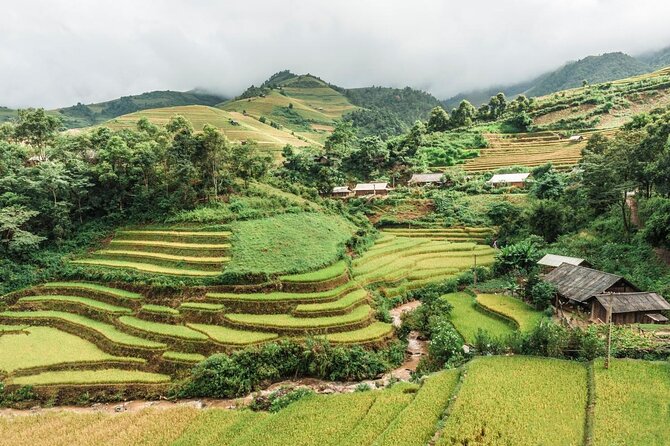
- Two villages in focus: Cat Cat and Ta Van, plus a trek toward Y Linh Ho.
- Homestay + dinner gives you the local-family side, not just the scenery.
- Meals included (breakfast, dinner, and two lunches) make the $90 price feel more realistic.
- Weather matters—the tour requires good conditions for trekking.
Why this Sapa Easy Trek feels practical (not just pretty)
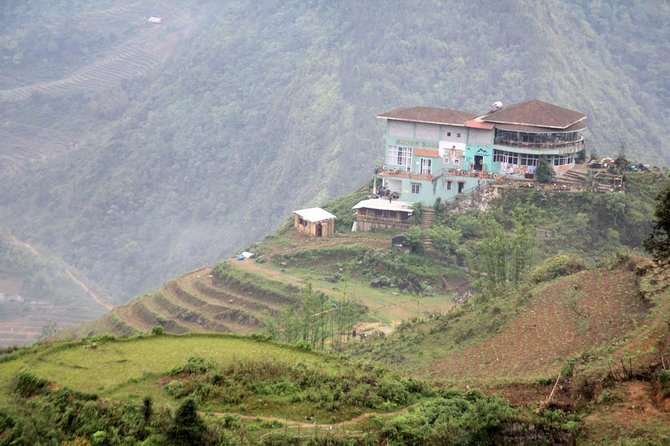
Sapa can be a lot: scooters, mist, stairs, and the occasional confusion about where you’re supposed to be at what time. This trek is built to reduce that friction. You’re picked up in Sapa town center at noon time, then you’re routed into the day’s activities with transport between key points.
The best part is that it doesn’t treat villages as a photo stop and then rush away. Cat Cat gives you an easy entry into the Sapa mountain culture. Ta Van and the Y Linh Ho hike shift the focus to the rice-terrace edges and minority communities of the region. In guides like Linh and Hoa’s style, you typically get context while you walk—what the villages are like, how people live, and how different ethnic groups fit into the landscape.
One more thing I appreciate: you get the comfort step before the rustic one. The plan includes a private 3-star hotel room first, then a homestay night after trekking. That order matters. It makes the second day feel less like a swap from hotel to hardship and more like a smooth change of pace.
You can also read our reviews of more guided tours in Sapa
Price and value: what $90 realistically covers
At $90 per person, the big value isn’t just the trekking. It’s the fact that you’re not paying separately for every moving part.
Here’s what’s included:
- Local guide
- All activities (with admission tickets included)
- Hotel pickup and drop-off
- Breakfast and dinner
- Two lunches
- A “guaranteed to skip the long lines” note for the scheduled activities
- Hotel transport from Hanoi is referenced in the overall tour description
What’s not included:
- Drinks (including alcoholic drinks, purchasable)
- A Tet surcharge of $35 per person during specific dates (Feb 14–23, 2026 listed)
So the value logic is simple: you’re paying for transportation support, a guide, and most meals. That matters in Sapa because eating and getting around can quietly add up fast. If you were to DIY this with a guide-less plan, you’d likely spend time figuring out transport and then pay for meals out of pocket anyway.
Also, the group size cap at 15 travelers is a quiet value booster. Smaller groups mean you spend more time with your guide and less time waiting for people to catch up.
Day 1 in Sapa: Cat Cat village without the chaos
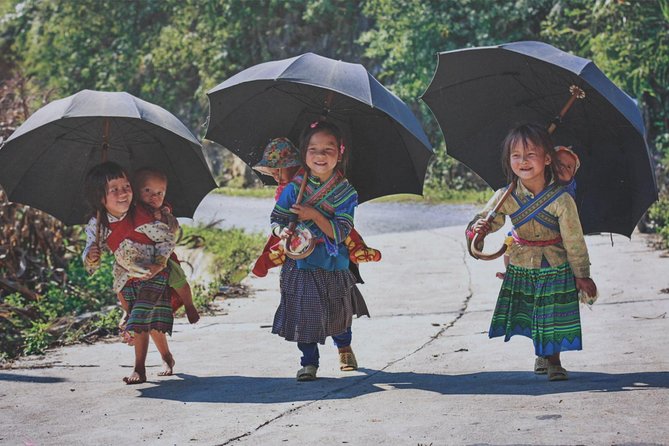
Day 1 is designed as an easier landing day. Pickup happens in Sapa town center around noon. Then you’re transported to the operator’s office base area (listed as Golden Villa Hotel), where you get lunch and can check in.
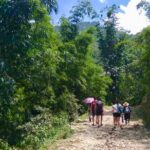
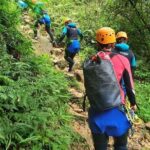
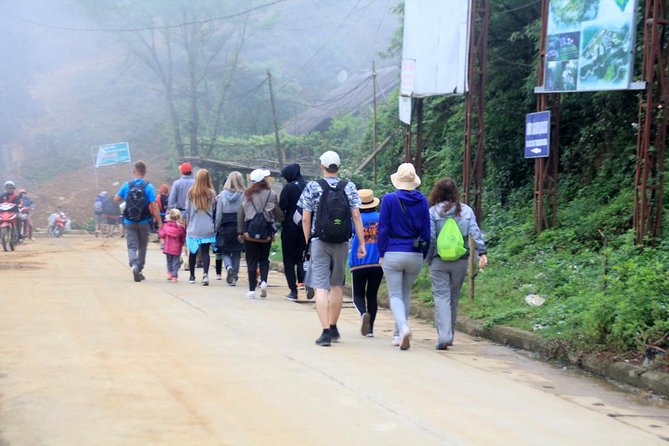
After check-in, you head out at about 2:30 PM for the walk toward Cat Cat. The day includes a first major movement detail: you start with a 3 km descent on the way into Cat Cat’s area. Even if you consider it an easy trek, that distance can feel longer because you’re walking in mountain terrain where your pace slows.
What you’re looking for on this day:
- A first taste of Sapa’s village rhythm
- Village-level introductions with your guide
- Time to settle into the region before the harder day begins
A practical note: the schedule is tight enough that you’ll want to travel light. If you’re the type who overpacks for mist and sun, you’ll feel it by mid-afternoon.
The day also includes admission/tickets for the included activities. That’s helpful because Cat Cat is a popular stop, and you don’t want to lose trekking time waiting at entry points.
Day 2 trails: Ta Van, Ta Van-to-Y Linh Ho energy, and terrace views
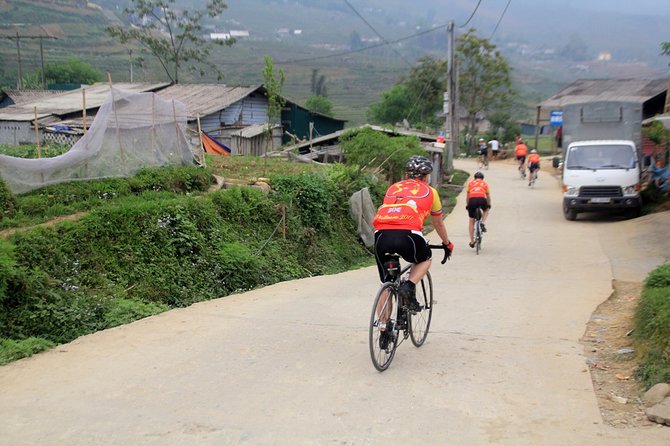
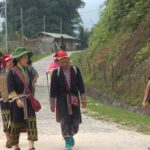
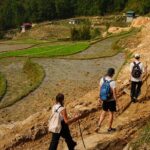
Day 2 starts early: breakfast, then check-out before 8:30 AM. After that, the trek heads downhill toward Y Linh Ho, which is associated with the Hmong minority in the tour notes you’ll be following.
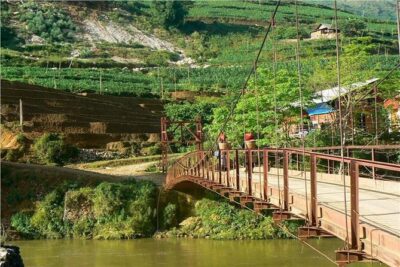
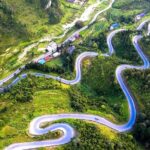
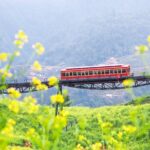
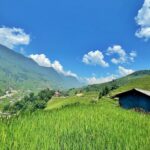
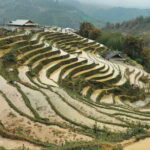
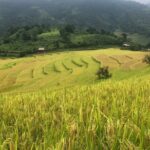
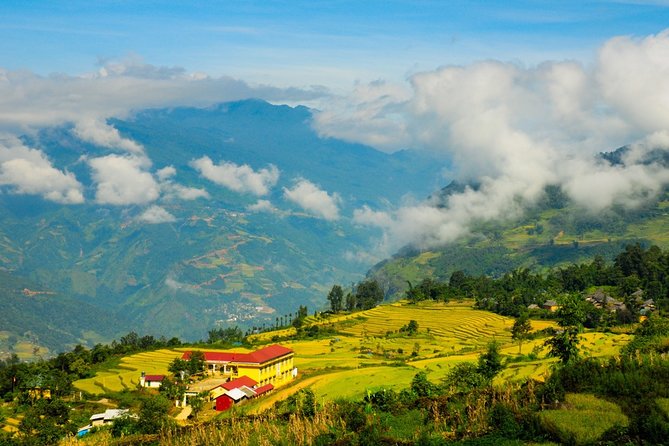
The big visual payoff here is the rice-terrace scenery. The description calls out opportunities for photographs around inherited-style terraced fields. Translation: expect long views, layered slopes, and photo angles that change every few steps as you drop in elevation.
And the route includes Ta Van Village as a key stop. Ta Van is one of those Sapa names that people use like shorthand for mountain village life—so even if you don’t know the specifics before you go, you’ll get the idea fast once you’re walking and talking with your guide.
Why this day matters:
- You get the classic Sapa hiking reward: terraces + village edges
- You see how communities are built around the terrain
- You likely get better cultural context mid-walk, not only at the viewpoint
What to watch out for:
- This day is the one most likely to test your legs. Even on an easy trek label, it’s still a hike.
- If you’re sensitive to slippery paths after mist or drizzle, wear shoes with good grip.
Your homestay night: comfortable first, then local cooking
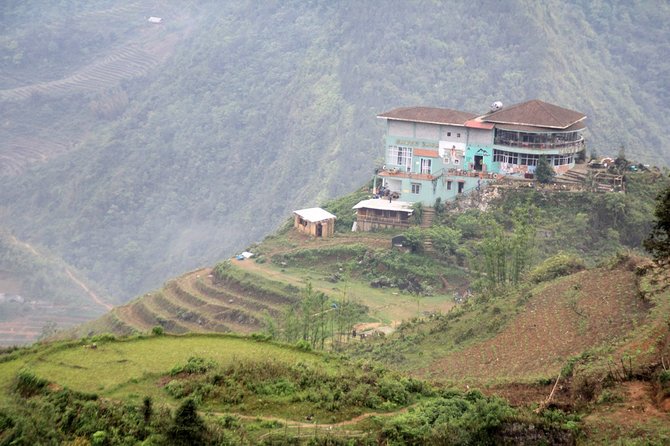
The overnight setup is one of the best reasons to book this style of trek. You get a private hotel room with ensuite first, then you switch to a homestay night.
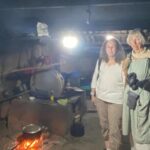
That sequence is smart because your first night is recovery time after travel and a long day. Your homestay night then becomes the cultural payoff. The program explicitly includes dinner and references cooking with a local family as part of the homestay experience.
In guides like Vu and Thanh’s reported approach, the homestay isn’t just a place to sleep. You’re given a role in the evening—often through meal prep or shared cooking—so you’re not stuck standing around waiting for dinner.
Practical expectations:
- You’ll want to be comfortable being flexible. Homestays are real households with real routines.
- If you have strong dietary needs, this is something you should ask about before booking since only “meals included” is stated, not detailed menu options.
The emotional takeaway is usually simple: you leave with more than photos. You leave with a memory of being fed and taught something small about daily life.
You can also read our reviews of more evening experiences in Sapa




Meals included: breakfast, two lunches, dinner, plus the Sapa market angle
Meal coverage is where this trek’s $90 price starts to look fair.
Included meals:
- Breakfast (Day 2)
- Dinner (homestay night)
- Lunch x 2
- Drinks are not included
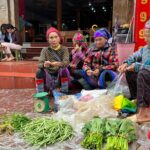
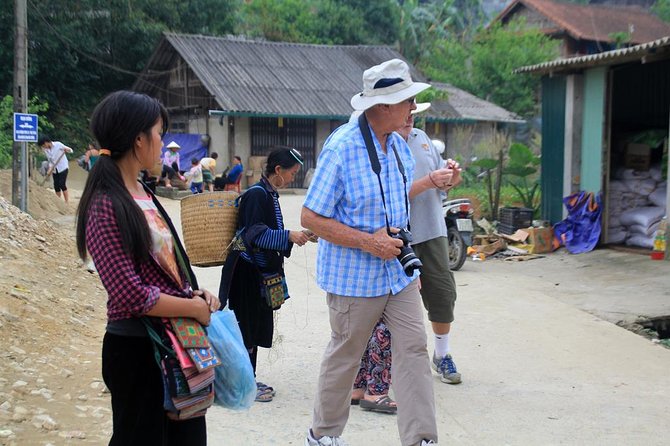
There’s also mention of the Sapa market as part of learning authentic Vietnamese cuisine. Even if you don’t turn into a full-time foodie, that’s useful. Markets in northern Vietnam are not just where you buy things—they’re where you see ingredients, snacks, and the normal flow of daily eating.
How this helps you during trekking:
- You don’t spend trekking money on constant snacks.
- You’re less likely to get stuck hungry in a village area where choices may be limited.
- Your energy stays steadier on Day 2 when the hike is longer.
One tip that comes from how programs like this usually run: if the day gives you a chance to buy small snacks, do it early. Once you start trekking, timing and access can tighten.
Guides make the difference: Linh, Hoa, May Trang, Vu, Thanh
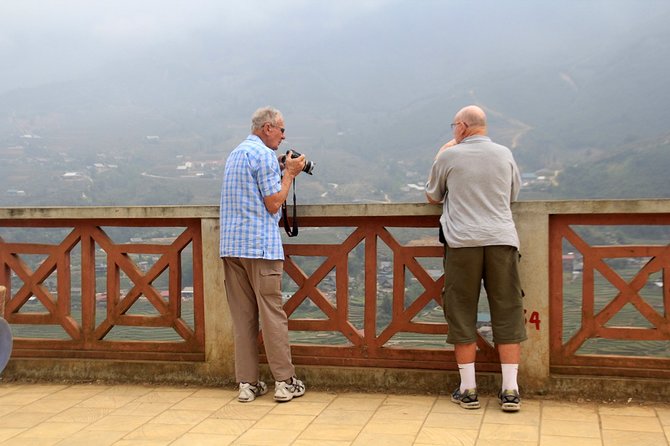
The strongest praise across the experience is pretty consistent: the guides. People highlight guides such as Linh, Hoa, May Trang, Vu, and Thanh for being friendly, funny, and able to explain village life and ethnic context clearly.
Why that matters for your trip:
- You’ll understand what you’re seeing beyond labels on a map.
- Your photos get better because you know what angle and story to look for.
- The trek feels less like marching and more like walking with a local teacher.
If English communication is important to you, this kind of guide-driven format is a safer bet than DIY. The tour isn’t built around you knowing the route perfectly; it’s built around the guide keeping the day coherent.
The guides also shape the pace. When people say the trek was a bit hard but felt comfortable, it usually comes down to pacing, stops, and encouragement—things a good guide manages without making it feel like a formal lecture.
Timing, group size, and the day-to-day logistics you’ll feel
This is a 2-day experience (about 2 days total) with 1 night included. It also keeps a clear rhythm:
- Day 1: pickup in Sapa town, lunch + check-in, then late-afternoon Cat Cat walking
- Day 2: early breakfast, check-out before 8:30 AM, then the hike toward Y Linh Ho
Group size is capped at 15 travelers, which helps with photo stops and makes it easier for the guide to manage pace and timing.
There’s also a mobile ticket noted, plus a clear meeting point at Golden Villa Hotel (075 Đ. Thạch Sơn, TT. Sa Pa, Sa Pa, Lào Cai). The activity ends back at the meeting point, which is practical when you want a predictable return.
One small oddity: the dress code is listed as formal. Trekking and formal sound like they don’t belong together, so I’d interpret this as: dress neat and respectful, not party clothes or messy gym wear. You’ll still need practical footwear.
How hard is it, really? Weather and clothing basics
Even with an easy label, this trek includes meaningful walking:
- A 3 km descent on Day 1
- A Day 2 hike from Ta Van down toward Y Linh Ho, with terrace views
So plan for tired legs. That’s not a complaint—it’s just reality. Sapa is not a flat park.
Weather is the other big factor. The experience states it requires good weather, and if it’s canceled due to poor conditions, you’ll be offered a different date or a full refund. That’s a comfort for you. It means the operator is not pushing trekking when conditions are unsafe.
For clothing, the only hard requirements given are:
- Dress code: formal (interpreted as neat/respectful)
- Suitable shoes implied by the trekking distances
If you’re preparing like a smart hiker, bring:
- Shoes with traction
- A light layer for mist and temperature shifts
- Something to protect from rain just in case
Who should book this Sapa trek (and who might want a different style)
This tour is a strong fit if you want:
- Village visits in a guided format
- A homestay night with dinner and shared cooking time
- Most meals handled
- English communication and clear explanations from the guide
- A small group experience that avoids big-tour chaos
It may not be the best fit if you:
- Want an ultra-light sightseeing day with minimal walking
- Have mobility limitations that make downhill hikes tough
- Hate weather uncertainty (even though the tour offers a refund or alternate date if canceled)
If you like the idea of learning about Hmong communities and possibly Dzao hill tribe life (mentioned in the cultural framing from guide-led conversations), this is the right flavor of trip.
Should you book Sapa Easy Trekking Villages for 2 days, 1 night?
I’d book it if you want an efficient, well-fed way to see Sapa’s village life without getting lost in transport details. The combo of private hotel comfort, a guided trek between Cat Cat and Ta Van/Y Linh Ho, and a homestay dinner + cooking makes the $90 price feel like value rather than a random activity fee.
I’d skip or choose a softer alternative if you’re expecting a gentle walk with no leg burn. Day 2 is the one that will decide if you love trekking or tolerate it.
If you’re the type who cares about how people live—not just what the view looks like—this tour is a solid match.
FAQ
What meals are included in the 2 days, 1 night Sapa trekking experience?
Dinner and breakfast are included, and you also get two lunches. Drinks are not included.
Where do I meet the tour, and where does it end?
The tour starts at Golden Villa Hotel at 075 Đ. Thạch Sơn, TT. Sa Pa, Sa Pa, Lào Cai, Vietnam. It ends back at the same meeting point.
What villages and areas does the trek cover?
The experience includes a stop in Cat Cat village on Day 1 and then Ta Van Village on Day 2, with trekking toward Y Linh Ho (inhabited by the Hmong minority).
Do I need to be an experienced trekker?
The experience notes that most travelers can participate, but it still includes trekking with multiple walking blocks and a downhill hike on Day 2.
Is pickup from Sapa town included?
Yes. Pickup is offered from hotels in Sapa town centre around noon time, and the experience also includes hotel pickup and drop-off.
What happens if the weather is poor?
The experience requires good weather. If it’s canceled due to poor weather, you’ll be offered a different date or a full refund.