REVIEW · HIKING & TREKKING
Sapa 2-Day Trek & Homestay in Ta Van Village – Be a Local
Book on Viator →Operated by SAIGONESE TREKKING HOUSE · Bookable on Viator
A good walk through Sapa can change your mood. This one pairs rice-terrace village trekking with real time in Ta Van Village, plus an indigo dyeing workshop where you color fabric the old H’mong way. I like that it’s not just sightseeing; you do hands-on village tasks, cook with your host family, and sleep close to the mountain rhythm.
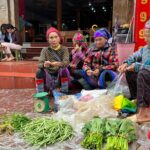
The main thing to weigh is that the trek passes through areas with local sellers, so you may feel some sales pressure along the way. If you’re the type who wants zero interruptions, plan to be firm and keep moving.
In This Review
- Key Things to Know Before You Go
- Entering Ta Van: What Makes This Feel Like Living There
- The Trek Path: From Y Linh Ho to Ta Van (Day 1)
- Giay’s Local House and a Real Dinner Plan
- The H’mong Indigo Workshop: Making the Souvenir
- Day 2 Trek: Giang Ta Chai, Bamboo Forest, and Su Pan
- Value Check: Is $45 Worth It?
- Guides, Pace, and How to Get the Most Out of It
- Who This Tour Suits Best (and Who Should Skip It)
- Should You Book This Sapa Trek and Homestay?
- FAQ
- What’s included in the tour price?
- How long is the Sapa 2-day trek and homestay?
- Where does the trekking route go on Day 1?
- What happens after arriving in Ta Van Village?
- Is the indigo dyeing workshop included?
- What’s on the Day 2 trekking route?
- How many people are in a group?
- Is pickup available?
- Do I need travel insurance or should I budget for tips?
Key Things to Know Before You Go
- A two-day trek built around village names like Y Linh Ho, Lao Chai, Ta Van, Giang Ta Chai, Bamboo Forest, and Su Pan
- Overnight at Giay’s Local House in Ta Van in a private room, so you’re not rushing back to town
- Cook dinner with a local family, starting with market ingredients or garden produce
- Make your own indigo-dyed fabric during the H’mong workshop using natural dye
- Small group size (max 15) for a more personal feel on the trail
- Pickup offered and transportation back to Sapa Town at the end of Day 2
Entering Ta Van: What Makes This Feel Like Living There
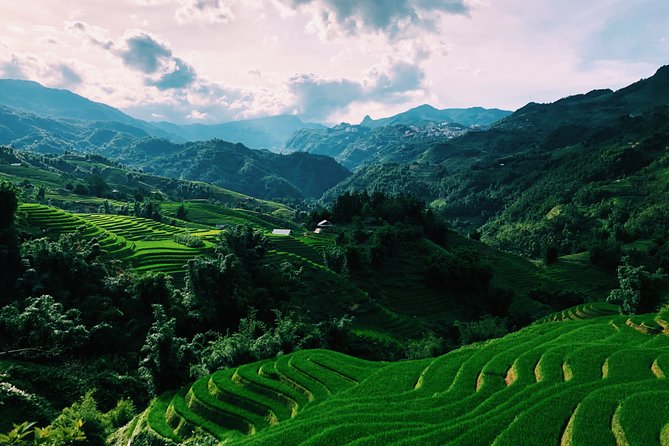
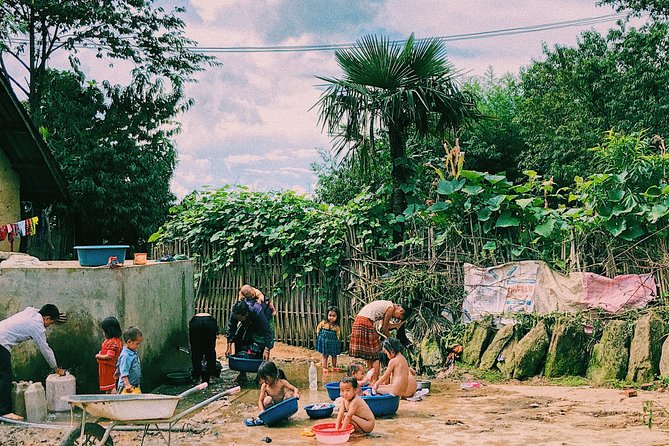
Sapa has plenty of trekking options, but this one aims for something more human: a night where your schedule matches local life. You start with a hike from Sapa Town into mountain villages, then check in to a local stay in Ta Van. The point isn’t just to see Ta Van from a distance. It’s to settle in, meet your host, and learn how a family spends time between chores, food, and community.
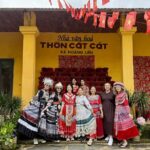
The stay is at Giay’s Local House in a private room. That matters. In a lot of tours, you get a bed and that’s it. Here, you’re included in the rhythm: checking in, unpacking, then later joining activities with the family.
What I’d look forward to most is the chance to connect through daily tasks. This isn’t framed as a performance. You can pick vegetables, shop at the village market for dinner ingredients, and cook together. Those are the kinds of small, practical moments that make the place feel real.
You can also read our reviews of more hiking tours in Sapa

The Trek Path: From Y Linh Ho to Ta Van (Day 1)
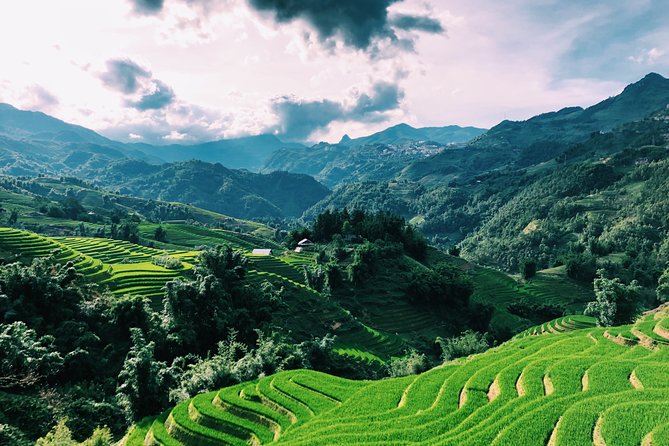
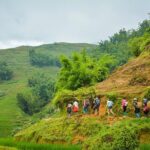
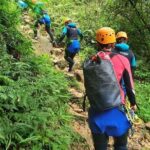
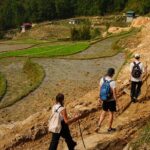
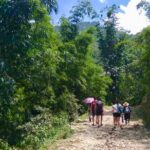
Day 1 is your transition from Sapa’s town energy to its mountain villages. After pickup (if you use it), you’ll begin walking out from Sapa Town toward Y Linh Ho, then continue through Lao Chai, before reaching Ta Van.
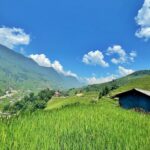
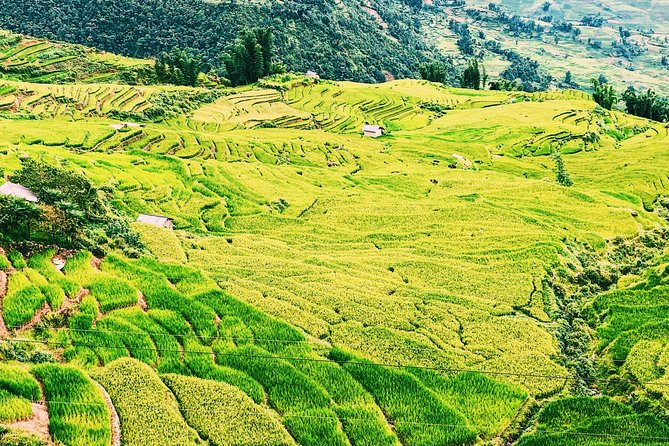
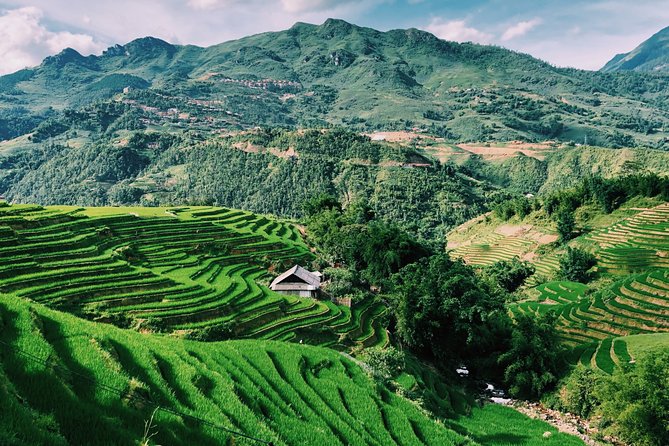
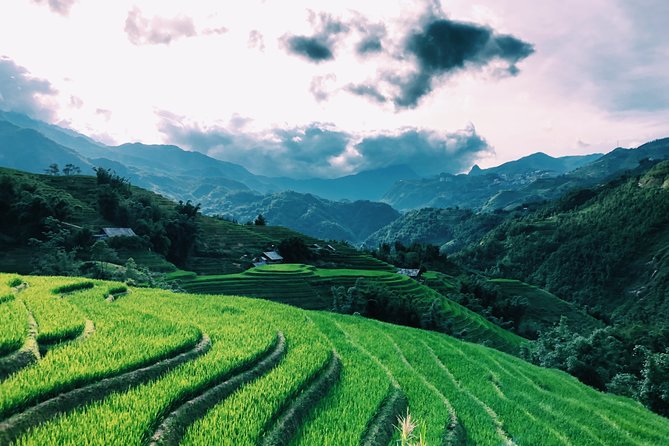
Why these stops matter: this route is built around the typical village trail network in the area, so you’re not hopping randomly between viewpoints. You move along paths that connect communities, and you have chances to see rice terrace scenery and daily village life up close.
Expect the day to feel like a steady progression. You’ll walk, arrive, check in, then shift from trekking mode to home mode. That structure helps. It keeps Day 1 from becoming a long grind with no payoff until late.
Also, small groups help. With up to 15 travelers, it’s easier to hear your guide and get your questions answered without losing the group every two minutes.
Giay’s Local House and a Real Dinner Plan
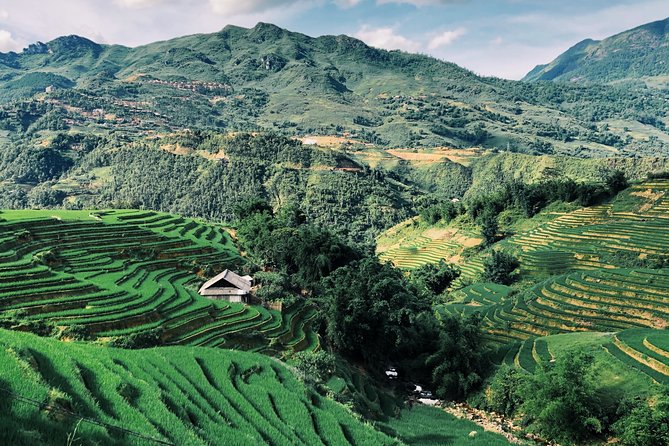
Once you arrive in Ta Van, you check in, unpack, and get to slow down. Later, you can join your local host for simple, meaningful activities.
You might:
- pick vegetables in the garden
- visit the local market to buy ingredients
- cook dinner with the local family
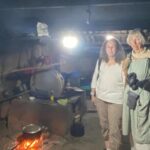
This is where the tour becomes more than a trek. Market time turns into a mini lesson in what people actually eat and how the day’s meals come together. Cooking together does the same thing in reverse: you start learning by doing. Even if your knife skills are rusty, you’ll still get pulled into the process.
Then dinner happens together with the family. Included meals are part of the value here: you’re paying for your time on the trail, plus the full hospitality experience—breakfast, lunch, and dinner—not just a walking route.
The H’mong Indigo Workshop: Making the Souvenir
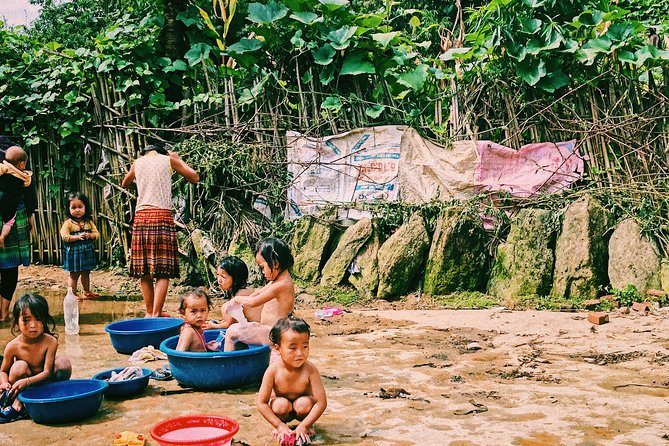
After dinner, you’ll learn a H’mong indigo dyeing tradition. The technique uses natural indigo, and your host will guide you through the process.
You’ll also get a piece of fabric to dye yourself, so you leave with something handmade and personal. That’s the kind of souvenir that usually costs more when you buy it in town. Here, it comes from your hands, your color choices, and your time with the workshop.
A couple practical notes for getting the most out of this part:
- Wear clothes you don’t mind getting dye on (even if the process is managed well).
- Plan for the fabric to be something you’ll keep carefully. You’ll want it as a lasting memory of the evening.
Day 2 Trek: Giang Ta Chai, Bamboo Forest, and Su Pan
Day 2 starts with breakfast at the homestay, then check out and head back onto the trail. Your route continues through Giang Ta Chai Village, then the Bamboo Forest, and onward to Su Pan Village.
This day has a different feel than Day 1. You’re no longer proving you can reach the village stay. Now you’re collecting the remaining village views and finishing the loop with a gradual sense of closure.
The tour ends with a car waiting to take you back to Sapa Town. That’s a big deal after two days of walking. You’re not left negotiating transport while tired.
If you’re hoping for a fun detour like a waterfall stop, keep your expectations flexible. One guide route has included a waterfall area where people chose to swim if conditions allowed, so you might get something like that depending on timing and weather.
You can also read our reviews of more tours and experiences in Sapa

Value Check: Is $45 Worth It?
At $45 per person for two days, this tour only makes sense if you want the full mix: meals + overnight + guided trek + the indigo workshop. If you only want photos and a quick hike, there are cheaper ways to do that. But if you want the living-part—the cooking, the market, the dyeing—then $45 starts to look like a fair deal.
Here’s what’s included that you’d otherwise pay for separately:
- Breakfast, lunch, dinner
- Overnight at Giay’s Local House (private room)
- Transport back to Sapa Town
- Bottled water
- The indigo dyeing activity (you dye your own fabric)
Not included is also part of the calculation:
- Tips
- Insurance
So think of the price as covering your core experience. Tips are optional but real. If you get helpful, friendly guiding, a little gratitude goes a long way.
The other value signal: the group is capped at 15 travelers, which helps you feel like part of the day instead of cargo.
Guides, Pace, and How to Get the Most Out of It
Good guiding changes everything on a village trek. In this tour style, your guide typically explains what you’re seeing and helps you connect with the people along the way. One English-speaking guide you might encounter is Sue, described as friendly and fluent in English, and able to explain village life and how people live.
Even without a named guide in your booking, use the time you have. Ask questions during walking breaks. Ask about what the family does each day. The tour is built for conversation, not silent hiking.
As for pace: you’ll be on your feet across two days. The best mindset is casual effort, not sporty obsession. Wear shoes you trust. Bring a light rain layer if the weather turns. Good weather is required for the experience, so plan to be flexible if conditions change.
Who This Tour Suits Best (and Who Should Skip It)
This is a strong fit if you want:
- a hands-on cultural experience (cooking, market time, garden work)
- one night in a local setting instead of day trips
- a guided trek that passes multiple villages, not just one highlight
- a meaningful souvenir you make yourself through indigo dyeing
It may not be ideal if you:
- hate any kind of sales interaction along the trail
- want a totally hands-off sightseeing day
- are looking for a fast, low-walking itinerary
Small note: if you’re sensitive to crowds, a max of 15 helps. If you’re sensitive to sellers, you’ll want to mentally prepare and keep moving calmly.
Should You Book This Sapa Trek and Homestay?
If your goal is to see Sapa and also understand how people live in the valleys, I’d book it. The standout parts are the private homestay night and the indigo workshop where you dye your own fabric. Those aren’t throwaway add-ons. They’re the reason this feels special.
Book it sooner rather than later if you can. It’s described as averaging around 5 days in advance, which suggests popular dates go quickly.
If you’re deciding between a basic trek and this cultural version, choose the cultural one—if you’re open to interacting with sellers and participating in village activities. That’s where your best memories will come from.
FAQ
What’s included in the tour price?
The tour includes breakfast, lunch, dinner with the local family, overnight at Giay’s Local House (private room), transportation back to Sapa Town, and bottled water.
How long is the Sapa 2-day trek and homestay?
It’s a 2-day experience, approximately.
Where does the trekking route go on Day 1?
Day 1 goes from Sapa Town through Y Linh Ho, Lao Chai, and onward to Ta Van Village.
What happens after arriving in Ta Van Village?
You check in to your private room at Giay’s Local House, unpack, then join local activities such as picking vegetables or visiting the market, and cooking dinner with the family.
Is the indigo dyeing workshop included?
Yes. After dinner you’ll learn the H’mong indigo dyeing tradition and dye your own piece of fabric to take home.
What’s on the Day 2 trekking route?
Day 2 continues through Giang Ta Chai Village, the Bamboo Forest, and Su Pan Village, then a car returns you to Sapa Town.
How many people are in a group?
The tour has a maximum of 15 travelers.
Is pickup available?
Pickup is offered.
Do I need travel insurance or should I budget for tips?
Tips and insurance are not included.