REVIEW · HIKING & TREKKING
Sapa Mountain View and Villages Trek
Book on Viator →Operated by Sapa Trekking Hiking Tours · Bookable on Viator
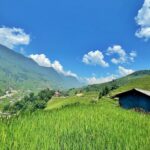
Muong Hoa views come fast on this Sapa trek. You’ll head up high enough to look down over rice terraces and the Muong Hoa valley, then work your way through Hmong villages where everyday life is the main show. It’s a simple plan with real payoff: mountain panoramas, village stops, and time to ask questions along the way.
What I like most is the combination of panoramic viewpoints and village immersion-by-walking. And the guide side matters here: one standout guide name you’ll hear is Gio, who’s described as patient with breaks, helpful, and with solid English for making sense of what you’re seeing.
One consideration: this is best for people with moderate fitness, and it depends on weather, since the route calls for good conditions to enjoy the views and footing.
In This Review
- Key Things I’d Circle Before You Go
- Getting Oriented in Sapa: Start at Sapa Church
- Price and Value: What $35 Buys You in Real Terms
- Hau Thao and Hang Da: Downhill Views Over Muong Hoa
- Giang Ta Chai Village: Hmong Life by the Muong Hoa River
- Why the Guide Matters Here: The Gio Factor
- Pace, Terrain, and Weather: What You Should Know Before You Go
- Logistics That Affect Comfort: Pickup, Timing, and Group Size
- What’s Included vs Not: Avoiding Surprise Costs
- Who This Trek Fits Best
- Should You Book the Sapa Mountain View and Villages Trek?
- FAQ
- What time does the tour start, and where do I meet?
- How long is the trek?
- Is pickup available?
- What’s included in the price?
- What isn’t included?
- Do I need to be very fit?
- What happens if the weather is bad?
Key Things I’d Circle Before You Go
- Small group size (max 15): you get a guide you can actually talk to, not a crowd you can’t hear.
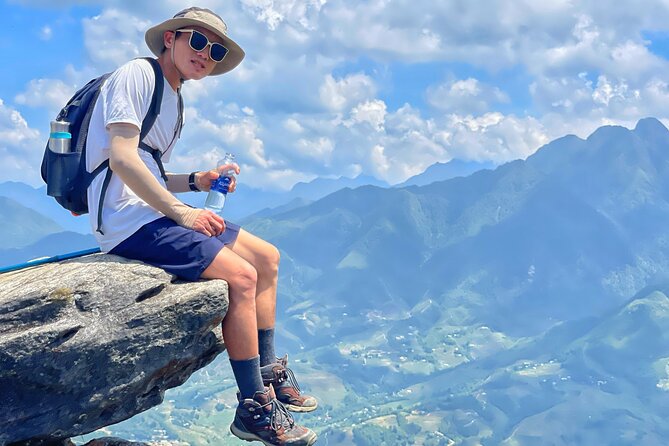
- Hau Thao + Hang Da combo: downhill village walking with big Muong Hoa valley outlooks.
- Giang Ta Chai on the Muong Hoa river: a second village stop with cultural context included.
- Lunch and local guide included: fewer decisions, less cost math, more time outside.
- Gio-style pacing: built for breaks, especially if you’re not a fast hiker.
Getting Oriented in Sapa: Start at Sapa Church
You meet at Sapa Church in the town center (P. Hàm Rồng, TT. Sa Pa). The start time is 9:00 am, so plan to arrive a bit early, grab water, and get your bearings while the morning is still calm.
This matters because the day works like a rhythm: you’ll spend time moving, then step into village areas where you’ll want to slow down and look. Starting in town keeps it straightforward. No long scramble to find a pickup point at the edge of Sapa.
You may also get pickup offered, which is helpful if you don’t want to figure out local transport before the trek. Either way, the plan ends back at the same meeting point, so you’re not wondering where your return ride will drop you off.
You can also read our reviews of more hiking tours in Sapa

Price and Value: What $35 Buys You in Real Terms
At $35 for about 6 hours, the headline value is that the core costs are bundled. Your tour includes:
- Village entry fees
- Local guide
- Lunch
- Transportation back to Sapa
- 1 small bottle of water
That’s a strong mix for this price because village fees and lunch can easily add up when you do it on your own. The biggest cost you’re still responsible for is personal spending: extra drinks at restaurants, any snacks beyond the included water, and tips for the guide and driver.
Is it “luxury”? No. But it’s not trying to be. This is built for travelers who want a good chunk of Sapa’s mountain-and-village feel without spending the whole day planning routes, paying separate entrance costs, and negotiating transport.
One more practical plus: you’ll use a mobile ticket. That’s one less thing to track in a place where your phone is probably already doing most of your trip work.
Hau Thao and Hang Da: Downhill Views Over Muong Hoa
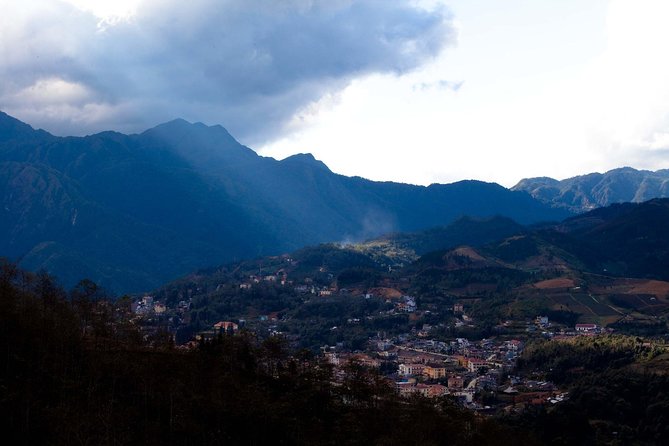
Stop 1 is Hau Thao, but the best part is how the day flows into it. After lunch, you’ll visit Hang Da, then start heading downhill toward the Muong Hoa valley and continue on to Hau Thao village.
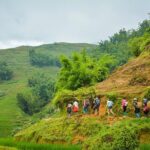
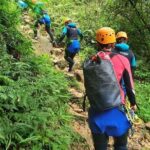
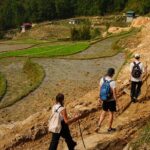
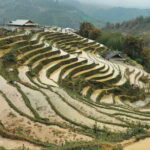
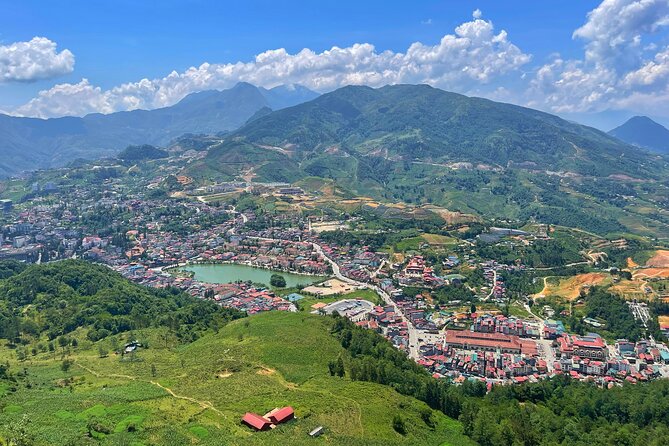
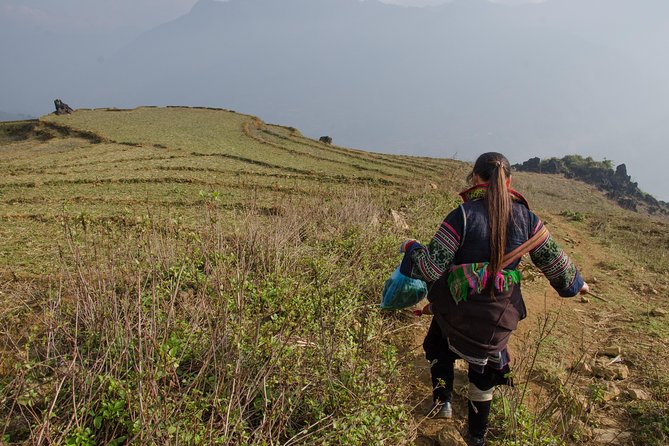
This section is the visual payoff of the tour. The route is designed so you can admire a panoramic view of the Muong Hoa valley—villages, terraced fields, and the patchwork of farming. You’ll also see daily life and traditional houses along the way, especially connected to the Hmong presence in these mountain areas.
Here’s what to pay attention to during the walking:
- Terraced farming patterns: look for how the fields step across slopes. It’s not just pretty; it explains how people adapt to steep terrain.
- House size and materials: you’ll understand why the houses are often small and made of wood. The tour frames this as a response to the steep, higher terrain—practical design, not a random stylistic choice.
- Corn and mixed crops: when you spot the fields besides rice, it helps you read the valley as working farmland, not just a viewpoint.
The stop is listed as about 1 hour, so it’s not a long trek marathon. Still, you’re moving downhill and around village areas, which means good shoes and a steady pace make the difference between relaxing and getting cranky.
Also, this part is listed as having an admission ticket free component for the stop, which ties back to why the tour bundle keeps things simple.
Giang Ta Chai Village: Hmong Life by the Muong Hoa River
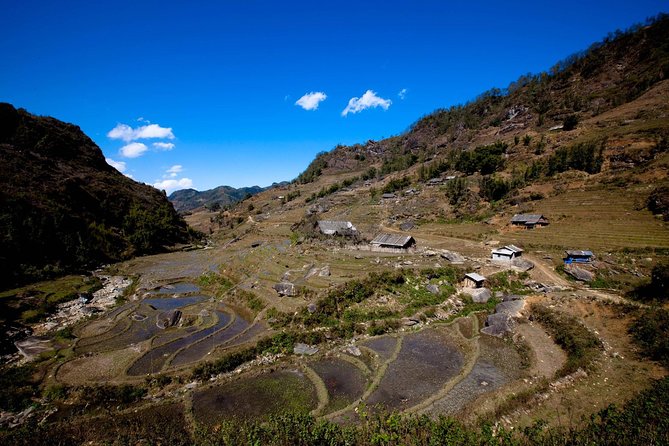
Next is Giang Ta Chai Village, another 1-hour segment. From Hang Da, you go to this smaller Hmong village area on the Muong Hoa river.
This isn’t just a photo stop. The guide includes context as you travel there and while you’re there—covering:
- the topography (how the terrain shapes life)
- culture and traditions you can start to recognize
- and how Sapa tourist resort came to be (the tour includes background on its establishment)
That’s the kind of information that makes village visits feel less like you’re passing through someone’s home with no context. Even if you only catch a few key points, it changes the way you look at what you see—especially where farming, houses, and movement patterns connect.
Because Giang Ta Chai is described as a small village, it also tends to feel more personal. You’re not rushing past dozens of storefronts. Instead, you’re in a quieter pocket where listening matters.
After this stop, you return to Sapa by car. That means you get the walking and viewpoints without having to spend your whole afternoon hiking back uphill.
Why the Guide Matters Here: The Gio Factor
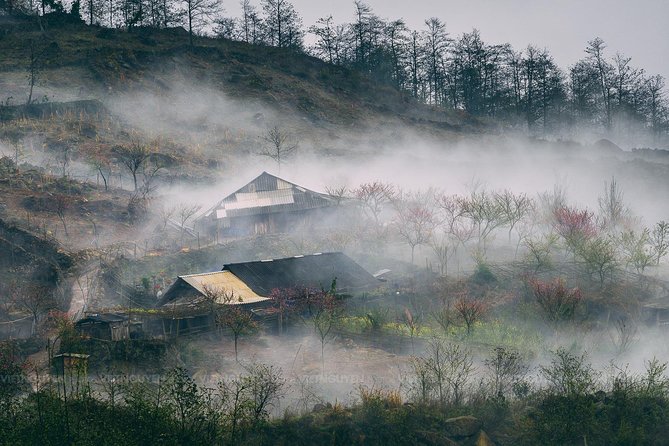
This is one of those tours where the guide can make it feel effortless—or make it feel like just another walking route.
In the experiences shared, Gio stands out for being nice and helpful, with good English and the attitude to handle breaks without rushing you. One helpful detail: he’s described as patient when people need multiple pauses and as someone you can actually talk with.
That’s important for a village trek in a place like Sapa. You’ll see houses, fields, and the rhythms of daily life. The guide’s job is to help you interpret the scene, not just point at things. When the English is clear and the pacing is calm, you feel like you’re learning while you walk.
So if you’re going on a day when you’re tired—maybe from earlier sightseeing—look for that guide-led rhythm. It’s part of the “why this works” equation.
Pace, Terrain, and Weather: What You Should Know Before You Go
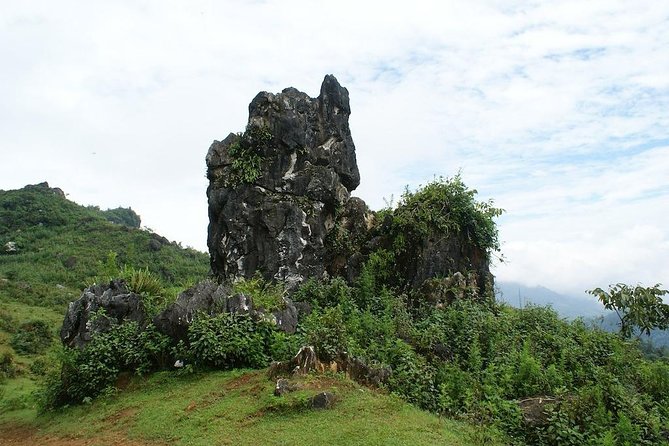
This tour is aimed at people with moderate physical fitness. That’s your clue for how to set expectations: you’re not doing a technical hike, but you should be ready for uneven ground, downhill sections, and short transfers between viewpoints and villages.
Also, the tour depends on good weather. That makes sense for Sapa, where clouds and rain can erase the very views you came for. If weather turns bad enough for safety or visibility, you’ll be offered a different date or a full refund.
My practical advice: treat this like an outdoor plan. If you’re flexible on timing, keep your expectations aligned with conditions. Your best day is always the clearer one—because the Muong Hoa valley panoramas are the main reason you’d pick this trek.
Logistics That Affect Comfort: Pickup, Timing, and Group Size
This activity runs for about 6 hours total, starting 9:00 am. It has a maximum group size of 15 travelers, which is a sweet spot for a village walk: you’ll still feel part of a group, but you won’t be fighting for attention.
You’ll also get transportation back to Sapa after the second village stop. That’s a real comfort factor. Long return hikes can turn an otherwise enjoyable trip into sore legs and missed food.
Finally, a small detail that helps: confirmation is handled at booking time, and you’ll have a mobile ticket. When you’re moving around a town in the morning, fewer paperwork steps means fewer stress points.
What’s Included vs Not: Avoiding Surprise Costs
Included is straightforward:
- Village entry fees
- Lunch
- Local guide
- 1 small bottle of water
- Transport back to Sapa
Not included is also clear:
- personal travel insurance
- extra drinks at restaurants
- tips for the guide and driver
If you’re trying to keep the day budget-friendly, plan on using the included water and keeping restaurant spending for after the trek. If you’re the kind of traveler who always buys a cold drink after a hike, bring cash or plan a budget so it doesn’t feel like an add-on headache.
Who This Trek Fits Best
This tour is a strong match if you want:
- big valley views without a heavy hike plan
- a guided walk through Hmong villages with context
- a manageable day from start to finish—about 6 hours—with lunch included
- a small group setting that allows questions
You might want a different option if you’re looking for a long multi-day trek, or if you want a route that never includes uneven downhill walking. This one is built to be scenic and social, not extreme.
Should You Book the Sapa Mountain View and Villages Trek?
I’d book it if your priority is the classic Sapa combo: Muong Hoa valley panoramas plus village time with a guide who can explain what you’re seeing. At $35 with lunch, village fees, guide, and return transport included, the value is hard to beat for a 6-hour day.
Book it especially if you like a calm pace and you appreciate guides who handle breaks without making you feel behind. And if weather is clear, the viewpoints are the kind of payoff that makes the whole morning feel worth it.
If you’re unsure, the only deciding factor I’d use is your fitness and your willingness to adjust to weather. When conditions are good and you’re comfortable with moderate walking, this trek delivers exactly what you’re hoping for: a real sense of place, not just a quick drive-by.
FAQ
What time does the tour start, and where do I meet?
The tour starts at 9:00 am and the meeting point is Sapa Church (P. Hàm Rồng, TT. Sa Pa, Sa Pa, Lào Cai 333100, Vietnam). The tour ends back at the meeting point.
How long is the trek?
It’s listed as about 6 hours total.
Is pickup available?
Pickup is offered, and the tour also includes transportation back to Sapa.
What’s included in the price?
The price includes village entry fees, 1 small bottle of water, a local guide, lunch, and transportation back to Sapa.
What isn’t included?
Not included are personal travel insurance, extra drinks (like bottled water or beer) at restaurants, and tips for the guide and driver.
Do I need to be very fit?
The tour is for people with moderate physical fitness. It involves walking through village areas and a downhill section.
What happens if the weather is bad?
The experience requires good weather. If it’s canceled due to poor weather, you’ll be offered a different date or a full refund.