
REVIEW · WORKSHOPS
Traditional Silversmith Workshop in Hanoi
Book on GetYourGuide →Operated by Beyond Backstreet Tours · Bookable on GetYourGuide
Thin silver threads make a great story. In Hanoi’s Dinh Cong village, you see how a 1000+ year craft turns ingots into a hand-shaped ring or pendant. I love the handmade thin-silver process, because it feels more refined than the usual engraving-style jewelry demos, and the steps are genuinely hands-on. One possible drawback: if you want a full, step-by-step lesson on drawing, measurements, and design planning, the workshop may feel a bit more guided than instructional.
The setup also works well for first-timers. I really like the small group format (limited to 6) and the English-speaking guidance, so you can ask questions and get help while you’re working at your bench.
In This Review
- Key takeaways before you go
- Dinh Cong and Hanoi’s 1000-year thin-silver tradition
- Finding the workshop: To Lich River and an alley next to a temple
- What you’ll make: ring, pendant, earrings, or bracelet options
- From ingots to fine thread: how thin silver work is formed
- How the workshop feels in practice: English guidance and small-group attention
- Price and value: what $54 covers (and what costs extra)
- Expectations vs reality: your finished piece and the lesson depth
- Practical tips for a smoother silversmith session
- Should you book? Who this workshop is perfect for
- FAQ
- FAQ
- How long is the Traditional Silversmith Workshop in Hanoi?
- Where does the workshop take place?
- What time does the workshop start?
- What does the $54 price include?
- What can I make during the workshop?
- Is extra silver or customization available?
- Is food or drink included?
- What is the group size?
- Do they provide English support?
- What are the cancellation and payment options?
Key takeaways before you go
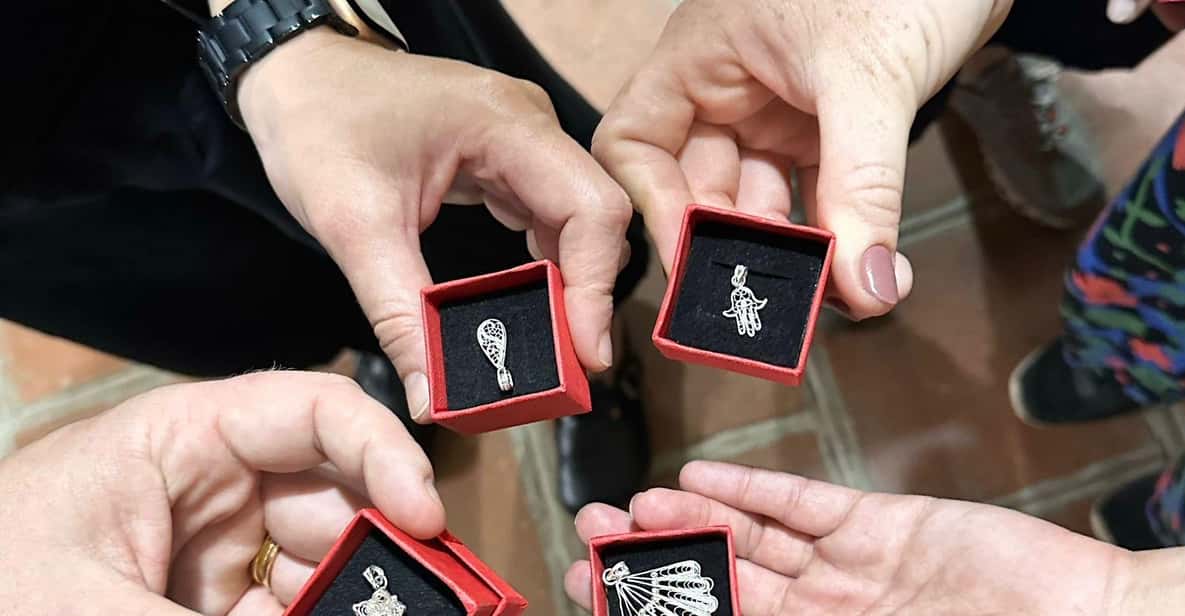
- You work with thin silver, made entirely by hand in Dinh Cong, not just stamped decoration
- You’ll create one finished piece (ring/pendant/earrings, with sample options that may include bracelet)
- A guide helps you choose and shape your design from existing samples
- Materials are included for a simple item, but bigger or more complex requests cost extra
- English support and a max of 6 participants keep the class personal enough to be useful
Dinh Cong and Hanoi’s 1000-year thin-silver tradition
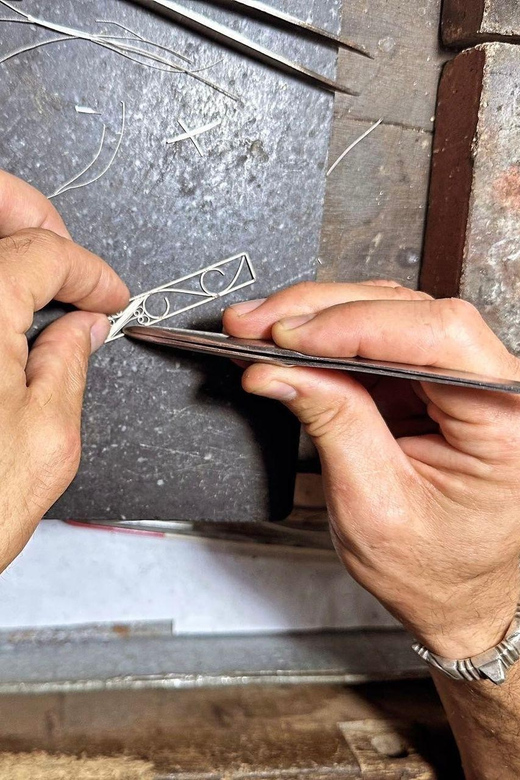
This workshop is based in Dinh Cong village, on the To Lich River bank in Hanoi’s Hoang Mai district. It’s about 10km from Hoan Kiem Lake, and that distance matters in a good way: you’re not just visiting a shop display. You’re getting closer to the place where the craft has lived for generations.
Dinh Cong is known for one specific speciality: thin silver work. Other places may offer silver engraving, but here the real focus is different. The process is built around making very fine silver thread—then shaping and arranging it into your final design. The description calls out that Dinh Cong is one of the few places where this thin silver technique still exists, and that’s the reason this experience feels distinct.
You’re also hearing context while you’re there: the village has seen major changes over centuries, yet silversmithing is one of the ancient trades that still continues. For me, that’s one of the most practical parts of the experience. You’re learning what you’re making and where it comes from, so your finished ring or pendant feels earned, not random.
You can also read our reviews of more tours and experiences in Hanoi



Finding the workshop: To Lich River and an alley next to a temple
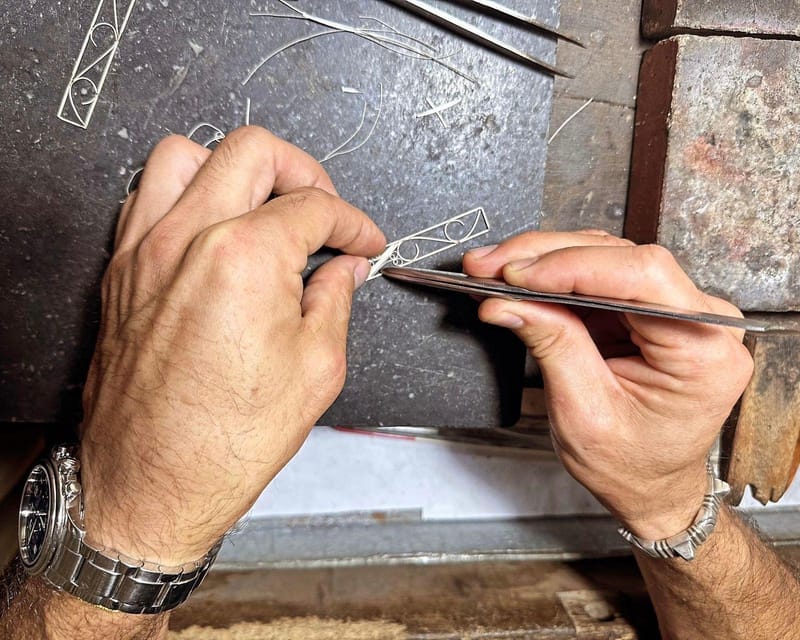
Meeting point is specific: you start at the entrance of an alley, next to a temple. The instructor/guide meets you there, and the workshop ends back at the same meeting spot.
Because the meeting point is tucked into an alley, I’d treat this as a “show up a little early” kind of plan. The area isn’t described as being right in the Old Quarter, and one reason you’ll want to arrive on time is simple: you’ll have less time to settle in, choose a design, and start making your piece.
Also, bring basic patience about pace. You’ve got a 3-hour session, and a small-group class means the guide needs to keep everyone moving from history and demo into hands-on work. If you’re the type who likes slow, careful exploration of every stage, you might feel the schedule more than you expect—but in return, you do leave with something finished.
What you’ll make: ring, pendant, earrings, or bracelet options
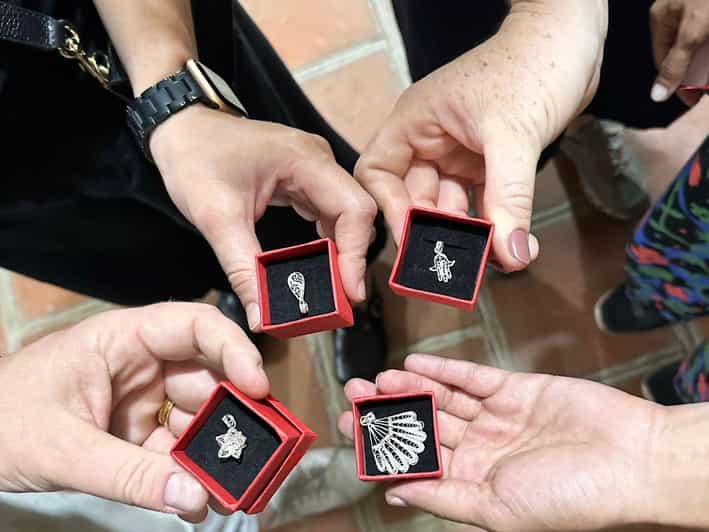
You choose from samples before you start, and the workshop is set up so you can leave with one completed item. The materials included cover one simple piece such as a ring or pendant (and the offering mentions earrings too as a category of what you can make).
The clearest choice points are:
- ring or pendant as the standard included items
- sample options that may also include earrings or a bracelet
Here’s the practical part: because your included materials are designed for a simple ring, your design choice affects whether you stay within the base price. If you choose a more complex or larger style, you’ll likely need extra silver and possibly a small customization fee.
My advice: if you’re visiting for your first Hanoi craft, pick something you can picture wearing right away. It’s the fastest way to make sure you’re happy with the final result in the time you have.
From ingots to fine thread: how thin silver work is formed
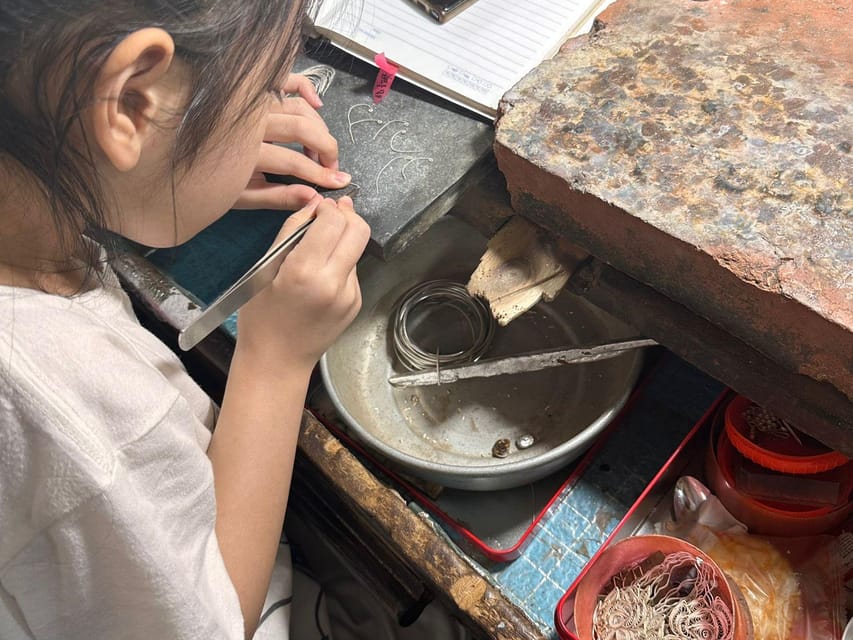
This is where the workshop earns its reputation. You don’t just watch someone else make a “pretty” thing. You learn the core steps of thin silver craft.
The process described is delightfully specific:
- craftsmen start from silver ingots
- they pull the metal into tiny silver threads
- they bend the thread into various shapes
- they add details onto a frame
- the arrangement becomes the finished piece
Even if you’re not doing every single manufacturing step from start to finish during your 3 hours, you still get the key idea: thin silver isn’t created by a single tool or one magic move. It’s a chain of delicate actions where patience is the skill.
If you like crafts where the technique is the point, this will land with you. You can also ask questions during the session, including about the village and the process. That Q-and-A time is often where the workshop becomes more than just a souvenir. You’ll leave understanding why thin silver behaves differently and why Dinh Cong is known for it.
How the workshop feels in practice: English guidance and small-group attention
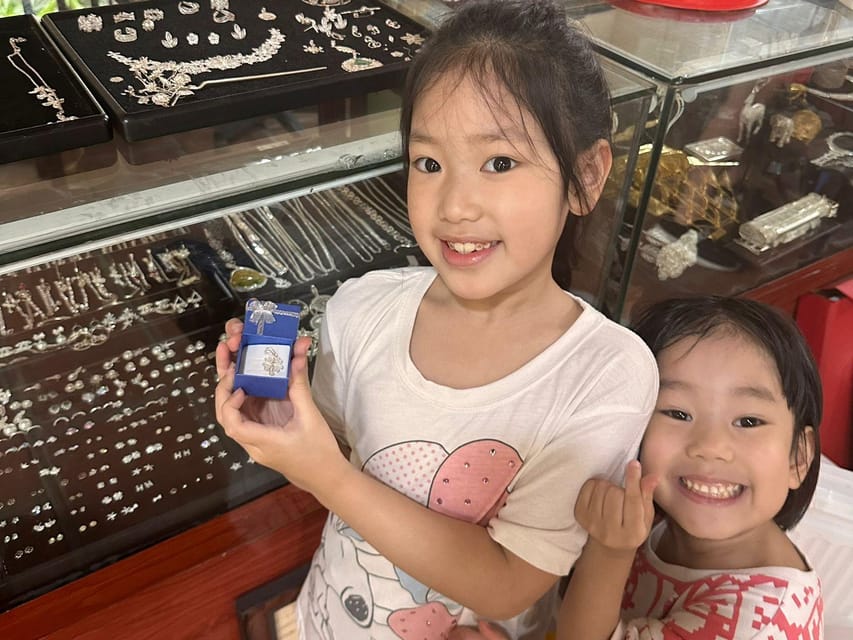
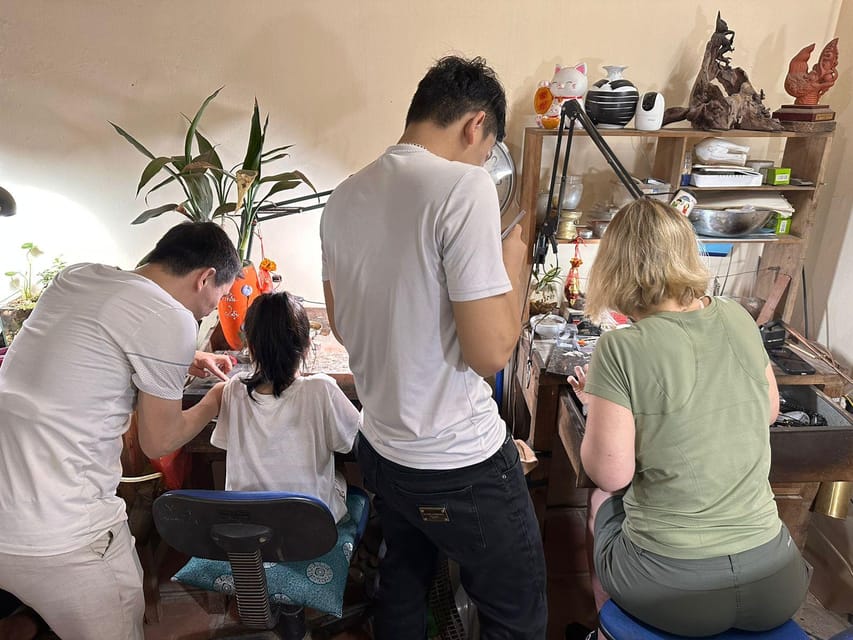
Expect instruction in English, plus hands-on guidance as you work. The workshop includes guidance to one finished product, and the guide is there to help you get from your chosen design to an end result.
In a positive version of the experience, the lesson works like this:
- teachers explain the process clearly
- instructions are direct
- you can ask for help when you need it
- the small class size keeps attention on you, not a big crowd
In a less ideal version (and this is where you should manage expectations), you might find that some parts of the technical thinking are handled for you. One account describes the design steps like drawing and measurements being done for the participant, with follow-along making rather than full teaching.
So here’s the balanced takeaway. You’ll almost certainly learn enough to make your own ring/pendant/earrings. But if your goal is deep, classroom-style instruction in how to design and calculate sizes, you might not get that level of teaching within the 3-hour format.
The good news is that the activity is still hands-on. Even in the guided style, you’re working with silver thread, arranging shapes, and seeing how the craft is actually built.






Price and value: what $54 covers (and what costs extra)
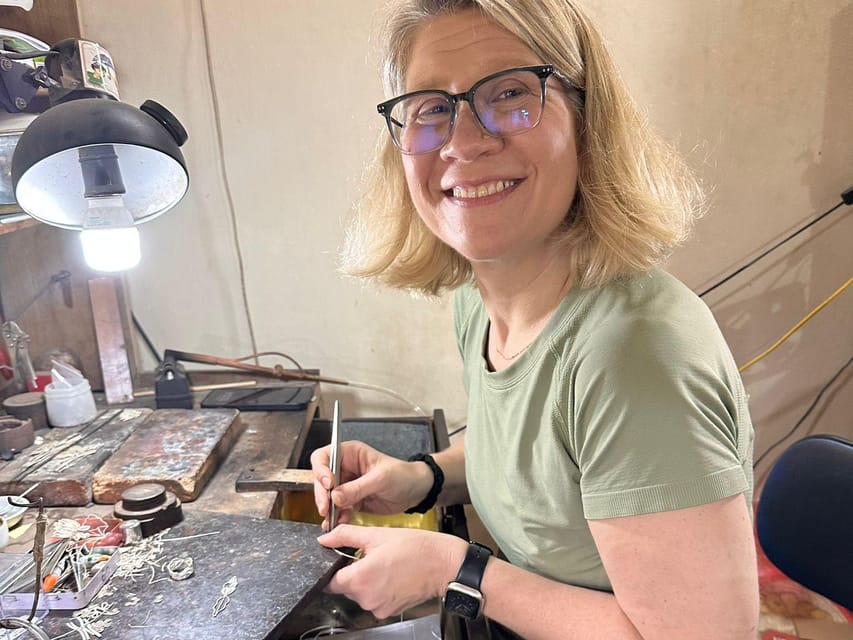
The price is $54 per person for a 3-hour workshop. That sounds simple, but it’s worth breaking down what you actually get, because this is one of those activities where value depends on design expectations.
Included:
- materials for one ring/pendant/earrings
- an English-speaking guide
- guidance to one finished product
What’s also clearly stated:
- the price includes a certain amount of silver for a simple ring
- if you want bigger pieces or extra silver, there’s an extra fee to discuss at the workshop
- for complicated customized designs, there’s an extra fee mentioned as $5–$10
What does that mean for your decision? It means you’re paying for a finished craft outcome plus the materials and support to reach it. You’re not paying just to observe a demonstration.
My suggestion: keep your first design simple unless you’re ready to add extra costs. A straightforward ring or pendant stays closest to what the included silver amount is meant for, and you avoid the stress of trying to upgrade mid-session.
Expectations vs reality: your finished piece and the lesson depth
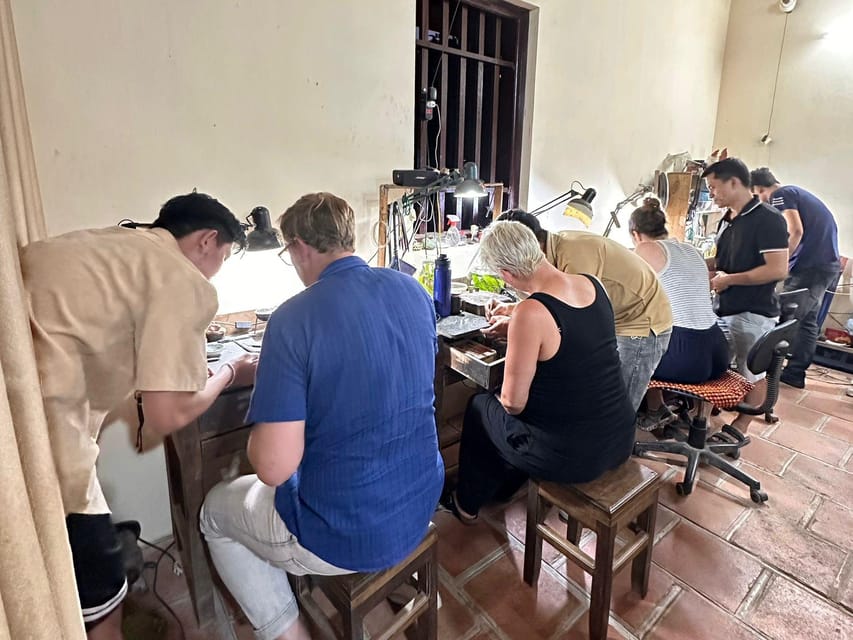
This workshop is best understood as a guided making experience rather than an open-ended studio session. That’s not bad—it just helps you plan your mindset.
Here’s what you can reasonably expect:
- you’ll learn the thin silver steps and how they connect to your design
- you’ll pick an option from sample designs (ring/pendant, with other options possible)
- you’ll get help to reach a finished product by the end of the 3 hours
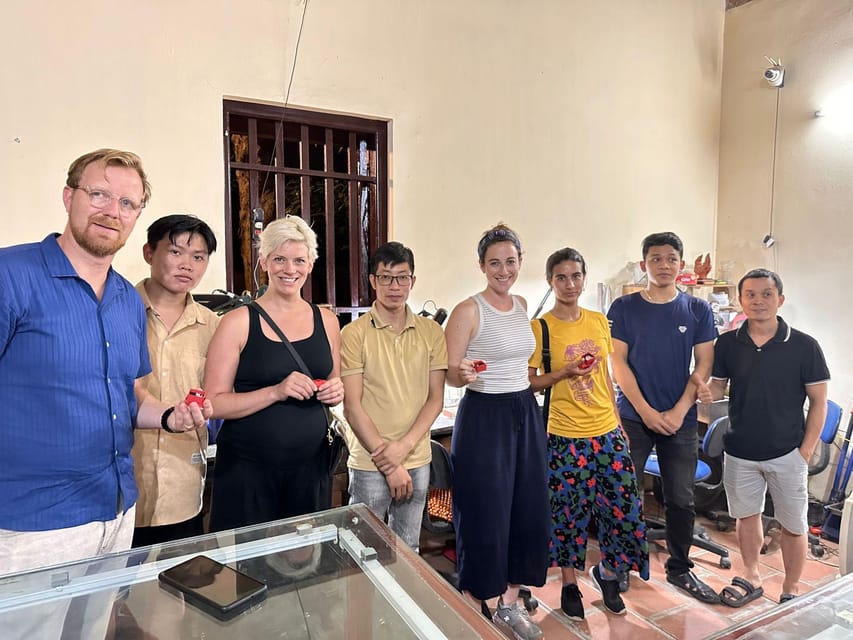
- you’ll interact with the local host and the artists in the workshop space
Here’s the part to consider before you book:
- teaching depth may vary depending on how the guide manages time and attention
- the workshop can feel like follow-along if your design thinking is handled for you
- because you’re finishing one item, you may not get every technical detail you’d get in a longer class
Also, one small detail mentioned in an account that felt incomplete: there was no box provided for the finished piece. The workshop still focuses on making the jewelry itself, but if you’re buying this as a gift, you may want to plan a separate way to carry it home nicely.
Practical tips for a smoother silversmith session
A few practical things will make this go better.
First, plan transportation. The workshop is about 10km from Hoan Kiem Lake, and the meeting point is an alley entrance next to a temple. You’ll save time by allowing extra minutes to find the exact spot and get to the right entrance.
Second, think about what you’ll wear after the workshop. You’re making a ring or pendant style item, and you’ll want to handle it carefully at the end. Since the workshop listing doesn’t promise a gift box, bring a small bag or case in your day pack so your piece travels safely.
Third, choose a design that matches the time. Since materials are included for a simple ring and larger/custom pieces may bring extra fees, it’s smart to look at the samples with one question in mind: can I finish this comfortably within 3 hours?
Finally, bring curiosity. One of the best parts of experiences like this is asking questions about how the craft fits into daily life in Hanoi. The workshop is designed to give you history and process context while you work.
Should you book? Who this workshop is perfect for
I’d book this workshop if you:
- want a real hands-on craft experience in Hanoi, not a quick photo stop
- enjoy learning a specific technique like thin silver thread work
- like small groups where you can ask questions while you’re making something
- want a wearable souvenir you actually helped create
I’d think twice if you:
- want a deep, technical design class that teaches drawing, measuring, and planning from scratch
- prefer a super unhurried pace where every step is fully explained for you to replicate later
- need extras like gift packaging included as part of the experience
If you’re flexible on design complexity and you’re happy to focus on making one finished piece, this is a strong value at $54 for 3 hours—because you leave with something real, made from a distinctive local craft.
FAQ
FAQ
How long is the Traditional Silversmith Workshop in Hanoi?
The experience lasts 3 hours.
Where does the workshop take place?
It’s in Dong Bac, Vietnam, in Hanoi’s Hoang Mai district, on the To Lich River bank, about 10km from Hoan Kiem Lake.
What time does the workshop start?
Starting times vary, so you’ll need to check availability to see the specific start time for the day you choose.
What does the $54 price include?
The price includes materials for one silver ring/pendant/earrings, an English-speaking guide, and guidance to one finished product.
What can I make during the workshop?
You can choose from sample designs to make a ring or pendant, and the workshop also mentions earrings. Samples may also include options like a bracelet.
Is extra silver or customization available?
Yes. The price includes a certain amount of silver for a simple ring. If you want to add extra silver for a bigger item, there’s an extra fee you can discuss at the workshop. Complicated customized designs have an extra fee mentioned as $5–$10.
Is food or drink included?
No. Food and drink are not included.
What is the group size?
It’s a small group with a limit of 6 participants.
Do they provide English support?
Yes, the instructor/guide offers English.
What are the cancellation and payment options?
You can cancel up to 24 hours in advance for a full refund, and you can reserve now & pay later (paying nothing today).