REVIEW · CITY TOURS
Hanoi Vintage Vespa City Tours
Book on GetYourGuide →Operated by Vietnamtravelers · Bookable on GetYourGuide
One of the best ways to read Hanoi is from a vintage Vespa. This half-day ride mixes signature sights with real street texture, including Long Bien Bridge views and the legendary Train Street. I especially like how the route links big landmarks with everyday corners, and how the guide makes history feel practical instead of just memorized. The main downside is simple: it’s still street riding, so if you get motion-sick or hate close, crowded traffic, you may want a quieter day plan.
If you’re traveling with family or friends, this tour is built for comfort on the move. You get hotel pickup, a helmet, and rain ponchos if needed, plus one cold drink and a small tasting along the way. Just note it’s not described for everyone—people over 95 years aren’t suitable—so it’s worth checking your group’s comfort level before booking.
In This Review
- Key highlights that make this ride worth your time
- Why Hanoi on a Vintage Vespa Works (and What You’ll Actually Get)
- Hotel Pickup and the First Big Reward: Long Bien Bridge
- Thanh Nien Road and Westlake: Old Hanoi Meets the New
- The Market Stop and Ngoc Ha Flower Village B-52 Lake
- Major Landmarks You Pass On the Route (So You Don’t Miss the Classics)
- The Reunification Train Track: Watching Life So Close to the Rails
- Lunch and Egg Coffee: The Food Finish That Makes It Feel Like a Full Day
- Price and Time: Is $68 Good Value for This Scooter City Plan?
- Who Should Book Hanoi Vintage Vespa City Tours (and Who Might Skip)
- Should You Book It?
- FAQ
- FAQ
- How long is the Hanoi Vintage Vespa City Half Day tour?
- Where is pickup, and where do I get dropped off?
- Does the tour include hotel pickup and drop-off?
- What transportation is included?
- Is there an English-speaking guide?
- What stops and sights are included?
- Is lunch included?
- Is egg coffee included?
- What should I bring, and what’s not allowed?
Key highlights that make this ride worth your time
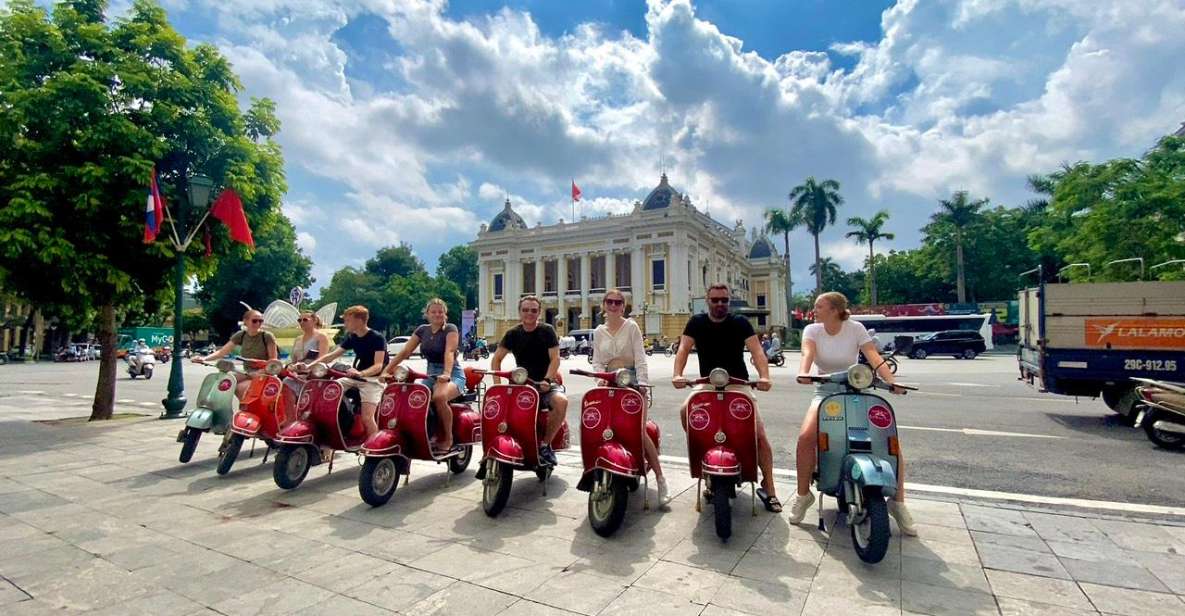
- Long Bien Bridge and Red River Island farmland views in one smooth start
- Westlake stop on Thanh Nien Road for a classic old-meets-new contrast
- Ngoc Ha Flower Village & Huu Tiep Lake, tied to the B-52 aircraft history
- Train Street (Reunification train track) with homes positioned extremely close to the rails
- City landmarks by passing route like Thang Long Citadel area, Ho Chi Minh Mausoleum, and Ba Dinh Square
- Lunch plus egg coffee at the end, turning the day into a full food-and-sights loop
Why Hanoi on a Vintage Vespa Works (and What You’ll Actually Get)
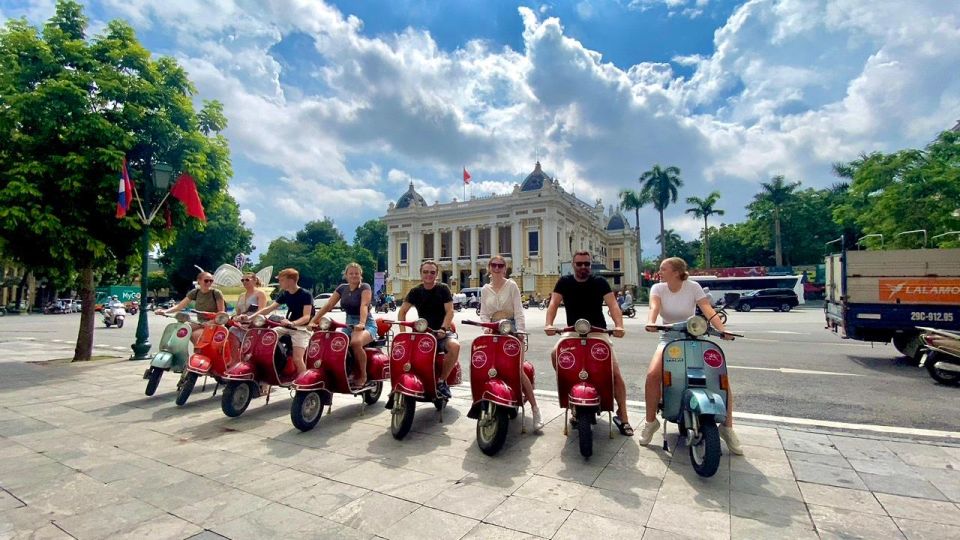
There’s a specific kind of sightseeing you can only do in motion. Hanoi’s traffic moves like a living system—slow where it needs to be, fast where it can be—and a Vespa lets you keep up without feeling like you’re stuck behind a tour bus window. You’re close enough to see how people carry groceries, how vendors set up, and how streets change their mood block by block.
I also like the pacing: this isn’t a long, exhausting day crammed with checkboxes. It’s framed as a 4–6 hour city tour, so you get time to cover major zones and still end with food and a relaxed finish. The second thing I like is the way the tour mixes “headline” stops with quieter local scenes—especially the market and the lake area—which helps you understand the city beyond its postcard names.
One more practical note: the tour is designed for riding. You’ll be wearing a helmet, and you’ll likely spend plenty of time seated on the scooter. It’s fine for most people, but if you have mobility or balance issues, consider that before you commit.
You can also read our reviews of more city tours in Hanoi


Hotel Pickup and the First Big Reward: Long Bien Bridge
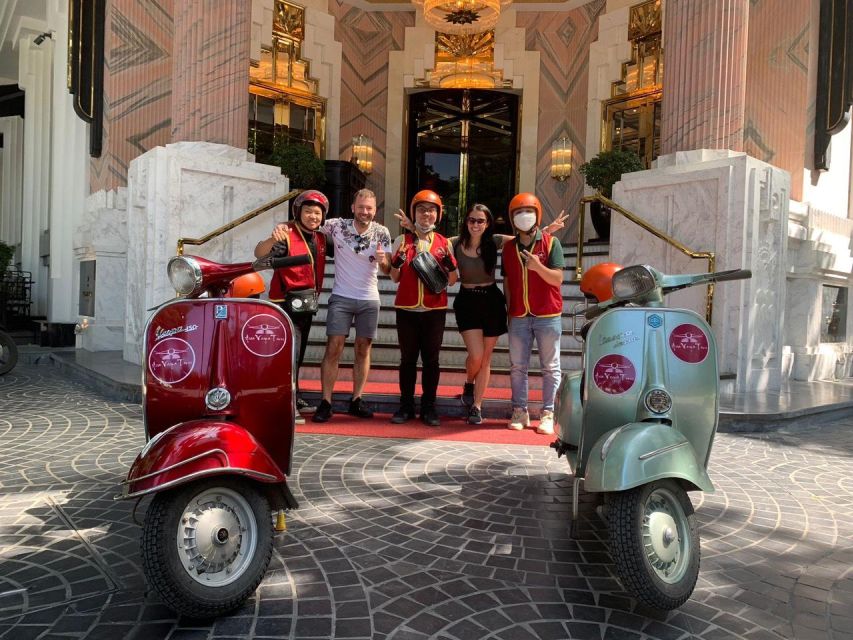
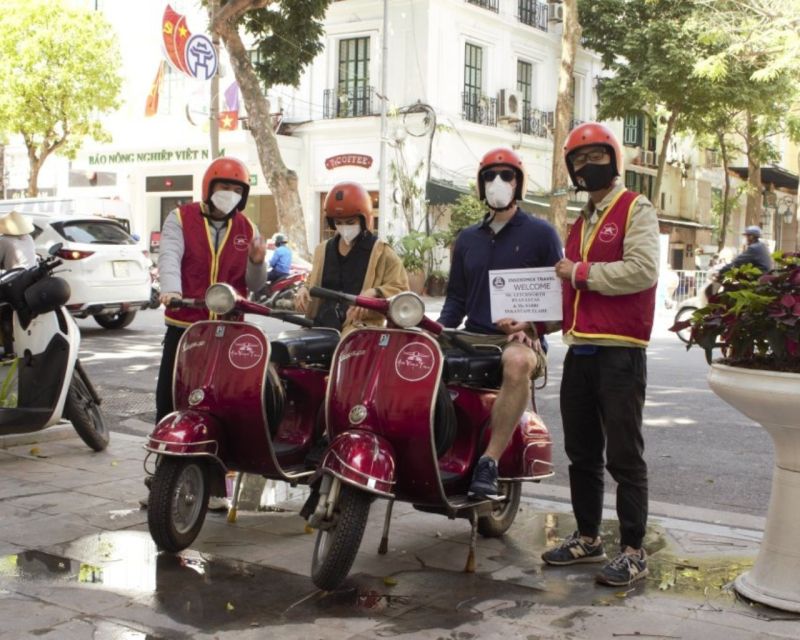
The day starts with pickup from your hotel lobby. You’ll get a short safety introduction, then you’re off on a vintage Vespa adventure. If you’re staying in or near the Old Quarter, it’s straightforward: there are pickup and drop-off options centered there.
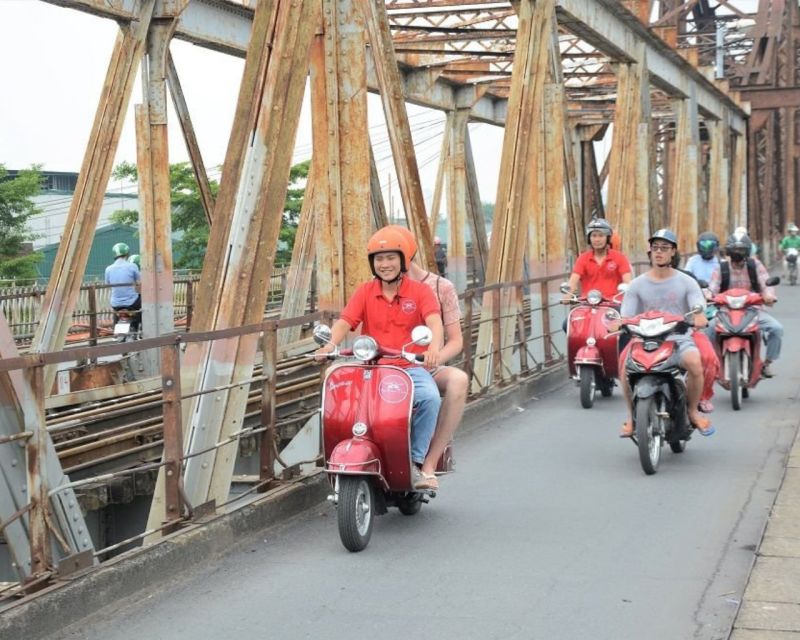
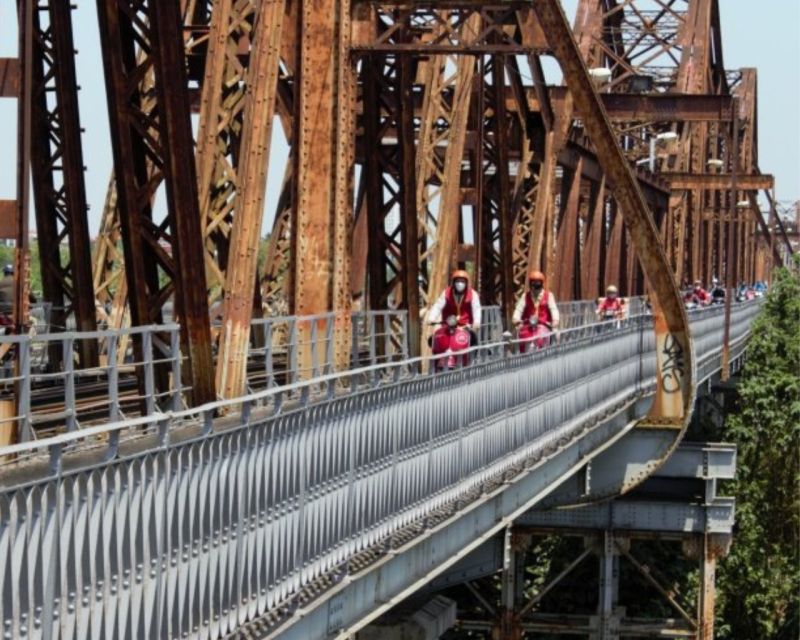
The first stage is all about getting your bearings fast. You ride to Long Bien Bridge, a major Hanoi symbol built in 1902 by the Eiffel Construction company. From here you get panoramic views over the Red River, which is a great early stop because it sets the geography for everything you’ll see next. When you understand where the river sits, later stops make more sense.
After the bridge, you shift into something calmer. The route continues toward Red River Island areas with banana and corn farms. Even within city limits, this part of Hanoi can feel like a breather—less noise, more open sightlines. It’s a nice contrast to the dense streets you’ll hit later.
What to watch for: bridge viewpoints can mean extra time standing near railings and crowds. If you’re bringing a camera, keep it ready early in the ride—lighting can be best right when you first arrive.
Thanh Nien Road and Westlake: Old Hanoi Meets the New
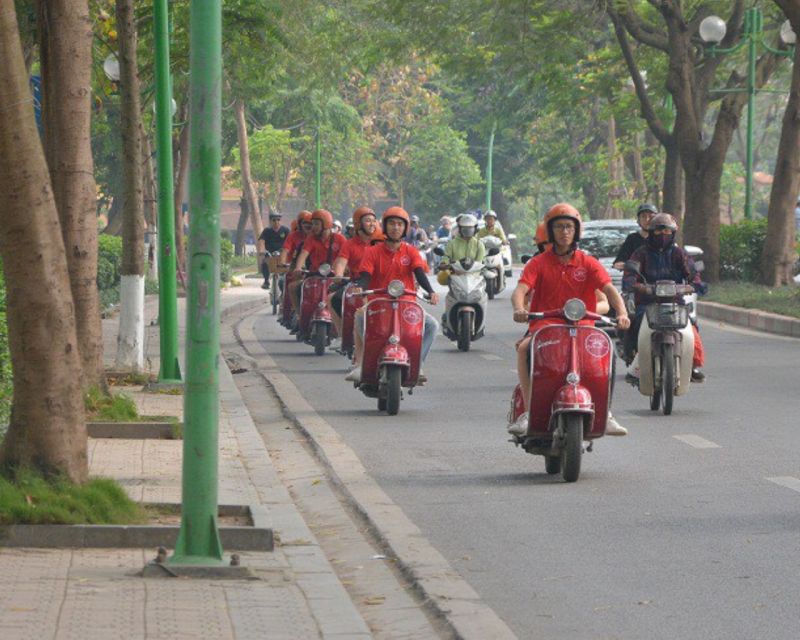
Next comes Westlake, one of Hanoi’s most famous city lakes. You’ll ride along the banks and stop on Thanh Nien Road to take in the views. This is the kind of stop that’s easy to overlook if you only skim the “must-sees,” but it matters.
Why? Because Westlake shows you how Hanoi changes without fully leaving its roots. From certain angles you’ll see old styles of life alongside modern buildings and broader streets. It’s not just scenery—it’s context. It helps you understand why the city feels layered rather than frozen in time.
This portion also breaks up the sensory intensity. After the bridge and farm scenery, the lake-side pause gives you a moment to reset your eyes and ears, and it makes the next stages—market smells, street chatter, and history stops—feel easier to absorb.
A small timing reality: this is still a moving tour, so expect quick photo moments rather than long, slow wandering. If you’re the type who loves lingering, bring patience and choose your camera angles carefully.
The Market Stop and Ngoc Ha Flower Village B-52 Lake
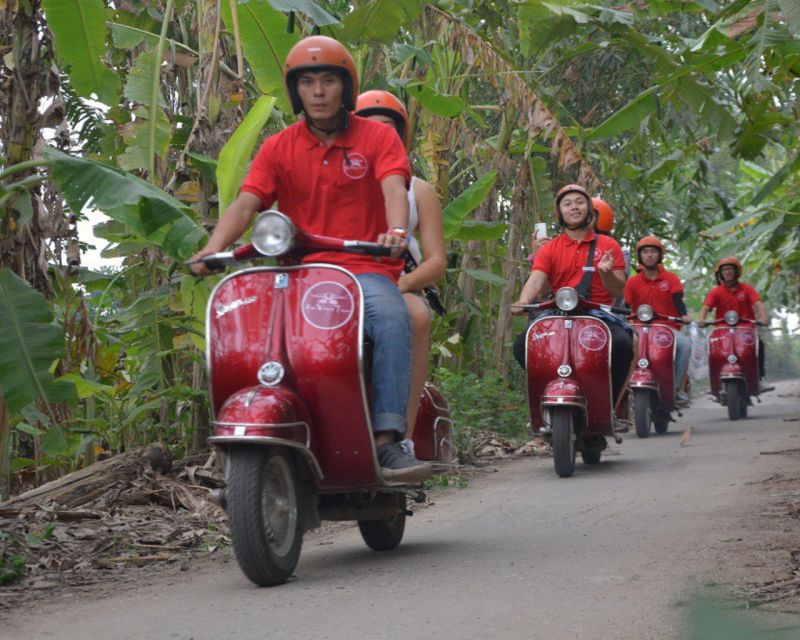
Now the tour leans into everyday Hanoi.
You’ll spend time at a local market, and this is one of the places where your guide’s role really counts. Even if you can’t read every sign, you can “read” the scene: how people choose produce, how items are stacked, how vendors call out, and how quickly people shift from shopping to conversation. It’s the difference between seeing Hanoi and getting a feel for how Hanoi works.
Then you head to Ngoc Ha Flower Village and Huu Tiep Lake, connected to the downed American B-52 aircraft from the Christmas bombing in 1972. This stop adds weight to the day. It’s not presented as a scary history lesson—it’s more like a living memory point in the city.
Why it matters for you: Hanoi’s history isn’t tucked behind museum glass only. It’s part of the city’s physical map. When you see a site tied to 1972, you start to understand why certain landmarks and memorial spaces feel personal to locals.
Practical tip: bring your camera (it’s listed as something to have), but also be ready for a mix of open and indoor-adjacent areas. Wear comfortable shoes, and keep an eye on road conditions when you dismount for photos.
Major Landmarks You Pass On the Route (So You Don’t Miss the Classics)

After the lake stop, you’ll ride past a long list of headline Hanoi sights. Even though you’re not doing a slow walking tour of every site, it’s still valuable because it shows you the city’s layout in motion.
Along the way, the route takes you past:
- Hanoi Flag Tower (nearly 200 years old)
- Hanoi Opera House
- The Thang Long Citadel area (around a thousand years old)
- Ho Chi Minh Mausoleum
- Presidential Palace and Ba Dinh Square
- Tran Quoc Temple
- Truc Bach Lake
Seeing these by scooter might sound like a drive-by, but it’s often the opposite of that. Because you’re moving through the real city fabric, you learn how these sites sit among neighborhoods and everyday roads. You also get the guide’s context, which helps you connect what you’ve heard from guidebooks to what you’re literally looking at.
A realistic expectation: this is a half-day format, so you won’t have museum-level time at each landmark. If you want deep time at any one place, you can treat today as your map and then come back on your own.
You can also read our reviews of more tours and experiences in Hanoi





The Reunification Train Track: Watching Life So Close to the Rails

One of the most talked-about moments is the ride to the century-old Reunification train track—the one that runs through the heart of Hanoi. The standout detail here is how close daily life sits next to the rails. Local residents live only centimeters away, creating a scene that feels both ordinary and surprising at the same time.
This is where a guide makes or breaks the experience. You need someone who can explain what you’re seeing without turning it into a spectacle. You also need drivers who can handle tight streets with confidence, because you’ll likely stop at a viewpoint and then continue through narrow areas.
What you’ll like: it’s a visual “wait, how is this real?” moment that you can’t recreate from a photo alone. It also gives your camera something more interesting than a statue.
What to consider: this stop can feel intense if crowds gather or if you’re uncomfortable with close quarters near active infrastructure. If you’re sensitive to that, keep your time focused on photos and move when your guide signals.
Lunch and Egg Coffee: The Food Finish That Makes It Feel Like a Full Day
At the end of the ride, you get lunch at a local restaurant. The tour also includes an egg coffee later in the day. If you love using food as a shortcut to understanding a place, this is a good setup. You’re not only eating at a random stop—you’re ending the tour with something Hanoi-specific.
You also get 1 tasting and 1 cold drink included, which helps you get through the mid-tour without feeling hungry or thirsty. That small built-in buffer matters more than people think, especially on street-heavy days where you’re constantly on and off the scooter.
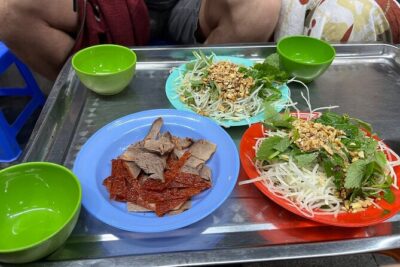
In real Hanoi style, lunch options can lean into familiar favorites. You may find classic Vietnamese dishes on the table, and your guide typically explains what you’re eating so it’s not just “try this because it’s here.”
Practical tip: egg coffee is often best treated as a dessert drink, not a casual sip. If you’re already full from lunch, split it with your group or pace it slowly.
Price and Time: Is $68 Good Value for This Scooter City Plan?
Let’s talk money like an adult.
At $68 per person for 4–6 hours, you’re paying for more than transportation. Your price includes:
- hotel pickup and drop-off (if you choose that option)
- an English-speaking guide
- scooter transport
- helmet and rain poncho if needed
- 1 cold drink plus 1 tasting
- lunch and egg coffee later on
So what’s the value? You’re bundling guide time, scooter access, and food into one organized route that strings together both big landmarks and local stops. If you tried to do this yourself, you’d spend time figuring out scooter logistics, finding the right route for Train Street, and building a day that balances history with practical street experiences.
The only “cost” isn’t on the bill—it’s in the format. This tour is not designed for long, slow museum wandering. It’s a ride-first experience. If you want lots of walking time and deep site entry, you may feel slightly rushed.
Also note that tips for the guide aren’t included, so plan for that.
Who Should Book Hanoi Vintage Vespa City Tours (and Who Might Skip)
This tour fits you best if you want:
- a short Hanoi plan that still covers major sights and local texture
- a guided route that helps you understand what you’re seeing
- a fun, active way to move through the Old Quarter streets without doing all the planning
You’ll probably enjoy it even more if you like street-level culture: markets, small stops, and everyday scenes you can’t easily find on your own.
It may not be the best match if:
- you’re uncomfortable with scooter travel or motion
- you’re expecting long stops inside major attractions
- your group has someone over 95 years, since it’s listed as not suitable
Should You Book It?
Yes, I think you should book this if you want a half-day “Hanoi reality check” that combines Long Bien Bridge, Westlake on Thanh Nien Road, Huu Tiep Lake in Ngoc Ha Flower Village, and the Reunification Train Street, then wraps with lunch and egg coffee. The included helmet and poncho, plus hotel pickup, also reduce the daily hassle.
If your main goal is museum-style depth, consider pairing this with another day for slower walking. But for most visitors, this is a smart way to get your bearings and start understanding Hanoi as a lived-in city, not just a list of sights.
FAQ
FAQ
How long is the Hanoi Vintage Vespa City Half Day tour?
The tour runs about 4 to 6 hours. Exact start times depend on availability.
Where is pickup, and where do I get dropped off?
You can select pickup from the Old Quarter area, and drop-off is also listed as Old Quarter.
Does the tour include hotel pickup and drop-off?
Pickup is included if you select that option, and the driver will pick you up from your hotel lobby. Drop-off is also included if option is selected.
What transportation is included?
You’ll ride in a scooter (vintage Vespa city tour format). Helmets are provided.
Is there an English-speaking guide?
Yes. The tour includes an English-speaking guide.
What stops and sights are included?
You’ll visit and/or ride past several key places, including Long Bien Bridge, Westlake (Thanh Nien Road), a local market, Huu Tiep Lake in Ngoc Ha Flower Village, major central landmarks like Ho Chi Minh Mausoleum and Ba Dinh Square, and the Reunification train track.
Is lunch included?
Yes. You’ll have lunch at a local restaurant.
Is egg coffee included?
Yes. You’ll enjoy egg coffee as part of the experience.
What should I bring, and what’s not allowed?
Bring a camera. Alcohol and drugs are not allowed.
You Might Also Enjoy


More City Tours in Hanoi



More Tours in Hanoi
- Ninh Binh Full-Day Tour from Hanoi to Hoa Lu, Tam Coc & Mua Cave Via Boat & Bike
★ 5.0 · 4,384 reviews