REVIEW · HIKING & TREKKING
Sapa Trekking 2 Days 1 Night From Hanoi With Local Guide
Book on Viator →Operated by Hanoi Green Travel · Bookable on Viator
Rice terraces meet real village life. This 2-day, 1-night Sapa trek is built around big scenery but not complicated planning, thanks to pickup, a comfortable bus transfer, and a tight small group rhythm. I especially like the small group size (up to 15), which makes it easier to move at a human pace and actually ask questions.
I love the way the tour leans on local ethnic guides who know what you’re seeing, not just how to guide you on a trail. Names that stand out from this route include Ku, Cat, and Vu, and their value is practical: they explain daily life, help you navigate, and keep the day feeling personal.
One drawback to keep in mind is the early start and the walking totals. You’re looking at a moderate-to-demanding trek over two days, including a long downhill day with steep-ish paths, so if you hate mornings or aren’t comfortable on trails, you’ll want to reconsider.
Small-group hiking (max 15) keeps the day calmer.
Local ethnic guides like Ku, Cat, and Vu add real context.
Cat Cat Village includes a waterfall stop and a French-built power plant.
Muong Hoa Valley and rice terraces make the second day the main show.
You’ll spend time at Ta Van village with a local family in their cottage.
Pickup from Hanoi Old Quarter and a return to Hanoi by late evening reduces hassle.
In This Review
- A comfortable, early ride that sets the pace: Hanoi to Sapa
- What Cat Cat Village actually delivers: waterfall, power plant, and an easy downhill
- Dinner and Sapa town time: a real evening instead of a rushed night
- Day 2 is the main trek: Muong Hoa Valley, Y Linh Ho, Lao Chai, and Ta Van
- Muong Hoa Valley (the big scenery shift)
- Y Linh Ho and Lao Chai: terrace trails and a long downhill section
- Lunch at a local restaurant: fuel that keeps you moving
- Ta Van village and a local family cottage experience
- The return to Hanoi: fewer hassles, late arrival
- Price and value: why $85 can work for Sapa, and when it won’t
- Who this Sapa trek fits best (and who should pick something else)
- Tips to make the hike feel easier (without changing the itinerary)
- Should you book this Sapa trekking 2 days 1 night with a local guide?
- FAQ
- How long is the Sapa trekking trip?
- What time does pickup happen in Hanoi?
- What’s the maximum group size?
- What meals are included?
- Is accommodation included?
- What’s included in the price?
A comfortable, early ride that sets the pace: Hanoi to Sapa
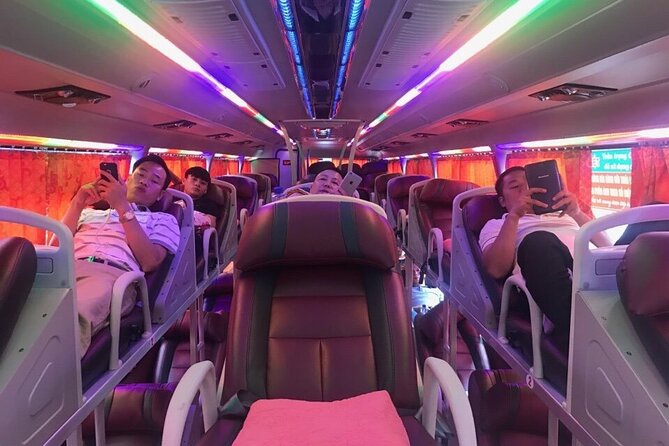
This trip starts in Hanoi at 6:30 am, with pickup in the Old Quarter. The big win here is that you’re not juggling buses, tickets, and meeting points on your own. You’re transferred by sleeper bus for comfort, which matters because the whole schedule is built around getting you into the Sapa area with enough daylight for your first cultural stop.
By the time you arrive in Sapa, the tour doesn’t waste time pretending you have all day. You meet your guide at the bus station, then head into town for hotel time and an included meal. I like this approach because it respects the reality of travel days: you want a clean handoff and a clear next step, not a chaotic afternoon where you’re figuring out what’s next.
You also get air-conditioned vehicle support where it applies (for the short drives), and the group stays small. Even if you’re not a fast hiker, the pacing tends to stay manageable because the itinerary is organized around specific stops rather than “walk until you’re done.”
What Cat Cat Village actually delivers: waterfall, power plant, and an easy downhill
After lunch in Sapa, the tour drives you to the gate of Cat Cat Village, home to Black H’mong people. This is a good first taste of the area because it’s close enough to feel like you’re already in Sapa’s valley world, but structured enough that you’re not dropped into the deep end.
The walk from the gate is about 2.5 km over roughly two hours, going down toward views of a waterfall and the power plant built by the French in 1925. That power-plant detail is one of those “wait, really?” moments. It gives you a tangible link to the colonial-era infrastructure that still shapes what the valley looks like today.
There’s also a performance included—about 40 minutes, shown by boys and girls from the village. It’s not just a quick photo stop. It’s timed like a breather inside the hike, so you get a rhythm: walk, see something specific, then pause to watch village culture in action.
A practical note: Cat Cat is downhill for the main portion, so plan for tired legs on the return. The tour covers the timing and route for you, but your body still does the work—bring water, and don’t pretend your calves are invincible just because it’s only 2.5 km.
You can also read our reviews of more guided tours in Hanoi


Dinner and Sapa town time: a real evening instead of a rushed night
After you’re back in Sapa town, the plan is simple: dinner at the hotel (included) and free time. This free time is important for two reasons.
First, it lets you recover from the first day’s walking without the tour immediately stacking another activity on top. Second, Sapa town is where you can reset: grab a warm drink, rethink your trekking socks situation, or just walk a few blocks and get your bearings.
Also, depending on your exact overnight setup, you’ll have time to get comfortable before the main trekking day. The tour includes overnight in a hotel or homestay on Day 1, which is handy because you don’t have to hunt for accommodation separately.
Day 2 is the main trek: Muong Hoa Valley, Y Linh Ho, Lao Chai, and Ta Van

If Cat Cat is your appetizer, Day 2 is the meal.
You start with breakfast, then pack a light setup for trekking. The trek totals around 12 km and covers three villages with two minority groups. The route focuses on a big mix of rice terraces, downhill trails, and village life along the valley floor.
Muong Hoa Valley (the big scenery shift)
The day begins with a 9 km trek down to Muong Hoa Valley starting around 9:00 am. This is described as one of the most beautiful valleys in Sapa, and the real value is that you’re not just seeing terrace views from a viewpoint. You’re walking through the work area—rice terraces, paths, and fields where daily life and farming shape the whole scene.
Downhill walking can feel easier than flat ground until you realize your body is taking impact. If you’re the type who overstrides, Day 2 will punish that habit. Short steps help. Let your knees breathe.
Y Linh Ho and Lao Chai: terrace trails and a long downhill section
Around 10:00 am, the route continues downhill through Y Linh Ho and Lao Chai on smaller trails, described as about 3.5 hours to a mountainside with terraced paddies.
This section matters because it links the villages into one coherent experience. You’re moving along a human trail system rather than a staged walkway, which makes the scenery feel more grounded. You get that sense that these terraces aren’t just a backdrop—they’re the reason people build homes and routes where they do.
For me, the best tours are the ones where the walking has a purpose besides exercise. This one gives you that purpose: every stretch moves you toward another village living area, with terrace views that keep changing as the valley shape shifts.
You can also read our reviews of more evening experiences in Hanoi





Lunch at a local restaurant: fuel that keeps you moving
At 12:30 pm, lunch is included at a local restaurant. This isn’t a “snack and disappear” moment. It’s timed to help you stay steady through the afternoon trekking.
When you’re hiking, lunch timing is everything. If it’s too late, you’re hungry and shaky for the last stretch. If it’s too early, you’re full but restless. Here, it lands in the middle, so it supports the long route rather than interrupting it.
Ta Van village and a local family cottage experience
After lunch, you continue along the bottom of the valley to Ta Van, belonging to the Dzay people. The tour includes time to experience their way of life while staying in a local family’s cottage.
The wording here matters: you’re not just passing through. You’re spending time with a household setting, which is what turns Sapa from scenery tourism into culture time. Even if your visit is shorter than you might hope, it’s still the kind of stop that gives you a clearer sense of how people live beyond the trail.
And once you’re done with the Ta Van portion, the tour shifts gears quickly: a bus transfer helps you get back to hotel time and manage your luggage for the return.
The return to Hanoi: fewer hassles, late arrival
The schedule brings you back to Hanoi with a fairly late arrival around 21:30. The flow is straightforward: bus transfer to your hotel area, time to prep luggage, then guide transfer to the bus station, and the ride back.
This is a practical benefit. If you travel in Vietnam without a plan, you spend energy coordinating. This tour handles the coordination so you can focus on walking and enjoying the stops.
Just be ready for the late end of the day on Day 2. It’s not a problem if you plan for a quiet evening in Hanoi afterward, but it’s worth knowing up front so you don’t schedule something demanding the next morning.
Price and value: why $85 can work for Sapa, and when it won’t
At $85 per person, this is positioned as a budget-friendly way to do Sapa trekking with organization handled. What you’re really paying for isn’t only the guide. It’s the full structure: pickup, a small group, the English-speaking guide, included meals across both days (lunch on Day 1 and Day 2, plus breakfast on Day 2, plus dinner on Day 1), and overnight included on Day 1.
You also get the comfort factor of a sleeper bus and support from an air-conditioned vehicle where required. In Sapa, that kind of logistics matters because the region is best experienced when you’re not stuck renegotiating transport.
Where value can drop is if you want a slow trip with no walking pressure. Day 2 is long and downhill. If you know you won’t enjoy that, you may feel like you paid for something you didn’t fully use.
Who this Sapa trek fits best (and who should pick something else)
This tour is a strong match if you want:
- A structured 2-day route from Hanoi without planning every detail
- Local guidance with strong village knowledge (guides like Ku, Cat, and Vu are a selling point here)
- A mix of hike + village stops, not only scenic photo moments
- A manageable group size (max 15) that keeps the day friendly
It may not be your best choice if you:
- Get miserable walking downhill for long stretches
- Prefer staying in town and doing short sightseeing only
- Are not comfortable with moderate fitness demands
And if you’re a family, this kind of trek can still work—just be realistic about distances and your pace. Wear good footwear and expect your day to be active.
Tips to make the hike feel easier (without changing the itinerary)
A few practical choices can make this trip feel smoother:
Wear shoes that grip. Day 2 includes downhill trail sections and paths that can be slippery.
Use a light pack on trekking day. The tour has you preparing a light pack. Follow that. Heavy bags turn “moderate” into “why did I do this.”
Bring a water plan. Water access isn’t listed in the details, so you should assume you’ll need to manage it yourself.
Plan for changing weather. This experience requires good weather. If clouds or rain roll in, conditions can turn tougher.
Don’t underestimate morning wake-ups. Starting at 6:30 am on Day 1 means your whole day is front-loaded. If you’re a night owl, prepare for it mentally.
Should you book this Sapa trekking 2 days 1 night with a local guide?
Book it if you want a classic Sapa experience with real village stops, tight logistics, and guides who speak English and know the communities they’re taking you through. The mix of Cat Cat (waterfall + the 1925 French-built power plant + village performance) and Day 2’s rice-terrace walking through Muong Hoa Valley and onward is the kind of route that delivers value for the money.
Skip or rethink it if you hate early starts or you know your knees and balance aren’t happy on long downhill trails. This isn’t a couch-to-viewpoint day.
If you fit the middle—okay with hiking, curious about ethnic communities, and ready for a well-planned two-day schedule—this is a solid pick.
FAQ
How long is the Sapa trekking trip?
It’s a 2 days, 1 night experience.
What time does pickup happen in Hanoi?
Pickup is scheduled for 6:30 am from the Hanoi Old Quarter.
What’s the maximum group size?
The group size is capped at 15 travelers.
What meals are included?
Meals included are lunch and dinner on Day 1, and breakfast and lunch on Day 2.
Is accommodation included?
Accommodation is included for the overnight on Day 1 (hotel or homestay). No accommodation is included on Day 2.
What’s included in the price?
The package includes an air-conditioned vehicle, all fees and taxes, and an English-speaking guide. A mobile ticket is offered. Private transportation and drinks, including alcoholic drinks, are not included.