REVIEW · HIKING & TREKKING
Sunrise Fansipan Mountain Hiking Tram Ton Trail 2D1N
Book on Viator →Operated by The Terrible Tour Guide Travel · Bookable on Viator
Sunrise on Fansipan starts before breakfast. This 2D1N trek climbs Mt. Fansipan via the Tram Ton route, with an overnight camp around 2,800m and a summit push timed for morning light. I love the sunrise-from-the-top payoff and the small-group feel (up to 10 people), but the tradeoff is a very early start (4:00am) and a moderate fitness level requirement.
This ride-in, hike-up setup is geared for travelers who want the mountain effort without the full logistics headache. You’ll start at 9:00am from 07 Thác Bạc in Sapa, follow an English-speaking guide up the Tram Ton pass, and get carried food and gear support by Black Mong porters so you can focus on the trail. One more practical note: drinks are not included, so plan to cover your own water and extras.
In This Review
- Key things I’d plan around before you go
- From Sapa to Tram Ton Pass: Day 1’s steady build
- The 2,800m camp rhythm
- Sleeping high for sunrise: what the mountain night really feels like
- The team behind the scenes
- The 4:00am summit push to 6:30am: where the effort pays off
- Descend, then eat again
- Food, porters, and small comforts that matter at altitude
- Price and value: what you’re actually paying for
- Is this the right Fansipan hike for you?
- Who might struggle
- Should you book Sunrise Fansipan Mountain Hiking Tram Ton Trail 2D1N?
- FAQ
- What is the duration of the Fansipan Sunrise trek?
- Where is the meeting point in Sapa?
- What time does the tour start?
- How many people are in the group?
- Does the tour include pickup and drop-off?
- What meals are included?
- Are drinks included?
- Is there a vegetarian option?
- Is transportation from Hanoi to Sapa included?
- What is the cancellation policy?
- What is the minimum age to join?
Key things I’d plan around before you go
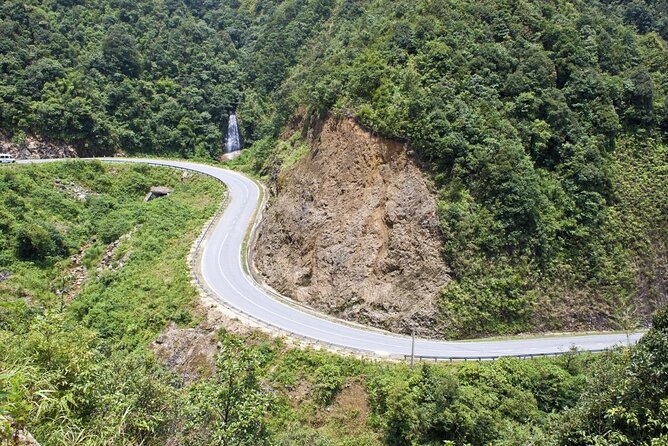
- Tram Ton Pass is the real jump-off: you’ll transfer there early and begin your ascent from the launch point.
- Overnight near 2,800m: you sleep high up, which is part of the magic and part of the cold-early-morning reality.
- A 4:00am summit push: it’s a short, hard final climb before sunrise, with breakfast beforehand.
- Hot meals at altitude: dinner is served in camp, and the cooking is substantial enough that you’ll actually eat well before the next push.
- Max 10 travelers for attention: small-group trekking means fewer bottlenecks and more help on the way.
From Sapa to Tram Ton Pass: Day 1’s steady build
Day 1 starts with a 9:00am pickup/meeting in Sapa (07 Thác Bạc). After meeting your guide and getting your bearings, you transfer toward Tram Ton Pass, which is the launching point for the summit route. This is the kind of start that helps you avoid wasting energy on getting to the trailhead.
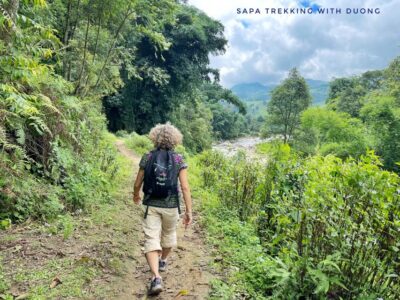
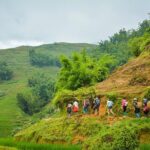
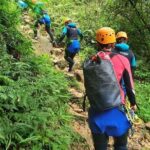
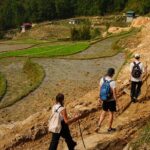
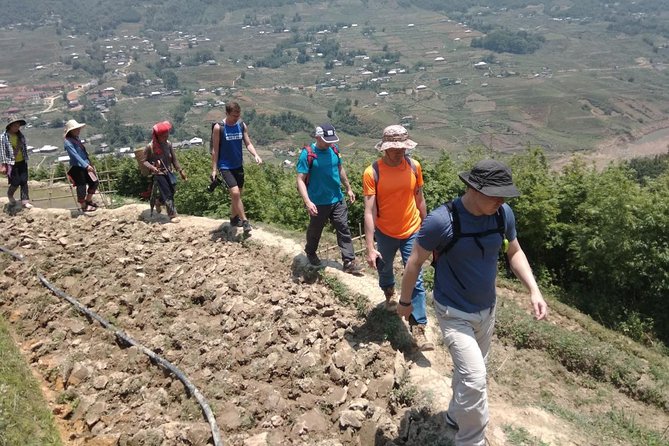
Once you’re at the pass, you’ll begin hiking with an English-speaking local guide and a porter team from the Black Mong community. The porters carry food and the mountain essentials, which matters because Fansipan is not a stroll. If you’ve ever tried to self-plan an overnight mountain hike, you know how quickly carrying everything turns into a chore. Here, the support is part of the design.
Around midday, you’ll stop at about 2,200m for lunch. The meal is a picnic-style break prepared by the guide, and it’s a good moment to reset: eat, slow your breathing, and take in where the trail is headed. After lunch, you continue up toward the sleeping area near 2,800m.
You can also read our reviews of more hiking tours in Sapa

The 2,800m camp rhythm
By mid-afternoon, you reach the sleeping quarters around 2,800m. You’ll also arrive at a rest hut around 16:00, which gives you time to rest and take in the mountain air before dinner. This chunk of downtime is underrated. It’s when you can judge how your body feels, adjust layers, and get ready for an early night.
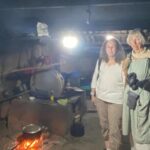
Dinner is served around 18:30. The camp cooking is repeatedly praised for being hearty and plentiful, with hot-pot style meals mentioned as a highlight the evening before the summit. Even if you’re not into heavy meals, you’ll likely appreciate having something warm and filling when you’re gearing up for 4:00am.
Then it’s early to bed. The schedule is built around the idea that sunrise is the point, so sleep isn’t optional.
Sleeping high for sunrise: what the mountain night really feels like
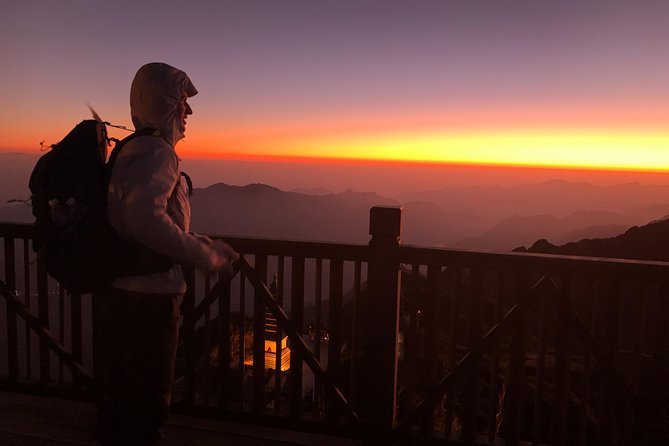
This trek is designed as an overnight experience, not just a one-day hike with an extra step. That means your timing changes the whole feel of Fansipan. You’re not rushing to reach a view, you’re waiting for it.
Sleeping quarters are at approximately 2,800m. That altitude shift can mean cooler temperatures at night and more wind exposure depending on conditions. The trek schedule makes it likely you’ll want to keep movement to a minimum after dinner so you can conserve energy for the summit push.
What I like here is that the pace feels structured. You hike Day 1 far enough to reach camp, then you get a rest block. Then you eat, and you sleep with the summit plan already in place.
A small-group setup helps too. With up to 10 travelers, you spend less time waiting around for people to catch up, and you’re more likely to get real check-ins from the guide and porter team. In the field, this kind of organization shows up as smoother transitions: meal timing, staying together, and knowing what comes next.
The team behind the scenes
Behind the scenes, the operation has a names-and-people feel rather than a faceless system. The company’s leadership and logistics have been credited in messages and coordination, including Phạm Minh Đức (director) and Joey (operations). On the ground, local guidance is often attributed to ethnic guides like Thong, with extra liaison support referenced from staff such as Quynh and Duc.
You don’t need to memorize names to enjoy the trek, but it does signal something useful: if something changes, there’s a chain of command. On mountain time, that matters.
The 4:00am summit push to 6:30am: where the effort pays off
Day 2 begins at 4:00am after breakfast with hot tea or coffee. That first warm sip is one of those small comforts that makes the whole pre-dawn plan feel doable. Then you start the final assault.
The route continues through a bamboo forest, and as you climb higher the vegetation becomes less. You’ll notice that as the terrain opens up: fewer plants, colder air feel, and less shade. This is also why Day 2 is short but intense. You’re aiming to reach the summit in time for sunrise.
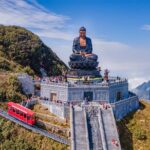
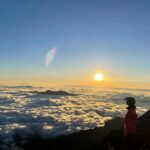
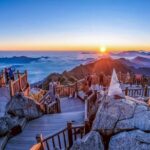
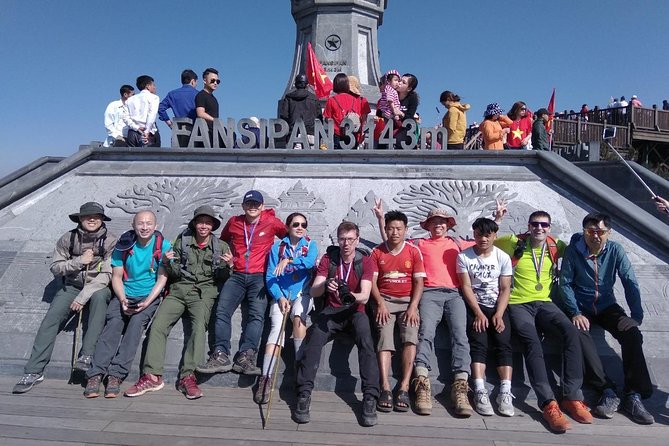
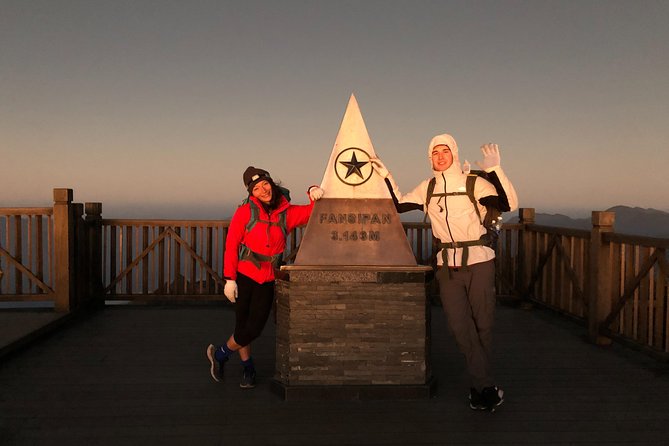
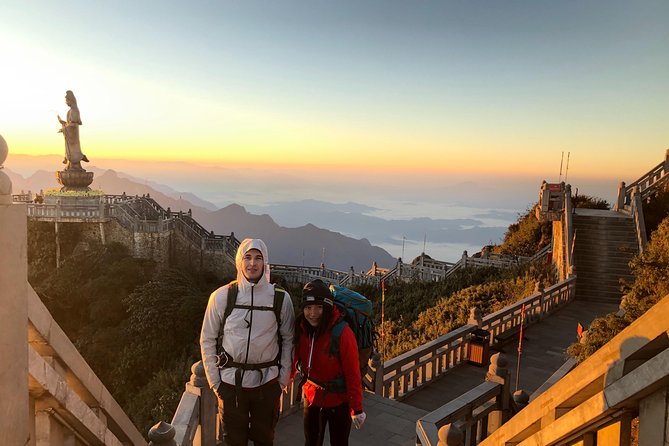
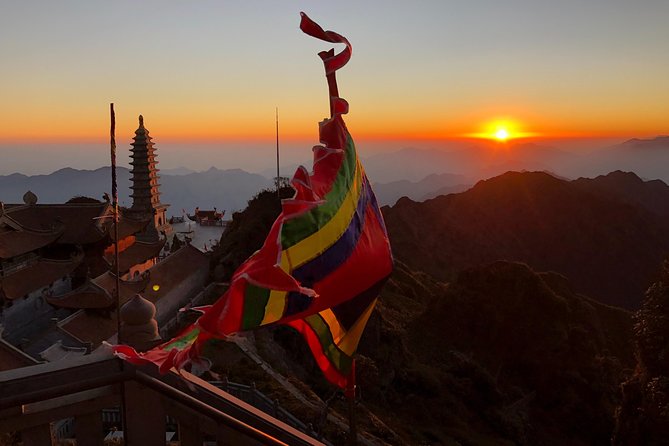
At about 6:30am, you conquer the Roof of Indochina. This is the moment you came for. Sunrise on Fansipan is not just a photo opportunity. Being at the top at that hour changes the vibe of the day—less crowd pressure, more silence, and a sense of stepping out of regular time.
Descend, then eat again
After the summit, you start descending around 8:00am. Another picnic lunch is served on the way down to the Tram Ton route. Having lunch again during the descent is helpful because you’ll likely be hungry after the energy burn of a summit push.
By around 12:00, you’re back at Tram Ton. From there, you return to Sapa and end back at the meeting point.
If you’re wondering about stress level: the hardest part is front-loaded. The climb is the challenge, but the timetable is clear, and the support structure (guide + porters + included meals) reduces the usual chaos that hits independent hikers.
Food, porters, and small comforts that matter at altitude
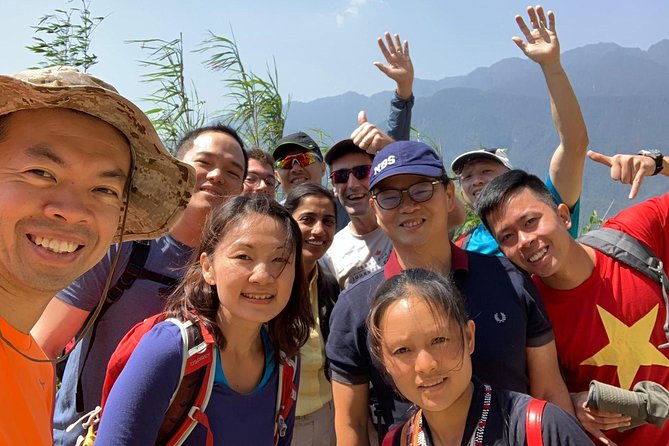
This trek is not stingy on food. Dinner on Day 1 is scheduled for 18:30, breakfast includes hot tea or coffee on Day 2, and you get lunch on both the ascent and descent sides. Drinks are the one missing piece—so you’ll want to budget for your own.
What I appreciate is the camp-food approach. People talk about mountain trekking as if hunger is inevitable. Here, meals are planned and set up so you can eat enough to keep going. One standout detail from the experiences shared with the operator is that the guide prepares a large amount of food, including hot-pot style cooking the night before the summit. That kind of warm, filling meal is exactly what you want when the goal is a 4:00am start.
Porters carrying supplies is another big value element. They carry food and gear up the mountain. That means your pack can stay focused on what you personally need—layers, rain protection, and basics. If you want to avoid turning the hike into a heavy-lugging contest, this structure is a win.
Vegetarian travelers also have an option. If you want vegetarian meals, you need to advise when booking.
Price and value: what you’re actually paying for
The price is $180 per person, and the average booking lead time is around 16 days. For a 2D1N overnight summit trek with small-group size, that’s not just a bargain headline. The value comes from what’s included:
- Accommodation as stated for the overnight period
- All taxes, fees, and handling charges
- Meals: dinner, breakfast, lunch
- Local English-speaking guide
- Pickup and drop-off in Sapa town
It also helps that the maximum group size is 10. In a paid guided trek, small groups are where you feel the difference. You spend less time waiting. You get more attention on the trail. And it’s easier for the guide to manage pacing for people with different comfort levels.
Two practical “watch-outs” on value:
- Drinks are not included.
- Transportation from Hanoi to Sapa is not included.
So the real comparison isn’t just the $180. It’s $180 plus whatever you spend to get to Sapa (and whatever you drink during the hike).
Is this the right Fansipan hike for you?
This trek is best for travelers who want a guided summit experience that handles the heavy lifting of logistics. If you like structure—clear start times, planned meals, and support—this works well.
It also fits first-timers more than you might think, as long as you take the fitness requirement seriously. The tour is for a moderate physical fitness level, with a minimum age of 15. Early morning climbing is involved, and the summit push starts at 4:00am.
Who might struggle
If you hate pre-dawn starts, or if moderate hiking is already hard for you, consider your limits before booking. Also, since the trek involves sleeping high and moving in cool early hours, bring layers and plan for cold. The schedule forces the conditions, so you can’t rely on a relaxed pace.
Should you book Sunrise Fansipan Mountain Hiking Tram Ton Trail 2D1N?
Yes, if you want the Roof of Indochina sunrise without planning the hard parts yourself. The small-group size (max 10), overnight camp setup near 2,800m, and the included meals make this feel like a thoughtfully packaged way to do Fansipan. The smoothness people associate with the operation, including responsive coordination led by staff like Joey and support from the local guide team, is exactly what you want on a climb where timing matters.
I’d skip it if:
- you’re not comfortable with a 4:00am start,
- moderate fitness feels like a stretch,
- or you’re looking for a hike that’s long and leisurely without an early summit goal.
If sunrise is the priority, this trek is built around that one event. That focus is what makes it worth your time.
FAQ
What is the duration of the Fansipan Sunrise trek?
The trek is 2 days (about 2D1N), with an overnight on the mountain.
Where is the meeting point in Sapa?
The tour starts at 07 Thác Bạc, TT. Sa Pa, Sa Pa, Lào Cai, Vietnam, and it ends back at the same meeting point.
What time does the tour start?
The start time is 9:00am.
How many people are in the group?
The tour has a maximum of 10 travelers, with small-group pacing.
Does the tour include pickup and drop-off?
Yes. Pickup and drop-off service in Sapa town is included.
What meals are included?
Dinner is included on Day 1, and breakfast and lunch are included on Day 2 (plus lunch on Day 1 as a picnic stop).
Are drinks included?
No. Drinks are not included.
Is there a vegetarian option?
Yes. A vegetarian option is available if you advise at the time of booking.
Is transportation from Hanoi to Sapa included?
No. Transportation Hanoi to Sapa is not included.
What is the cancellation policy?
You can cancel for a full refund if you cancel up to 24 hours in advance of the experience’s start time.
What is the minimum age to join?
The minimum age is 15 years.