REVIEW · HIKING & TREKKING
Highland Harmony Trek in Sapa
Book on Viator →Operated by Green Sapa Trekking · Bookable on Viator
Sapa has a way of pulling you outside fast, but this trek slows things down. The Highland Harmony route links Muong Hoa Valley, Y Linh Ho, Lao Chai, and Ta Van with real village stops and story-filled guidance.
What I like most is the balance: you get standout valley views and then you move into everyday life with Black H’mong and Giay villagers, not a performance setup. I also love the lunch in Lao Chai at a local H’mong home, because it feels like part of the day instead of a box-check.
One thing to consider: this is a long, full-day outing (about 6 to 9 hours) with moderate walking, and it runs on good weather.
Highland Harmony Trek at-a-glance
- Small group size (max 10) keeps the experience calmer and easier to ask questions.
- A route with variety: river walks, terrace viewpoints, forest paths, and village lanes.
- Lunch in a Black H’mong home in Lao Chai is part of the cultural flow, not an afterthought.
- Two ethnic areas are central to the day: Black H’mong villages and Giay stilt-house Ta Van.
- Start and end at Green Sapa Homestay (8:30 am) makes logistics simple.
- Mobile ticket and free cancellation up to 24 hours before help you plan with less stress.
In This Review
- From Green Sapa Homestay to Muong Hoa Valley: the tone of the day
- Muong Hoa Valley: rice terraces, stone paths, and a calm opening hour
- Y Linh Ho: narrow paths and a quiet Black H’mong village above the valley
- Lao Chai trail: the heart of the Black H’mong route and a local lunch you’ll remember
- Ta Van Village: Giay stilt houses and the valley’s slow ending
- What the guide really adds: stories, dye, and daily work made understandable
- Pace, time on your feet, and what moderate fitness means in real life
- Price and value: getting a full day for $29 without feeling shortchanged
- Logistics that help: meeting point, mobile ticket, and the smooth return
- Who should book the Highland Harmony Trek (and who might not)
- Should you book the Highland Harmony Trek?
- FAQ
- Where is the meeting point for the Highland Harmony Trek?
- What time does the trek start?
- How long is the trek?
- What is the group size limit?
- What level of fitness do I need?
- Is lunch included, and what kind of lunch is it?
- What ticket format do I get?
- What if I need to cancel?
- What happens if the weather is bad or there are not enough travelers?
From Green Sapa Homestay to Muong Hoa Valley: the tone of the day
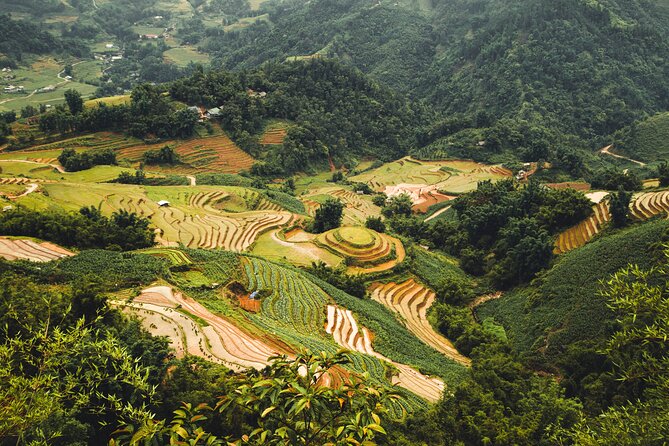
This trek starts with a simple reality check: you’re not doing a quick photo loop. You’re walking through Sapa’s valley system at a human pace, with breaks that make the scenery feel earned instead of rushed.
The meeting point is Green Sapa Homestay (3-1 Nguyễn Chí Thanh, TT. Sa Pa, Sa Pa, Lào Cai 31752). You start at 8:30 am, and the day ends back at the meeting point, with a vehicle transfer arranged for your return. That matters because Sapa has plenty of roads and sudden weather changes; having transportation built into the plan makes the trek feel lower-stress.
The vibe is also built into the route. You begin with descent into Muong Hoa Valley, which means your first stretches tend to feel open and spacious. Later, the paths narrow and the cultural moments get closer. If you like days that shift gears—from wide views to close-up daily life—this is a good fit.
Muong Hoa Valley: rice terraces, stone paths, and a calm opening hour
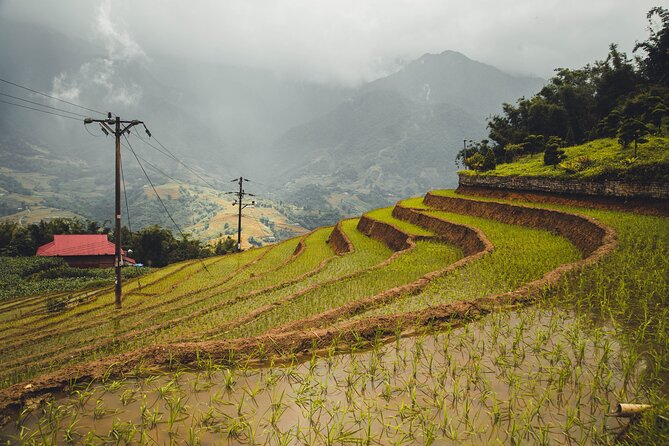
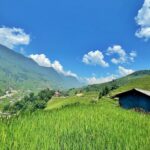
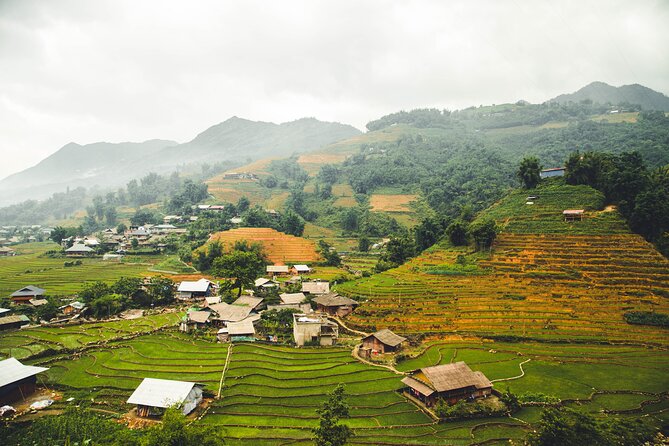
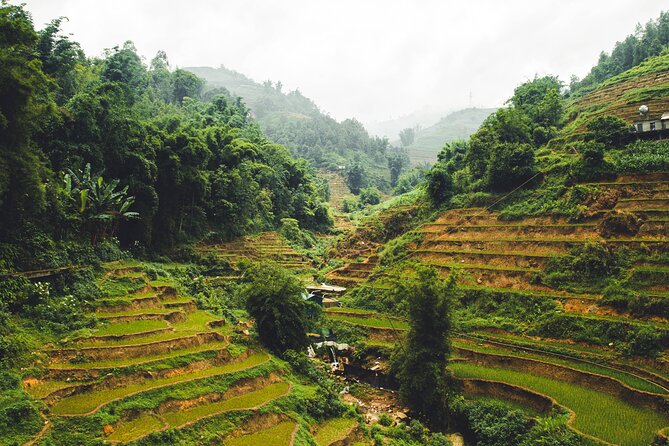
Your first stop is Muong Hoa Valley, with about 1 hour in this section. Expect terraced hills and stone paths winding through quiet Black H’mong villages. The day starts gentle, so you can get your bearings early and settle into the rhythm of walking at valley pace.
This is also where you’ll likely feel the scale of Sapa. Even when the terrain is close underfoot, the view keeps extending outward—terraces, slopes, and village pockets. It’s a great time to notice agriculture because rice fields here are not just scenery; they’re the structure of daily work.
Practical note: the description emphasizes narrow dirt paths and steep terrace sides. That’s why sturdy shoes help. You’re not doing technical climbing, but you want grip and support for the kind of uneven ground you find when paths run beside fields.
You can also read our reviews of more hiking tours in Sapa

Y Linh Ho: narrow paths and a quiet Black H’mong village above the valley
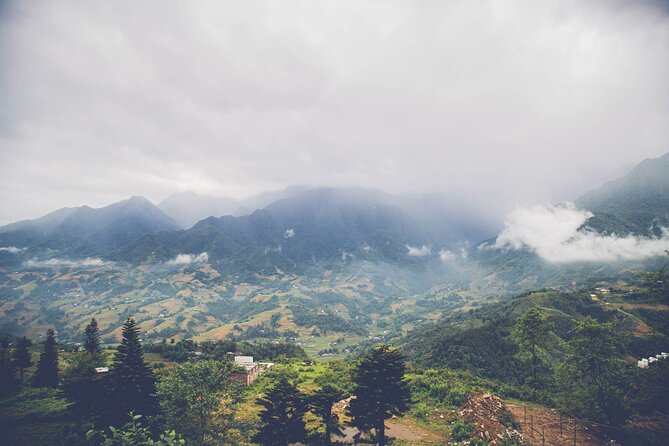
After Muong Hoa Valley, the trek moves to Y Linh Ho for about 2 hours. This is a small Black H’mong village tucked into the hills above the valley, and the tone shifts from open scenery to more intimate village walking.
You follow narrow dirt paths along steep rice-terrace terrain. That setup has a payoff: Y Linh Ho gives you those hillside angles where the terraces look layered and geometric. It’s the kind of view that makes you understand why Sapa’s valley life is shaped the way it is—water management, farming schedules, and settlement patterns all tie back to the slopes.
What elevates this stop beyond a walk-by photo moment is how the guide frames what you’re seeing. The day is built around cultural interactions in home environments, and the village section is where that starts to feel real. In particular, reviews mention guide explanations of ethnic traditions and language, which is exactly the difference between seeing villages and learning how people live.
Lao Chai trail: the heart of the Black H’mong route and a local lunch you’ll remember
Next comes Lao Chai, another Black H’mong village section, with about 2 hours. Lao Chai sits right in the heart of Muong Hoa Valley, and the walk here centers on daily village life paired with terrace views. This stop is often where the day starts to feel most meaningful.
Lunch is a highlight in this part of the route: you eat locally prepared food in a Black H’mong home in Lao Chai. When a meal is included inside a village visit like this, it usually changes the feel of the day. Instead of eating quickly and moving on, you slow down and experience hospitality in context.
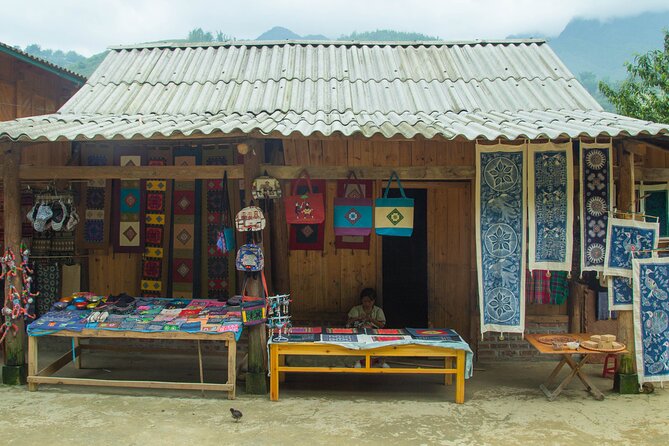
From the feedback, I’d expect a strong focus on H’mong culture details—especially everyday skills. One review calls out the guide sharing the indigo-blue dyeing process, and that fits the broader theme: you’re not just collecting facts, you’re connecting them to what you can see in the village environment.
A consideration: since lunch is served at a home, it’s not a restaurant. Your pace and comfort depend on the family’s routine that day, and that’s part of why the experience feels human. Keep expectations simple: you’re here for a real meal with real people, not a menu experience.
Ta Van Village: Giay stilt houses and the valley’s slow ending
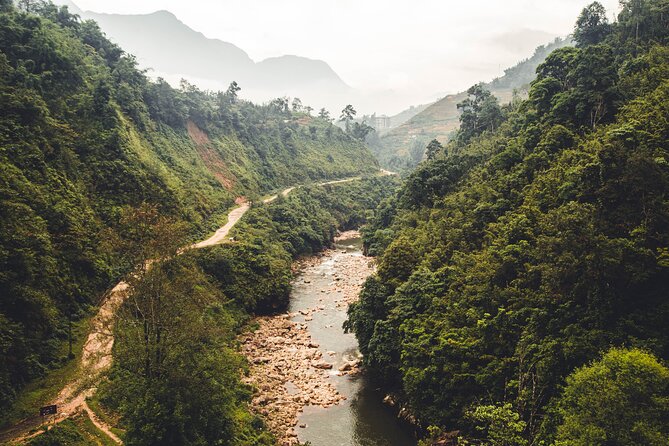
The final walking section lands in Ta Van Village, about 2 hours. This is home to the Giay ethnic group, and it’s described as tranquil, with stilt houses lined up along the valley floor. The surrounding feel is fields, mountain air, and the kind of quiet that makes the earlier stops click into place.
The physical route before Ta Van includes terraced landscapes and river crossings, so by the time you arrive, your body is ready for the calmer rhythm of village lanes. That’s why this stop works so well as an ending: it gives you a sense of arrival, not just a final checkmark.
You’ll likely appreciate the shift from steep hillside paths to the valley-floor scene. Stilt houses are a practical detail, but they’re also visually memorable, and Ta Van is the village where that style stands out most. If you want your day to end on a restful note—less uphill energy, more slow scenery—this village does the job.
What the guide really adds: stories, dye, and daily work made understandable
The trek is led by local guides, and that’s one of the best reasons to pick it over just hiring a motorbike and wandering. The route is scenic, sure. But the guide’s job is to connect what you’re seeing to why it matters.
Based on the feedback, expect storytelling about ethnic life—especially Black H’mong and Giay traditions. Reviews mention explanations about language and customs, plus specific craft knowledge like indigo-blue dyeing. That kind of detail turns a pretty day into a day you can talk about later.
There’s also a subtle practical value here: when paths split or terrain looks similar, a good guide keeps you from second-guessing. And the experience is set up for small groups (max 10), so you’re more likely to get answers rather than just being carried along.
Tip for your questions: ask things that match what you’re doing right then. For example, when you see terraces, ask how the farming fits the seasons. When you pass clothing or dye-making references, ask how that tradition carries through daily life.

Pace, time on your feet, and what moderate fitness means in real life
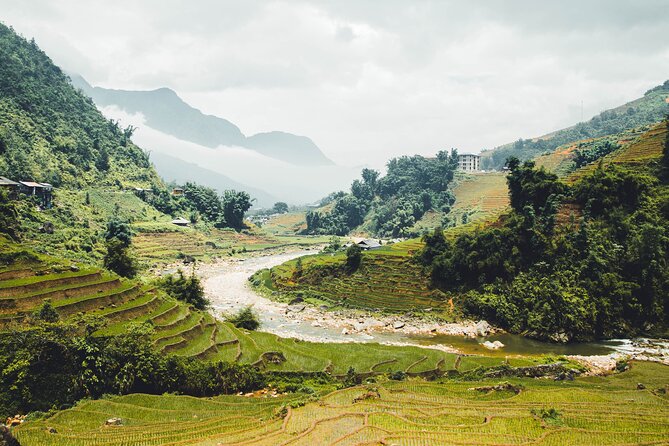
The walking time for the whole experience is about 6 to 9 hours. That range usually depends on pacing, route conditions, and how long you spend during village stops. The itinerary descriptions also show stop durations: 1 hour in Muong Hoa Valley, then about 2 hours each in Y Linh Ho, Lao Chai, and Ta Van.
So yes, you’ll be on your feet for most of the day. The good news is the trek is described as suitable for people with moderate physical fitness, which lines up with the repeated theme from the experience feedback: the trail is easy to follow and comfortable for beginners, especially because the group stays together and the path is guided.
Still, moderate doesn’t mean no effort. Expect uneven ground, steep terrace edges, and dirt paths. If you have joint issues or you hate slippery descents, bring poles if you use them, and wear shoes with real traction.
A weather note: the activity requires good weather. That’s not a tiny detail. Rain can make muddy paths slick and increase fatigue. If the day’s cancelled due to poor weather, you should plan to reschedule or request a full refund, depending on what they offer.
Price and value: getting a full day for $29 without feeling shortchanged
At $29 per person, this is priced as a budget-friendly full-day trekking experience. The best way to judge value here is by what’s included in the day: guidance, multiple village stops, and lunch prepared locally in a home setting, plus vehicle transfer back to Sapa.
You’re also getting a limited group size (max 10). In Sapa, that alone can separate a pleasant day from a chaotic one. A smaller group tends to mean fewer interruptions during village conversations and more time for questions.
The also-important value is cultural access. The experience emphasizes interactions with Black H’mong and Giay villagers in their home environments, not tourist showcases. That approach doesn’t guarantee your experience will be profound, but it does raise your odds of meeting people in a more natural setting.
One practical consideration: because it’s a long day with village meals and walking, you’ll want to budget for your energy (water, snacks if you need them, and sunscreen). But the $29 cost itself is hard to beat for a guided route that covers several key areas in one go.
Logistics that help: meeting point, mobile ticket, and the smooth return
This trek is designed to be easy to manage in the real world. You meet at Green Sapa Homestay, start at 8:30 am, and finish back at the same meeting point. That means you won’t be stranded far from town or forced to figure out transit after a long hike.
You’ll also get a mobile ticket, and confirmation is received at booking. The activity is near public transportation, which can matter if you’re building a multi-day Sapa plan and want flexibility.
One more detail that’s quietly useful: service animals are allowed. If that matters for you, it’s good to see it explicitly stated in the experience notes.
Who should book the Highland Harmony Trek (and who might not)
I think this trek is a strong choice if you want more than a scenic hike. You’ll enjoy it most if you like:
- village walking paired with explanation
- a steady day pace instead of a sprint
- simple cultural interactions over staged entertainment
- a meal that feels connected to the route
You might reconsider if you’re looking for a very short outing or a purely low-effort stroll with no uneven ground. It’s also weather-dependent, so if you’re in Sapa only during a rainy stretch and you hate rescheduling, keep expectations flexible.
If you’re traveling as a couple, solo, or with a friend group, the max 10-person limit is a plus. And if you want a private option, the experience overview indicates private guiding is available, which is often ideal when you want a quieter, more customized pace.
Should you book the Highland Harmony Trek?
Yes, if you want a full-day Sapa experience that mixes valley scenery with Black H’mong and Giay village life, and you value a local lunch that’s part of the day rather than a stop on the way. The $29 price also makes it easy to justify, especially with transport handled and a small group size.
Book it now if you’re the type who enjoys asking questions on the trail and connecting what you see—terraces, dye references, stilt houses—to daily work and tradition.
Hold off or plan carefully if weather is uncertain, because the trek depends on good conditions and you’ll need to adjust if it’s cancelled. If you can be flexible, this is the kind of day that sticks.
FAQ
Where is the meeting point for the Highland Harmony Trek?
You start at Green Sapa Homestay at 3-1 Nguyễn Chí Thanh, TT. Sa Pa, Sa Pa, Lào Cai 31752, Vietnam, and the activity ends back at this same meeting point.
What time does the trek start?
The start time is 8:30 am.
How long is the trek?
The duration is listed as 6 to 9 hours (approx.).
What is the group size limit?
This experience has a maximum of 10 travelers.
What level of fitness do I need?
You should have moderate physical fitness, since you’ll be walking for most of the day on village paths and terrain.
Is lunch included, and what kind of lunch is it?
Lunch is included and is prepared locally in Lao Chai as part of the experience.
What ticket format do I get?
You receive a mobile ticket.
What if I need to cancel?
You can cancel for free up to 24 hours in advance of the experience for a full refund. If you cancel less than 24 hours before, the amount paid is not refunded.
What happens if the weather is bad or there are not enough travelers?
The experience requires good weather. If it’s cancelled due to poor weather, you’ll be offered a different date or a full refund. If there isn’t a minimum number of travelers, you’ll also be offered a different experience or a full refund.