REVIEW · HANOI MOTORBIKE TOURS
Sapa Motorbike Tour 1 Day| See All Of Rice Fields & Valleys in One Day
Book on Viator →Operated by Trekking Tour Sapa · Bookable on Viator
Rice terraces from the back of a motorbike. This 1-day Sapa ride strings together five minority villages across the valleys, with big Muong Hoa scenery and rice-terrace viewpoints built into the day.
What I like most is that it’s not just driving for photos. You also get hands-on context from the guide, including customs and daily work, like Hmong marriage traditions, plus how people handle farming and house building. I also appreciate that lunch is included and it’s vegetarian, so you’re not scrambling for food mid-tour.
One thing to consider: you’ll be on a motorbike for hours on mountain roads, and the tour notes a moderate fitness level. If you’re prone to motion sickness or you hate bumpy rides, plan accordingly.
In This Review
- Key highlights I’d plan around
- How a 1-Day Sapa Motorbike Circuit Fits Into 6.5 Hours
- Morning Route: Y Linh Ho and Lao Chai Rice Terraces
- Y Linh Ho (Black Hmong) for big panorama moments
- Lao Chai for terraced rice-field context
- Ta Van Village: where the valley feels lived-in
- Hau Thao and Giang Ta Chai: work, homes, and traditions you can explain
- A small caution for these later stops
- What’s Included for $97.44—and why it can be good value
- Roads, safety, and who this motorbike tour suits best
- Who will love this most
- Who might want a different style of tour
- Timing, meeting point, and how to be ready for a morning start
- Should you book this Sapa motorbike tour?
- FAQ
- How long is the Sapa motorbike tour?
- How much does the tour cost?
- Which villages do you visit on the tour?
- Are pickup and a motorbike included?
- Is lunch included, and what kind of food do you get?
- What is included in the price?
- What is not included?
- What start time and meeting point should I use?
- What happens if weather is poor?
Key highlights I’d plan around
- Muong Hoa Valley viewpoints with rice paddies that look different from every bend
- Five villages in one day: Ta Van, Y Linh Ho, Lao Chai, Hau Thao, and Giang Ta Chai
- Cultural lessons with practical details, like rice field work and house-building techniques
- Lunch included (vegetarian) plus village entry fees and a small water bottle
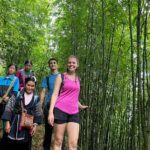
- Private, small-group feel so you can ask questions and move at a human pace
- Local guides you might meet include Sinh, So, Xur, and May, based on past guest experiences
How a 1-Day Sapa Motorbike Circuit Fits Into 6.5 Hours
This tour runs about 6 hours 30 minutes total, and it’s designed to feel full without being exhausting in the planning sense. You start in the morning, get a motorbike safety briefing, and then spend most of the day moving through valley roads and village paths with stops for views and cultural context.
The fact that it’s a private tour matters more than you might think. In a place like Sapa, where roads are narrow and viewpoints can get crowded, having your group set the tempo helps you actually enjoy the scenery instead of watching everyone else rush ahead.
Also, the tour is built for comfort where they can control it: you get a local guide, village entry fees are covered, and you’re not left figuring out food or timing. You do still need to bring your own attitude for bumpy roads and chilly mountain weather.
You can also read our reviews of more tours and experiences in Sapa
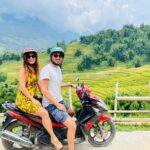

Morning Route: Y Linh Ho and Lao Chai Rice Terraces
The morning is where the views hit hardest. Your route runs roughly 15 km and about 3.5 hours through villages tied to Sapa’s ethnic communities, starting with Y Linh Ho and Lao Chai before continuing deeper into the valley.
Y Linh Ho (Black Hmong) for big panorama moments
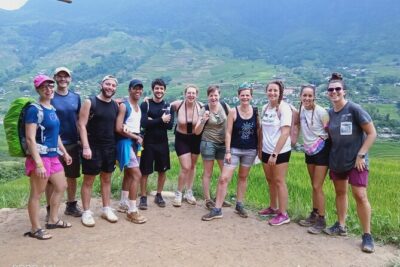
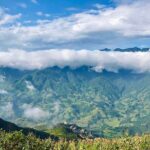
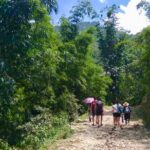
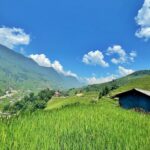
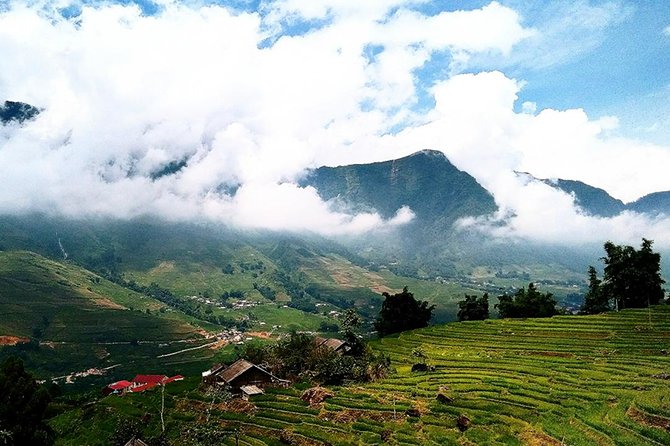
Around 9:30 am, you reach Y Linh Ho, described as a village of the Black Hmong. This stop is a classic Sapa move done well: you get a panoramic view of the Muong Hoa Valley with rice paddies spread across the slopes.
This is the part of the day that helps you understand why people come to Sapa in the first place. In town, everything feels condensed. Up here, you see the valley’s scale and how the terraces shape farming and movement.
Practical note: viewpoints can be windy at altitude. If you’re the type who runs cold fast, pack a layer.
Lao Chai for terraced rice-field context
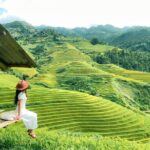
By about 10:00 am, you’re at Lao Chai, a traditional Hmong village. Expect another panorama, this time focused more directly on the terraced rice fields.
What makes Lao Chai valuable on this kind of tour isn’t just the view; it’s the way the guide connects it to daily life. The tour description specifically mentions learning about rice fields and how people work them, along with house building techniques and customs. That context turns the scenery into something you can actually read, not just photograph.
Ta Van Village: where the valley feels lived-in
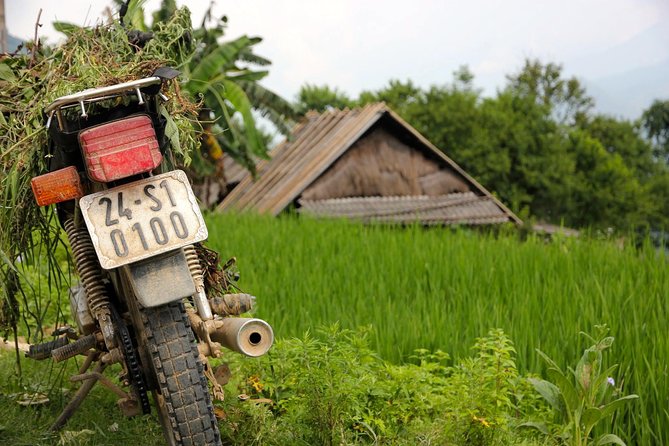
After Lao Chai, you continue toward Ta Van Village (listed in the route as part of the morning flow). Ta Van is one of the better stops for seeing Sapa beyond the main tourist strip, because it’s integrated into the valley’s rhythm rather than staged for it.
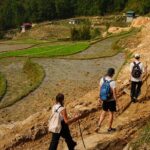
Here’s what you can reasonably expect: you’ll move through village areas and learn about community life tied to local traditions. The tour focuses on cultural customs of the Hmong, Giay, and Red Dao groups, and Ta Van is one of the key places where that becomes visible in how people live and work.
The best way to get value from Ta Van is simple: ask questions. A good guide will connect what you’re seeing to the bigger picture—work patterns, rice cultivation, and home building—so you leave with a real understanding instead of a quick photo.
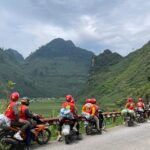
Hau Thao and Giang Ta Chai: work, homes, and traditions you can explain
The route keeps pushing deeper after Ta Van, heading to Hau Thao and Giang Ta Chai. These are named stops in the morning schedule, and they’re part of the tour’s promise: five villages, with time to connect landscape views to local culture.
The tour description calls out specific topics the guide will introduce, including:
- Hmong marriage traditions
- Rice fields
- Work and house building techniques
- More about local customs and traditions across the main ethnic groups in Sapa
You won’t get all of that in a lecture format. On a motorbike day like this, it’s more like short explanations that land when you’re standing near what they’re describing—tools, work routines, and how homes relate to the terrain.
That’s also where a great guide earns their spot. Past guests have mentioned guides such as Sinh, as well as May, So, and Xur—all praised for sharing local knowledge and making the day feel personal. Even if you don’t get the exact same guide name, look for the same quality: someone who answers follow-ups and explains why things are done a certain way.
A small caution for these later stops
As the morning stretches on, you may feel time tighten—especially if you’re taking lots of photos. Keep an eye on your comfort, hydrate early (you’ll have one small bottle included), and pace yourself. In mountain villages, the best memories often come from slowing down for a minute rather than running to the next view.
What’s Included for $97.44—and why it can be good value
At $97.44 per person, this tour sits in the “not cheap, but not crazy” zone for Sapa, especially when you compare what’s covered versus what you’d otherwise pay separately.
Here’s what you get included:
- Lunch (vegetarian)
- Village entry fees
- 1 small bottle of water
- Local guide
- Motorbike petrol
- Motorbike driver
What you don’t get included:
- Extra drinks (at the restaurant and homestay)
- Tips
- Personal travel insurance
From a value standpoint, the biggest deal is that you’re not paying à la carte for the core pieces. In Sapa, that often means the price can shrink in your mind once you realize your ride logistics and entry fees are already handled. The vegetarian lunch also removes one common pain point—figuring out where to eat while the day is moving.
Still, treat this as a planning-friendly day, not a “get everything free” day. Bring a little cash for additional water or snacks, and budget for tips if your guide does a good job with safety, timing, and explanations.
Roads, safety, and who this motorbike tour suits best
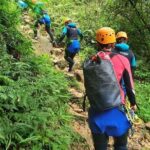
This tour is rated for people with moderate physical fitness. That’s not just about walking. It’s about staying comfortable on a motorbike ride through winding roads and dealing with the physical basics: sitting steady, shifting your weight as needed, and staying focused when the road gets bumpy.
The tour starts by explaining how to sit and how to keep safe on the back of the bike. That first safety talk matters, because it’s where you learn how to brace yourself on turns and uneven pavement.
One practical tip: wear clothes you don’t mind getting dusty or slightly wind-tossed. Bring a layer for your upper body because mountain air can swing fast. If you’re sensitive to motion sickness, consider what usually works for you and use it before you get on the bike.
Who will love this most
You’ll likely enjoy the tour if you:
- Want more than Sapa town views
- Like learning about local life while you move between villages
- Are comfortable spending most of the day outdoors and on roads
Who might want a different style of tour
If you strongly dislike motorbike rides or you need long breaks every hour, you might find the pacing harder to manage. In that case, you’d probably be happier with a slower car-based option.
Timing, meeting point, and how to be ready for a morning start
The meeting point is Sapa Church (P. Hàm Rồng, TT. Sa Pa, Sa Pa, Lào Cai). The tour is scheduled to start in the morning with timing listed as 8:40 am, and the meeting-point start time is shown as 9:00 am.
This is one of those places where being early pays off. Aim to arrive a few minutes before the stated start so you’re not rushed through the safety instructions.
Because this is a motorbike day, you’ll feel the schedule. If you want the best views at Y Linh Ho and Lao Chai, you’ll want your energy level to match the early timing.
Also, the tour notes it requires good weather. If clouds or rain show up, the experience may be changed to protect comfort and safety—so be flexible with your day plan.
Should you book this Sapa motorbike tour?
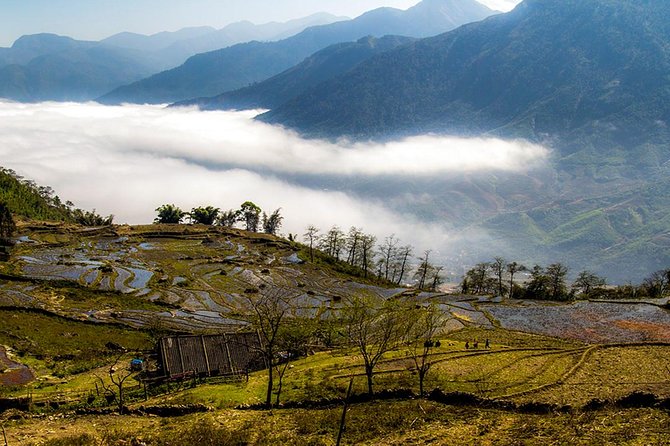
Book it if you want a one-day Sapa experience that spends serious time on villages and rice-terrace scenery, with practical cultural explanations baked into the route. The combo of five villages, a local guide, and an included vegetarian lunch is a solid way to see more of Sapa without turning your day into logistics homework.
Skip it if motorbike roads sound like your personal nightmare, or if you can’t handle sitting for long periods on mountain terrain. This tour is built for movement, and the best days are the ones where you lean into that rhythm.
If you’re on the fence, my advice is to check your comfort with rough roads and your tolerance for a morning start. If that’s fine, this is a strong choice for getting out of town and into the valley story.
FAQ
How long is the Sapa motorbike tour?
The tour lasts about 6 hours 30 minutes (approx.).
How much does the tour cost?
The price is $97.44 per person.
Which villages do you visit on the tour?
The route includes five villages: Ta Van, Y Linh Ho, Lao Chai, Hau Thao, and Giang Ta Chai.
Are pickup and a motorbike included?
Pickup is offered, and the tour includes the motorbike driver and motorbike petrol. The end point is back at the meeting point.
Is lunch included, and what kind of food do you get?
Lunch is included and it is vegetarian. Drinks are not included.
What is included in the price?
Included items are lunch (vegetarian), village entry fees, 1 small bottle of water, a local guide, motorbike petrol, and the motorbike driver.
What is not included?
Not included are personal travel insurance, extra drinks (such as bottled water or beer) at the restaurant and homestay, and tips.
What start time and meeting point should I use?
The meeting point is Sapa Church, and the listed start time is 9:00 am, while the tour schedule also shows 8:40 am as the start.
What happens if weather is poor?
The tour requires good weather. If it gets canceled due to poor weather, you’ll be offered a different date or a full refund.