REVIEW · HIKING & TREKKING
Sapa Trekking / Hiking through Sapa Valley with native Hmong
Book on Viator →Operated by Indigo Trekking Tour Sapa · Bookable on Viator
Family-run treks in Sapa feel personal fast. This one pairs a home-from-the-valley guide (often Sue, with her family) with authentic Hmong village walking and excellent English explanations as you move through rice fields, bamboo, waterfalls, and mountain paths. The payoff is seeing everyday life up close, not just taking photos. One consideration: Sapa weather can sock you with cold clouds, which can limit the views on bad days.
I like that the route is customizable to your pace and interests, whether you’re more into rice fields, jungle trails, or specific villages. Your Day 1 includes a homestay in Ta Van, with dinner at the family table and a private setup (including hot shower in the room type described). On Day 2 you shift into Hoang Lien National Park trails, which means more walking time and steeper bits.
At around $110 for ~2 days / 1 night, this is good value if you care about culture and guided context, not only scenery. It’s also private—so you won’t get shuffled into a big crowd. Just be ready for a moderate hiking level and bring clothes for cool, damp mountain air.
In This Review
- Key highlights you’ll actually feel on the trail
- Why Ta Van and Hoang Lien feel different in Sapa
- Day 1: Y Linh Ho, lunch in Lao Chai, then a Ta Van homestay
- Y Linh Ho village: start slow, learn fast
- Trek to Lao Chai: lunch with a view
- Ta Van: your home base for 1 night
- Day 2: Hoang Lien National Park forests, waterfalls, and long walking time
- The homestay in Ta Van: comfort that makes the trek worth it
- Price and value: $110 for culture + guiding + a real overnight
- Weather, timing, and fitness: what to pack and how hard it will feel
- Who should book this trek, and who should skip it
- Should you book this Sapa trekking with Hmong families?
- FAQ
- What’s the meeting point and start time?
- Is pickup available?
- How long is the trek and is there an overnight?
- Which places will we walk through?
- Do I need to be very fit?
- Are admission tickets included?
- What happens if the weather is bad?
Key highlights you’ll actually feel on the trail
- A guide from the valley (Sue and her family are repeatedly mentioned) who can explain daily life and landmarks with context
- Village-to-village walking through Y Linh Ho, Lao Chai, and onward to Ta Van, instead of one quick stop
- Ta Van homestay comfort described as a private suite with bathroom and hot shower
- Hoang Lien National Park trails with forests, waterfalls, and a longer Day 2 hike (about 7 hours)
- Trekking tailored to your group, across ages and fitness levels (as the guide offers)
- Small-group feel: it’s a private activity for your group only
Why Ta Van and Hoang Lien feel different in Sapa
Most Sapa treks feel like a route with checkboxes. This one feels closer to a day you’d take if your family lived here—because the guide is tied to the same communities you’ll pass.
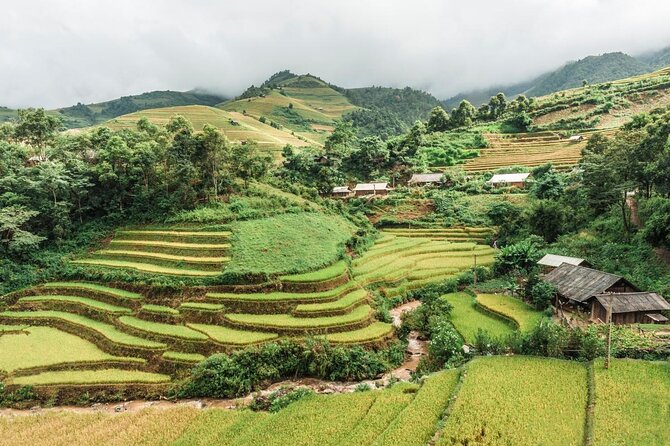
The big difference is that you’re not just walking through “hill tribe villages.” You’re being guided through a living system of rice timing, paths between homes, and the rhythm of the valley. When the guide mentions planting and harvesting (and can take you to family land depending on season and timing), it turns the views into something you can picture in real life: hands in the fields, water in the channels, and routines that repeat every year.
You also get better understanding of what you’re seeing. Several guides associated with this tour family (like Sue and her daughter Mai) are praised for strong English and for knowing the people across villages. That matters on a trek—because the “why” behind what you see is often the best part.
You can also read our reviews of more hiking tours in Sapa
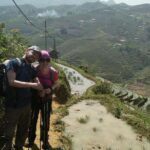

Day 1: Y Linh Ho, lunch in Lao Chai, then a Ta Van homestay
Your start point is Sapa Church (P. Hàm Rồng, TT. Sa Pa, Sa Pa, Lào Cai). The trek begins at 8:30am, and you’ll meet your guide and group before heading into the valley.
Y Linh Ho village: start slow, learn fast
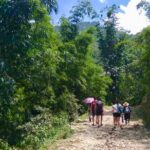
The first walking section goes to Y Linh Ho village. This is a good place to settle into the day. You’ll have the first chance to orient yourself—how the paths wind, how homes sit relative to fields and slopes, and how daily life works when the terrain shapes everything.
This part is also where the guide’s storytelling starts to matter. A common theme in the feedback is that the guide treats the day like conversation, not a script—sharing how generations have lived in the valley and how villages connect.
Trek to Lao Chai: lunch with a view
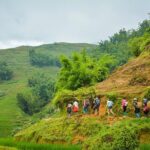
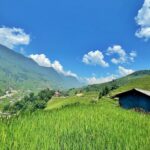
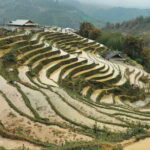
Next comes the trek toward Lao Chai, and you’ll have lunch there. Lao Chai is often a “main” village on many Sapa routes, but what you’re buying here is more than the stop. It’s the time you spend on the walking between places—passing rice terraces (season-dependent), mountain angles, and wooded patches.
If you like photos, you’ll find them. If you like understanding how the valley works, this section is even better, because the guide can tie the scenery to the farming cycle and community layout.
Ta Van: your home base for 1 night
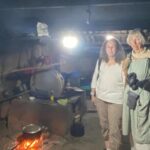
After the day’s hikes, you head to Ta Van, the guide’s hometown. Dinner is provided with the family, and you stay one night.
The homestay setup is described in two useful ways:
- You get hot shower.
- You get a private suite with bathroom and a double bed (as stated in the itinerary and echoed by guest descriptions).
That doesn’t mean luxury. But it does mean you can walk all day and still wash comfortably at night. For many people, that’s the difference between enjoying a trek and feeling wrecked by it.
Practical expectation: Day 1 is where you’ll feel the terrain the most—so go easy on the first ascent and don’t race your group. The guide can adjust pacing since the trek is described as customizable for different ages and athletic levels.
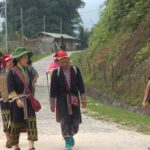
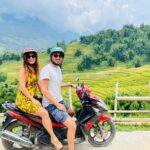
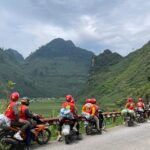
Day 2: Hoang Lien National Park forests, waterfalls, and long walking time
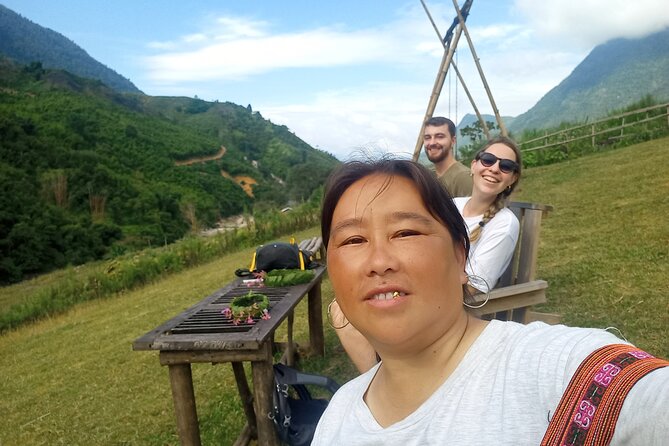
Day 2 starts after breakfast. Then the program shifts into Hoang Lien National Park, which is the “bigger walking day.”
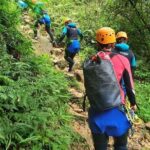
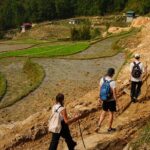
The plan is about 7 hours of trekking through trails, forests, and waterfalls in and around the Sapa valley. This is where you’ll notice the difference between village edges and protected, more natural trail segments.
A few things to expect:
- You’ll likely spend more time on continuous walking, not frequent stops.
- The forest sections tend to feel cooler and damp.
- Waterfall areas are weather-dependent—some days you get clear views and noise. Other days, you get mist and cold.
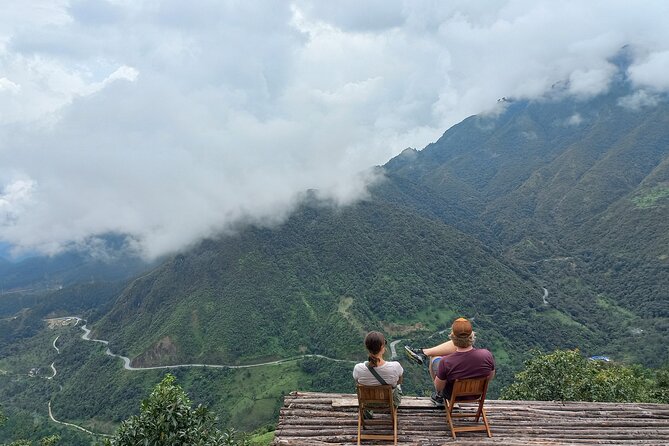
This is also the day where weather matters most. If it’s cold and cloudy, you may see less of the far mountain views—but the forest walking can still be satisfying, especially if you like bamboo paths and the sound/feel of the trail.
The homestay in Ta Van: comfort that makes the trek worth it
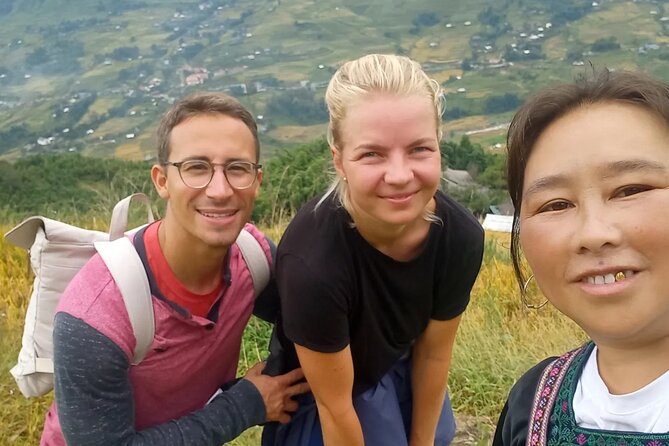
Sleeping in a homestay is fun until you’re cold, tired, and stuck with a setup that doesn’t match what you expected. This one tries to keep that from happening.
Based on the tour description and the way rooms are described, you can expect:
- Hot shower
- Private room/suite
- Bathroom attached
- Double bed
That matters because trekking is a full-day effort. When your room setup is comfortable, you wake up Day 2 ready to walk again instead of dragging.
Also, since the guide is from the area and you’re eating with the family, you’re not just passing time—you’re part of the night routine. Dinner provided means you don’t have to gamble on finding food after a long hike.
Price and value: $110 for culture + guiding + a real overnight
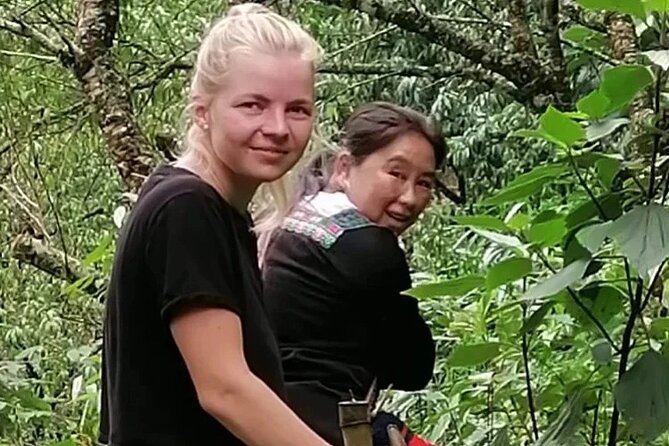
Let’s talk money plainly. $110 for about 2 days / 1 night includes:
- A guided trekking route through multiple villages and the park
- One homestay night with dinner
- Pickup offered
- A mobile ticket
- Admission details that cover the park portion (and Ta Van is described as admission free)
The value part isn’t just the price tag. It’s what gets folded in:
- You’re paying for guide knowledge and connection to the valley communities.
- You’re not spending your time arranging a private driver, multiple tickets, and “figure it out” village logistics.
- You’re getting an overnight that’s designed for trekking comfort.
If you only want a quick viewpoint hop, this may feel like overkill. If you want the walking day to come with context and a family night, it’s a fair deal.
Weather, timing, and fitness: what to pack and how hard it will feel
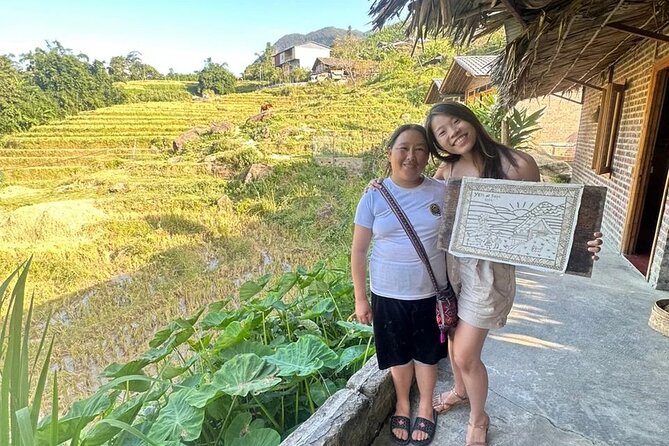
This experience is described as requiring good weather. If it’s canceled due to poor weather, you’ll be offered a different date or a full refund. That’s important because Sapa can turn quickly—cold and cloudy days are common in certain seasons.
One practical takeaway from experience reports: when it’s cold and cloudy, you might not get the best long-distance mountain views. Still, the day can work if you’re there for village walking, bamboo paths, waterfalls, and the rhythm of the valley.
For fitness, the guidance is clear: you should have a moderate physical fitness level. Also, because the trek is said to be customizable for different athletic abilities, you can ask for pacing that fits you. Don’t wait until the trail to mention concerns—tell your guide at the start.
Packing basics that fit this kind of trek (and the cold mountain air you might face):
- Warm layer for mornings and evenings
- Rain/wind protection
- Proper traction shoes (the paths can be uneven)
- A small daypack with water and snacks for breaks
Who should book this trek, and who should skip it
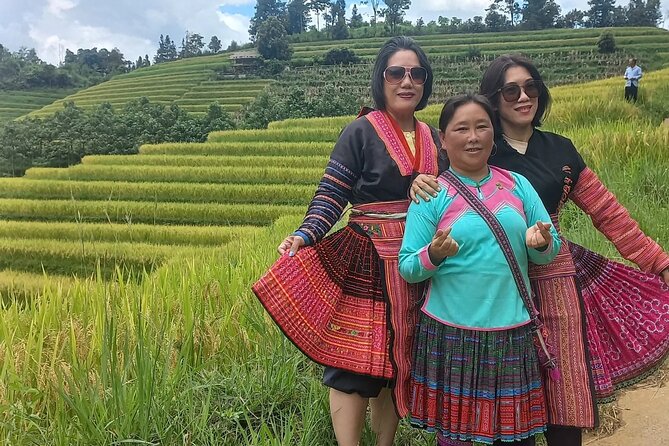
This trek makes the most sense if you want:
- Culture with real people behind it (not just a photo stop)
- Guided context while you hike—rice fields, villages, and park trails explained in plain language
- A homestay overnight with real comfort (hot shower and private room setup mentioned)
- A private, flexible route rather than a rigid tour bus schedule
Skip it (or choose a lighter option) if you:
- Hate long walking days or steeper trail segments
- Can’t handle cold damp conditions
- Want only panoramic viewpoints with minimal walking
Also, if you’re traveling solo, you can still book the private experience. The key is comfort with moderate hiking and the fact that weather will heavily shape your views.
Should you book this Sapa trekking with Hmong families?
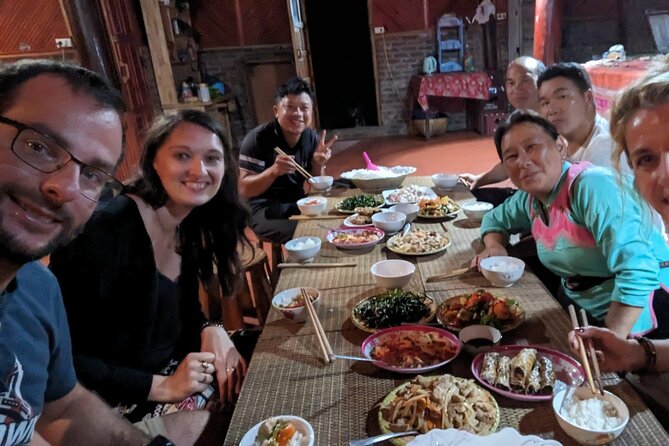
If you like trekking with meaning, yes, book it. The strongest reasons are simple: a guide who knows the valley and people, walking through multiple real villages (Y Linh Ho, Lao Chai, Ta Van), and a homestay that doesn’t leave you miserable at night. The park day adds variety—forests and waterfalls instead of only rice terraces.
But book with eyes open. Weather can reduce the mountain-view wow factor, and Day 2 is a long walking day in Hoang Lien National Park. If you’re okay with that trade, this is one of the more value-for-experience ways to see Sapa beyond the usual tourist loop.
FAQ
What’s the meeting point and start time?
You’ll meet at Sapa Church (P. Hàm Rồng, TT. Sa Pa, Sa Pa, Lào Cai, Vietnam). Start time is 8:30am.
Is pickup available?
Pickup is offered, and the meeting point is near public transportation, so you should be able to arrange arrival fairly easily.
How long is the trek and is there an overnight?
It’s about 2 days with 1 night. Day 1 includes trekking to Ta Van with a homestay, and Day 2 continues trekking after breakfast.
Which places will we walk through?
You’ll head to Y Linh Ho village, trek to Lao Chai for lunch, reach Ta Van for your homestay night, and then trek in Hoang Lien National Park.
Do I need to be very fit?
The tour lists a moderate physical fitness level. It’s described as customizable to different ages and athletic abilities, but you should still be ready for sustained hiking.
Are admission tickets included?
Admission is described as free for the Ta Van portion, and admission is included for the Hoang Lien National Park trekking.
What happens if the weather is bad?
This experience requires good weather. If it’s canceled due to poor weather, you’ll be offered a different date or a full refund.