REVIEW · HIKING & TREKKING
Sapa 1 Day Trekking
Book on Viator →Operated by Asia Travel Legend · Bookable on Viator
Sapa has a way of making a short day feel long—in a good way. This 1-day Sapa trek strings together Y Linh Ho and several hill-tribe villages with a guide, lunch, valley entry, and transport back to town. It’s built for people who want real foot-on-the-ground time without turning the day into a logistics headache.
What I like most is the mix of scenery and village walking, plus the fact that you get lunch in a local restaurant instead of a random snack stop. You also get the valley entrance fee and transportation handled, so you can stay focused on the trail and the people along the way. One consideration: the walking is the point, so if you want a totally low-effort day, you’ll need to tell your guide your limits upfront.
In This Review
- Key things that make this Sapa 1-day trek worth your time
- Why the 9AM to 3PM Y Linh Ho route makes sense in Sapa
- Getting from Sa Pa onto the trail: transport and meeting details that reduce stress
- Y Linh Ho and the valley entry fee: what you get before the villages
- Ta Van Village: the kind of walking that turns into real conversation
- Giang Ta Chai Village: more time on foot, more chances to understand the hill tribes
- Hang Da Village: a shorter visit that still adds texture to the day
- Lunch in a local restaurant: why included food is more than convenience
- The guides: flexibility, pacing, and those small cultural insights
- Price and value: what $70.84 actually buys you
- What to bring for Sapa: the stuff that saves your feet and your mood
- Who this Sapa 1-day trek fits best
- Should you book Sapa 1 Day Trekking?
- FAQ
- How long is the Sapa 1-day trekking experience?
- Where does the tour start and end?
- Is lunch included?
- What’s included in the tour price?
- Is pickup available?
- Can I get a refund if I cancel?
Key things that make this Sapa 1-day trek worth your time
- Village-to-village walking rather than just a viewpoint circuit
- A guide who can adjust the route to match your pace and comfort
- Lunch included at a local restaurant, so you’re not hunting for food halfway through
- Valley entrance fee + return transport wrapped into the price
- Private tour feel: only your group participates
- Strong guide track record, with names like Lily, Cho, Mao, Sy, Cha, Chi, Zao, and Lee showing up again and again
Why the 9AM to 3PM Y Linh Ho route makes sense in Sapa
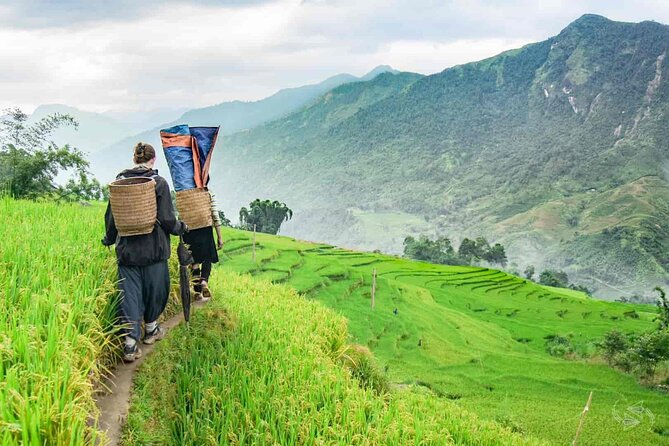
Sapa rewards people who move a bit. If you only have a day, this kind of route gives you a full taste of the area: starts with a trail feel outside town, then shifts into village life on foot, and ends back in Sa Pa without you needing to figure out buses, junctions, or ticket lines.
This tour runs about 8 hours (roughly 9:00am to 3:00pm), which is long enough to feel like an experience, not a cameo. You’ll also get a clear structure: walking blocks in villages, one main early trail segment, and a return to Sapa Town after you finish.
And the private setup matters. When it’s just your group, your guide can slow down for questions, pause for photos, and handle the pace without herding strangers into a line.
You can also read our reviews of more hiking tours in Sapa

Getting from Sa Pa onto the trail: transport and meeting details that reduce stress
Your day begins and ends in Sa Pa, Lao Cai, Vietnam. Pickup is offered, and the activity is described as being near public transportation, which is helpful if you’re not staying in the exact center of town. You’ll start at 9:00am, so it’s a proper morning plan rather than a late start.
Two practical things I appreciate here:
- Mobile ticket: you don’t have to scramble for printed vouchers.
- Return transport back to Sapa Town: you’re not stuck trying to catch a ride after you’ve worked up an appetite and some tired legs.
If you hate rushing, make your morning easy. Go in fed, with water ready. Since lunch is included, you don’t need to pack a full meal—but you do want to avoid arriving hungry, because the first walking segment starts early in the day.
Y Linh Ho and the valley entry fee: what you get before the villages
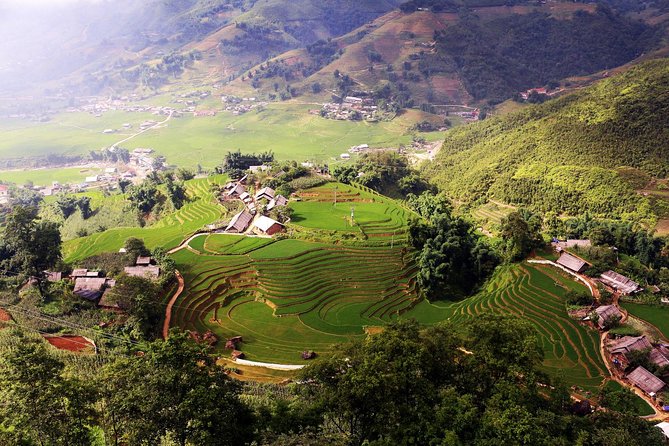
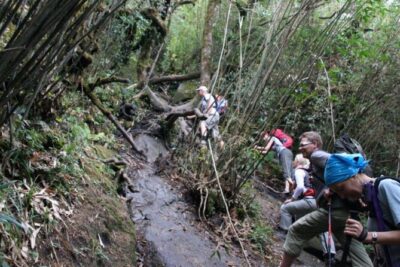
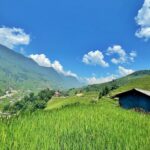
The first stop is Y Linh Ho. This is usually where the trip shifts from town routine into mountain rhythms. You’re heading into the kind of Sapa terrain that makes you notice the air, the slope, and how the path changes as you gain or lose height.
Two details are included that you’ll feel in a good way:
- Entrance fee to the valley
- Transportation back to Sapa after your trek
That means less time spent paying at odds-and-ends ticket points and more time spent moving and learning. On a day like this, that’s value. It’s not just a cost line item—it’s time you keep for walking and conversation.
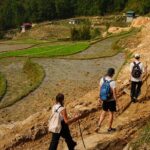
Also, it helps to know the guides in this program focus on meaningful route choices. For example, some guide styles highlighted in past trips mention walking that prioritizes rice fields and bamboo forests rather than keeping you stuck only on wide roads. If that matters to you, bring it up right away in the morning, even if you don’t get to choose the exact route.
Ta Van Village: the kind of walking that turns into real conversation
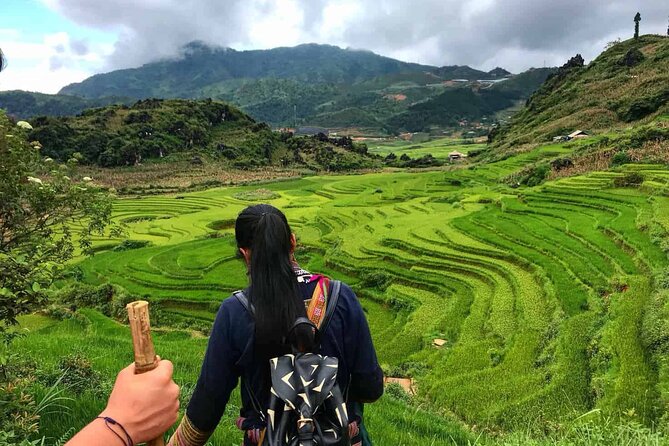
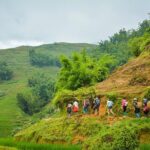
Next up is Ta Van Village, with about 2 hours allocated. That’s a solid block of time. It’s long enough to look around, ask questions, and actually watch daily life rather than doing the quick stop-and-snap routine.
What makes Ta Van valuable on a 1-day trek is the balance. You’re not just ticking a cultural box; you’re walking through the rhythms that shape how people live and move through the valley. With two hours, you can linger where it makes sense and still stay on track for the rest of the day.
Practical tip: keep your questions simple. Ask how people manage farming or day-to-day chores. In earlier days on this trek, guides like Cho were praised for helping guests connect village life with what they were seeing on foot. You’ll get more out of your visit by tying questions to the scenery and the work you notice.
Giang Ta Chai Village: more time on foot, more chances to understand the hill tribes

Then comes Giang Ta Chai Village, again with about 2 hours. This is another segment that benefits from time. When you have two different village stops, the contrast helps your brain do its job. You start noticing differences in how villages are arranged, what people focus on, and how communities carry culture into everyday tasks.
A guide can make this stage especially good. Some experiences on this trek highlight guides explaining local culture and ways of living, not just reciting facts. You’ll often get better answers when you slow down and let the guide set the pacing.
If you have knee trouble or you’re building a route around health limits, this part is where communication matters most. Past participants shared that their guide suggested adjusting the difficulty and route choice when someone needed a more suitable pace. The lesson is simple: if you want a route that doesn’t beat you up, tell your guide during the morning planning, not after you’ve already started hurting.
You can also read our reviews of more tours and experiences in Sapa


Hang Da Village: a shorter visit that still adds texture to the day

Hang Da Village is listed as about 1 hour. That shorter time slot helps the day stay realistic and keeps you from feeling like the entire afternoon is one long village circuit.
Think of Hang Da as the closer. You’ll likely have enough energy left to look around and absorb the atmosphere without feeling totally wiped. It also helps you finish the day with a sense of progression: you moved from the early valley walking into villages with longer stops, and now you wrap with a final, lighter contact point before returning.
When time is shorter, your priorities should be sharper. If you want photos, pick the best moments. If you want cultural understanding, ask one or two thoughtful questions and stick with them rather than collecting ten random answers.
Lunch in a local restaurant: why included food is more than convenience

Lunch is included, and it’s served in a local restaurant. On paper that’s a checkbox. In reality, it changes the whole day.
When lunch is included, you avoid one of the most common trek problems: being cold, tired, and then stuck waiting while someone else orders. Here, you’re planned for food at an appropriate break point.
A guide-led experience often adds value to lunch beyond calories. Some past days on similar Sapa treks were described with warmth around welcoming guests into local homes to eat, so even if your exact day follows the restaurant format, you can expect the guide to treat food as part of the cultural experience rather than a rushed fuel stop.
What to do: don’t show up starving, but also don’t assume you’ll be eating right at the first village stop. Bring water and plan for a mid-day meal that keeps you going through the last segment.
The guides: flexibility, pacing, and those small cultural insights
The most consistently praised part of this experience is the guide. Names showing up include Lily, Cho, Mao, Sy, Chi, Cha, Zao, and Lee—and the common thread isn’t just friendliness. It’s adjustment and explanation.
Here’s what that looks like in practical terms:
- Guides can be flexible if your time in Sapa is tight.
- Guides can match the day to your priorities, like focusing on rice fields and bamboo forest scenery.
- If health issues pop up, your guide may suggest a different route level or approach so the day stays possible.
If you want the best chance of a comfortable, satisfying trek, ask your guide simple questions early:
- What parts of the walk will feel the most steep?
- Can we keep a steady pace for breaks?
- What’s the best time to look for the scenery you care about?
English quality came up in multiple highlights, including praise for guides with very good English. Still, you’ll get more out of the day if you’re ready to communicate with warmth, not perfection.
Price and value: what $70.84 actually buys you
The price is $70.84 per person for about 8 hours. That number looks reasonable when you break down what’s included:
- Guide
- Lunch
- Valley entrance fee
- Transportation back to Sapa Town
- Admission ticket included (as listed)
The value is in bundling. A day trek in the mountains costs money not just for the guide, but also for entry fees and transport. If you tried to stitch this together yourself, you’d probably spend time coordinating rides and paying separate fees while trying to keep your day from unraveling.
Also, this is a private tour (only your group participates). Private access typically costs more than group tours, so the fact that meals and logistics are included helps justify the price.
One caution on value: since drinks are not included, plan on extra spending for water or other beverages. You’ll feel it less if you come prepared and keep hydration simple.
What to bring for Sapa: the stuff that saves your feet and your mood
Nothing in the provided details says what you’ll need to pack, but you can still plan smart because this is a real trek with multiple village stops and outdoor walking time.
I suggest you come with:
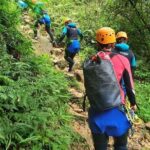
- Good walking shoes (the trail can be uneven)
- A rain layer or light shell (weather in Sapa can change fast)
- A small day bag for water and essentials
- A light layer for mornings and cooler valley air
One past participant jokingly mentioned avoiding mud-related surprises when paths were dry, which is a funny way to say: conditions can vary. If you expect mixed weather, pack like you’ll need traction and a way to stay dry.
Who this Sapa 1-day trek fits best
This trek is a good match if you:
- Want a complete day plan without figuring out transport and entry fees
- Like a mix of scenery + village walking
- Prefer a private experience where your guide can match your pace
- Have the energy for sustained walking over a full morning into early afternoon
It’s also a workable choice for many people because it’s described as most travelers can participate, with the guide able to help shape the day. If you’re returning from injury or you have knee or arthritis concerns, communicate early. One highlighted experience included switching route difficulty because the easier option was more road-based and not what the participant needed.
Should you book Sapa 1 Day Trekking?
Book it if you want a structured, guided Sapa day that balances real walking with real village time—and you don’t want to spend your day managing tickets, transport, and hunger. The included lunch, the valley entry, and the return to town are the kind of details that turn a good trek into a smooth one.
Skip (or ask for route adjustments) if you’re looking for a gentle, mostly flat stroll. This is a trekking day, and even with guide flexibility, you should expect real walking as the core activity.
If your priority is understanding hill-tribe life through the places you walk through—starting from Y Linh Ho and moving through Ta Van, Giang Ta Chai, and Hang Da—this is the kind of experience that can make Sapa feel personal in just one day.
FAQ
How long is the Sapa 1-day trekking experience?
It runs for about 8 hours, starting at 9:00am and finishing back at the meeting point in Sa Pa around 3:00pm.
Where does the tour start and end?
It starts in Sa Pa, Lao Cai, Vietnam and ends back at the same meeting point.
Is lunch included?
Yes. Lunch at a local restaurant is included in the price.
What’s included in the tour price?
Included items are the guide, lunch, entrance/valley fees, and transportation back to Sapa. Admission ticket is also listed as included.
Is pickup available?
Pickup is offered. The meeting point is in Sa Pa, and the activity is described as being near public transportation as well.
Can I get a refund if I cancel?
No. This experience is non-refundable and cannot be changed for any reason. If you cancel or request an amendment, the amount you paid will not be refunded.