REVIEW · SAPA
Fansipan Summit Challenge
Book on Viator →Operated by Green Sapa Trekking · Bookable on Viator
Fansipan is the real deal. This is a full-day summit challenge built around hiking Mount Fansipan (3,143 m), the highest point of Indochina, on rugged trails through Hoàng Liên National Park—not the cable-car shortcut. You’ll move from misty forest to bamboo and open ridges as the view expands across the mountain spine of northern Vietnam and beyond.
I love how this route actually feels like an adventure. You get long stretches where the path is doing the work—rainforest shade at lower elevations, bamboo corridors mid-climb, then alpine meadows as you gain height. I also love the structure, especially the 2,800 m picnic lunch, where you pause in crisp mountain air with wide panoramas before the final push.
The main drawback is simple: it’s not a casual outing. You’re looking at about 10 hours of trekking and you should have strong physical fitness, plus the experience requires good weather to run.
In This Review
- Key things to know before you go
- Why this Fansipan trek feels different from the cable car
- Setting off from Sapa to Tram Tôn Pass (1,900 m)
- The trek begins: rainforest trails, bamboo groves, and alpine meadows
- Lunch at 2,800 m: fuel, photos, and a psychological reset
- The summit push: reaching Fansipan (3,143 m) and the Roof of Indochina views
- Coming back down through forests and alpine meadows
- Price and value: what $89 buys you on this full-day summit trek
- Who should book the Fansipan Summit Challenge (and who should think twice)
- Should you book this Fansipan Summit Challenge?
- FAQ
- How long is the Fansipan Summit Challenge?
- How much does it cost per person?
- Where does the tour start and end?
- What ticket type is provided?
- What fitness level do you need?
- What’s the group size limit?
- Is lunch included?
- What happens if the weather is poor?
- What is the cancellation deadline?
Key things to know before you go
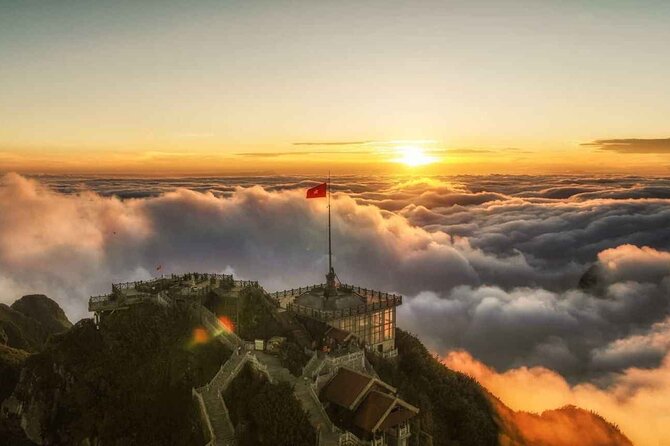
- Highest point of Indochina at 3,143 m: the goal is clear and the payoff is big sky views
- Hoàng Liên National Park terrain: rainforest, bamboo groves, alpine meadows, and changing ridgelines
- Tram Tôn Pass start (1,900 m): your day begins high, with a scenic drive through mountain valleys
- A planned lunch stop at 2,800 m: picnic break timed for fuel and photos
- Small group size: maximum of 9 people, which usually means less waiting on the trail
- Mobile ticket + confirmation at booking: makes it easier to show up and get started
Why this Fansipan trek feels different from the cable car
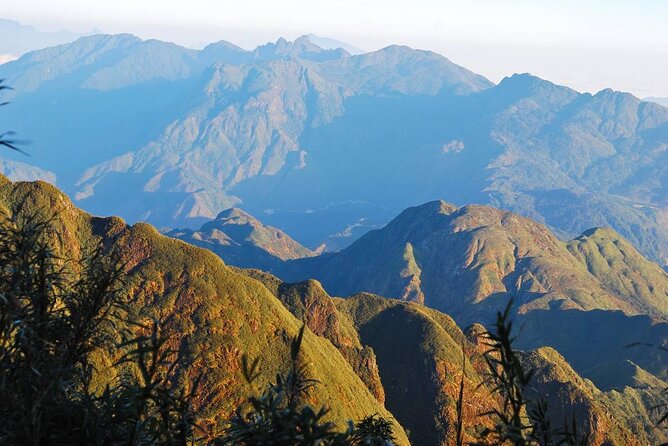
If you’re choosing between Fansipan by chair versus Fansipan on foot, the difference is attitude. This experience is set up as a real trekking route, so the day is about moving through the park rather than rushing straight up and down.
The most rewarding part is the variety. As you climb, you’re not just repeating the same view over and over—you pass through rainforest, bamboo areas, then more open high-altitude terrain. That shift matters because it changes how the hike feels each hour: cooler and greener at the start, then clearer skies and broader sightlines as you rise. Even the goal—the Roof of Indochina—is more satisfying when you’ve earned it with steady effort.
Also, you’ll be guided. That’s not just about staying on a path. A good guide helps you pace, keeps the group moving sensibly, and shares facts about the plant life and the ecosystem you’re moving through.
Practical take: if you want a big summit photo, sure. If you also want a day that feels like you actually traveled through the mountains, this style is the better match.
You can also read our reviews of more tours and experiences in Sapa.

Setting off from Sapa to Tram Tôn Pass (1,900 m)
Your day starts at Green Sapa Homestay on Nguyễn Chí Thanh in Sa Pa, and you’ll end back at the same spot. That makes planning your evening easier since you’re not stranded across town after a long hike.
The first act is the scenic drive to Tram Tôn Pass (1,900 m), described as the highest mountain pass in Vietnam. This is a smart way to begin because it gets you into the mountains quickly, before your legs even have time to protest. The ride also helps you understand the geography—deep valleys, steep ridges, and the sense that you’re entering a whole different world than the Sapa streets.
You’ll also see how the day is organized. The tour includes admission tickets at each stop, and Tram Tôn Pass specifically lists an admission ticket as free. That means you’re not hunting for entry fees or figuring out which line is the right one once you arrive.
What to watch for: a pass-day drive can be misty. If the weather is damp, the lower trails may feel slippery and slick, so plan to move carefully right from the start.
The trek begins: rainforest trails, bamboo groves, and alpine meadows
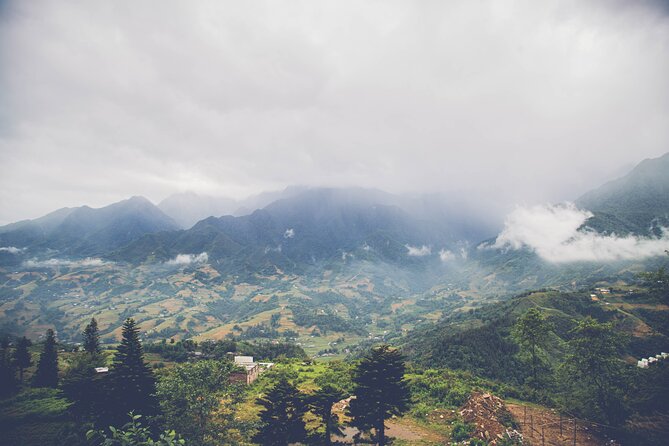
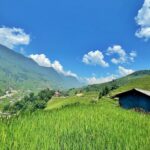
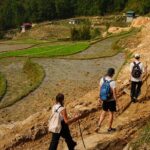
After Tram Tôn Pass, the route pushes into the heart of the hike. You start trekking through lush rainforest, then you pass through bamboo groves and continue across calmer alpine meadows as you climb. This is one of the best parts of the itinerary because it keeps changing the “scene” you’re walking through.
This is also where your guide can add value. The experience is designed around the park’s ecosystem, with opportunities to spot unique flora and wildlife along the way. Even if you’re not a plant expert, having someone point out what you’re actually looking at makes the hike feel less like walking and more like learning.
Time-wise, the early trek is planned around a couple of hours at first, so you can settle into rhythm instead of sprinting uphill from the gate. Then the day continues with another segment that keeps you climbing steadily toward the lunch elevation.
Small-but-important reality check: this is not flat trekking. Even if you’re used to walking, the combination of altitude gain and mountain footing will work your body. A calm pace matters more than speed.
Lunch at 2,800 m: fuel, photos, and a psychological reset
At around 2,800 meters, you stop for a picnic lunch. This is one of the key design choices in the day, because lunch isn’t treated like a time filler—it’s treated like a mid-mountain checkpoint.
The lunch stop is listed as included, and the description highlights that you’re surrounded by crisp mountain air and panoramic views stretching over peaks and valleys. That matters because at this point you’re far enough into the climb that the view has meaning. You get to breathe, look around, and reset your energy before the final summit section.
From the rhythm of the day, this break also helps you mentally. You’ve already put in effort to reach this altitude. Once you eat, you can focus on the last stretch without feeling like the hike is only suffering the whole way.
How to use this stop well:
- Eat enough to keep moving, not just enough to satisfy hunger.
- Take a few photos, but also take a minute to cool down and regroup.
- Hydrate. A summit push is easier when your body isn’t running on fumes.
The summit push: reaching Fansipan (3,143 m) and the Roof of Indochina views
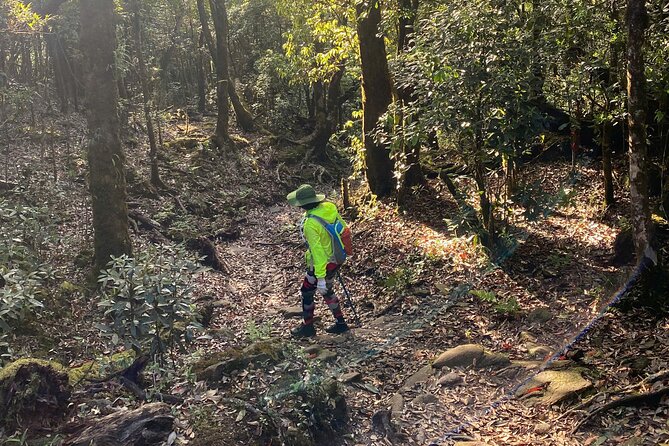
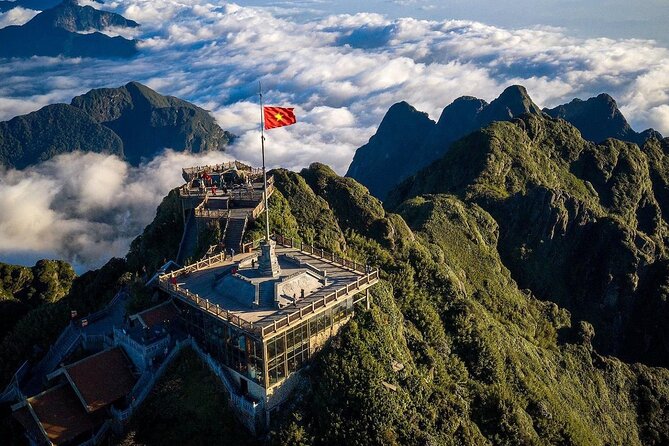
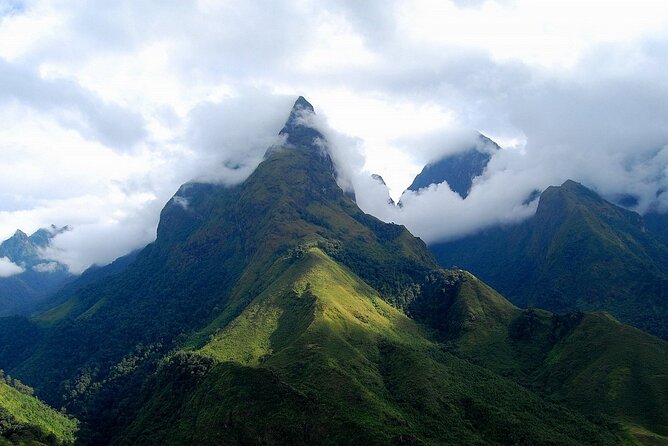
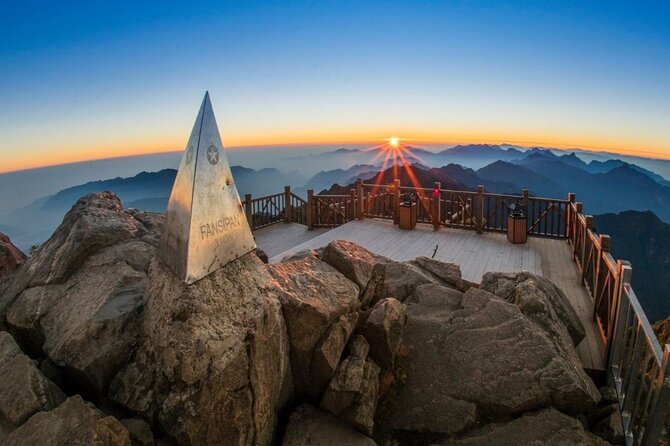
The climb continues through dense bamboo forests and rugged mountain paths until you reach the Fansipan Summit at 3,143 m, known as the Roof of Indochina. This is where the day’s story lands.
The summit payoff is described as panoramic views reaching across Vietnam and stretching toward Laos and China. That long reach is part of what makes Fansipan so famous: on clear days, it feels like the mountains keep stacking in every direction. And after hiking your way up through forest and bamboo, those views don’t feel like a postcard moment—they feel like the logical result of your effort.
In practice, a summit climb like this can be physically demanding, and you’ll want to trust the pace your guide sets. One of the most praised strengths of this experience is how the guide helps keep people motivated and safe. That often shows up as better pacing, more sensible breaks, and guidance that prevents the group from burning out too early.
Note on expectations: the last part can feel tougher than you anticipate. That’s normal for a mountain summit trek. The win is that the route is built to get you there with a structured approach—drive in, climb steadily, lunch at a high point, then summit.
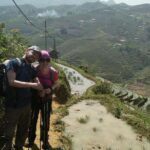
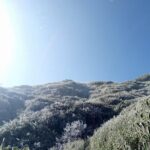
Coming back down through forests and alpine meadows
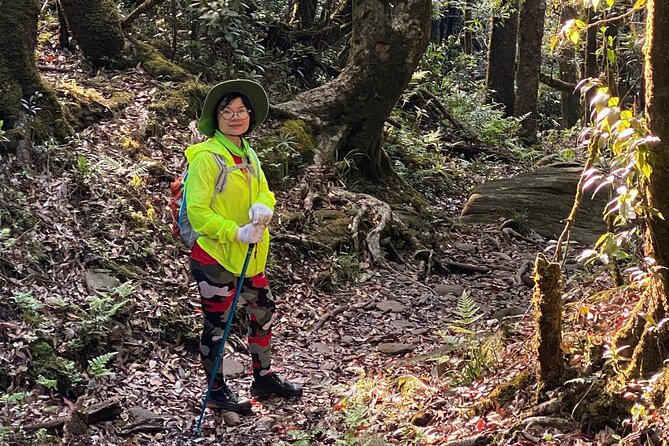
After the summit, the day shifts into descent. You begin a more gentle walk through tranquil forest sections and wide-open alpine meadows, with time to explore the rainforest ecosystem along the way.
The itinerary gives a longer descent segment (around 3 hours), which makes sense. Downhill is still work—your legs feel it in a different way—and a longer descent allows the group to keep moving without rushing. It also gives you time to enjoy the scenery you might not have fully noticed on the way up.
The tour then includes a transfer back to Sapa Center, where the experience ends back near the meeting point. That is a practical finish after a 10-hour day: you’re not stuck figuring out transport after you’re tired.
Real-world tip: on the way down, keep your steps careful. Mountain trails can be tricky even when the view is stunning.
Price and value: what $89 buys you on this full-day summit trek
At $89 per person for about 10 hours, the value here comes from the total package, not just the view.
Here’s what you’re paying for:
- A guided route designed to reach 3,143 m on trekking paths through Hoàng Liên National Park
- Small group size (maximum 9), which can reduce delays and make the hike feel more manageable
- A day plan that includes ticketed elements at key stops, with admissions listed as free at the major segments
- A picnic lunch included at 2,800 m, which is a big cost saver compared with buying food on the go
If you’re comparing alternatives, cable car options may look cheaper at first glance. But you’re not comparing the same product. A summit hike like this is about time outdoors, guided interpretation of the ecosystem, and a full mountain day with defined checkpoints.
When the price makes sense: if you want the authentic trek experience and you’re physically ready to do it, this is a straightforward, honest value for what’s included.
Who should book the Fansipan Summit Challenge (and who should think twice)
This tour is best for people with strong physical fitness and a willingness to spend nearly the entire day on mountainous terrain. If you know you get winded quickly on hills, or you prefer shorter, lower-effort hikes, you’ll likely find this too demanding.
On the other hand, it’s a great fit if you:
- Want Fansipan as a hike, not a ride
- Like changing scenery hour to hour: rainforest, bamboo, and open ridges
- Appreciate a guide who keeps the group moving and gives context about what you’re seeing
Weather is another deciding factor. The experience requires good weather, and the tour can be canceled if conditions aren’t suitable. That means you should plan Sapa with some flexibility if possible.
Packing and comfort (practical but important): even when the route is planned well, your comfort will depend on your own gear and footwear. Use sturdy hiking shoes and dress for cool mountain air. Bring layers, because mountain weather tends to change fast.
Should you book this Fansipan Summit Challenge?
Book it if you want the Fansipan experience that actually uses the mountains—trekking through Hoàng Liên National Park, hitting Tram Tôn Pass at 1,900 m, stopping for lunch at 2,800 m, and finishing at 3,143 m with wide-reaching summit views.
Think twice if you’re short on stamina, you hate long uphill days, or you’re traveling at a time when weather uncertainty would break your schedule. This is a true hiking challenge, and it rewards effort.
If you do book, you’ll get a well-paced day with a small group size, included lunch, and a guide who makes the hike feel safer and more purposeful. For many people in Sapa, that turns Fansipan from a must-see into a memory that sticks.
FAQ
How long is the Fansipan Summit Challenge?
The tour runs for about 10 hours.
How much does it cost per person?
It costs $89.00 per person.
Where does the tour start and end?
It starts at Green Sapa Homestay (3-1, Nguyễn Chí Thanh, TT. Sa Pa, Sa Pa, Lào Cai 31752, Vietnam) and ends back at the meeting point.
What ticket type is provided?
You receive a mobile ticket.
What fitness level do you need?
The activity is listed as requiring strong physical fitness.
What’s the group size limit?
The tour has a maximum of 9 travelers.
Is lunch included?
Yes. A picnic lunch at around 2,800 meters is included.
What happens if the weather is poor?
This experience requires good weather. If it’s canceled due to poor weather, you’ll be offered a different date or a full refund.
What is the cancellation deadline?
You can cancel for free up to 24 hours in advance for a full refund. If you cancel less than 24 hours before the start time, the amount paid will not be refunded.