REVIEW · SAPA
Daily Experience Authentic TaPhin Valley &Traditional Herbal bath
Book on Viator →Operated by Vietnam Nomad Trails · Bookable on Viator
A herbal bath after rice-terrace walking sounds odd. In Sapa, it works: you get a Ta Phin Valley day trek plus a traditional herbal soak. It’s a full morning-to-afternoon mix of village time, rice terraces, and practical local culture.
I love two things most. First, the shift from Suoi Ho with the Black Hmong to Ta Phin with the Red Dzao gives you a real sense of how different communities live so close together. Second, the guides matter a lot on this route, and names you may meet like Su and Như stand out for explaining customs and everyday life in a way that’s easy to follow.
One consideration: the walking is not for brand-new shoes. You’ll be on dirt trails and paths through bamboo, so bring sturdy footwear and plan for a workout pace and sweat, even if the day stays friendly and guided.
In This Review
- Key highlights at a glance
- Suoi Ho to Ta Phin: what this day tour is really like
- Pickup in Sapa and the Suoi Ho village start
- Rice terraces on dirt trails: what to expect on the hike
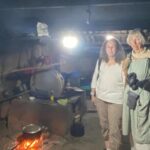
- The lunch stop hosted by a local family
- Bamboo forest trekking to Ta Phin and the Red Dzao village stroll
- The traditional herbal bath: why it feels worth it
- Price and logistics: how $39 stacks up for this kind of day
- Who this tour suits best (and who should think twice)
- The small details that make this day smoother
- Should you book Vietnam Nomad Trails for Ta Phin Valley and the herbal bath?
- FAQ
- How long is the Ta Phin Valley and herbal bath experience?
- Where does pickup happen?
- What’s included in the $39 price?
- What should I bring for the trek?
- Is the herbal bath included, or do I pay extra?
- What if the weather is bad?
- What group size should I expect?
Key highlights at a glance
- Suoi Ho village with the Black Hmong: daily life first, before you hit the trails
- Rice-terrace hiking (and possible plantation moments): timing can change what you’re able to see
- Lunch hosted by a local family: a real meal stop, not just a roadside break
- Bamboo forest trek to Ta Phin: cooler, quieter walking after the open fields
- Traditional herbal bath: Red Dao–style soaking as part of the experience
- Small group cap of 9: easier conversation and less rushing
Suoi Ho to Ta Phin: what this day tour is really like

This is one of those Sapa half-days that feels full because it’s built around people, not just scenery. You start in the early morning and move through two major ethnic areas: Black Hmong in Suoi Ho and Red Dzao in Ta Phin. Between them, you get rice terraces, bamboo forest walking, and a sit-down lunch with a local family.
The day is also designed to keep you moving, but not stranded. You’ll have an English-speaking guide, an air-conditioned vehicle for the transfers, bottled water included, and admission fees covered. That means you can focus on the walk and the cultural stops instead of constantly figuring out logistics.
And then there’s the herbal bath. It’s the part that sounds most unusual until you see the logic: after hiking, you end the day with a traditional soak tied to local practice. If you’re tired but curious, this is the right kind of finish.
You can also read our reviews of more tours and experiences in Sapa.

Pickup in Sapa and the Suoi Ho village start
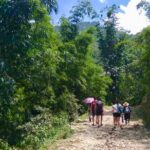
Morning pickup runs around 8h30 to 8h45 from your hotel in Sapa. It’s a good start time for a day trek because you’re not competing with the loudest crowds later in the day, and you have time for the full route without rushing the herbal bath.
From there, your first big moment is the hike to Suoi Ho village, home to the Black Hmong. You don’t just pass through. You’ll get a chance to explore the village and see day-to-day life up close. Think of it as walking through a living neighborhood: homes, small routines, and the visible rhythm of people who’ve lived here for generations.
This part also sets the tone for how the guide will work. In the better-guided versions of this tour, guides like Su and Như are praised for communicating clearly and explaining customs in plain terms, so you’re not left guessing what you’re seeing.
One practical note: village exploring takes time, but it stays unhurried. Wear something comfortable for walking and keep your hands free for photos.
Rice terraces on dirt trails: what to expect on the hike
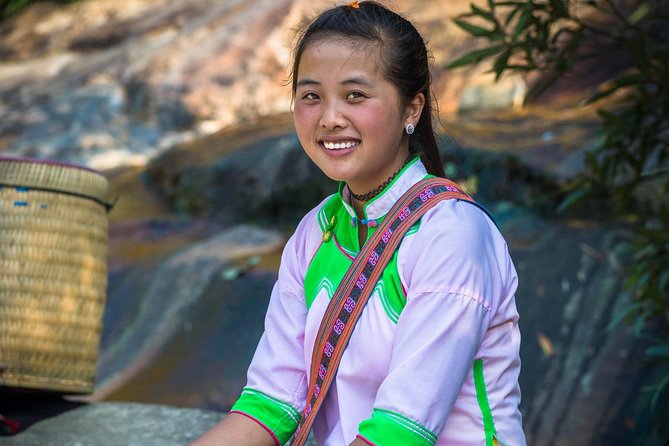
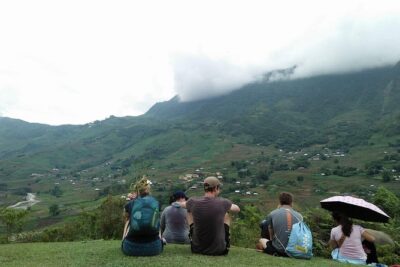
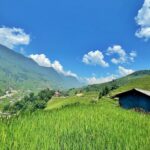
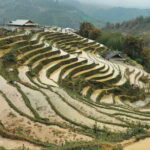
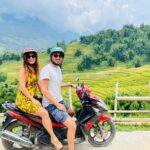
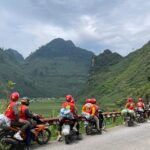
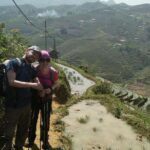
After Suoi Ho, the route shifts onto a dirt trail with rice terraces stretching out around you. This is where your eyes start doing a workout. Rice terraces in Sapa are famous, but what matters on the trek is how you experience them: walking beside them, noticing how the paths and water systems shape everyday movement.
Your guide may also time the day based on seasonal work. If your trek happens during rice planting, you might be able to join or observe plantation activities. That’s a big deal for value because you’re not only looking at farmland, you’re seeing it in action.
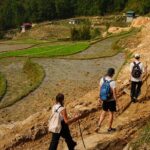
Expect a mix of easy-to-moderate walking and uneven ground. Even if you’re not doing a hard summit climb, you’ll still feel the day in your legs because trails here are rarely flat. If you hate slipping on wet soil, you’ll appreciate sturdy soles and careful foot placement.
The lunch stop hosted by a local family
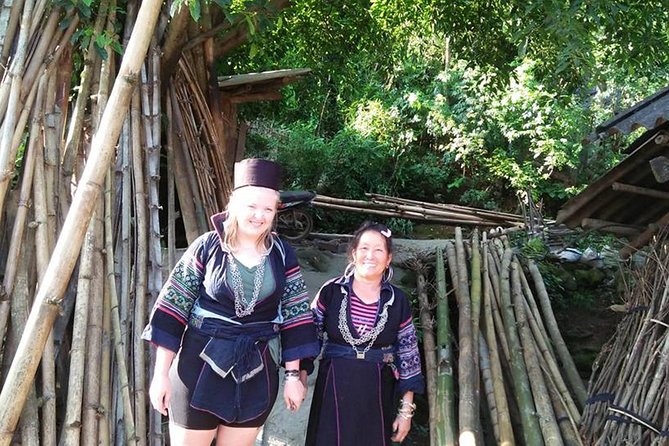
Lunch is hosted by a local family at a nice spot during the day. This is one of the best parts to bet on because you’re not eating at a generic tourist stop. You’re getting a meal built into the community rhythm, which usually means more warmth and better context from your guide.
Also, since lunch is included, you don’t have to scramble for cash or decide where to eat while you’re tired. For $39, that’s a meaningful value point: meals and admission fees are often the first things that quietly add up on Southeast Asia day trips.
What to bring here is simple: a willingness to eat what’s offered and to ask questions. If you’re curious, this is also a good time to ask your guide what you’ve been seeing on the walk, from village customs to how people work the fields.
Bamboo forest trekking to Ta Phin and the Red Dzao village stroll
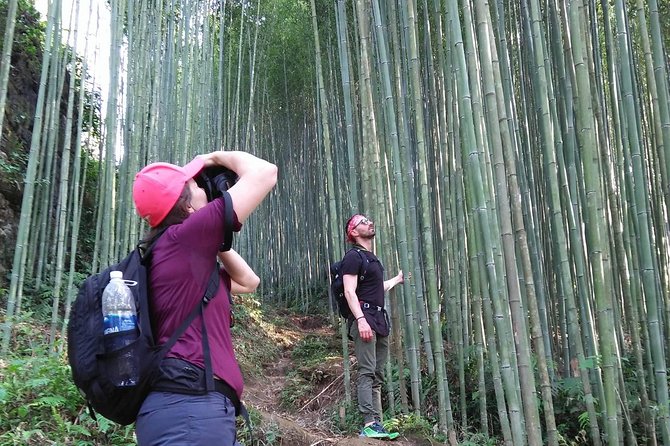
After lunch, the day turns greener and quieter with a trek through bamboo forest. The bamboo section gives your body a bit of variety after open-terrace walking. Visually, it tends to feel calmer, and you’ll likely notice a shift in sounds and light under the stalks.
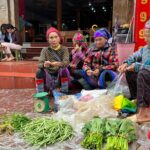
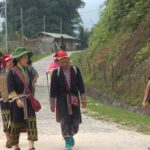
Then you arrive at Ta Phin, inhabited by the Red Dzao minority. Like the Black Hmong stop earlier, this isn’t just photo time. You’ll stroll through the village and discover daily life. Your guide will help connect what you see to customs and routines, which is the difference between a random visit and a meaningful one.
This is also where the tour’s theme becomes clear: you’re seeing two of the largest ethnic groups in Sapa in one day. That comparison can be surprisingly powerful. You see how culture shows up not in big speeches, but in clothing, home patterns, work habits, and how people interact with the land around them.
If you like conversations, don’t be shy. A good guide will steer you toward questions you can actually ask on the spot, instead of just listing facts you forget ten minutes later.

The traditional herbal bath: why it feels worth it
Your day ends with a traditional herbal bath linked to the Red Dao community. This is included in the price, so you’re not left deciding at the end if it’s worth extra money. It’s also timed well. After hours of walking, your body wants a reset.
While the exact herbal mix isn’t described in the details you provided, you can still understand the appeal. Herbal baths in this context are about traditional practice and comfort, and they fit the tour’s overall idea: learn local habits, then experience one of the rituals tied to health and everyday life.
This is also where the best guides shine. If your guide is like Niou, who is praised for enthusiasm and sympathy when introducing villages and rice fields, you’ll likely get a clear, respectful explanation of what the bath is and what to expect before you step in. That’s important because herbal baths can feel intimidating if you don’t know what the process will be like.
Practical advice: keep modest clothing in mind for the bath area (your guide will point you to what to do), and bring a small towel if you’re the type who likes being prepared. Bottled water is included, but it’s still a good idea to sip regularly during the trek.
Price and logistics: how $39 stacks up for this kind of day
At $39 per person for a 6 to 7 hour experience, the value comes from what’s bundled. You get:
- pickup from your hotel area in Sapa
- an English-speaking guide
- air-conditioned vehicle transport
- admission fees
- lunch
- a traditional herbal bath
- bottled water (1L per person)
The hidden value is the pacing. Instead of spending your day managing segments—finding a driver, paying for entry separately, hunting for lunch, then booking the bath later—you get it all connected.
What’s not included is also clear, and you should plan for it:
- soft drinks and personal expenses
- travel insurance
- tips for guide and driver
- possible extra charge for a French guide at departure, case by case
That last point matters if you’re trying to plan a specific language setup. If French is important to you, ask early so you know what extra cost, if any, might be involved.
Finally, the group size is capped at 9. In a small group, you’re less likely to feel like a number, and your guide can slow down when someone has questions or needs a breather.
Who this tour suits best (and who should think twice)
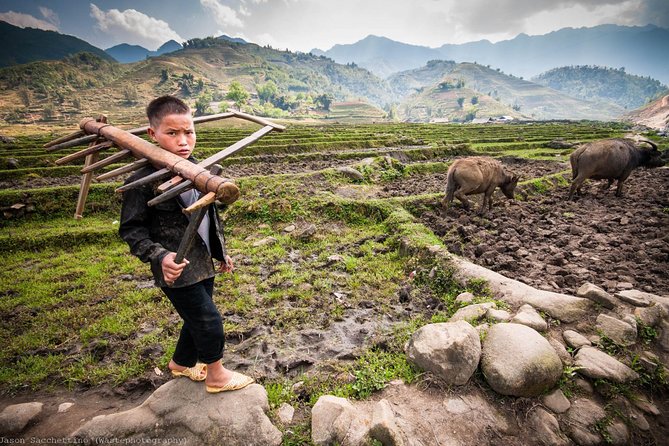
This is a good match if you want an active day in Sapa without going full marathon. The route requires moderate physical fitness, and the walking is continuous enough that you’ll feel it by midday. If you’re comfortable with dirt paths, some uneven ground, and bamboo forest trekking, you’ll be fine.
You’ll also enjoy it more if you care about cultural context. This isn’t just a “stand and look” sightseeing route. It’s built around village life and customs, with a guide who helps interpret what you’re seeing.
If you hate anything involving stairs, slippery trails, or getting a little sweaty, you might prefer a gentler option in Sapa. The herbal bath helps the soreness later, but it doesn’t replace the need for suitable footwear and realistic expectations.
The small details that make this day smoother
A few things make this tour easier to trust on paper:
- Mobile ticket: simple day-of access
- Near public transportation: useful if you need alternatives
- Bottled water included: no mid-trek stress
- Clear time window for pickup: 8h30 to 8h45 gives you a real plan
- Good-weather requirement: the experience depends on conditions
Weather matters in Sapa. If conditions are poor, the tour may be offered on a different date or you’ll receive a full refund. That’s the kind of policy you want for an outdoor trek.
Should you book Vietnam Nomad Trails for Ta Phin Valley and the herbal bath?
I’d book this if you want a single day that connects three things: village life in Suoi Ho (Black Hmong), rice-terrace walking, and Ta Phin (Red Dzao) followed by an included traditional herbal bath. The $39 price makes sense because lunch, admission, the herbal bath, guide time, and transport are already in the package.
I’d pause if you’re looking for a very easy stroll, or if you’re extremely weather-sensitive and don’t have flexibility. The tour runs outdoors and the day’s shape depends on conditions and seasonal timing for farm work.
If you can do a moderate hike and you like culture you can actually talk about while walking, this is a strong pick in Sapa.
FAQ
How long is the Ta Phin Valley and herbal bath experience?
It runs about 6 to 7 hours.
Where does pickup happen?
Your guide comes to pick you up at your hotel in Sapa around 8h30 to 8h45.
What’s included in the $39 price?
Lunch, an English-speaking guide, air-conditioned vehicle, admission fees, a traditional herbal bath, and 1L of bottled water per person are included.
What should I bring for the trek?
You should have moderate physical fitness, and you’ll benefit from comfortable clothing and footwear for dirt trails and bamboo forest walking.
Is the herbal bath included, or do I pay extra?
The traditional herbal bath is included.
What if the weather is bad?
This experience requires good weather. If it’s canceled due to poor weather, you’ll be offered a different date or a full refund.
What group size should I expect?
The tour has a maximum of 9 travelers.