
REVIEW · SAPA
Batik Making in Sa Pa: Learn, Paint & Take Home Your Masterpiece
Book on Viator →Operated by SAIGONESE TREKKING HOUSE · Bookable on Viator
Batik in Sapa is hands-on and fast. In about two hours, you’ll learn Hmong beeswax batik using a tjanting pen, then leave with a personal piece you made yourself. It also connects craft to local income, so your souvenir is doing more than looking pretty.
I especially love that the workshop is guided by a named Hmong instructor, and you’re taught how batik fits Hmong tradition and meaning. I also like the practical side: you create with wax and dye step-by-step, and you don’t need any drawing skills to get started.
One possible drawback: a small number of people have reported serious problems like the main instructor being absent and unfinished work being mishandled. If you’re picky about process and follow-through, you’ll want to be alert and check on your items before you head out.
In This Review
- Key Things That Make This Workshop Worth Your Time
- Where You Start in Sa Pa: Saigonese Trekking House
- What Hmong Batik Is Really About (Beeswax + Motifs + Livelihood)
- The Tools and Technique: tjanting Pen, Natural Wax, and Pattern Making
- Your 2-Hour Session in Sa Pa: What Happens Step by Step
- 1) Welcome, then meet your Hmong instructor
- 2) Hands-on practice with wax and the tjanting
- 3) Your own design based on Hmong motifs
- 4) Dyes and the finishing step
- 5) Drinks during the session and a special token
- Take-Home Results: What You Can Actually Expect to Leave With
- A note on a potential disappointment
- Price, Value, and Group Discounts in Sapa
- Who This Batik Workshop Is Best For
- Booking Smart: Timing, Mindset, and What to Ask
- Should You Book This Batik Making in Sa Pa Workshop?
- FAQ
- Where is the batik workshop meeting point?
- How long is the batik making experience?
- How much does it cost?
- What’s included in the price?
- What isn’t included?
- Do I need previous art or drawing experience?
- Is the group large?
- Do I take my batik artwork home?
- Is there a special gift at the end?
- What’s the cancellation policy?
Key Things That Make This Workshop Worth Your Time
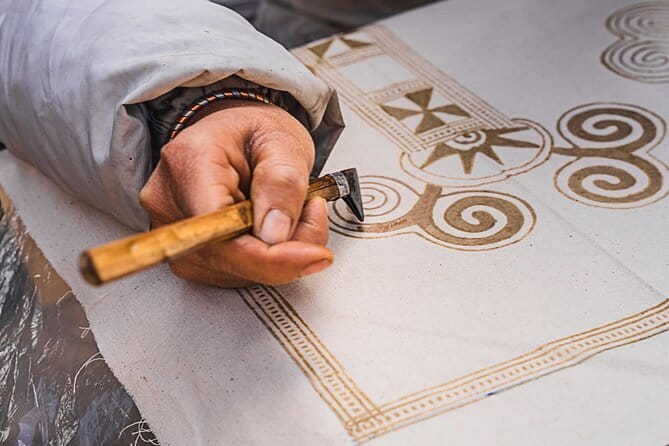
- A real tjanting pen: you learn the traditional tool, not just a demo.
- Beeswax resist technique: you paint with wax to protect areas from dye.
- Hmong motifs with meaning: patterns come with cultural context, not random decoration.
- Small group size (up to 10): more attention during the hands-on part.
- Take-home artwork: you create something you can keep, gift, or frame later.
- Warm welcome touchpoints: coffee and/or tea to start, plus drinks during the session.
Where You Start in Sa Pa: Saigonese Trekking House
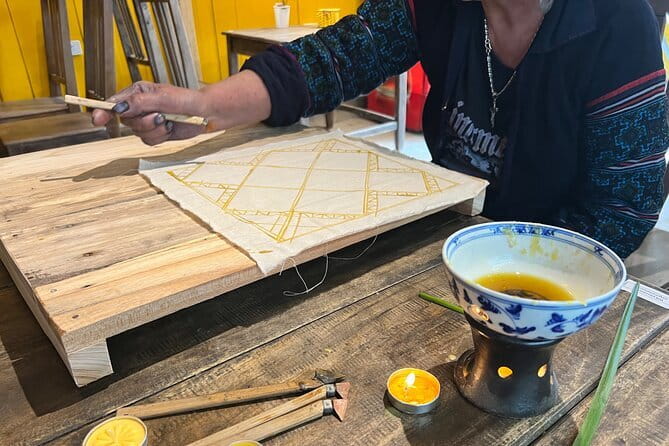
This experience starts at Saigonese Trekking House, at 02 Nguyễn Chí Thanh in the Sa Pa town center area. It’s the kind of meeting point that’s easy to get to once you’re in town—marked as near public transportation—and that matters because you don’t want to waste your limited time in Sapa just finding the right door.
You’ll also start the session with a coffee and/or tea welcome drink. It’s a small detail, but it sets the tone. You’re not dropped into an arts-and-crafts frenzy. You’re eased in, then taught what you’re about to do.
The workshop is run in a group format with a maximum of 10 people, which keeps the energy manageable. With fewer people, your instructor can actually move around and help when you get the wax line wrong (and you will, at first).
If you’re the kind of person who likes clear structure, you should feel comfortable here: the session is designed around learning the wax-painting method, making your patterns, and wrapping up with something you can take home.
You can also read our reviews of more tours and experiences in Sapa.



What Hmong Batik Is Really About (Beeswax + Motifs + Livelihood)
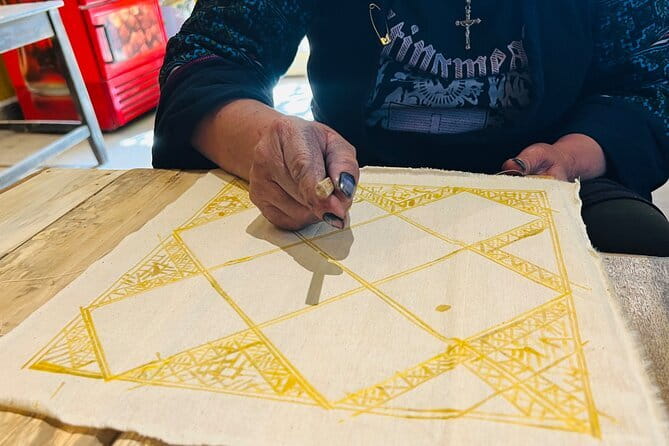
Hmong batik isn’t just a craft activity. The whole point is cultural continuity. Batik connects to heritage, and it also supports economic development for the people teaching and making it. In other words, when you pay for this kind of workshop, you’re helping keep skills alive and supporting household income tied to those skills.
Technically, what you’re doing is a classic wax-resist process. Beeswax acts like a barrier. Where the wax goes, dye won’t fully color those areas in the same way. That’s how the patterns you draw stay crisp and layered rather than turning into one muddy stain.
Culturally, you’ll be guided through Hmong motifs and storytelling. You’re not just making a generic pattern. You’re learning how designs connect to identity and meaning within Hmong tradition. That context is one reason this workshop feels more grounded than a typical souvenir workshop.
Also, there’s a practical side for your future self: after you finish the wax work and dye step(s), you’ll have a tangible reminder of your time in Sa Pa. It’s a better memory than another photo because you’ve physically made it.
The Tools and Technique: tjanting Pen, Natural Wax, and Pattern Making
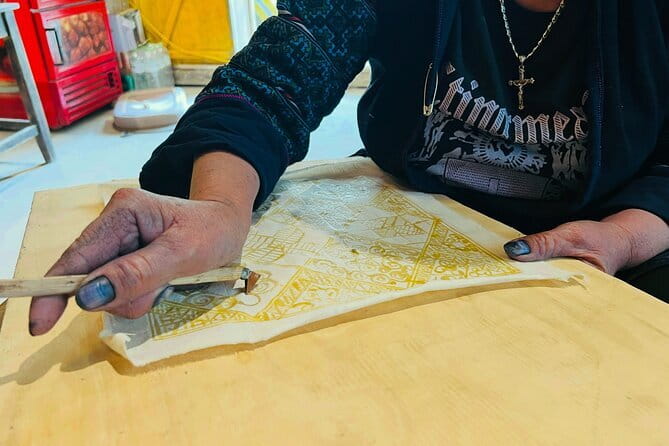
This workshop’s core skill is working with a traditional batik pen called a tjanting. It’s not a magic wand. It’s a small tool that requires control and patience. You’ll learn how to hold it, how to place wax lines, and how to plan your pattern so you don’t accidentally block the design you wanted.
You’ll be using natural beeswax to create intricate patterns on fabric. The wax is what lets batik look so intentional. Without it, you’d just be painting fabric with dye. With it, you’re building a resist pattern first, then dyeing in a way that reveals your design.
You’ll also design your own masterpiece inspired by Hmong motifs. That’s a big deal for beginners because it means you’re not stuck trying to copy a perfect picture. You’re creating within a familiar pattern language.
One more detail that helps set expectations: you’ll be learning by doing during the 2-hour session. This isn’t a long lecture. It’s hand movements, wax flow, and pattern choices—guided by someone who knows what they’re teaching.
Your 2-Hour Session in Sa Pa: What Happens Step by Step

The workshop runs for about 2 hours. That time is long enough to learn the basics, start a design, and produce a finished or near-finished piece. It’s short enough that you can still plan the rest of your day in Sapa without feeling trapped.
Here’s the flow you can expect:
1) Welcome, then meet your Hmong instructor
You’ll begin at Saigonese Trekking House with a warm welcome. Your instructor is a skilled Hmong artisan, and the experience is built around that personal teaching. One name that comes up in feedback is Mây, described as a friendly and good teacher. The vibe you’re aiming for is practical guidance, not a pressure-cooker art class.




2) Hands-on practice with wax and the tjanting
Next comes the real work. You’ll learn to use the tjanting to apply beeswax onto fabric, forming lines and shapes. If you’ve never done batik before, you’ll still be able to keep up. One of the strongest points from feedback is that people without drawing skills were able to produce something decent and even make more than one piece during the session.
3) Your own design based on Hmong motifs
Then you design your own pattern inspired by Hmong motifs and storytelling. This is where your batik starts to look like your batik. The best part is that you’re not required to be a natural artist. You’re required to be curious and willing to try.
4) Dyes and the finishing step
At the end, you’ll take home your artwork. Some sessions appear to include dyes to finish at home, while other participants leave with their work already completed. Either way, the goal is that you leave with your creation and a clear path to the final look.
5) Drinks during the session and a special token
You’ll also enjoy a coffee/tea welcome, and drinks during the session. At the end, your instructor provides a special secret gift as a token of appreciation. It’s a small detail, but it makes the wrap-up feel personal rather than transactional.
Take-Home Results: What You Can Actually Expect to Leave With
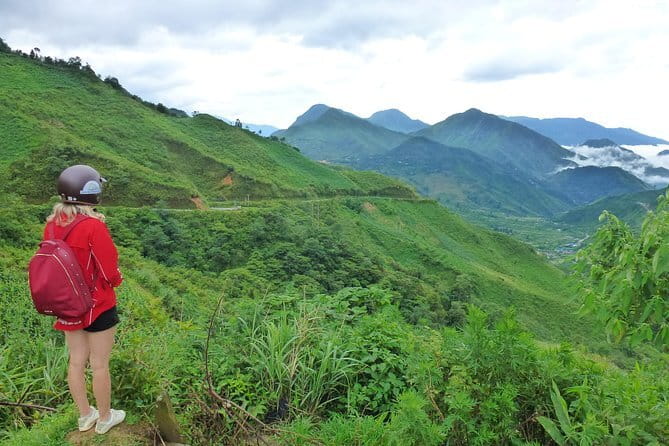
The promise here is simple: you’ll leave with a unique handcrafted artwork that you made during the workshop. For most people, that’s the key value—your time becomes a wearable or displayable memory, not just a lesson.
In practice, you might experience the finishing step a couple different ways depending on how the session is run. In one case, people mention receiving dyes to finish the work at home. That doesn’t make it worse—it just changes what you’re responsible for after you leave. If you like a hands-on project that continues later, that’s a plus.
If you want your result as close to finished as possible by the time you walk out, you can still ask your instructor what the remaining color step will be like. The workshop format is designed to get you to take-home artwork, and a quick check on the final step helps you plan.
A note on a potential disappointment
There’s one downside you should take seriously: some people have reported missing work and low-quality results after coloring. That’s not something you can fully prevent from your side, but you can reduce risk by paying attention during handling. Before you leave, make sure your finished item is clearly identified with you and stored properly for the dyeing or finishing stage. If something feels off, speak up then—don’t wait until later.
Price, Value, and Group Discounts in Sapa
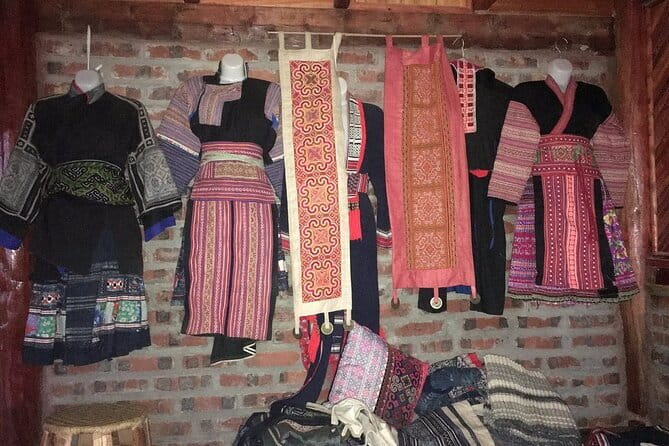
The price is $20 per person for an experience that runs about 2 hours. For Sa Pa, that’s a reasonable cost for a hands-on craft using a traditional method: beeswax resist with a tjanting pen and materials included.
What you’re getting for the money:
- A welcome drink (coffee and/or tea)
- Materials for the batik process
- Instructor-led guidance through the process
- A finished or take-home artwork
- A small extra gift from your instructor
- Group discount availability if you’re booking with others
What you’re not getting:
- Tips (so budget a bit of extra cash if you feel the service deserves it)
The real value isn’t just the finished product. It’s the technique. Learning how the wax resist works, and learning how to draw with a tjanting pen, is the kind of skill you can recognize in other batik you see later. Your souvenir has a story because you understand how it was made.
Also, the small group size—max 10—supports value. In a room where everyone is working with wax and patterns, more people can mean less instructor time per person. Here, the cap keeps it manageable.
Who This Batik Workshop Is Best For
This is a good fit if you:
- Like hands-on cultural activities where you make something yourself
- Want a real technique focused on beeswax resist and a traditional tool
- Prefer small-group teaching over a huge crowd event
- Are okay with a short, structured session that doesn’t eat your whole day
It’s also suitable for people who don’t have drawing skills. The instruction is built to bring beginners into the process, and feedback includes that even first-timers produced a half-decent result.
You might want to think twice if you:
- Need strict certainty that everything will be handled flawlessly end to end
- Are very sensitive to delays or changes in how the dye finishing step is handled
- Get anxious if your item has to be kept for later steps
If you fall into the second group, you can still consider booking—you just go in with your eyes open and take a minute to confirm what happens to your piece as it moves through wax and color.
Booking Smart: Timing, Mindset, and What to Ask
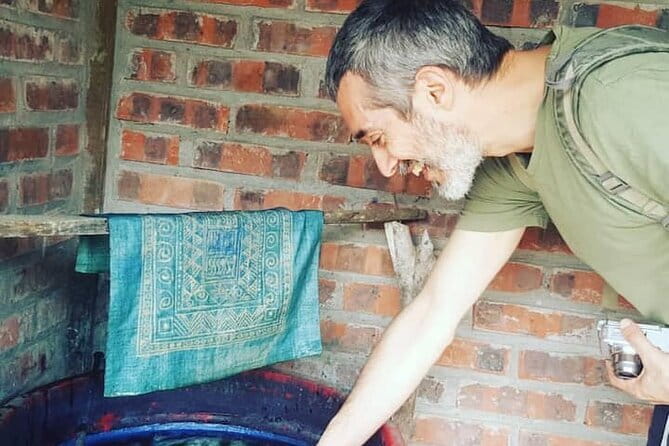
A few practical tips can help you have a smoother experience:
- Ask what the final finishing step looks like for take-home artwork. Some sessions may involve dyes to finish at home, so plan around that.
- If there’s a gift included at the end, treat it as part of the full wrap-up—not something you rush past.
- Because this uses beeswax and dye, assume your hands and clothes could get messy. Wear clothes you don’t mind getting a little stained.
- Keep expectations grounded: batik is detail work. If your lines aren’t perfect, that’s normal. The goal is learning the method and producing a piece that reflects your attempt.
One other practical thing: confirmation happens after booking, and the tour is associated with Saigonese Trekking House. If you’re comparing options in Sapa, this matters because you’ll know where to go and who to look for at the start.
Should You Book This Batik Making in Sa Pa Workshop?
If you want a real cultural craft experience in Sa Pa that ends with something you made and can take home, I think this is worth booking—especially if you care about learning the method, not just buying a souvenir. The biggest positives are the hands-on instruction with the tjanting and beeswax technique, plus the Hmong motif storytelling that gives your piece meaning. The small group cap and the fact that beginners can still produce something are also strong selling points.
I do consider the main caution: there are reports of serious mishandling and quality problems in rare cases. That doesn’t mean it’s the norm, but it does mean you should be attentive about your artwork’s handling and the finishing step. If you’re the sort of person who checks details and speaks up quickly, you’ll likely be fine.
If you’re ready to make a wax-resist artwork, learn a traditional tool, and bring home a piece with actual story behind it, go for it. It’s one of the more satisfying ways to spend a couple hours in Sapa.
FAQ
Where is the batik workshop meeting point?
You’ll start at Saigonese Trekking House, located at 02 Nguyễn Chí Thanh, TT. Sa Pa, Sa Pa, Lào Cai, Vietnam.
How long is the batik making experience?
The workshop runs for about 2 hours.
How much does it cost?
It costs $20 per person.
What’s included in the price?
The price includes a coffee and/or tea welcome drink and the materials you need for the batik workshop.
What isn’t included?
Tips are not included.
Do I need previous art or drawing experience?
No experience is required. The workshop is set up so most participants can take part.
Is the group large?
The workshop has a maximum of 10 travelers.
Do I take my batik artwork home?
Yes. You leave with your own handcrafted artwork.
Is there a special gift at the end?
Yes. Your instructor provides a special secret gift as a token of appreciation.
What’s the cancellation policy?
Free cancellation is available. You can cancel up to 24 hours before the experience for a full refund. If you cancel less than 24 hours before, the amount paid is not refunded.