REVIEW · HIKING & TREKKING
A day Trek to Rice Field in LaoChai-Tavan village-MuongHoa valley
Book on Viator →Operated by Sapa Original Trek · Bookable on Viator
Rice terraces call for slow mornings. This guided day trek in Muong Hoa Valley is built around rice terraces, mountain paths, and quick cultural stops in ethnic villages like Lao Chai and Ta Van. It’s a great mix of views and low-drama walking, with an English-speaking local guide setting the pace.
Two things I really like: the route is flexible enough to match your comfort level, and the village visits are practical, not just photo stops. Guides such as Sing, Zing, Ms. May, and Mo Mo are described as friendly, careful, and good at explaining daily life as you pass from one hamlet to the next.
One thing to consider: it’s still 11–12 km of walking (easy to medium) with about 200–300 m of elevation gain, so you’ll want real shoes and a plan for wet weather.
In This Review
- Key highlights before you go
- Muong Hoa Valley rice terraces and village life, up close
- The 9:00 start: heading down through Y Linh Ho
- Village visit moments: meeting locals without turning it into a spectacle
- Lao Chai and Ta Van: walking between terraces and homes
- Pace, distance, and what easy-to-medium really feels like
- Lunch, water, and the small comforts that matter
- Price and logistics: $34 for a guided valley day
- Rain, shoes, and layers: what I’d pack for this trek
- What kind of travelers should book this
- Should you book the Rice Fields trek in Lao Chai–Ta Van?
- FAQ
- How long does the trek take?
- What distance and elevation should I expect?
- Is there an English-speaking guide?
- What’s included in the price?
- Is it a private tour or shared?
- What should I wear for the trek?
Key highlights before you go
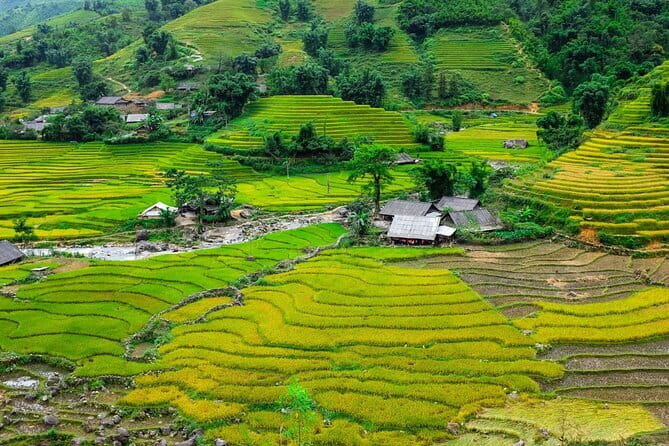
- English-speaking local guides who adjust pace and route based on your ability and interests
- Muong Hoa Valley rice terraces plus viewpoints that make the early start worthwhile
- Ethnic village visits including time in and around local homes
- Lunch and water included, plus car transport back to Sapa town
- Flexible experience style for people who prefer smoother paths or more natural trails
- Rain-ready vibes, with guides who look out for the group (and yes, footwear matters)
Muong Hoa Valley rice terraces and village life, up close
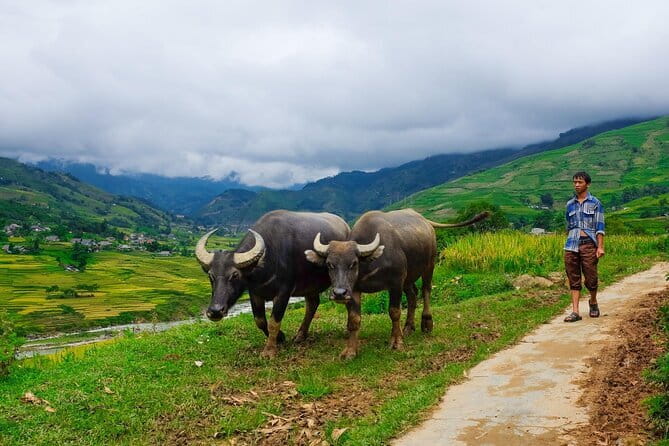
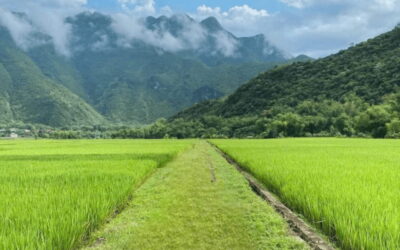
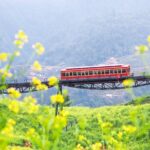
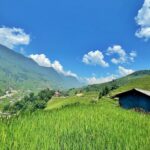
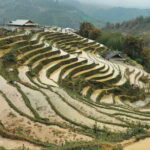
This trek runs in the big rice-terrace zone around Muong Hoa Valley, the area Sapa is famous for. What makes it feel special is how quickly you go from valley views to human-scale moments: houses, small paths, and people going about daily work. You’re not stuck in a line of identical viewpoints. You’re walking the edges of the terraces and the mountain corridors that connect the villages.
I like that the experience is designed around the villages of Y Linh Ho, Lao Chai, and Ta Van (in Lao Chai–Ta Van village area), rather than only doing one “main stop.” That means you get a fuller feel for how communities are arranged across the valley.
You’ll also notice the way the walk “reads” the terrain. The path follows contours and ridgelines, so the views show up in segments, not all at once. It’s the kind of trekking where you keep thinking, just one more turn.
You can also read our reviews of more hiking tours in Sapa

The 9:00 start: heading down through Y Linh Ho
The day begins at 9:00 AM with pickup from hotels around Sapa town or from the operator’s office. From there, you start walking in the Muong Hoa Valley area, moving toward Y Linh Ho.
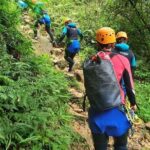
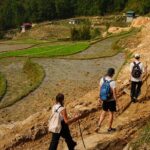
Expect the morning portion to feel like a steady descent and valley-hugging walking. The route is described as easy to medium, and that matches what the numbers suggest: 11–12 km total over about 6 hours, with limited but real climbing (around 200–300 m elevation gain). If you’re comfortable walking on uneven trails, this section shouldn’t feel punishing.
As you go, you’ll be surrounded by terraced rice—plus the mountain-and-valley panorama that makes people fall in love with Sapa in the first place. One neat detail from how guides run the route: some guides choose more natural tracks while others lean toward easier walking paths, based on weather and what you care about. Guides like Zing and Ms. Mo are specifically described as adjusting routes to match your interests and comfort.
Village visit moments: meeting locals without turning it into a spectacle
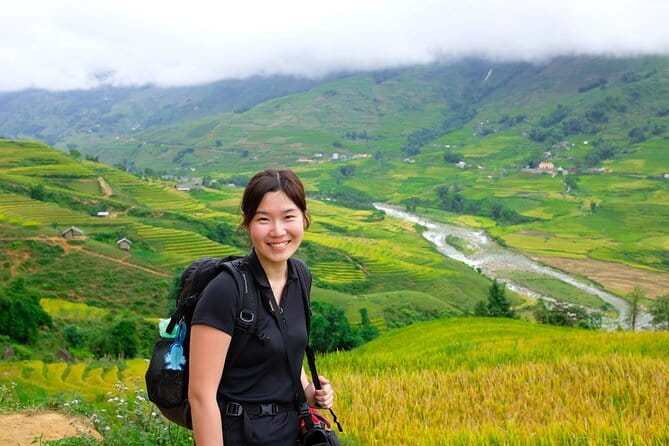
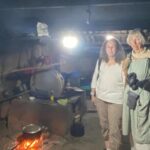
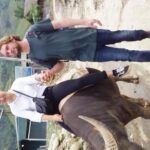
A big part of the value here is the village time. You’re not just passing through. You stop at a local house and have chances to meet villagers and learn how daily life works in the valley.
In a place like Sapa, where several ethnic groups live close together, these stops can become the most memorable part of the day—because you’re seeing how the landscape supports routines. The supplied info highlights Hmong community life around Y Linh Ho, and that usually translates into small, everyday observations rather than big staged demonstrations.
Practical note: village visits can mean uneven ground near homes and fields. Even if the trek is labeled easy to medium, you’ll still want to move carefully and keep a respectful distance. If you’re photographing, a quick look for where you can stand without blocking paths makes things smoother for everyone.
Lao Chai and Ta Van: walking between terraces and homes
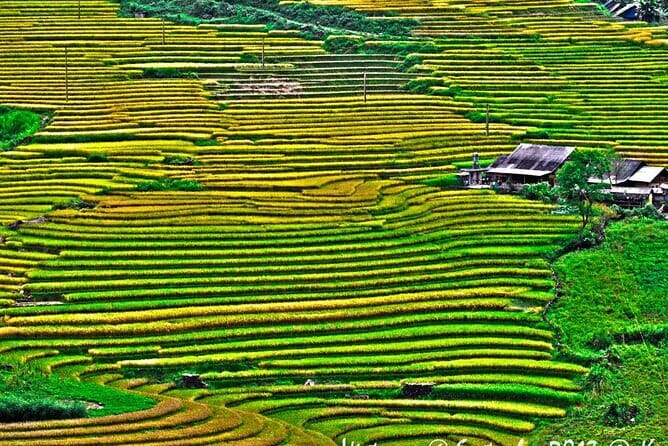
After the Y Linh Ho section, the route continues through the Lao Chai – Ta Van village area. This is where the trek starts to feel like a true valley walk, not just a single hike to one spot.
Lao Chai and Ta Van are often associated with the classic “Sapa village” vibe—terraces stacked behind homes, footpaths that connect the fields, and views that open and close as you walk. What helps here is the guided flow. Your guide keeps the day moving so you’re not stuck waiting at every turn, but you still get time for the moments that matter.
I also like that this is described as a peace-walking experience through one of the most beautiful valleys in Vietnam. That wording matters, because it matches the general trekking style: you’re not sprinting. The pace supports conversation and noticing details—like how terraces line the slope and how paths are carved into working landscapes.
And yes, guides pay attention to conditions. One review-style example (from this same operator experience set) mentions rain, with a guide making sure the group stayed safe and warm. It’s that kind of practical care that turns a “good hike” into a “handled well” hike.
Pace, distance, and what easy-to-medium really feels like
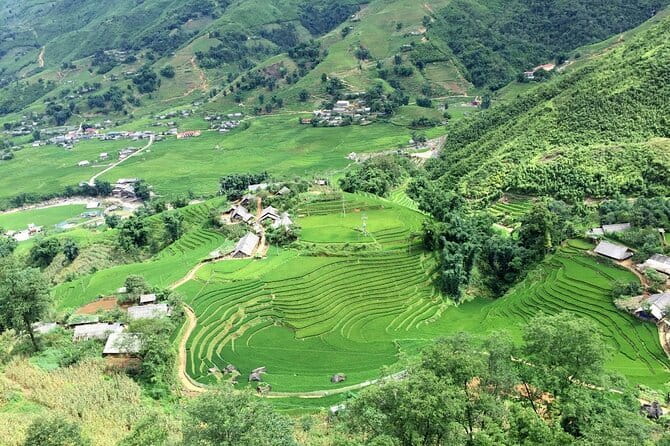
Let’s translate the numbers into something you can plan for. You’re looking at:
- Distance: about 11–12 km
- Time on foot: roughly 6 hours total (including lunch and transport time)
- Elevation: about 200–300 m
- Effort: easy to medium, depending on footing and weather
So what does that mean while you’re walking? Think of it like this: you can do it if you’re used to daily walking and you don’t mind uneven trails. But it’s not a stroll. You’ll work your legs a bit, especially if the path is slick.
If you’re unsure, this trek is one of the better Sapa options because the guide can adjust your route. Reviews highlight guides picking routes based on interests and ability, and also offering choices between road-like paths or more “natural” tracks. If you’re traveling with mixed fitness levels, that flexibility is a real advantage.
Lunch, water, and the small comforts that matter

Food and drink are included, which is a big deal for a half-day trek. You get:
- Lunch
- 0.5 liter of water per person
- Entrance fee to the village area
- Car transport back to Sapa town from the end of the village route
That combo reduces decision fatigue. You don’t have to scramble for snacks mid-trek, and you don’t have the stress of figuring out how you’ll get back up to Sapa.
Dietary requirements are handled too: the operator asks you to let them know if you need vegetarian, vegan, or gluten-free options (or other dietary requirements). If you have strict needs, message ahead so they can plan.
One more practical point: you’ll likely sweat even on cooler days because the walk is continuous. The included water helps, but I still suggest you bring a small extra bottle if you tend to drink more than average—just to be safe when it’s warm or humid.
Price and logistics: $34 for a guided valley day
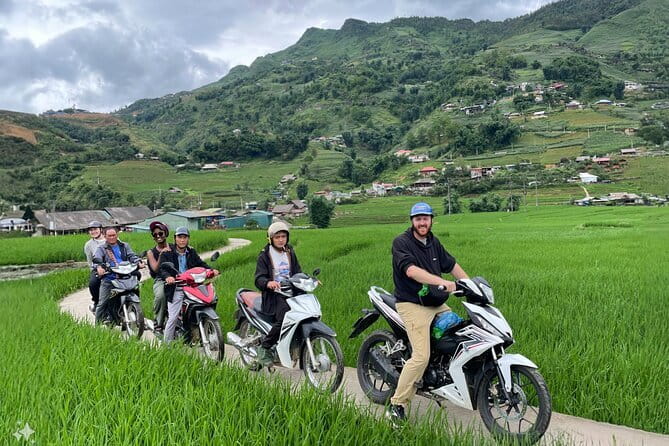
At $34 per person, this trek feels like fair value because you’re paying for more than walking time.
You’re getting:
- An English-speaking local guide
- Lunch and water
- Village entrance fees
- Transport back to Sapa by car
- A guided route through multiple village areas in the valley
In Sapa, many “cheap” treks turn into a pay-as-you-go situation. Here, the structure is tighter, so you’re not constantly checking prices or trying to locate your way back. Also, you get a private tour setup for your group, so you’re not stuck matching someone else’s pace or preferences.
If you’re traveling as a couple or a small group, this kind of guided, structured half-day is often more satisfying than the free-for-all hikes where you’re mostly guessing the route. The guides named in reviews—Sing, Zing, Ms. May, Mo Mo, Mr. Sinh, and Ms. Mo—show a pattern of being careful with pacing and communication.
Rain, shoes, and layers: what I’d pack for this trek
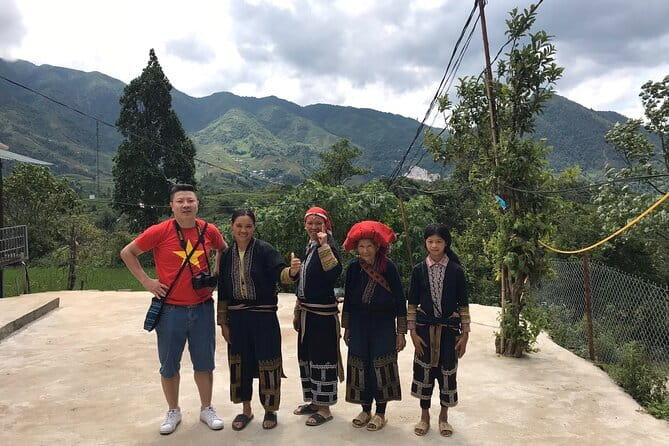
Sapa weather can change fast, and the trekking routes can get muddy. One review note called out that galoshes are definitely needed, which is the kind of detail that saves you from an uncomfortable wet day. Even if it’s dry in the morning, terraces and mountain paths can still be damp.
My packing list would be simple:
- Grippy shoes or waterproof boots (galoshes can help in wet conditions)
- Light rain layer you can move in
- Layers for morning cool + midday sun
- A small dry bag for your phone and camera
- Sunglasses or a cap for terrace glare
Also, bring the mindset that the path can be uneven. The trek is easy to medium, but “easy” in Vietnam village trails still includes rocks, roots, and narrow steps. Good footing makes the whole day more pleasant.
What kind of travelers should book this
This trek fits best if you want:
- A guided day with English support
- Rice terraces plus ethnic village stops
- A route that can match different fitness levels
- An itinerary that’s not a full day of hard hiking
It’s also a solid choice if you like the idea of seeing several village areas—Y Linh Ho, Lao Chai, and Ta Van—without over-optimizing your day to death. The format is built for a calm, scenic valley walk with learning built in.
If you’re a hardcore trekker chasing long elevation days, you might find this shorter than what you want. But for most people visiting Sapa for the first time, this is a strong “real Sapa” experience.
Should you book the Rice Fields trek in Lao Chai–Ta Van?
I’d book this if you want a structured guided trek that hits the Muong Hoa Valley highlights, with lunch and transport handled and a guide who can adjust for your comfort. The guide quality shows up repeatedly in the descriptions—people like Sing, Zing, and Mo Mo are praised for being friendly and looking after the group.
Skip or reconsider if:
- You dislike wet trail conditions and don’t want to deal with muddy paths (bring proper footwear either way)
- You expect a totally flat, no-effort walk
- You’re looking for a long, multi-day trek instead of a 6-hour day experience
If your goal is a balanced day—views, rice terraces, village life, and an easy-to-medium effort level—this one is a sensible pick.
FAQ
How long does the trek take?
The experience is about 6 hours total, including walking, lunch, and the provided transport back.
What distance and elevation should I expect?
You’ll walk roughly 11–12 km with about 200 to 300 m of elevation gain. The overall difficulty is described as easy to medium.
Is there an English-speaking guide?
Yes. The trek includes an English-speaking local guide.
What’s included in the price?
Lunch, 0.5 liter of water per person, village entrance fees, and transport from the village back to Sapa town are included, along with the English guide.
Is it a private tour or shared?
It’s a private tour/activity, meaning only your group participates.
What should I wear for the trek?
The trek can be wet, especially with rain. Reviews specifically mention galoshes as helpful, so plan for damp ground and wear grippy, protective footwear.