REVIEW · HIKING & TREKKING
1-Day Private Trekking in Sapa through Terraces Rice Fields
Book on Viator →Operated by Sapa Nomad · Bookable on Viator
Rice terraces and quiet villages beat town crowds. This 6–7 hour private trek in Sapa takes you beyond the main road and into hillside villages facing the Hoang Lien Son range and the Muong Hoa area, with time to slow down and learn what daily life looks like up here.
I love the off-road feel: you walk paths that go where the usual map routes don’t, through rice terraces and even a bamboo forest section. You also get real village contact—simple stilt houses, traditional clothing you can actually see up close, and stories tied to the land as you go.
One consideration: it is still a trekking day, so the schedule moves along, and the uphill bits can feel like a workout if you’re not used to hills for hours.
In This Review
- Key things you’ll notice on this trek
- A quieter Sapa starts at Y Linh Ho’s hillside terraces
- Lao Chai Trail: rice fields that feel like they stretch forever
- Ta Van Village: a busier village where multiple cultures overlap
- The trail you take matters more than the brochure claims
- Food, water, and pacing: built for a full 6 to 7 hour day
- Price and value: $49 for a private day with transport and lunch
- Who this trek is best for (and who might want a different option)
- Final call: should you book this Sapa Nomad private trek?
- FAQ
- How long is the trekking day in total?
- What’s the meeting point and start time?
- Is pickup included?
- Is this tour private?
- What does the price include?
- What’s not included?
- Does the tour include village and admission tickets?
- Can I request vegetarian food?
- Are service animals allowed?
- What’s the cancellation flexibility?
Key things you’ll notice on this trek
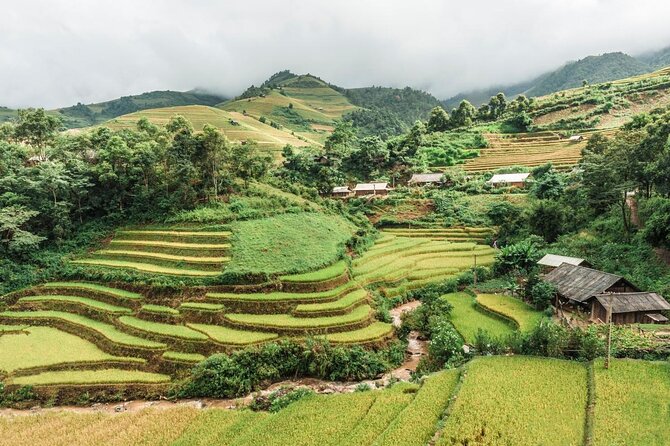
- Quiet Y Linh Ho: stilt houses, terraced fields, and a calm atmosphere far from Sapa town energy
- Rice-terrace views on the Lao Chai trail: fields stretching like ribbons as you look toward the Hoang Lien Son range
- Ta Van village mix: H’Mong, Red Dao, and Giay people living side-by-side with homestays and village streets
- Lunch and water are handled: included lunch plus bottled water means fewer “what now?” stops
- Vegetarian food is available on request: helpful if you plan your meals around dietary needs
- Local communication support: people have praised friendly, responsive agents (including Ha) and patient guides (like Giang)
A quieter Sapa starts at Y Linh Ho’s hillside terraces
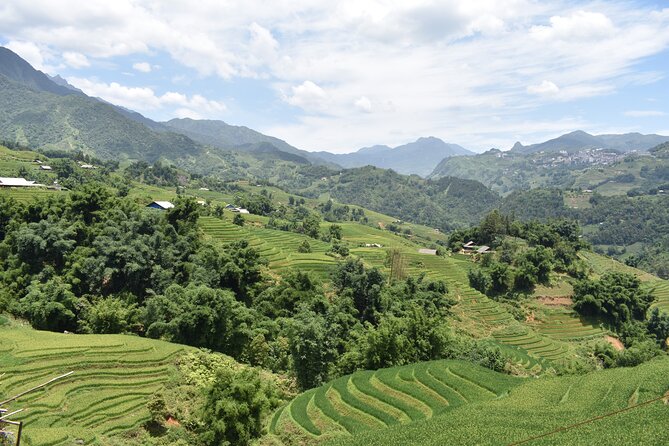
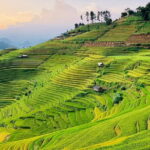
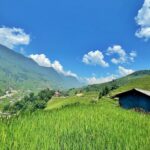
Your day begins with a pickup offered in Sapa, and a morning start around 9:00am. From the first stop—Y Linh Ho—the vibe changes fast. Instead of crowds, you get a hush: rice terraces climbing the hillsides, cornfields nearby, and the Hoang Lien Son mountains looking like a big wall behind it all.
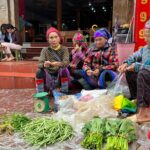
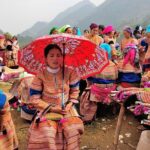
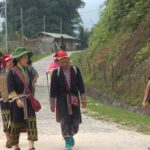
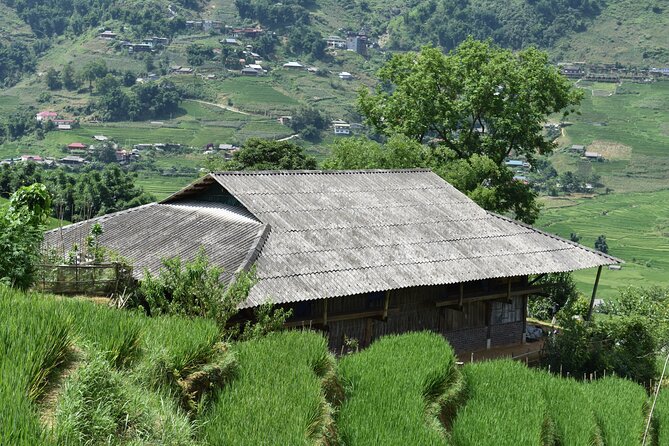
This is the kind of place where details matter. You’ll see the simple stilt houses that are common for mountain ethnic communities, and you’ll notice the clothing and everyday life of the people living here. H’mong girls often catch your eye in brocade-style costumes, and you may also spot little children playing in the mix of households and fields.
A practical plus: the stop includes about 3 hours here, which gives you room to slow your photos down and just take it in. If you’re the type who wants more than a quick walk-through, this part of the route is a strong start.
Possible drawback? Because the first village stop sets the tone, it can feel like the hardest “compare-and-contrast” moment later—your standards are going to rise. That’s a good problem, but plan for it.
You can also read our reviews of more private tours in Sapa
Lao Chai Trail: rice fields that feel like they stretch forever
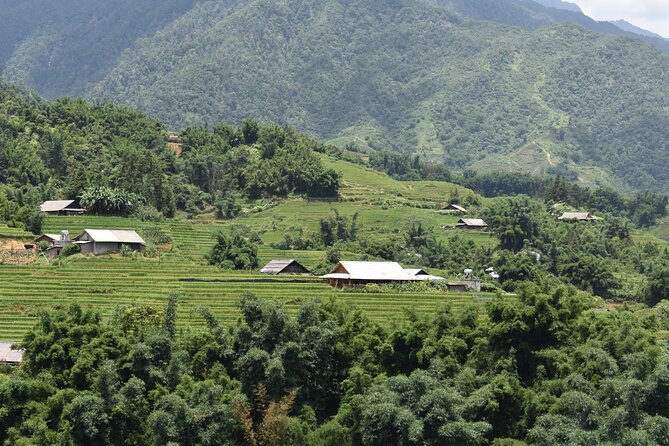
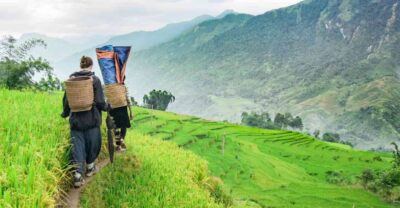
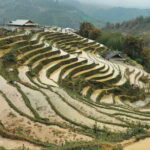
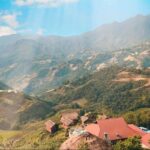
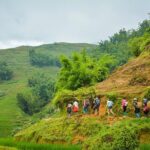
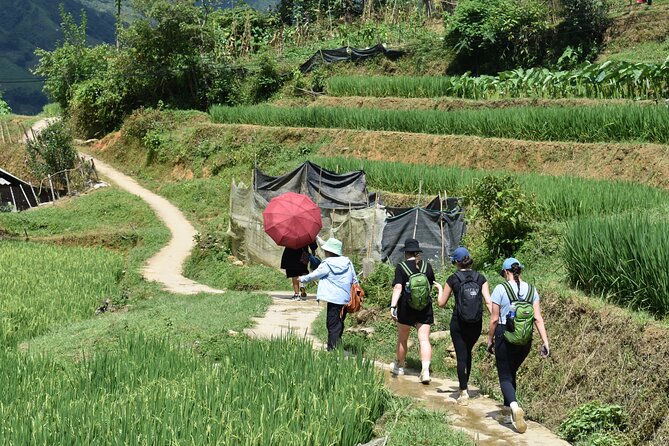
After Y Linh Ho, you head to the Lao Chai trail. This village sits deeper in the valley, wrapped by mountains, with terraces that run right down toward homes. The way the fields fold across the slope can look almost artistic—like silk ribbons spread over a hillside.
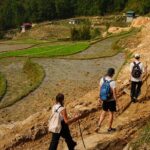
The walking here is part of the reward. As you move along the rice fields, you get that real-world smell of rice and grass rather than just the view. It’s not a “look from far away” type of photo stop. It’s the “you’re in it” feeling—your pace matches the terrain.
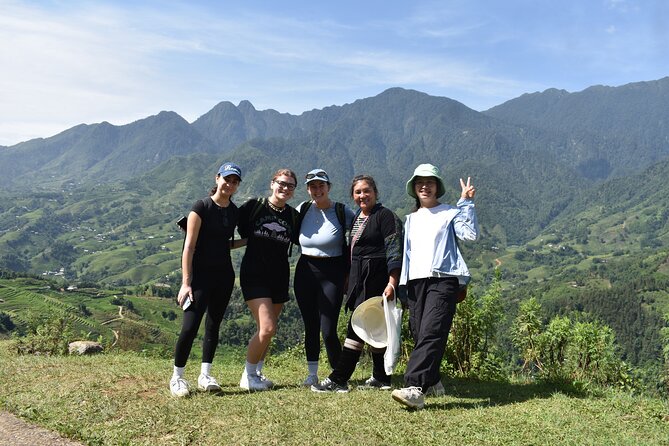
This stop takes about 2 hours, and from Lao Chai you can often see the Hoang Lien Son range while you walk. That matters, because Sapa can sometimes blur into layers of fog and distance. Here, the mountain outline gives you something solid to orient around, so your pictures actually tell the story of the valley.
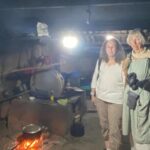
Food is another highlight at this stage. The experience includes local foods shared here, which helps turn the walk into something more human. If you want that sincerity people travel for—rather than just scenery—Lao Chai is where that tends to click.
Ta Van Village: a busier village where multiple cultures overlap
The last major stop is Ta Van village, home to the H’Mong community for a long time, with additional groups such as Red Dao and Giay also present. Compared with the quieter feeling of Y Linh Ho, Ta Van can be more active. You may notice sidewalks and more developed homestay setups.
This is where the day gets interesting in a different way: you’re not just seeing one ethnic group’s way of life. You’re seeing a small part of how several communities coexist in the same hillside region. That means the buildings, the clothing choices, and daily rhythms can feel more varied.
A standout detail here is the Giay community. The experience notes the Giay population at about 38,000 people, living mainly in Northwest Vietnam. You may see traditional shirts in purple, blue, or green tones, and the Giay houses are described as wood and bamboo with clay floors. Even if you don’t know the details in advance, that kind of specificity makes the visit feel grounded.
You’ll have about 1.5 hours at Ta Van. For many people, that’s the right amount of time: long enough to wander a bit and absorb village life, but not so long that you’re exhausted before the trek ends.
The trail you take matters more than the brochure claims
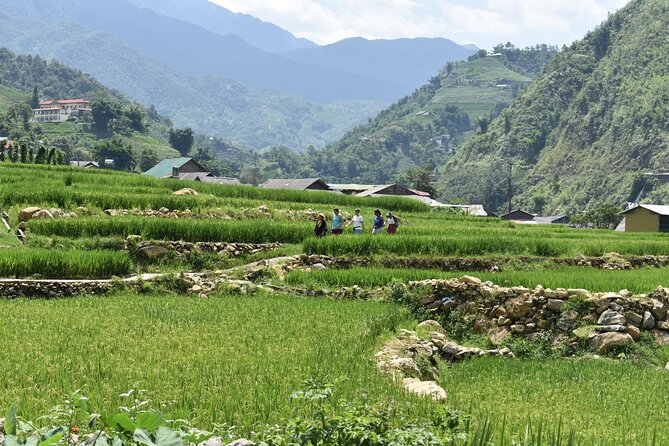
One of the best parts of this trek is that you’re not locked into the most obvious path. The experience specifically highlights walking a route different from the main road routes shown on many map views. That matters because it changes what you experience day-to-day: more quiet corners, more field-level walking, and fewer moments where you feel like you’re just watching other tourists photograph the same viewpoint.
It also matches the vibe people seem to love in the reviews—getting asked about off-road options and having a guide who brings you along at a pace that feels comfortable. Past guests have praised guides for being patient and giving enough time for photos, which is a big deal on trekking days. If your guide is rushing you between stops, Sapa villages can feel like a checklist. Here, the emphasis seems to be on letting the day breathe.
The experience also mentions trekking through rice terraces and bamboo forest. Bamboo forest sections can be a nice change of pace visually and mentally. It’s also a useful reset when you’ve been in wide open terrace views for a while.
Food, water, and pacing: built for a full 6 to 7 hour day
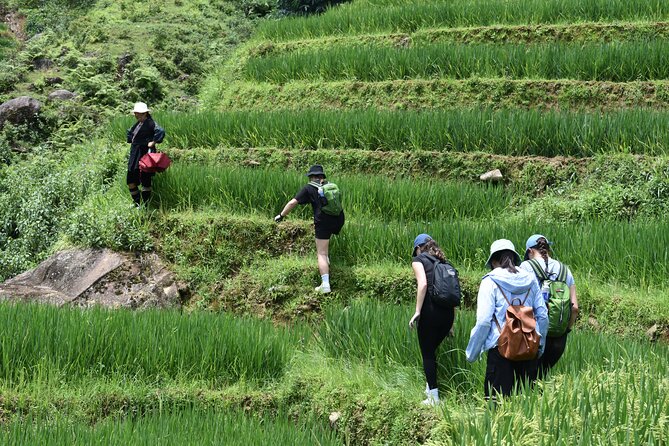
This is a 1-day private trek with a total duration of about 6–7 hours. That timing is important because it usually means you’ll be trekking for a few hours total, plus time in villages to watch, ask, and take breaks.
Good news for comfort: lunch is included, as is bottled water. It’s also explicitly stated that vegetarian food is available on request. That’s a practical value add, because it reduces the risk of arriving hungry in a place where your options might be limited.
You can also read the pacing from the stop timing:
- Y Linh Ho: about 3 hours
- Lao Chai trail: about 2 hours
- Ta Van: about 1.5 hours
That distribution suggests the first village is where you’ll do the most slowing down and learning. The walking-heavy middle leg is where your energy goes into moving and enjoying the views. The final village is shorter, likely aimed at wrapping the day with cultural variety and a sense of village life.
A simple tip based on how these days usually feel: wear shoes with solid grip. Even when the terrain looks calm from a distance, terrace paths can be uneven and slippery depending on ground conditions.
You can also read our reviews of more hiking tours in Sapa

Price and value: $49 for a private day with transport and lunch
At $49 per person, this trek can be good value for a private, guided half-day-to-full-day experience in Sapa—especially because it includes several items that otherwise add up quickly: lunch, bottled water, private transportation, and all fees and taxes (as stated).
Private transport matters here because Sapa villages are spread out. If you were doing this on your own, you’d spend time arranging rides and figuring out how to get to village trails efficiently. Having pickup and a return to the meeting point at the end keeps your day cleaner.
One more detail: the experience lists group discounts and mentions mobile tickets, which usually means the provider has a system for smooth check-in. It doesn’t replace good communication, but it helps.
If you’re coming as a small group or even as a couple, private tours often end up feeling like the best deal per hour of real experience. You get a guide’s attention, more time to ask questions, and fewer forced photo windows.
Who this trek is best for (and who might want a different option)
This is best for you if:
- You want to see Sapa villages without starting in the tourist center
- You like walking through rice terraces and getting closer than a viewpoint-only stop
- You care about ethnic culture—houses, clothing, and everyday life—explained in a way that connects to the land
- You prefer a guide who can be patient with photo time and questions (people have praised guides like Giang for this)
It may be less ideal if:
- You dislike trekking for several hours and want a strictly short sightseeing format
- You get uncomfortable with uphill walking for long stretches (the day is built around a trail, not just driving between stops)
Most travelers can participate, and service animals are allowed, which makes it easier to plan. If you have mobility concerns, you’ll want to confirm what walking involves for your specific group and comfort level, since the provided details emphasize trekking time but don’t specify step-by-step difficulty.
Final call: should you book this Sapa Nomad private trek?
I’d book it if you want a day that feels like Sapa is about more than viewpoints. The mix of Y Linh Ho quiet, the terraced walking on the Lao Chai trail, and the cultural variety in Ta Van gives you a balanced day: calm, movement, and community life.
The value also looks solid for what’s included: private transport, lunch, bottled water, and village admissions. Add that vegetarian meals are possible on request, and the experience becomes easier to manage.
If you want, I can also help you choose between routes in Sapa based on what matters most to you: shorter hiking, more culture, more photo time, or less crowded villages.
FAQ
How long is the trekking day in total?
The experience runs about 6 to 7 hours.
What’s the meeting point and start time?
You start at 534 Đường Điện Biên Phủ, TT. Sa Pa, Sa Pa, Lào Cai 31000, Vietnam, with a start time of 9:00am.
Is pickup included?
Pickup is offered.
Is this tour private?
Yes. It’s a private tour/activity, and only your group participates.
What does the price include?
Lunch, all fees and taxes, private transportation, and bottled water are included.
What’s not included?
Personal expenses are not included.
Does the tour include village and admission tickets?
Yes. Admission tickets are included at the stops.
Can I request vegetarian food?
Yes. Vegetarian food is available on request.
Are service animals allowed?
Yes, service animals are allowed.
What’s the cancellation flexibility?
Free cancellation is available up to 24 hours in advance for a full refund.