REVIEW · COOKING CLASSES
Vietnamese Spring Rolls Cooking Class
Book on Viator →Operated by SAIGONESE TREKKING HOUSE · Bookable on Viator
Crispy spring rolls are a hands-on comfort lesson. In Sapa, you’ll learn how Vietnamese cooks build crunch and flavor with simple ingredients, then you’ll fry the rolls until golden and eat them family-style.
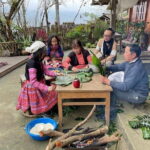
I love the hands-on rolling practice. You get to work the rice paper yourself, prepare a filling made with fresh local components, and learn how the process comes together. I also like the family-style meal at the end, because it turns a cooking class into a real shared dinner, not a quick demo.
One thing to plan around: this experience requires good weather. If conditions aren’t right, they’ll offer a different date or a full refund.
In This Review
- Key Highlights at a Glance
- Sapa Spring Rolls: Why This Class Feels Like Real Vietnamese Food
- Where You Start: Saigonese Trekking House in Sa Pa
- Ingredients First: Herbs, Vegetables, and the Filling That Makes It Worth It
- Rolling Rice Paper Without the Usual Frustration
- Frying to Golden Crunch: The Texture Lesson You’ll Actually Use
- The Dip, Then the Dinner: Eating What You Made
- Price and Value: Is $25 Worth It?
- Who Should Book This Vietnamese Spring Roll Class
- Should You Book This Spring Rolls Cooking Class in Sapa?
- FAQ
- How long is the Vietnamese spring rolls cooking class?
- What does the price include?
- Is tipping included in the cost?
- Where is the meeting point?
- How large is the group?
- What is the cancellation policy?
- What happens if the weather is poor?
Key Highlights at a Glance
- Small group size (max 10 travelers) means you’re not stuck watching from the back
- Rolling rice paper yourself so you learn the texture and timing that matter for crispness
- Fresh filling prep featuring noodles, mushrooms, and vegetables
- Frying for golden crunch with guidance from a local chef
- Dinner included, plus a welcome coffee and/or tea to start the meal right
Sapa Spring Rolls: Why This Class Feels Like Real Vietnamese Food
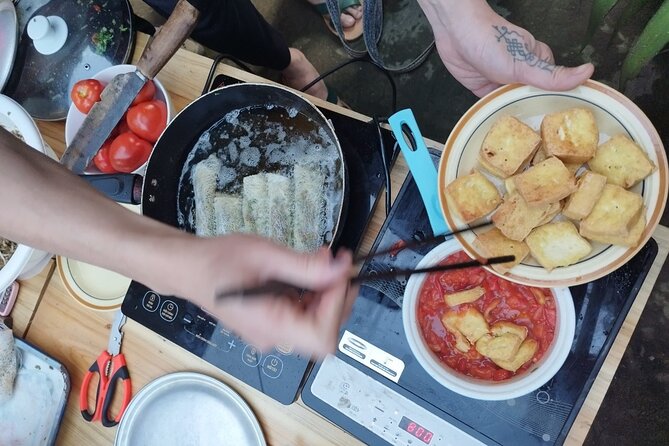
Vietnamese spring rolls come in different forms, but the crispy fried style is pure comfort food. The goal here isn’t just learning a technique. It’s understanding why Vietnamese meals work: you combine fresh herbs and vegetables for lift, noodles and mushrooms for substance, and then you add heat and crispness at the end.
What makes this class appealing is that it’s not overly fancy. You’ll work with everyday ingredients and learn how they balance together into something satisfying. And because you’re making the rolls yourself, you’ll start noticing details you might miss if you only eat them at a restaurant—like how the filling portion affects whether the roll seals cleanly and how frying time changes the final crunch.
You’ll also get a cultural angle. The class is described as family-style, with a welcoming feel and explanations about Vietnamese eating habits. That matters in a cooking class: it helps you recreate the flavors later instead of just copying a recipe.
You can also read our reviews of more cooking classes in Sapa
Where You Start: Saigonese Trekking House in Sa Pa
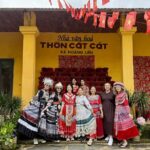
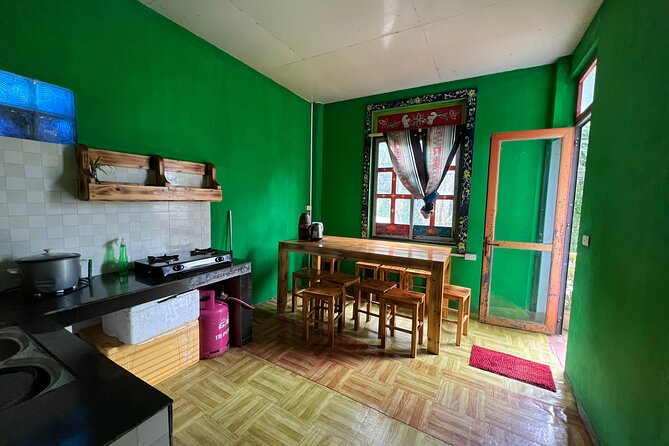
You meet at Saigonese Trekking House, 02 Nguyễn Chí Thanh, TT. Sa Pa, Sa Pa, Lào Cai, Vietnam. It’s near public transportation, which is handy in Sapa, where moving between spots can eat into your day.
The setting matters more than most people think. A class like this works best when the kitchen feels comfortable and the instructions are easy to follow. The experience is capped at 10 travelers, so you should get enough attention to ask questions while you’re working.
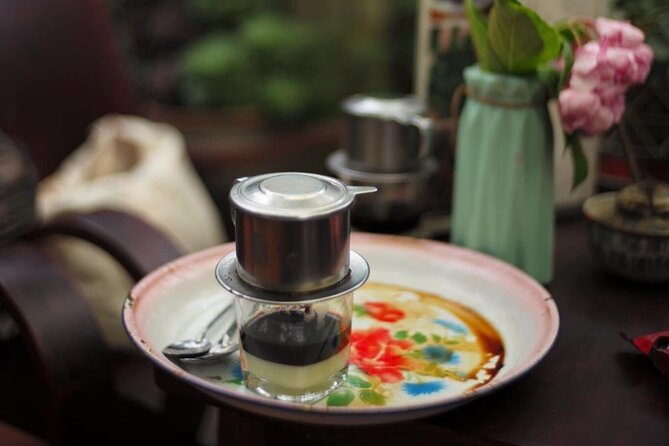
You’ll also get a welcome drink—coffee and/or tea—before cooking. That’s not a throwaway detail. Starting with something warm (or refreshing, depending on the drink) helps you settle in, especially if you arrive feeling a bit chilled in Sapa.
Finally, the timing is straightforward: the experience runs about 2 hours and ends back at the meeting point. So you can slot it into your itinerary without planning an entire half-day around it.
Ingredients First: Herbs, Vegetables, and the Filling That Makes It Worth It
The class starts with an introduction to essential ingredients. You’ll look at fresh herbs and vegetables, along with local spices. This is where the food lesson begins, because these ingredients aren’t just decorative. Vietnamese cooking often builds flavor in layers—freshness up front, savory depth in the middle, and seasoning to pull it together.
For the spring rolls, the filling includes noodles, mushrooms, and vegetables. That combination is a big part of why these rolls feel filling even though the wrap is light. Noodles add texture; mushrooms bring an earthy, savory profile; vegetables keep the whole bite from feeling heavy.
This stage is also practical for you. If you understand what each component contributes, you’ll be able to adjust later. Maybe you want more herbs, or you want to swap vegetables based on what you can find at home. The class is designed to give you a simple, authentic recipe to recreate, and ingredient knowledge is the foundation.
One more small value point: the overview frames this as a way to learn how Vietnamese cooks balance flavors and textures in everyday meals. That’s useful. When you’re eating, you can taste crispness and freshness. When you’re cooking, you need to know how to recreate both.
Rolling Rice Paper Without the Usual Frustration
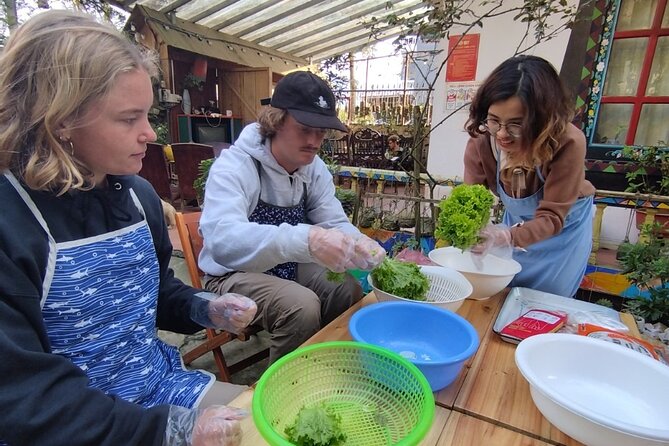
Rolling is where most people either get hooked or give up. Here, you practice the technique directly: rolling rice paper into crispy fried spring rolls. The wrap is thin, so the process demands a light hand and good timing.
You’re guided through the rolling steps, not left to figure it out alone. That’s a big deal in a short class. If you spend the whole session struggling with the wrap, you lose the chance to learn the filling work and frying. With the class format and the small group size, you’re much more likely to get comfortable before the session ends.
You’ll build rolls with the filling, then focus on getting them sealed properly. Even if you’ve eaten spring rolls your whole life, you’ll quickly realize that the roll’s shape and thickness affect how it fries. Too much filling can make rolling messy. Too little can lead to uneven crisping. Learning that balance is part of the point.
And if you’re vegetarian, this class is pitched as a good fit. Still, since the specific approach to vegetarian fillings isn’t spelled out in detail, it’s smart to mention your preferences when you book so the chef can guide you toward the right setup.
Frying to Golden Crunch: The Texture Lesson You’ll Actually Use
Once the rolls are formed, the class moves into frying. This is where the training turns into something you can reproduce later. The overview is clear about the result: you’ll fry until the rolls are golden and crunchy.
Frying sounds simple, but it’s really about heat control and timing. Too hot and the outside can overcook before the inside is ready. Too cool and you end up with rolls that feel oily instead of crisp. In this class, you’re guided through the process so you learn how to tell when things are moving the right direction.
You’ll also understand what to aim for visually and by texture. That matters when you try again at home. Kitchen intuition is built through experience, and this is one of those food skills that clicks faster when you can see and handle each step.
If you’re nervous around hot oil, don’t be. This is a structured class with coaching from the local chef. Just wear sleeves you’re comfortable in and keep your attention on the station while you work.
You can also read our reviews of more tours and experiences in Sapa
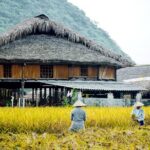
The Dip, Then the Dinner: Eating What You Made
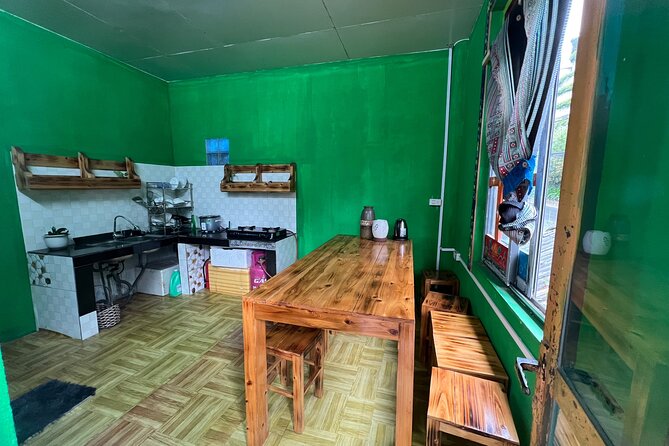
After frying, you eat what you made. The rolls are served with a traditional dipping sauce, which is a key part of the experience. Vietnamese dipping sauces often balance salty, tangy, and herbal flavors, and they’re what make the fried bite feel complete instead of just crunchy.
The class is described as warm and family-style. That changes the vibe. Instead of rushing through a meal before you go back to your hotel, you get time to sit and enjoy your spring rolls together. It also gives you a chance to ask questions and get practical guidance, like what ingredients the chef uses most often and how to adjust flavor at home.
And yes, you’ll take home a recipe. That’s the real “value add,” because the cooking skills are fun but short-lived unless you have something to refer back to. A simple recipe you can recreate anywhere is what turns this from a nice evening into a meal you can cook again later.
Price and Value: Is $25 Worth It?
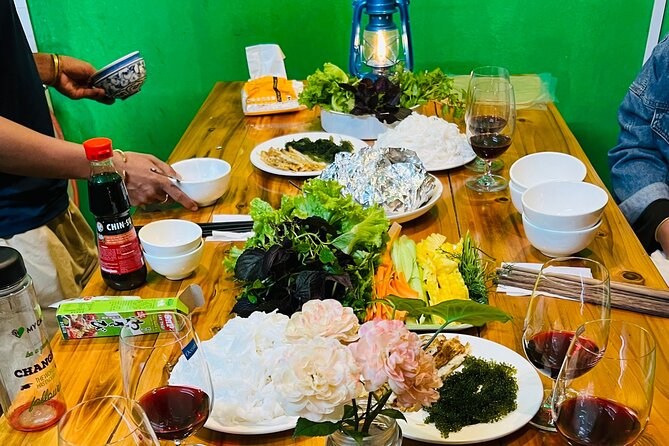
At $25 per person for about 2 hours, this class is fairly priced for what you get. You’re paying for:
- hands-on instruction from a local chef
- ingredients used to make the spring rolls
- a welcome coffee and/or tea
- dinner, meaning you eat what you produce
When a class includes food (not just instruction), value jumps fast. You’re not only learning rolling and frying. You’re also leaving with a meal and a recipe.
There’s also the group size: up to 10 travelers. That typically improves the experience because you’re more likely to get help when your roll isn’t cooperating. Group discounts are mentioned too, which can make it even better if you’re traveling with friends.
So for me, the question isn’t whether it’s cheaper than ordering spring rolls. It’s whether the experience teaches you something you can repeat. With the focus on rolling, filling prep, and frying to crunch, you’re paying for a skill set, not just dinner.
Who Should Book This Vietnamese Spring Roll Class
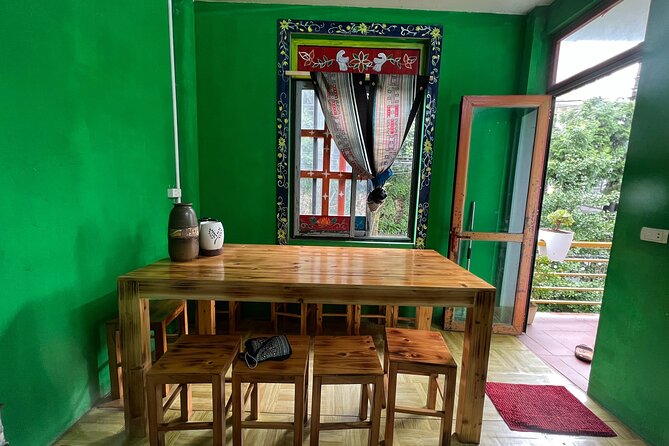
This is a great fit if you want a practical cooking skill and a meal that feels authentically Vietnamese without complicated steps. You’ll enjoy it if:
- you like learning by doing, not watching
- you want to understand how Vietnamese flavors and textures work in everyday food
- you’re a food lover who enjoys hands-on preparation
- you’re traveling as a pair or small group and appreciate group discounts and personal attention
It may be less ideal if you hate fried foods or you’re looking for something ultra-technical and advanced. This class is designed around approachable, iconic comfort food and a welcoming, family-style setting.
Also, Sapa weather matters. If you’re visiting during a stretch when the weather can be unreliable, plan other activities nearby. This class requires good weather, so you’ll want a flexible plan.
Should You Book This Spring Rolls Cooking Class in Sapa?
I’d book it if you want a hands-on Vietnamese cooking experience that ends with a meal you made and a recipe you can use later. The small group size, the focus on rolling rice paper and frying for crunch, and the fact that dinner is included make it a strong value for $25.
Skip it only if you can’t handle fried food, or if you’re in a travel window where Sapa weather is likely to disrupt plans and you don’t like the idea of a date change.
If your goal is a satisfying night in Sapa with real cooking skills and a warm, shared meal, this one fits nicely.
FAQ
How long is the Vietnamese spring rolls cooking class?
It runs for about 2 hours.
What does the price include?
The experience includes a welcome coffee and/or tea and dinner.
Is tipping included in the cost?
No, tips are not included.
Where is the meeting point?
You start at Saigonese Trekking House, 02 Nguyễn Chí Thanh, TT. Sa Pa, Sa Pa, Lào Cai, Vietnam.
How large is the group?
The class has a maximum of 10 travelers.
What is the cancellation policy?
You can cancel for free up to 24 hours in advance for a full refund. If you cancel less than 24 hours before the start time, the amount paid is not refunded.
What happens if the weather is poor?
This experience requires good weather. If it’s canceled due to poor weather, you’ll be offered a different date or a full refund.