REVIEW · HIKING & TREKKING
Trekking SaPa 2-Day Local Adventure with Homestay & Guide
Book on Viator →Operated by Trekking SaPa Chu · Bookable on Viator
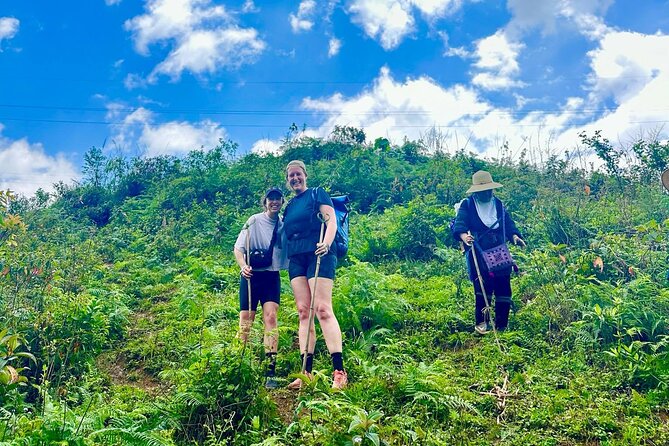
Sapa feels personal on this two-day trek. This outing puts you with Ms. Chu, a local guide born and raised in the region, plus a traditional homestay where you’ll taste home-cooked food and learn customs from the people who live there. It is a community-based way to see Sapa, not a rush-through-the-checklist style trip.
I also love how the route mixes big views with real village time. You start from Sapa and head down toward Muong Hoa valley, then you move through areas tied to Y Linh Ho, Lao Chai, and Ta Van, with a second day built around a bamboo-forest walk to Red Dao Giang Ta Chai. Plus, the pace can be adjusted to your fitness level, which makes the two days feel manageable instead of punishing.
One consideration: you are still trekking outdoors for two days, so bring your expectations down to earth and talk with Chu early about your stamina. She is good at timing the order of activities and reading local weather patterns, but the trail is the trail.
In This Review
- Key things to know before you go
- Why Ms. Chu’s guidance makes this trek feel different
- Day 1: The Sapa to Muong Hoa valley start, then Y Linh Ho–Lao Chai–Ta Van
- Day 2: Breakfast, bamboo forest trekking, and Red Dao Giang Ta Chai
- Homestay and home-cooked meals: the real reason to choose this format
- Price and logistics: what $75 per person actually covers
- How to make the trek feel easy instead of stressful
- Who this trek is best for (and who should pick something else)
- Should you book Trekking SaPa Chu?
- FAQ
- How long is the Trekking SaPa 2-Day Local Adventure?
- Where is the tour located?
- What is the price per person?
- Is pickup available?
- Is this a private tour?
- Who guides the trek?
- Which villages and areas are visited?
- How long is the trek on Day 2?
- Are there admission ticket fees?
- What is the cancellation policy?
- Is there a mobile ticket?
Key things to know before you go
- Local guide Ms. Chu who knows the area and weather patterns, and can adjust the walking pace
- Homestay in Sapa’s village belt with home-cooked meals and direct cultural sharing
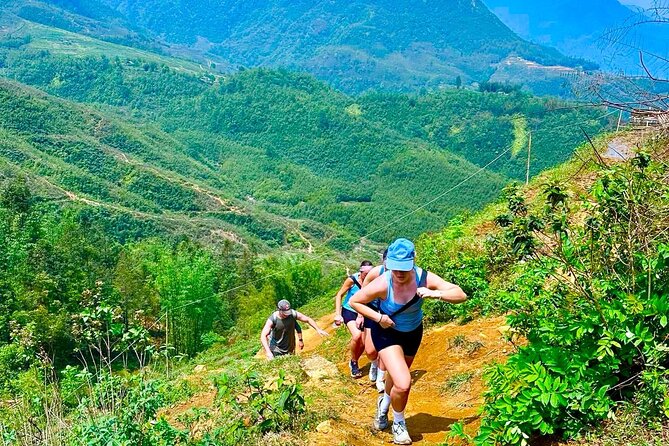
- Muong Hoa valley trail views right from the start on a narrow road descent from Sapa
- Village circuit day 1 linking Y Linh Ho, Lao Chai, and Ta Van
- Red Dao stop at Giang Ta Chai reached via a bamboo forest trek (about 3 hours)
- Private tour setup with pickup offered and mobile ticket support
Why Ms. Chu’s guidance makes this trek feel different
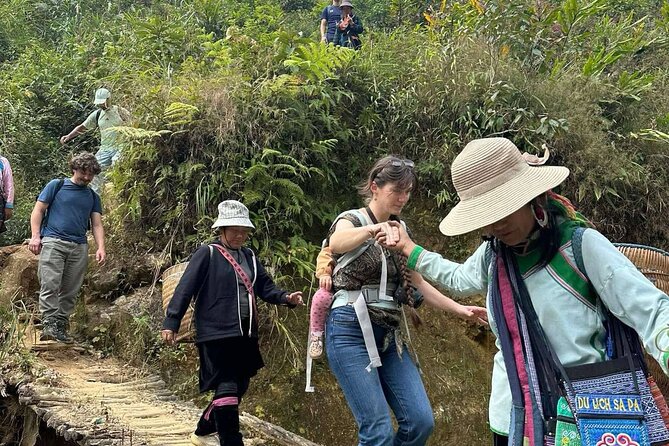
A lot of Sapa tours look similar on paper. This one feels different because your guide is from the region and speaks the language of daily life, not just tourist routes. Ms. Chu is described as warm, funny, and very informative, and more than one person highlights that she is patient and approachable. That matters when your day depends on trail timing, village schedules, and small decisions along the way.
I also like the practical side of her guiding style. The walking effort can vary depending on conditions and your group. Here, Chu adapts the amount of walking to your fitness level, so you can enjoy the villages and viewpoints without turning the trip into a competitive hike.
Then there’s the small-but-smart cultural knowledge. People flag that she can point you toward where to buy indigo fabric, including advice on what to look for and where the best options are. That is not just a shopping detour. In a place like this, textiles are part of identity and daily work, so having someone who understands the local connections can make your purchases feel less random.
You are also getting the setup that many hikers prefer: this is a private tour/activity, meaning it is just your group, not a mixed crowd with mismatched speeds and priorities. If you’re traveling with friends or family and want a more human pace, that alone can be worth a lot.
You can also read our reviews of more guided tours in Sapa
Day 1: The Sapa to Muong Hoa valley start, then Y Linh Ho–Lao Chai–Ta Van
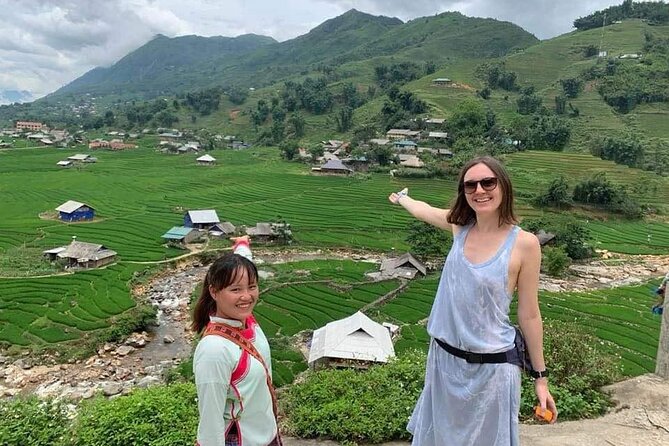
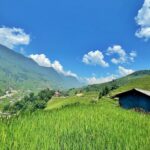
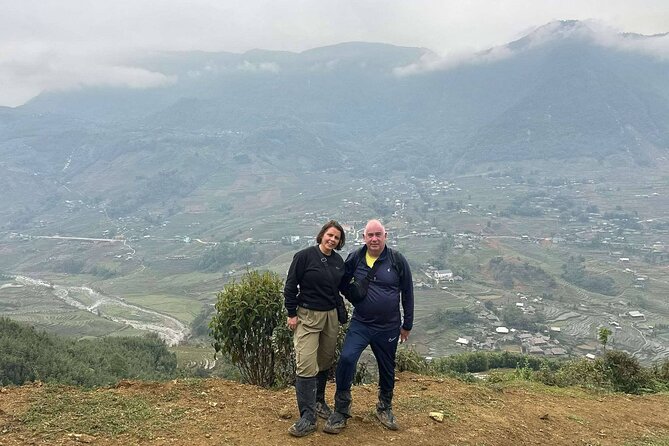
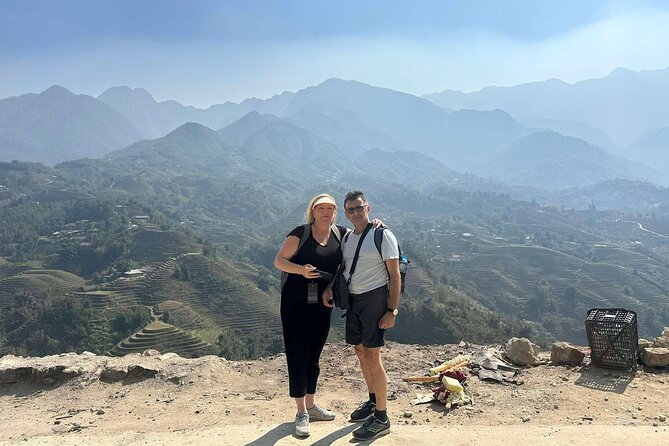
Day 1 begins at 9:00 AM from Sapa. You head down via a narrow road toward Muong Hoa valley, and the early part of the trip is about getting your bearings and soaking up the view. You’ll admire the panorama of town and valley from the trail, which is the right way to start: not by sprinting into a village visit, but by letting your eyes adjust and your legs warm up.
From there, the plan centers on a village walk route connecting Y Linh Ho, Lao Chai, and Ta Van. These names matter in Sapa because each area has its own rhythm and cultural texture. Even if you don’t catch every detail the first time, having a guide who can translate local customs into plain language makes the difference between walking past homes and understanding how village life actually works.
This kind of first day is also where you can set the tone for the whole trip. If you pace yourself, you’re more likely to enjoy the small moments: the rhythm of paths between houses, the way the valley shapes the day, and the conversations that happen when you arrive as a respectful visitor instead of a quick camera stop.
A potential downside is that the first day can feel like a “put your phone away and pay attention” kind of day. If you want lots of big roadside attractions, this may not match your expectations. But if you want the feeling of a local route through Sapa’s community spaces, Day 1 is built for that.
Practical tip: since the guide knows local weather patterns and timing, listen when Chu adjusts the order or pace. That is often where the trip turns from fine to memorable.
Day 2: Breakfast, bamboo forest trekking, and Red Dao Giang Ta Chai
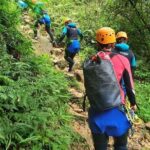
Day 2 starts with breakfast at your homestay. Then you keep going on foot, and the standout detail here is the shift into bamboo forest trekking. A second day can easily become repetitive, but this one changes the setting and mood. Bamboo forest paths tend to feel quieter, and they give you a natural rhythm for trekking without constantly battling steep, exposed sections.
Your target is Giang Ta Chai village, home of the Red Dao ethnic minority. The plan lists a trekking segment of about 3 hours to reach Giang Ta Chai. Expect this to be the main walking block of the day, not a quick hop between points.
Once you arrive, the point isn’t just photos. The value is in seeing how the community lives and recognizing the cultural context behind what you’re seeing. With Chu as your guide, you’ll have help making sense of local customs directly from someone who understands the area deeply.
After the village time, you move back toward Sapa. The route is described as Ta Van – Giang Ta Chai – Sapa, which helps you link day 1 and day 2 into one connected experience instead of two separate hikes that never quite meet.
Also, a small but helpful detail: the admission ticket is free for the day 2 segment as listed. That means you are spending your money where it counts for the trip—guide time, homestay, and getting to the communities—rather than on entry fees.
Homestay and home-cooked meals: the real reason to choose this format
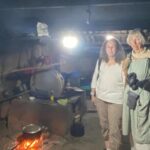
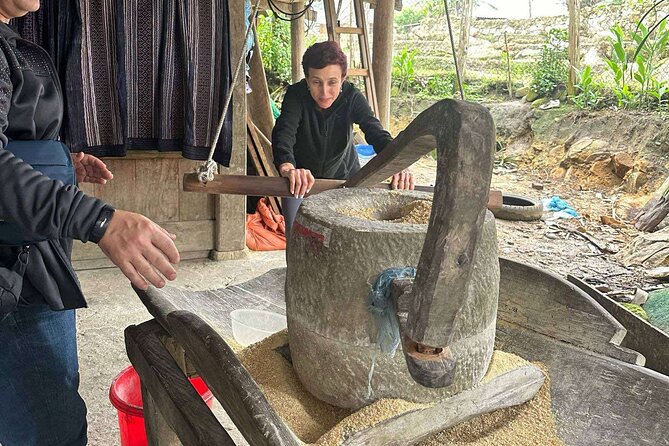
A homestay is only worth it if it makes the trip more meaningful, not just more complicated. Here, the homestay is paired with home-cooked meals and cultural learning from people who live in the region. That combination is what makes the experience feel local instead of theatrical.
What I’d expect as a traveler:
- You’ll spend time in a real home environment, not a staged accommodation corridor.
- Meals will likely reflect local cooking styles rather than a Western menu.
- You will have chances to ask questions about customs because your guide is right there to translate and explain.
You should also factor in that a homestay day naturally changes your pace. You’re not just passing through a town and checking in somewhere; you’re part of the day’s flow for better or worse. If you enjoy that kind of travel rhythm, you’ll likely love it. If you hate unpredictable routines, it might feel less comfortable than a hotel-based plan.
One more detail from the experience descriptions and guide feedback: Chu’s guidance is not limited to the trail. She is also the kind of person who can steer you toward practical cultural items, including indigo fabric. If textiles interest you, a homestay setting can make that topic feel real instead of like a random store visit.
Price and logistics: what $75 per person actually covers
The price is $75.00 per person for about two days. On the surface, it is not a budget backpacker steal, and it’s not a luxury price either. What makes it feel like good value is what’s wrapped into it: a guided trek, a homestay, and tasting home-cooked meals, plus pickup offered.
You also get some traveler-friendly convenience:
- Pickup offered (helpful because Sapa logistics can be annoying if you’re trying to line up local transport on your own)
- Group discounts (so the cost per person can drop if you’re traveling with others)
- Mobile ticket (so you’re not hunting for paper confirmations)
- Confirmation at booking time (so you’re not left in limbo)
And because it is private, you’re not paying for a packed bus vibe where you spend half the day waiting for stragglers. That privacy tends to improve the quality of conversations with your guide and the way the pace feels for your specific group.
The balanced catch: this is not a “drive between photo stops” tour. It’s trekking. So if you’re the type who wants lots of sightseeing without walking, you may find it pricier than a simple day trip that doesn’t include a homestay component.
You can also read our reviews of more hiking tours in Sapa

How to make the trek feel easy instead of stressful
The walking time is not listed in full detail for every segment, but you do get a key data point: the trek to Giang Ta Chai is about 3 hours. Day 1 is described as a route with valley views and village connections, so it may be less “single-number measurable” but still part of the trekking effort.
Here’s how to reduce stress and improve your experience:
- Talk with Ms. Chu about your fitness level early. People highlight that she adapts walking to match your group.
- Keep your energy steady rather than pushing hard. A two-day trek is easier when you pace the first day.
- Bring what you need for changing conditions. Since Chu knows local weather patterns and timing, she may adjust things, but your body still responds to altitude, humidity, and mist.
One more thing I’d lean on: ask Chu about indigo fabric and where to buy it. The advice is not only about shopping. It’s a shortcut to understanding what’s meaningful to local craftspeople, and it gives you a reason to look closely instead of rushing past the textile details.
Who this trek is best for (and who should pick something else)
This two-day adventure fits best if you:
- Want a guide who knows the area and can explain customs in plain language (Ms. Chu is the star here)
- Prefer community-based tourism and homestay experiences over big commercial sightseeing loops
- Enjoy walking but don’t want the trip to turn into a suffer-fest
- Care about culture that you can actually talk about, not just observe from a distance
It may be less ideal if you:
- Want mostly indoor or low-effort activities
- Are only interested in mainstream, easy access viewpoints
- Don’t want a homestay environment at all
That said, since the experience is described as suitable for most people and the guide adjusts the walking pace, you don’t need to be an ultra-athlete. You do need a mindset of walking with flexibility.
Should you book Trekking SaPa Chu?
If your goal is to see Sapa through the eyes of the region—villages, daily customs, and a real homestay rhythm—this is a strong choice. The highlight is the combination of Ms. Chu’s local expertise and the structure that links day 1 (Y Linh Ho, Lao Chai, Ta Van with valley views) to day 2 (bamboo forest trekking to Red Dao Giang Ta Chai). You’re not just checking names off a map; you’re spending time where people live.
I’d book it if you:
- Like small-group feel (it’s private for your group)
- Want home-cooked meals and guided cultural context
- Value practical guidance and good pacing over a rigid schedule
Skip it if you want a minimal-walking trip or you dislike homestays. Otherwise, this looks like a fair price for what you actually get: guide-led trekking, real community contact, and two days that feel connected rather than random.
FAQ
How long is the Trekking SaPa 2-Day Local Adventure?
It runs for about 2 days.
Where is the tour located?
The tour takes place in Sapa, Vietnam.
What is the price per person?
The price is $75.00 per person.
Is pickup available?
Pickup is offered.
Is this a private tour?
Yes. Only your group participates.
Who guides the trek?
The experience is guided by Ms. Chu, a local guide born and raised in the region.
Which villages and areas are visited?
The route includes Y Linh Ho, Lao Chai, Ta Van, and on day 2 Giang Ta Chai village (Red Dao), along with the return toward Sapa.
How long is the trek on Day 2?
The trekking time listed for Day 2 is about 3 hours.
Are there admission ticket fees?
For Day 2, an admission ticket is listed as free.
What is the cancellation policy?
You can cancel up to 3 days in advance of the experience for a full refund. If you cancel less than 3 full days before the start time, you don’t get a refund. Cut-off times are based on local time.
Is there a mobile ticket?
Yes, the tour uses a mobile ticket.