REVIEW · HIKING & TREKKING
Sapa Trekking Tour 2 Days 1 Night By Bus
Book on Viator →Operated by Hanoi Green Travel · Bookable on Viator
Hills, rice terraces, and village life in two days. This Sapa trekking tour (2 days 1 night) pairs a Hanoi-to-Sapa sleeper bus ride with guided downhill treks through ethnic minority villages. I really like how it gives you cultural context, not just a walk and a selfie, and it includes real food along the way.
Two things I especially liked: the chance to choose your overnight stay (homestay or hotel), and the way the trail drops you into the Muong Hoa Valley area and Black H’mong communities. One thing to keep in mind is the trek can be rough in sections, so you’ll want solid shoes and a moderate fitness level—plus the bus drive can run longer than expected if the driver keeps things slow.
In This Review
- Key things to notice before you go
- Price and Logistics: What $85 Actually Buys You
- Hanoi-to-Sapa Overnight: Sleeping Bus Comfort and Realistic Timing
- Overnight Choice in Sapa: Homestay vs 5-Star Hotel
- Day 1 Trail Down the Muong Hoa Valley: Lao Chai and the Black H’mong Focus
- Cat Cat, Giang Ta Chai, and Su Pan: Worth It, With the Right Mindset
- Lunches on the Route: Fuel That Keeps You Moving
- Day 2 Options: Hotel Trek Downhill vs Dzay Homestay Morning
- If you stay in a hotel
- If you stay in a homestay
- Village Culture With Real Guides: Why Names Matter
- Practical Trek Tips: Shoes, Warmth, and Avoiding the Usual Traps
- How to Pack Smart for a Two-Day Trek
- Who This Tour Is Best For (and Who Should Skip It)
- Should You Book This Sapa 2D1N Trek?
- FAQ
- What does the tour cost, and what’s included?
- Where does the tour start in Hanoi?
- How long is the trip?
- What trekking distance should I expect?
- Is there an option for homestay and an option for hotel?
- Do I get meals during the trek?
- Will I have a guide and group size limits?
- Is good weather required?
- What if I need to cancel last-minute?
Key things to notice before you go
- Sleeper bus + pickup in Hanoi Old Quarter helps you avoid the scramble of transport on your own.
- 12 km and 6–8 km trekking options match different pacing needs across the two days.
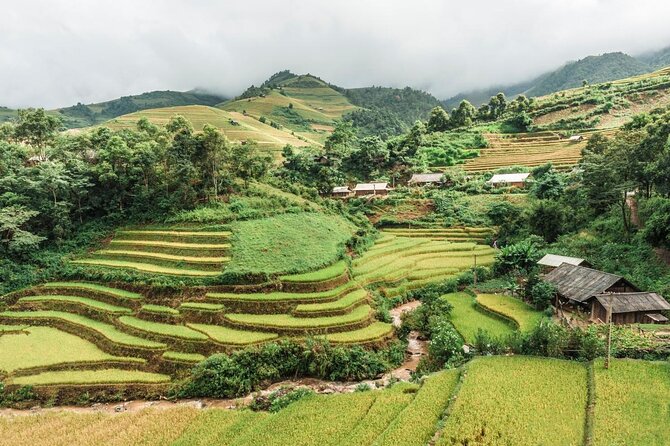
- Ethnic village stops include Black H’mong, Dao, and Dzay communities, with homestay mornings for deeper context.
- Cat Cat and other village photo stops can feel staged, so set expectations early if you prefer quieter village life.
- Hot-weather fairness isn’t guaranteed: the tour requires good weather, and the plan may shift if conditions are bad.
- Small groups (max 15) mean you’re less likely to get lost in a big crowd during the walks.
Price and Logistics: What $85 Actually Buys You
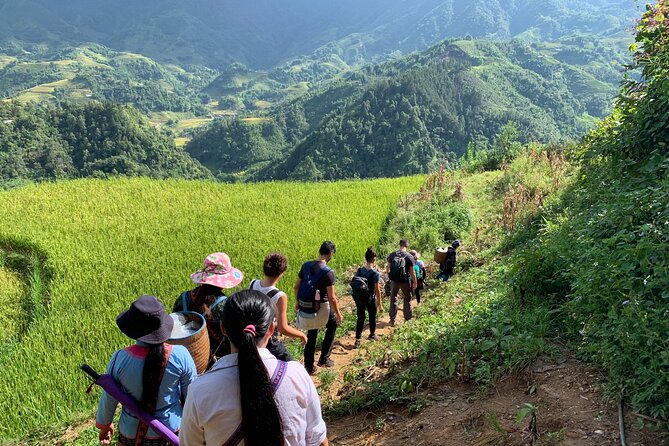
At $85 per person, you’re not just paying for hiking. You’re paying for the whole chain: an air-conditioned sleeping bus, hotel-area pickup in Hanoi, meals (breakfast, lunch twice, dinner), and a guided route through multiple villages. That’s the real value here—transport plus food plus interpretation, bundled into one price.
The schedule starts early, with pickup at 6:30 am in Hanoi’s Old Quarter. From there, you transfer to the bus station and head to Sapa overnight. The tour includes WiFi on board, which is handy when you’re killing time during a long drive, even if you’ll mostly be sleeping.
One practical note: while the ride is planned as a sleeper bus, your actual travel time can stretch. Some guests have experienced longer outbound trips tied to driver pace, including fewer toilet stops than you’d like on a long stretch. Bring patience, and consider using the first stop to set yourself up for the rest of the day.
You can also read our reviews of more evening experiences in Hanoi



Hanoi-to-Sapa Overnight: Sleeping Bus Comfort and Realistic Timing

Sapa is in the northern highlands, and the travel time is part of the deal. This tour uses an AC sleeping bus, which helps you arrive less wrecked than day buses. You also get included WiFi, so you can keep things light—watching videos, reading offline maps, or just checking messages.
Still, “sleeper” doesn’t mean “perfect.” You’ll want a neck support item if you sleep lightly, and you should be ready for the fact that long-distance buses usually need bathroom breaks even when you’re trying to rest. If you’re sensitive to motion or timing, start the trip with a calm plan: hydrate, eat light before departure, and aim for “rest when you can.”
Sapa arrival is handled by meeting your local guide at the town area after you get in. That matters because it keeps you from wandering around hungry and confused when you step off the bus.
Overnight Choice in Sapa: Homestay vs 5-Star Hotel
This is one of the strongest parts of the tour because it doesn’t force a single style of travel. You can choose homestay or a higher-comfort option (the tour describes a choice up to a 5-star hotel). Either way, you get a guided trekking experience—what changes is how you recharge at night.
With a homestay option, you’re closer to the rhythm of village life. On the second morning, the tour includes a chance to wake up to daily life of the Dzay minority, then have breakfast with the family. That early connection is the kind of detail that helps the trek feel like more than a guided walk.
If you pick the hotel option, you trade some of that village intimacy for comfort and easier recovery. Based on the tour design, you still get full meals and guided trekking, but your night is more familiar, with more predictable warmth and space.
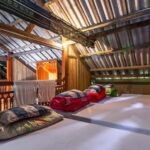
Either way, plan to be practical about cold. Trekking in the hills can get chilly fast, and some people have said that a heating blanket made a big difference after rainy or cold hiking.
Day 1 Trail Down the Muong Hoa Valley: Lao Chai and the Black H’mong Focus
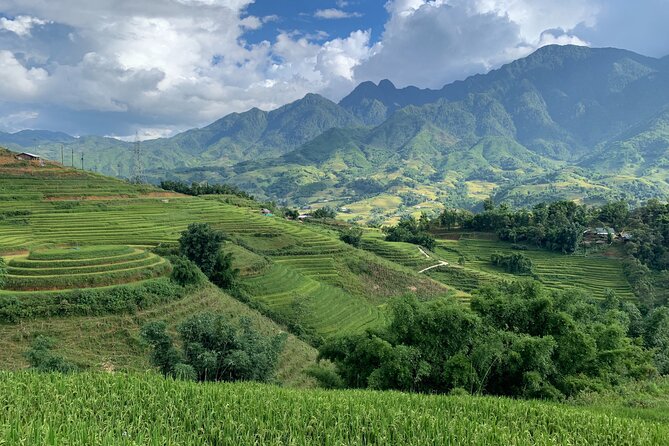
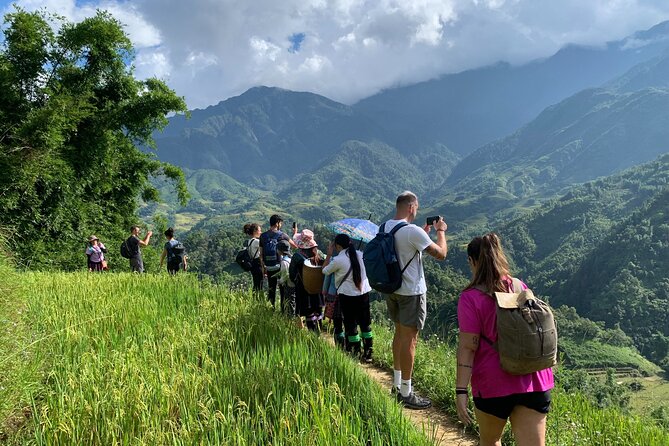
Day 1 typically starts with you arriving in Sapa and linking up with your guide, then heading into the Muong Hoa Valley area. For the homestay option, the plan includes a 12 km trek downhill toward a Black H’mong village (Lao Chai). The downhill orientation matters: you still get a workout, but it changes your footwork. You’ll be thinking about traction and control more than pure endurance.
The route includes key village sections such as Y Linh Ho and Lao Chai. This is where the tour’s ethnicity focus shows up. It’s not just visiting a single spot; it’s moving through life in the valley, with time to see how people live where the terrain shapes daily routines.
One reality check: the trail can be rough in places. Some hikers have leaned on local women for help when footing got tricky. Don’t feel bad if you need to take breaks. In Sapa, the point isn’t speed. It’s steady movement and good attention to where your feet are going.
Cat Cat, Giang Ta Chai, and Su Pan: Worth It, With the Right Mindset
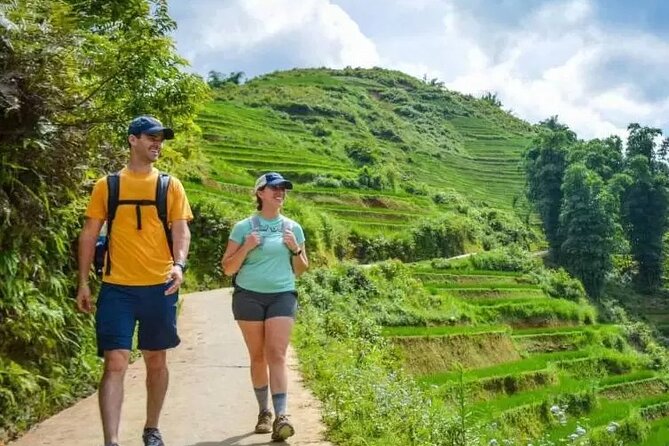
The tour includes village stops such as Cat Cat, Giang Ta Chai, and Su Pan, plus a moment to swim by a waterfall. This is one of those “good to know what you’re signing up for” situations.
Cat Cat can be visually memorable, but it can also feel more tourist-driven than you might hope. If you strongly prefer quiet village routines over staged cultural photo scenes, go in with the expectation that this stop may skew more performative. I’d treat it as a photo-and-view checkpoint, then focus your attention on the walking and the village segments that feel more lived-in.
Giang Ta Chai and Su Pan are often the parts that feel more grounded because you’re connecting the trek to communities rather than just a viewpoint. Even if your route includes short photo opportunities, the value comes from having a guide who can explain what you’re seeing.
The waterfall swim (when conditions allow) is a fun break from trekking rhythm. Just remember: you’ll want quick-dry gear or something easy to change into, and you should follow local cues on safety and timing.
You can also read our reviews of more hiking tours in Hanoi

Lunches on the Route: Fuel That Keeps You Moving

Meals are included, and that’s a big deal on a two-day trek where you might otherwise end up paying a lot or eating whatever’s convenient. You get lunch twice, plus breakfast and dinner. That means you can plan your energy without constantly checking prices.
The best approach is simple: eat when it’s offered and don’t overthink it. A warm meal matters when you’re walking downhill, where fatigue can sneak in. If you’re the type who forgets snacks, you’ll still be covered here.
Also, there’s a cultural layer. Traditional Vietnamese meals show up during the trek, which helps you avoid the “international tourist meal” trap that sometimes happens on short tours. You’ll likely feel better and hike better when the food matches the region’s style and timing.
Day 2 Options: Hotel Trek Downhill vs Dzay Homestay Morning
Day 2 is where your overnight choice becomes a real difference in experience.
If you stay in a hotel
You’ll have breakfast, check out, and start trekking around 9:00 am. The plan includes another 12 km downhill trek (the route is described as going down toward the next area, but the exact village name in the outline is cut off). This day keeps the momentum going: you’re still moving through highland terrain and village areas, but with less time in a homestay setting.
If you stay in a homestay
You’ll wake up early, around 6:30 am, for an experience tied to Dzay daily life, then eat breakfast with the family. After checking out, the trek starts around 9:00 am, with a shorter 6–8 km walk described into an area beginning with “Ho …” (the specific place name isn’t fully shown in the outline). This option feels more like a morning immersion, not just a continuation of walking.
So which is better? If you want the extra culture morning and a more intimate feel, go homestay. If you want easier recovery and a more straightforward hiking-and-return rhythm, the hotel option can be a better fit.
Village Culture With Real Guides: Why Names Matter
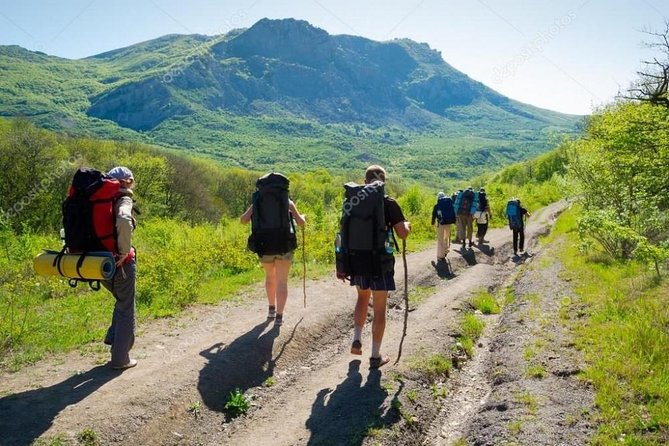
This tour is built around a local guide, and the guide role is not just “keep the group together.” It’s interpretation—explaining what you’re seeing, how communities live, and what the terrain means for daily life.
In past departures, guides you might encounter include Vu, Koo, Mu, and Su. Seeing multiple guide names matters because it signals the tour uses people who can lead meaningful conversations, not only point to landmarks. And it shows up in how the tour is paced: you’re given time to connect the walk to culture.
The group size is capped at 15, which helps. Smaller groups mean fewer people to wait for, and it’s easier for a guide to tailor explanations to questions you actually ask.
Practical Trek Tips: Shoes, Warmth, and Avoiding the Usual Traps
You’re told the trek is for travelers with moderate physical fitness, and I think that’s accurate. This is not a casual stroll. Even on shorter sections, you’ll face uneven ground, narrow paths, and occasional slippery patches—especially after rain.
Bring:
- Good grip shoes (non-negotiable)
- A warm layer even if Hanoi feels mild—Sapa can chill quickly
- Something to manage rain (a poncho or packable jacket)
- A small towel or quick-dry item if you plan to swim by a waterfall
Expect cold surprises and pack accordingly. One of the most appreciated comfort items reported is a heating blanket after trekking, which tells you the trip can get chilly even when you think you’re prepared.
Finally, be aware that locals may approach you during village time to sell items. That’s not automatically a bad thing. Just don’t let it slow your enjoyment. Be polite, and if you’re not buying, keep moving with your group and let your guide handle the interaction if needed.
How to Pack Smart for a Two-Day Trek
For a short trek, you’ll want to pack like you’re doing one day of hiking plus one overnight change. The tour includes lodging and meals, so you don’t need to bring much food. The key is clothing and comfort.
You’ll likely have a moment for laundry-level convenience—at least, the trip setup is the kind that expects you to change out of damp clothes. If you want to feel better at night, bring a dry base layer.
One more thing: some people have noted that big luggage was managed as part of the tour handling. Still, I’d plan your own system for what you carry on you versus what you store, since trekking days feel longer when you’re constantly searching for items.
Who This Tour Is Best For (and Who Should Skip It)
This Sapa 2 days 1 night trek is a great match if you want:
- A guided intro to Black H’mong, Dao, and Dzay/Dzay culture
- A ready-made itinerary with meals included
- The convenience of an overnight sleeper bus from Hanoi
- Either homestay culture time or hotel comfort, depending on your style
It’s less ideal if:
- You hate walking on uneven ground
- You’re very sensitive to cold weather
- You strongly dislike photo-heavy village stops (Cat Cat can feel like that)
The tour can work across a wide range of ages because the group is organized and guided, and you can set your own pace. But it still needs you to be steady on your feet.
Should You Book This Sapa 2D1N Trek?
I’d book it if you like structure but still want authentic contact with village life. For the money, you’re getting the hardest parts solved: transportation from Hanoi, local guiding, and the food plan across two trekking days.
If you want the most “real village” feeling, pick the homestay option for the Dzay morning and breakfast with the family. If you want a gentler recovery style with more comfort at night, choose the hotel option.
My final advice is about expectations: this isn’t a single quiet village walk with no tourist touchpoints. It’s a route with several cultural stops, including ones that can feel staged. If you accept that and focus on the trek and the guiding, you’ll get a lot out of two days in northern Vietnam.
FAQ
What does the tour cost, and what’s included?
The price is $85 per person. It includes breakfast, dinner, two lunches, an air-conditioned sleeping bus, WiFi on board, and all fees and taxes, plus hotel pickup.
Where does the tour start in Hanoi?
Pickup is offered in Hanoi Old Quarter, with a stated start time of 6:30 am.
How long is the trip?
The tour runs for 2 days (about two days total).
What trekking distance should I expect?
The itinerary includes a 12 km downhill trek on Day 1 (for the homestay option) and a 12 km downhill trek on Day 2 for the hotel option. For the homestay option on Day 2, it lists a 6–8 km trek.
Is there an option for homestay and an option for hotel?
Yes. The overnight accommodation can be chosen as a homestay or a 5-star hotel option, and the Day 2 activities change based on which you choose.
Do I get meals during the trek?
Yes. The tour includes breakfast, dinner, and lunch (2).
Will I have a guide and group size limits?
This is a guided trekking tour and it has a maximum group size of 15 travelers.
Is good weather required?
Yes. The tour requires good weather, and if it’s canceled due to poor weather you’ll be offered a different date or a full refund.
What if I need to cancel last-minute?
Cancellation is free up to 24 hours in advance for a full refund. If you cancel within 24 hours of the start time, you won’t receive a refund.
You Might Also Enjoy




More Evening Experiences in Hanoi


More Tours in Hanoi
- Ninh Binh Full-Day Tour from Hanoi to Hoa Lu, Tam Coc & Mua Cave Via Boat & Bike
★ 5.0 · 4,384 reviews