REVIEW · SAPA TREKKING TOURS
From Hanoi: 2-Day Sapa Limo Bus Tour & Fansipan Peak Visit
Book on GetYourGuide →Operated by Go Asia Travel · Bookable on GetYourGuide
Few places mix bus rides and big mountain views. This 2-day Hanoi–Sapa tour pairs a village trek in the Hoang Lien Son area with a cable car run to Fansipan Peak, plus free time in Sapa.
I especially like the Lao Chai Ta Van trek format, because it gives you a real look at everyday life in the hills with a local English-speaking guide (names that have come up include Song/Somg, Than, and Susu). I also like that Fansipan is built in as a high-reward day: cable car up, then temple time and the 600 steps if you feel like earning your views. One consideration: weather can turn fast up top, so cloud and cold can limit what you see, even when you make it all the way.
Day-to-day, this trip is pretty thoughtfully paced for two days. You’re not just “going to a peak and leaving.” You get time in Sapa to reset, plus a trek that’s long enough to feel meaningful but not a multi-day grind. The tradeoff is that the trip is packed: you’ll spend significant time in transit, and your hotel stay is a 3-star base level (some rooms get great feedback, others are described as just okay).
In This Review
- Key highlights to know before you go
- Hanoi to Sapa by limousine bus: the ride that sets the tone
- Day 1 in Sapa: lunch first, then Lao Chai Ta Van trekking
- Sapa overnight: 3-star comfort, meals, and what varies most
- Day 2 to Fansipan: cable car up, temple visit, and the 600 steps
- Weather reality on Fansipan Peak: plan for fog, cold, and crowding
- Money and packing: cash habits in Sapa and step-smart clothing
- Value check: what you’re really paying for in two days
- Who this Sapa–Fansipan tour suits best (and who should reconsider)
- Should you book the 2-day Sapa Limo Bus and Fansipan tour?
- FAQ
- What’s included in the tour package?
- Do I need to pay extra for the cable car to Fansipan?
- Is the Fansipan climb mandatory?
- How much trekking is on day 1?
- What meals are provided over the two days?
- What should I bring for the trek and mountain weather?
- Should I bring cash in Vietnam?
Key highlights to know before you go
- Lao Chai Ta Van on foot: trekking through rice terraces and along the Muong Hoa Stream with a local guide
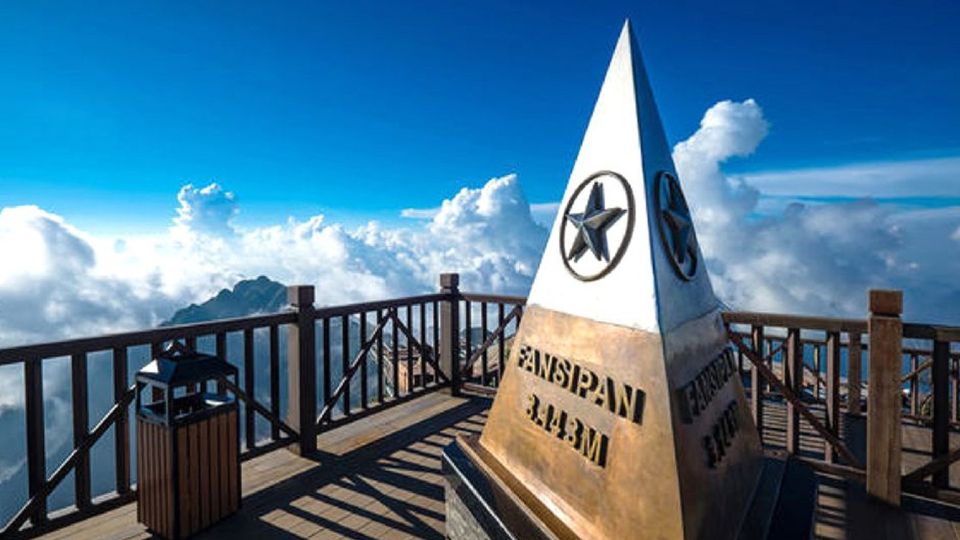
- Fansipan by cable car: about 20 minutes up, plus pagoda time and a 600-step climb option
- Real Sapa time: free time to wander the town on your own after the peak visit
- Limousine bus rhythm: multiple comfort stops on the Hanoi–Sapa drive, with periodic toilet breaks
- Pay-on-arrival extra: cable car tickets are not included, and holiday surcharges can apply
Hanoi to Sapa by limousine bus: the ride that sets the tone
Sapa starts on the road. You leave Hanoi early, then head north through Phu Tho Province and Lao Cai City with scheduled short breaks before arriving in Sapa. This matters because Sapa’s charm depends on timing: the earlier you arrive, the more useful your afternoon becomes.
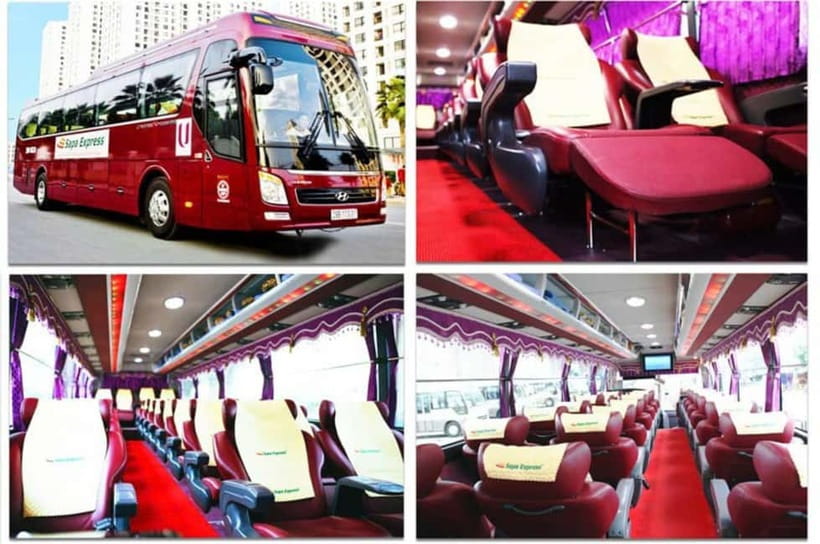
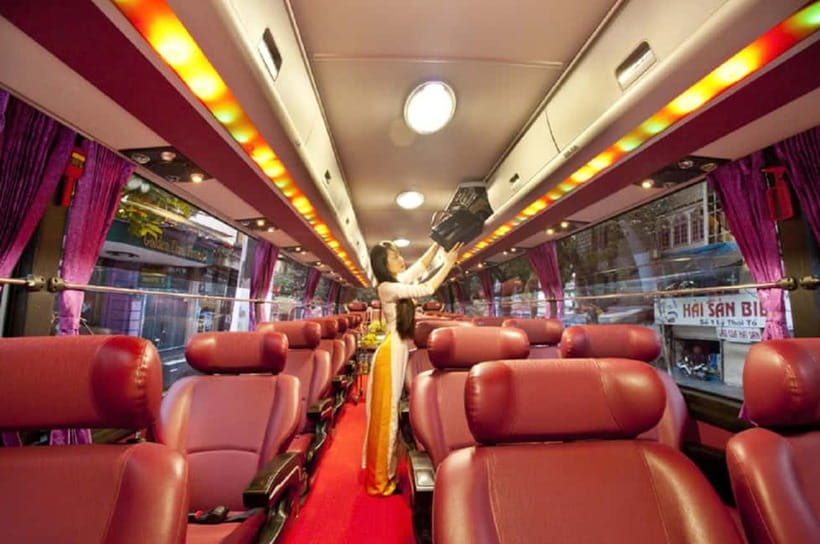
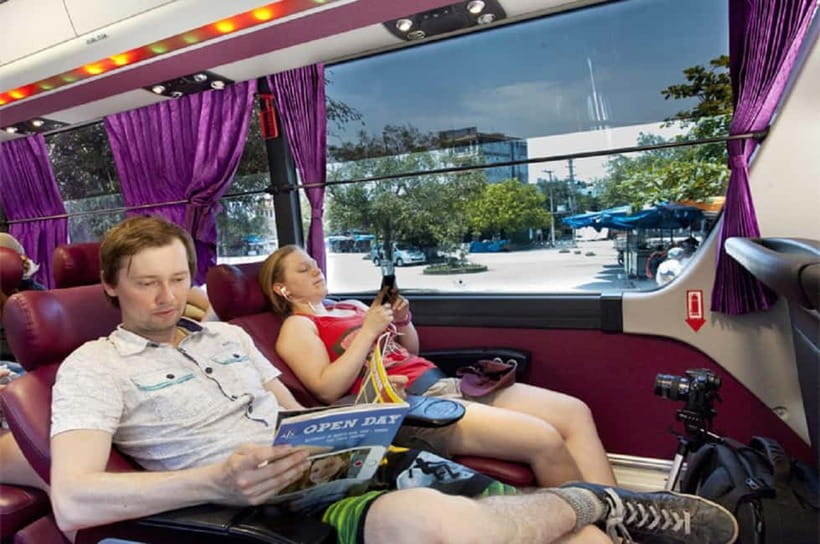
The “limousine bus” setup in this area is often a step up from the cheapest options. Many people report a sleeper-style layout where you can lie back and get at least some rest. Still, plan your expectations. The trip is roughly a half-day commitment, and if you’re tall or broad-shouldered, cabin-style seating can feel tight.
Practical note: bus stop timing is part of the experience. Reviews describe toilet use during breaks that may require small cash notes. Bring a few small bills so you’re not stuck improvising when nature calls.
You can also read our reviews of more tours and experiences in Hanoi


Day 1 in Sapa: lunch first, then Lao Chai Ta Van trekking
After you reach Sapa town, you’re met by a representative and taken to lunch—typically local Vietnamese dishes. This is a good call for day one. The trek starts later, and eating early keeps energy stable when the air gets cooler.
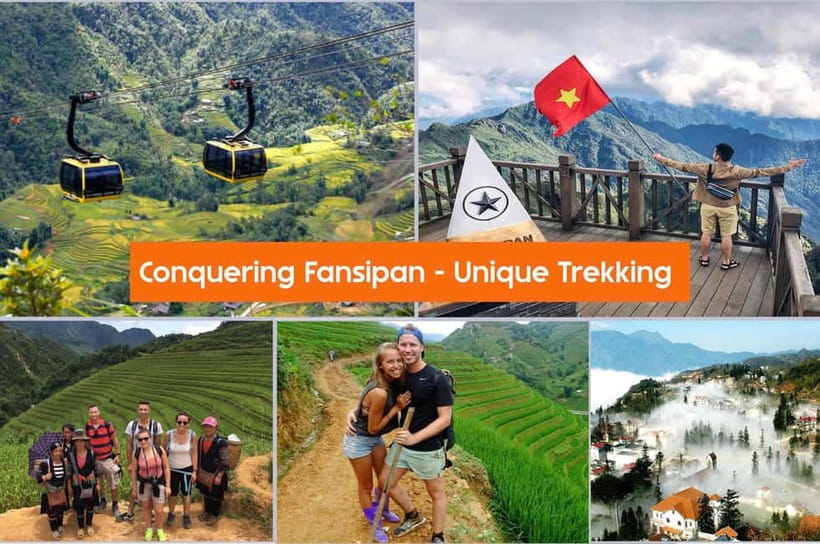
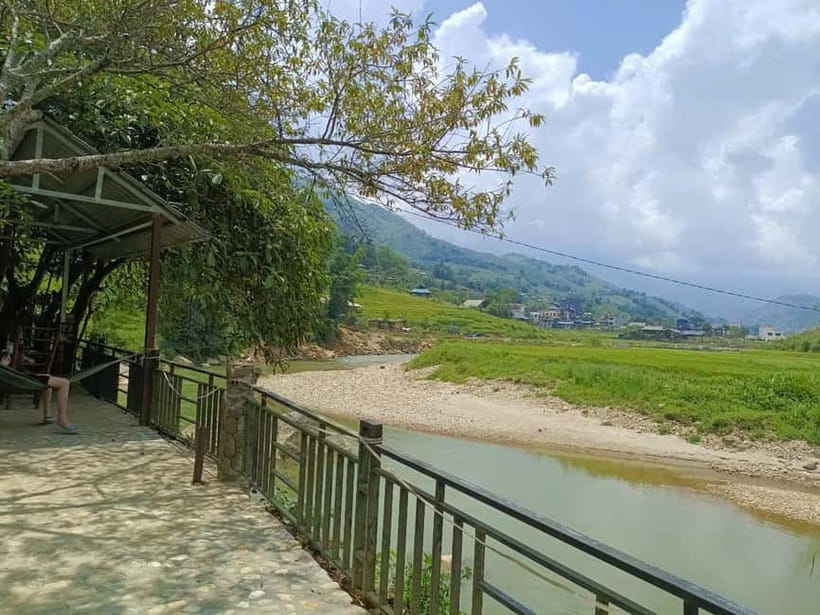
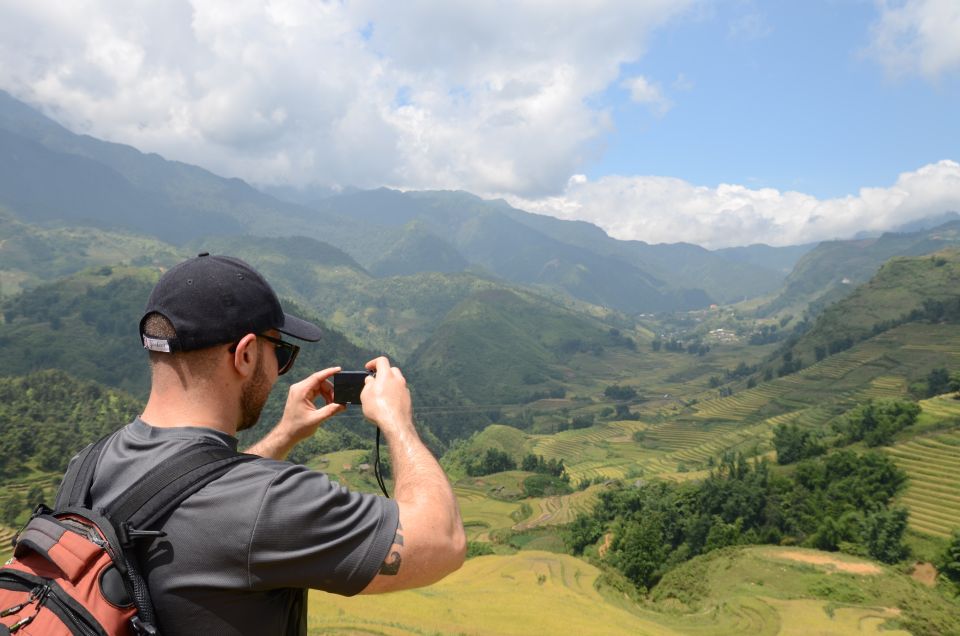
Then comes the main event: a trek through rice terraces and along the Muong Hoa Stream. You’ll end up in the Black Hmong village of Lao Chai, surrounded by the Hoang Lien Son mountain range. The value here isn’t just the views. It’s the way the walk helps you connect mountain scenery to human life: farming, paths, small home routines, and how communities move through the hills.
The visit includes an entrance ticket for Lao Chai Ta Van and uses a local English-speaking guide. Names like Song/Somg and Than show up in guide feedback, often praised for being attentive and organized. That matters because the trek is more enjoyable when someone helps you understand what you’re seeing—what’s practical about the terrain, what people farm, and how daily culture works beyond photos.
What to expect on the ground:
- You’ll be walking on uneven ground, and sometimes in wet or slippery conditions depending on weather.
- You should wear real trekking shoes, not “tourist sneakers.”
- Bring insect repellent; this region can be bug-friendly.
Trekking time varies by pace, but one report described the walk at just over 3 hours at a leisurely pace, with frequent photo stops. That’s a realistic target if your group is comfortable and your guide keeps it relaxed.
When you’re done, transport returns you toward the hotel area for dinner. There’s also a car from Lao Chai Ta Van back to the hotel, which keeps the day from turning into a long, exhausting hike.
Sapa overnight: 3-star comfort, meals, and what varies most
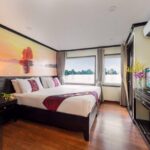
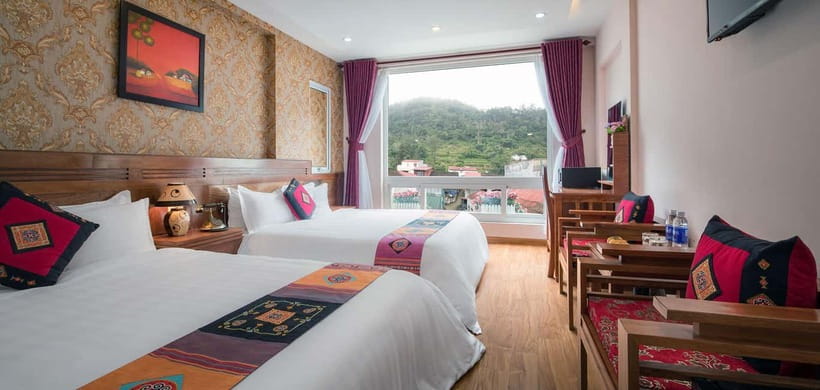
This tour includes a double or twin room in a 3-star hotel (twin-sharing basis) for one night. You’ll also get dinner on day one and breakfast on day two. On paper, that’s great value because you don’t have to plan meals around the trek schedule.
In real life, hotel feedback is mixed. Some people describe clean, spacious rooms and even a nice bonus like a pool. Others say the room quality is basic—things like missing toilet paper or towels not being easy to find. Internet can also be spotty in some accommodations.
Here’s how to handle that as a traveler: treat the hotel as a base. Pack a small “comfort kit” (like a small tissue pack) and don’t count on perfect Wi‑Fi. You’re here for the mountains and the walking day, not a luxury resort.
Meal-wise, most people say food is good enough for a tour package, but some report set menus that weren’t great. One very direct downside shared in feedback involved seeing a pig being slaughtered near a restaurant during a meal. If you’re sensitive to farm realities, you might want to mentally prepare for the fact that rural supply chains are close to where you eat.
Day 2 to Fansipan: cable car up, temple visit, and the 600 steps
After breakfast, you transfer to the cable car station. Your driver helps you buy the ticket, because the cable car round-trip is not included. The cost is listed as about 35 USD per person, payable on arrival.
The ride itself is short—about 20 minutes—but it’s a turning point day. Fansipan is the Roof of Indochina, and the motion from valley altitude into the mountain cloud zone changes how the air feels fast.
At the top, you’ll:
- visit the pagoda area
- climb 600 steps to reach the peak (you do it yourself after the cable car)
- take in the views if the weather cooperates
The big “how it feels” detail is altitude. Some people describe getting a little giddy from being around 3,400 meters. If you’re prone to motion sensitivity or altitude discomfort, take it slow, sip water, and don’t treat the steps like a sprint.
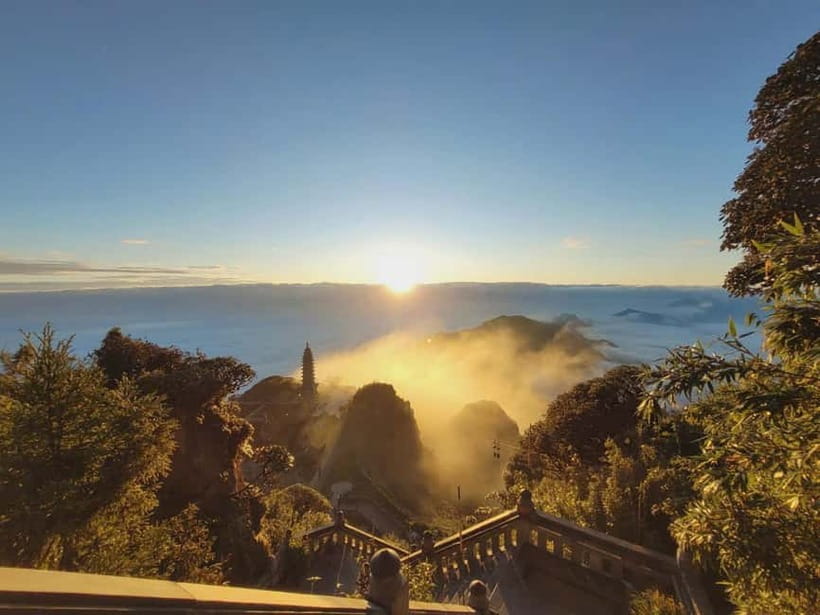
Also: Fansipan is famous for fog. When weather is rainy or windy, the temple climb can be cold and physically challenging. One account described the climb as hard in rainy conditions with limited visibility at the peak, but still worth doing for the experience itself.
And if you’re thinking about views: plan for “cloud photography” as a possibility. When you can’t see far, you still get the atmosphere—mist, wind, and the sense of being at the roof of the region.
Weather reality on Fansipan Peak: plan for fog, cold, and crowding
This is where expectations matter most. Even with the best schedule, cloud can erase the long-distance panorama. When that happens, don’t assume you wasted the trip. You’re still going to a major summit experience with temple atmosphere and mountain air that feels different from Sapa town.
What you should bring because conditions can shift:
- A jacket (top area can be cold)
- Sunglasses and sun cream (sun can pop through when clouds lift)
- Insect repellent
- Trekking shoes again, because those steps and surfaces can be slippery
If the day is stormy, the steps plus wind can feel like work. That’s normal here. Move steadily, keep your breathing controlled, and take breaks if you need them.
Crowds can also be part of the peak experience, especially in peak seasons or around holidays. If you want calmer photos, aim to take your time at the edges of the main flow rather than standing in the densest clusters.
One more heads-up: on some departures, Fansipan access can be affected by operational issues, and the program may substitute another major sight in the area (Glass Bridge was mentioned in one case). When this happens, you’ll get a different “top-of-the-mountain” style experience, so don’t book purely for one single view.



Money and packing: cash habits in Sapa and step-smart clothing
This tour includes several things, but it still leaves you with key pay-as-you-go items. Most importantly, the cable car ticket.
Sapa also has a practical cash rule:
- Bring cash in Vietnamese Dong because the banking system can be unreliable.
- US dollars, euros, and Australian dollars are accepted in Sapa.
That means you should arrive prepared before you get stuck. Exchange enough for small purchases, toilet fees at breaks, and the cable car ticket (unless you’re paying with a currency you know is accepted).
Luggage-wise, you’re told you can store items in the bus trunk during the transfer, then keep luggage at the hotel in Sapa before trekking. That’s helpful. It keeps you from carrying heavy bags on the hike.
Step-smart clothing matters too. Use breathable layers. If you get warm on the approach, you can shed a layer before you hit the cooler summit air.
Value check: what you’re really paying for in two days
There’s no single way to “compare” value without a price list, but you can do the logic yourself.
You’re paying for:
- Round-trip bus between Hanoi and Sapa
- 1 night in a 3-star hotel (twin-sharing)
- Meals: 2 lunches, 1 dinner, 1 breakfast
- Entrance ticket for Lao Chai Ta Van
- Local English-speaking guide for the trek portion
- Transfers between the hotel and cable car station
- Car back from Lao Chai Ta Van to the hotel
What costs extra:
- Fansipan cable car round trip (around 35 USD per person, pay on arrival)
- Holiday surcharge of 700,000 VND per person on listed dates (like April 30–May 1, Sep 1–3, Dec 24–31, and Jan 1)
So the real value is that the package removes planning stress. You don’t have to coordinate transport, hotel check-in, meals around a trek schedule, or guide support for the village visit. You’re essentially buying structure. If you’d otherwise have to piece everything together yourself (and especially if you want a trek guided in English), this is usually money well spent.
Where value can wobble:
- Hotel quality may vary.
- Food quality can be basic depending on the set menu.
- Cable car weather is out of anyone’s control.
Who this Sapa–Fansipan tour suits best (and who should reconsider)
This fits you well if:
- you want a two-day taste of the hills without planning details
- you enjoy village walking with a guide, not just a bus-to-summit schedule
- you want both cultural time (Lao Chai Ta Van) and peak time (Fansipan)
- you’re comfortable with steps and possible cold wind at altitude
You might reconsider if:
- you hate altitude and steep climbs (the 600 steps aren’t optional once you reach the peak path)
- you dislike cold weather and can’t handle rain or fog conditions with patience
- you need consistently high hotel comfort every night
Should you book the 2-day Sapa Limo Bus and Fansipan tour?
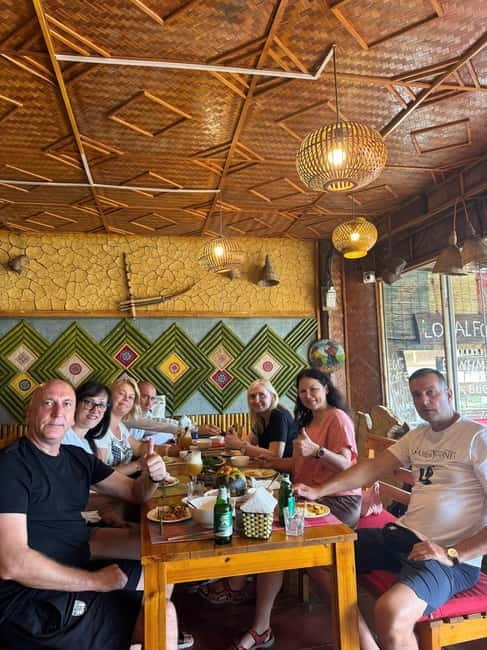
If you want one clean package that covers transport, a guided village trek, a summit-style day, and meals, I’d say this is a strong choice—especially if you like the idea of combining Lao Chai Ta Van culture with the big-name draw of Fansipan.
Book it if you’re flexible on weather. Pack for cold and damp. Keep your expectations realistic about visibility at the top. If you do that, you’ll likely come away with the best part of northern Vietnam: mountain life up close, then that sense of being high enough to see the clouds moving below.
FAQ
What’s included in the tour package?
The tour includes round-trip bus tickets between Hanoi and Sapa, a 3-star hotel room (double/twin, twin-sharing), 2 lunches, 1 dinner, and 1 breakfast, entrance tickets for Lao Chai Ta Van, a car from Lao Chai Ta Van back to the hotel, a local English-speaking guide for the Lao Chai Ta Van portion, and round-trip transfer from the hotel to the cable car station.
Do I need to pay extra for the cable car to Fansipan?
Yes. The cable car round-trip ticket is not included and costs about 35 USD per person, payable on arrival.
Is the Fansipan climb mandatory?
After the cable car ride, you visit the pagoda and then climb 600 steps to the peak on your own. The 600-step climb is part of the visit.
How much trekking is on day 1?
Day 1 includes a trek through rice terraces and along the Muong Hoa Stream, arriving in Lao Chai village as part of the Lao Chai Ta Van experience. One account described the walk at just over 3 hours at a leisurely pace with photo stops.
What meals are provided over the two days?
You’ll have breakfast on day 2, lunch on both day 1 and day 2, and dinner on day 1. Meals are included in the package.
What should I bring for the trek and mountain weather?
Bring trekking shoes, sunglasses, sun cream, insect repellent, and any needed medication. A jacket is also important because Fansipan can be cold, especially in rainy or windy conditions.
Should I bring cash in Vietnam?
Yes. Bring cash in Vietnamese Dong because banking in Sapa can be unreliable. US dollars, euros, and Australian dollars are accepted in Sapa.
You Might Also Enjoy

More 2-Day Experiences in Hanoi
- Doris Cruise 5 star cruise 2 days visiting Halong Bay Lan Ha Bay private balcony
★ 5.0 · 2,338 reviews


More Tours in Hanoi
- Ninh Binh Full-Day Tour from Hanoi to Hoa Lu, Tam Coc & Mua Cave Via Boat & Bike
★ 5.0 · 4,384 reviews