
REVIEW · MUSEUMS
Hanoi: War Site Museums Tour
Book on GetYourGuide →Operated by Vietnamtravelers · Bookable on GetYourGuide
Prisons and airplanes tell Vietnam’s war story fast. This guided day links Hoa Lo Prison to the broader Vietnam independence narrative, then adds the sobering aviation chapter at the B-52 Victory Museum. I like how the tour keeps it human and direct, but one thing to keep in mind is that museum visits can change on Mondays and Fridays.
You’ll be with a live English guide in a small group, and the pace is built for questions instead of rushing. Pickup is optional, transport is handled, and the day includes entry tickets plus a coffee or drink break—though the route can shift if certain sites are closed.
In This Review
- Key Highlights You’ll Actually Feel
- Hanoi’s War Museums: Why a Guided Walk Matters
- Hoa Lo Prison, the Hanoi Hilton: Where the Story Turns Personal
- Ho Chi Minh Museum: Following the Independence Thread
- Vietnam Military History Museum: Making the War Coherent
- B-52 Victory Museum and Huu Tiep Lake: Aviation’s Human Cost
- Timing, Pacing, and the Small-Group Advantage
- Price and Value: What $30 Really Covers
- What to Expect on the Day (and What to Bring)
- Who This Tour Is Best For
- Should You Book This Hanoi War Site Museums Tour?
- FAQ
- How much does the Hanoi War Site Museums tour cost?
- How long is the tour?
- Is a guide included, and is the tour in English?
- What’s included in the price?
- Is hotel pickup available?
- Which sites might be closed, and what happens then?
- Where do you get dropped off?
- What should I bring?
- Are there any restrictions during the tour?
- FAQ
- Is the tour suitable for very elderly visitors?
Key Highlights You’ll Actually Feel
- Hoa Lo Prison (Hanoi Hilton): Walk through cells and corridors tied to real stories of survival
- Ho Chi Minh legacy: See how his leadership shaped Vietnam’s path to independence
- B-52 Victory Museum and Huu Tiep Lake: Aircraft, bombing impacts, and the physical reminder outdoors
- Vietnam Military History Museum context: Put the war pieces together beyond one site
- A guide who answers clearly: Multiple guides (like Minh, Mark, Tee, Nam, and Nathan) are praised for strong English and patient explanations
- Small-group comfort: More time to ask questions, even if your group includes teens
Hanoi’s War Museums: Why a Guided Walk Matters
Hanoi can feel like a city of layers—old streets, big boulevards, and then these museums that stop you mid-step. A guided tour is the difference between reading captions and understanding why these places matter. With a knowledgeable English-speaking guide, you get the story behind the artifacts: who was affected, why particular events happened, and how the war is remembered in Vietnam.
What I like most is that this tour doesn’t try to cover everything in a textbook way. It connects three themes that people often treat separately: imprisonment and resistance, leadership and independence, and the air war’s long shadow. If you only have one day and you want more meaning than photos, this is a smart fit.
The only caution: some major stops can be closed on Mondays and Fridays. If your schedule lands on one of those days, you can still go outside the museum campus, but expect fewer indoor exhibits.
You can also read our reviews of more museum experiences in Hanoi



Hoa Lo Prison, the Hanoi Hilton: Where the Story Turns Personal
Hoa Lo Prison is the heart of the experience, and the atmosphere is not subtle. Even if you know the nickname Hanoi Hilton, seeing the place in person changes how you process it. You’re not just learning history—you’re moving through the same kinds of hallways and spaces where stories of bravery, survival, and confinement played out.
On this tour, your guide frames what you’re seeing so it doesn’t feel like a random collection of exhibits. You learn the history behind the prison’s reputation and how prisoners’ lives were shaped inside those walls. The point isn’t to make it dramatic. It’s to help you understand what incarceration did to people day after day.
One practical benefit: walking as a group with a guide keeps you from getting stuck in the “what am I looking at?” trap. You know what to pay attention to, and you can ask questions without feeling lost.
Comfort note: you’ll want comfortable shoes. This stop involves walking through museum spaces and corridors, and your legs will notice the pacing before your brain does.
Ho Chi Minh Museum: Following the Independence Thread
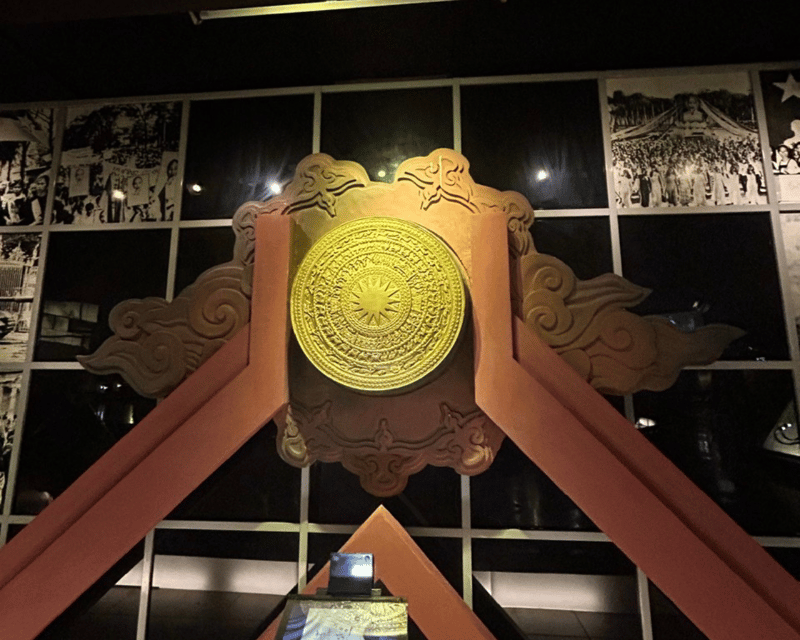
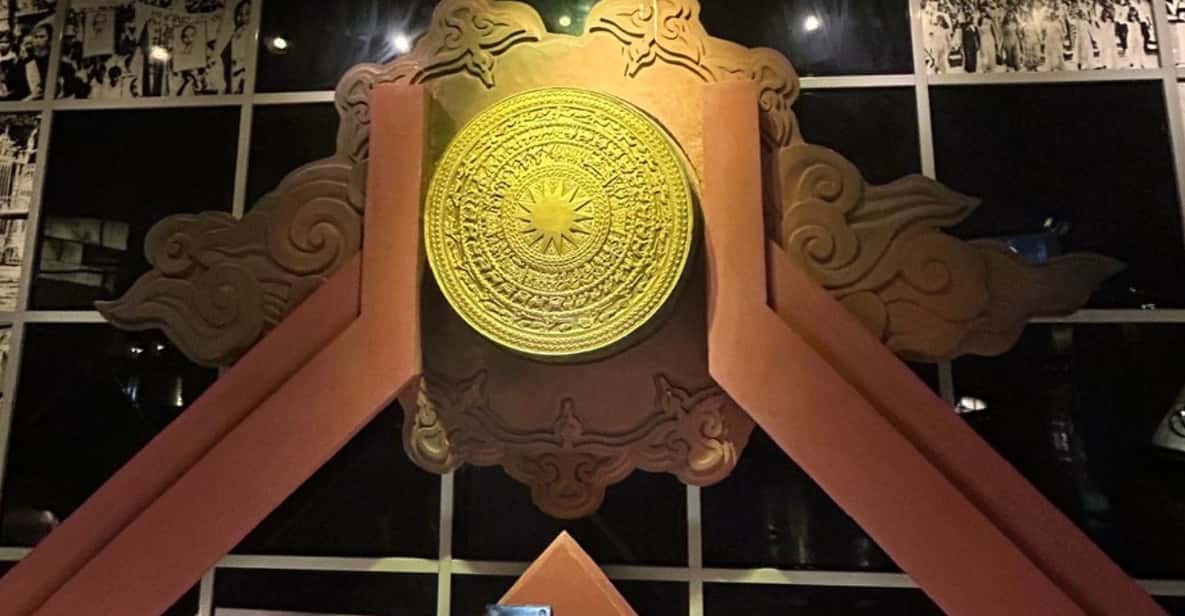
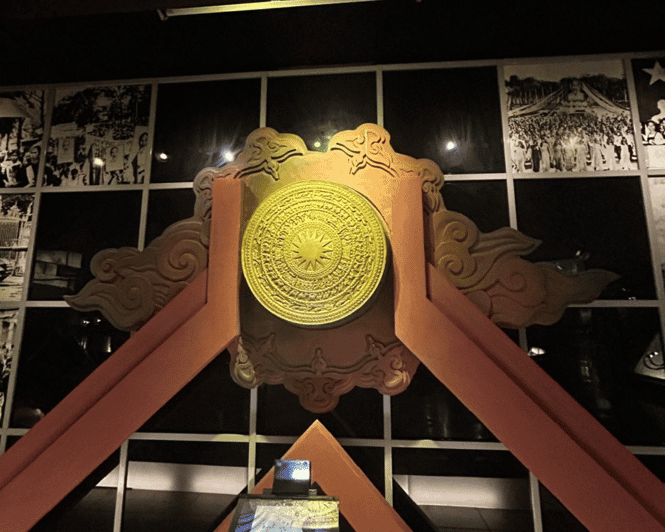
After Hoa Lo, the tone shifts in a useful way. The Ho Chi Minh Museum focuses on leadership and legacy—specifically how Ho Chi Minh’s vision influenced Vietnam’s drive for independence.
This part matters because it gives the war story a spine. Without it, it’s easy to view events as isolated episodes: a prison, a battle, a bombing campaign. With this museum stop, you connect the emotional and political layers: why certain sacrifices were made, and how a national goal held together under pressure.
The guide’s role is key here. Instead of just listing dates and titles, they help you interpret what the museum is trying to communicate. Several English-guide experiences highlighted how well guides can explain the material clearly, answer follow-up questions, and adjust when the group needs a slower pace.
Timeline caution: the Ho Chi Minh Museum can be closed on Mondays and Fridays. If it’s closed on your day, the tour will still cover outside-the-campus viewing, but you’ll have fewer indoor interpretive displays.
Vietnam Military History Museum: Making the War Coherent
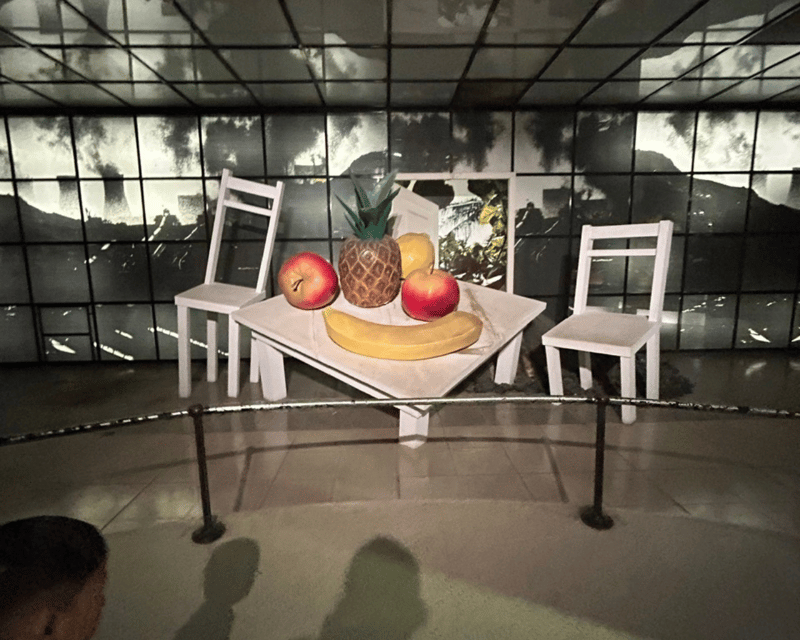
The Vietnam Military History Museum slot helps you zoom out. If Hoa Lo Prison hits you on the personal level and Ho Chi Minh frames the political level, this stop helps stitch the larger picture together.
Even if you’re familiar with the Vietnam War in broad terms, military museums tend to show you the mechanics: how forces adapted, what strategies mattered, and how the conflict evolved. A guide helps you avoid the common mistake of treating everything like separate compartments.
I like this stop because it can turn “I know this happened” into “I understand how it happened.” The museum’s breadth means it can overwhelm if you try to self-tour. With a guide, you get a route through the material that makes sense for your time and attention span.
Again, closure timing matters. If you’re on a Monday or Friday, the Vietnam Military History Museum may be unavailable, and the day may shift toward outside-campus stops only.
B-52 Victory Museum and Huu Tiep Lake: Aviation’s Human Cost
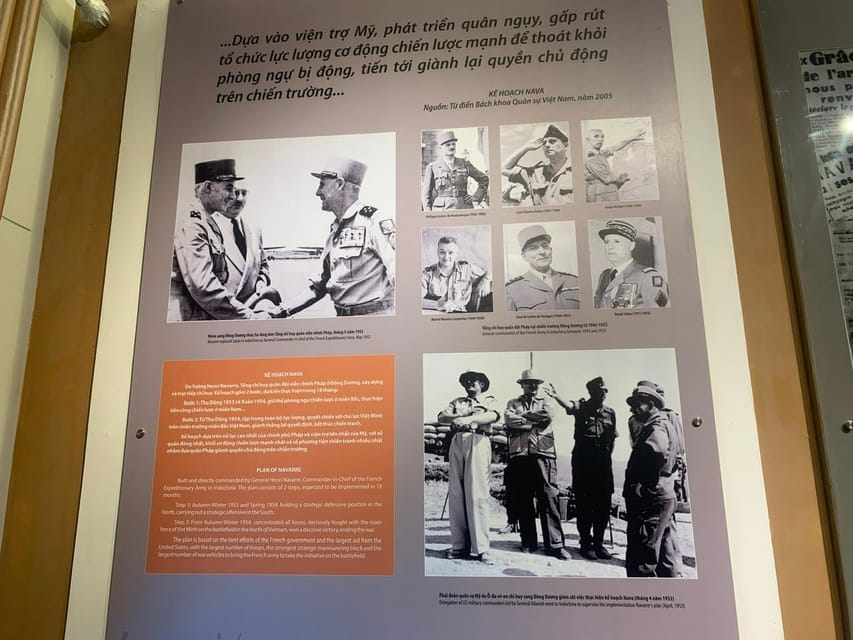
This is the aviation section, and it’s the one that tends to stay with people after the tour ends. Vietnam’s wartime efforts weren’t only ground fighting. Aircraft and air campaigns shaped fear, logistics, and daily life—and the B-52 Victory Museum focuses on that reality.
You’ll see aircraft and hear the story of pilots and aerial strategies. The guide connects those details to the larger campaign, including what the B-52 bombing effort meant and how Vietnamese people showed resilience through it.
The outdoor stop at Huu Tiep Lake adds a different kind of weight. Standing by the remnants of a B-52 bomber is a powerful contrast to how war is often explained in classrooms. Here, the conflict isn’t abstract. The evidence is physical, and it changes the way you imagine the past.
One more detail I’d plan around: this tour includes a coffee or drink break. In practice, that break often aligns with the overall day flow, and some guides use it to slow things down near the B-52 crash spot area. It’s a welcome reset when the story gets heavy.






Timing, Pacing, and the Small-Group Advantage
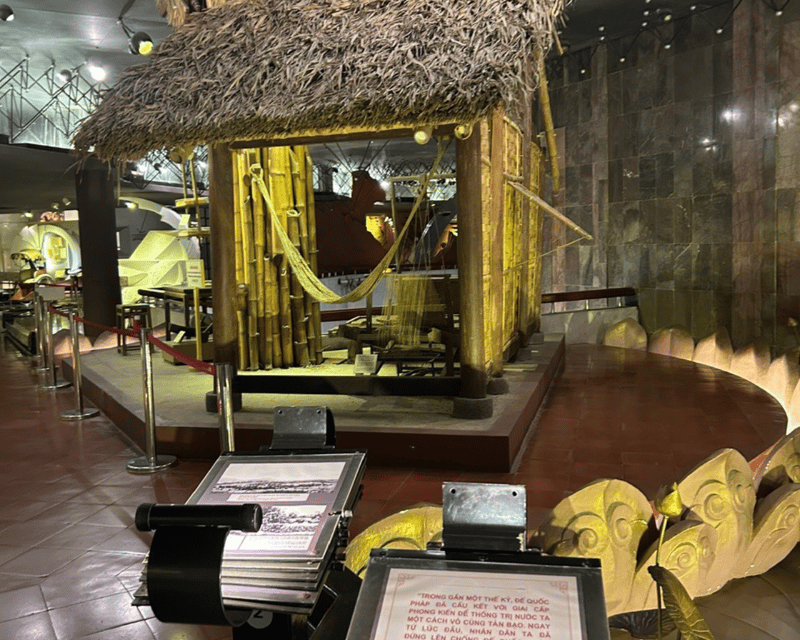
This tour runs long enough to feel complete but not long enough to become a slog. Expect 210 minutes to 8 hours, depending on your starting time and how the day plays out.
A small group is more than a comfort perk here. War museums can generate a lot of questions and emotions. When you’re in a smaller group, your guide can actually respond instead of moving on to keep a schedule moving. Several guide experiences emphasized that patience and the ability to handle questions, including questions from a 14-year-old, are part of what makes the day work.
You also get flexibility in the best sense of the word: the experience can be tailored with additional sites. That’s valuable if you want a slightly different balance—more time at a particular museum or more street-level context around the area.
Practical tip: if you opt for pickup, the guide will meet you at your hotel and you should wait in the lobby about 5 minutes before pickup time. That keeps things smooth.
Price and Value: What $30 Really Covers
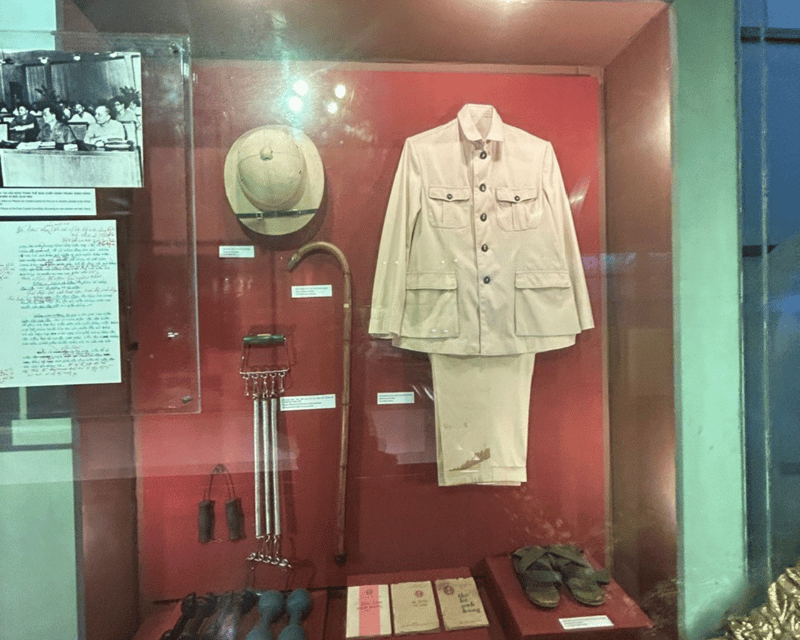
At $30 per person, this tour offers strong value if you factor in what’s included. You’re getting:
- A live English guide
- Entry tickets
- Transportation by taxi or car
- Coffee or drink
That’s a lot to bundle into one price in Hanoi. Self-touring might look cheaper on paper, but you’ll pay for tickets, local transport, and the time cost of getting the story straight. The guide’s job is basically to prevent you from spending your day confused—then to make the information stick.
One more value consideration: museum closures on Mondays and Fridays can reduce the indoor component. If you’re choosing dates based on specific sites (Ho Chi Minh Museum, B-52 Victory Museum, Vietnam Military History Museum), check your calendar first. If your chosen day lands on a closed museum day, the tour can still go outside the campus, but your experience may feel lighter than a full museum day.
There’s also a $10 surcharge on certain Vietnamese holidays and key public holidays listed for the tour—like New Year and Tet holidays, Liberation Day/Reunification Day (30/4), International Workers’ Day (01/05), and National Day (02/09). If your travel dates line up with those times, that surcharge is the tradeoff for being there when the city is in full holiday mode.
What to Expect on the Day (and What to Bring)
This tour is designed for walking and museum time. Your best friend is simple: plan for your feet.
Bring:
- Comfortable shoes
Not allowed:
- Alcohol and drugs
You’ll also want to be ready to spend time both inside museum spaces and outside around key areas like Huu Tiep Lake. The day can be emotionally intense, so build in a little mental patience with yourself. You’re not supposed to process everything at once. The guide helps you pace the story so it lands in stages.
Who This Tour Is Best For
This tour is a great match if you:
- Want an English-guided explanation of major Vietnam War sites in Hanoi
- Prefer a story-driven visit over self-guided wandering
- Like asking questions (and want real answers, not vague captions)
- Have limited time and want a structured day that links prison, leadership, and air war
It’s also a good choice for first-time Hanoi visitors who want context fast. Several guide experiences highlight strong English clarity and the ability to explain history in a way that feels accessible without oversimplifying.
It may be less suitable if you:
- Need a very light, low-walking pace (this is a walking-focused day)
- Are traveling with someone over 95 years old, since it’s listed as not suitable for that age group
Should You Book This Hanoi War Site Museums Tour?
If you’re the kind of person who wants meaning from a museum visit, book it. The price-to-inclusions ratio is strong, and the structure makes it easier to understand why these places are remembered. The standout elements—Hoa Lo Prison, Ho Chi Minh’s legacy museum, and the B-52 focus with Huu Tiep Lake—create a full arc from imprisonment to independence to air war consequences.
Only skip or rethink if your dates fall on Monday or Friday and you’re specifically counting on the full indoor museum lineup. If you can be flexible with your day, you’ll get the most complete experience.
FAQ
How much does the Hanoi War Site Museums tour cost?
The price is $30 per person.
How long is the tour?
It runs from 210 minutes up to 8 hours, depending on availability and starting times.
Is a guide included, and is the tour in English?
Yes. You get a live English-speaking tour guide.
What’s included in the price?
The tour includes a tour guide, all entry tickets, a coffee or drink, and transportation by taxi or car.
Is hotel pickup available?
Pickup is optional. If you choose it, you’ll be picked up at your hotel and should wait in the lobby about 5 minutes early.
Which sites might be closed, and what happens then?
Ho Chi Minh Museum, B52 Victory Museum, and Vietnam Military History Museum are closed on Mondays and Fridays every week. If your tour falls on those days, the tour will only go outside the campus.
Where do you get dropped off?
There are two drop-off locations: Hanoi and Hanoi Train Street.
What should I bring?
Wear comfortable shoes.
Are there any restrictions during the tour?
Alcohol and drugs are not allowed.
FAQ
Is the tour suitable for very elderly visitors?
The tour is not suitable for people over 95 years old.
You Might Also Enjoy




More Museum Experiences in Hanoi

More Tours in Hanoi
- Ninh Binh Full-Day Tour from Hanoi to Hoa Lu, Tam Coc & Mua Cave Via Boat & Bike
★ 5.0 · 4,384 reviews