REVIEW · HIKING & TREKKING
Mount Fansipan Hike 1 Day The Roof Of Indochina
Book on Viator →Operated by Sapa Khai Hmong Treks · Bookable on Viator
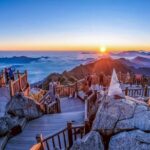
Fansipan is the kind of hike you remember for years. This 1-day trip in Sapa takes you from Tram Ton Pass up to 3,143 meters, where the air turns crisp and the views feel like they sit above the clouds.
I like that the day has a clear rhythm: you start early, climb through rolling hills, stop for lunch at 12 PM, then finish the descent by 4:00 PM. I also like that it’s guided in a practical, real-world way—bottled water and lunch are included, and the group stays capped at 20 so it doesn’t turn into a stampede.
One drawback to consider: this is about 24 km with changing terrain at higher altitude, so it’s not a relaxed walk. If you’re not already comfortable with sustained uphill effort, you’ll want to plan for slower pacing and extra attention to clothing, shoes, and snacks.
In This Review
- Key Highlights You’ll Feel on the Trail
- Why Fansipan Feels Like the Roof of Indochina
- Pickup at 5:30 AM and the Tram Ton Pass Start
- Hike Profile: 24 Kilometers, Altitude, and Smart Pacing
- Guide Pace and Your Photos: How to Get What You Want
- Reaching 3,143 Meters: Views Above the Clouds
- The 12 PM Lunch and the Descent to 4:00 PM
- Price and Value: What $185 Covers (and What It Doesn’t)
- Who Should Choose This 1-Day Fansipan Hike
- Weather Matters: The Day Can Change
- Should You Book This Mount Fansipan 1-Day Hike?
- FAQ
- How long is the Mount Fansipan hike?
- What time do I start and when do I finish?
- Are you picked up in Sapa?
- What’s included in the $185 price?
- What should I bring since snacks and drinks aren’t included?
- What happens if the weather is bad?
Key Highlights You’ll Feel on the Trail
- Summit altitude at 3,143 m with views above the cloud layer
- A tough-but-doable 1-day plan with lunch at 12 PM and descent by 4 PM
- Pickup from anywhere in Sapa plus a ride to Tram Ton Pass
- Small-group feel with up to 20 people
- Includes bottled water and lunch, so you can pack lighter
- Weather-dependent timing, since the hike needs good conditions
Why Fansipan Feels Like the Roof of Indochina
Mount Fansipan is the highest mountain in Indochina, and that label matters because it changes the whole hike. When you climb up toward 3,143 meters, the air gets sharper, the weather can shift fast, and the scenery starts to feel bigger than the road-and-village life around Sapa.
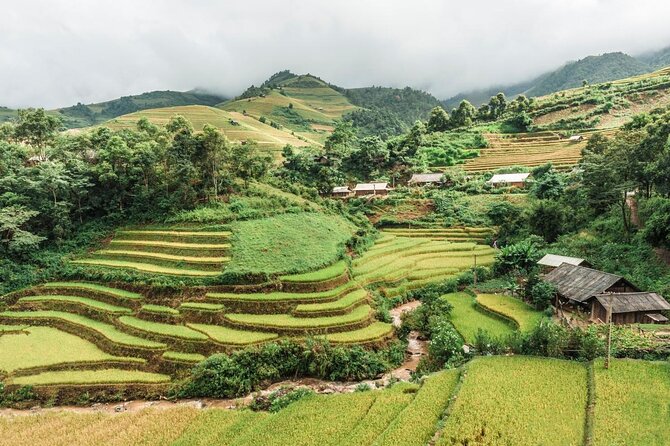
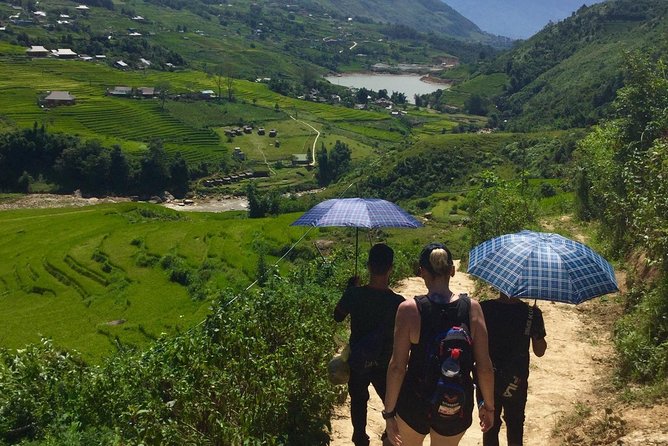
What I love about this climb is the mix of variety in the day. You begin with rolling hills, then the terrain becomes more demanding as you gain altitude. That gradual change is exactly what helps you judge your effort. You’re not just going up in one straight line; you’re walking through different “moods” of Sapa—moving from greener low trails into that higher, cooler zone where visibility and light often feel different.
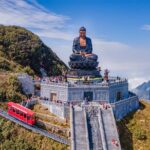
The summit payoff is also straightforward: once you reach 3,143 meters, you’re at the highest point of the mountain range. From there, you can take in broad views over forests and the surrounding area below. It’s the kind of moment where you don’t need a guide script—you just look, breathe, and realize you did something serious in a single day.
You can also read our reviews of more hiking tours in Sapa
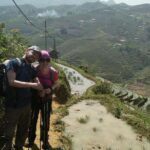
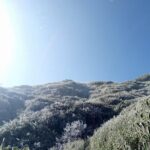
Pickup at 5:30 AM and the Tram Ton Pass Start
The schedule is built around early light, and that’s a big part of why this hike works. You’ll be picked up around 5:30 AM from anywhere in Sapa, then driven to Tram Ton Pass where the hike begins. The activity start time is 6:00 AM, so you can think of it as: you’ll be in motion before sunrise and hiking shortly after.
This early start also helps with two common realities in Sapa:
- you get cooler hiking temperatures in the higher parts of the day
- you’re more likely to have decent visibility before weather shifts
Your meeting point for the start is listed as Guide Francophone Trek Sapa, in Sa Pa (Lao Chải area). The key practical thing: you want to be easy to find at pickup time. If you’re staying outside the center, confirm where the driver will pick you up so you’re not hunting around in the dark.
The group size is capped at 20, which I think is a sweet spot for a hard hike. It’s small enough that you can ask questions without shouting the whole day, and big enough that you’re not stuck with a private pace unless the guide decides to go that way.
Hike Profile: 24 Kilometers, Altitude, and Smart Pacing
On paper, 1 day can sound manageable. Then you see the details: roughly 24 km and changing terrain as you rise to the summit level. That’s why this hike asks for more than “I walk a bit” fitness. You need stamina, steady legs, and the kind of mindset that doesn’t panic when the hike slows down.
Here’s what this profile means for you on the ground:
- Uphill is not optional. Even if some sections feel rolling, your overall direction is gain in altitude.
- Higher altitude adds effort. You may feel it as quicker breathing or a slower pace even on sections that look similar to the lower trail.
- Shoes matter more than you think. Proper hiking shoes or boots and good grip help you save energy for the steep moments.
The tour guidance also explicitly flags what to bring: proper clothing, shoes/boots, snacks, water supplies, rain gear, and sun protection like hats. I treat this as the minimum for a long day. Even though bottled water is included, you’ll still benefit from extra hydration if you run hot or sweat a lot.
Snacks are a big one. The day includes lunch at 12 PM, but before then you’ll likely need steady fuel. For a 24 km day, I’d pack more than one snack unless you know your personal routine. Think small, easy-to-eat items that won’t turn into a chore halfway up.
Guide Pace and Your Photos: How to Get What You Want
A hard truth about guided hikes is that the best experience is often the one you actively steer. The trip runs on timing: get to the summit area, have lunch at 12 PM, then complete the descent by 4:00 PM. That structure can feel smooth if you’re moving at a similar pace as the group.
If you prefer more stops for photos, short breaks, or questions about what you’re seeing, you’ll need to communicate that early. The good strategy is simple: ask for a photo stop and ask for explanations while you still have energy, not at the end when legs are burning.
Since the guide is described as francophone, you can also plan to keep questions clear and direct. I’d come prepared with one or two topics you actually care about—trail conditions, local areas you’re passing, or what to expect near the high altitude zone—so you’re not left with awkward, slow back-and-forth when everyone is tired.
Also remember: on a day where weather matters, the guide may adjust timing for safety. If clouds roll in or the conditions change, trust the plan. A rushed feeling usually comes from mismatched expectations, not from you being a burden—so be upfront about what you want, and the day becomes better for everyone.
Reaching 3,143 Meters: Views Above the Clouds
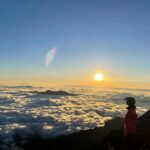
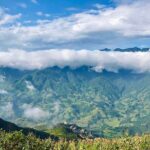
The heart of this hike is the climb up to 3,143 meters, the point where Mount Fansipan earns its headline status. The altitude shift is one of the most noticeable changes you’ll feel all day. The air turns crisp, and you can start to sense that the cloud layer isn’t just nearby—it’s part of the landscape you’re stepping into.
When you get high enough, the views open in a way that feels different from early trail scenery. Instead of focusing on your feet and the next turn, you spend time looking outward. Depending on conditions, you may see layered forests, the surrounding mountain area, and the valleys below.
This is also where you want to slow down—not with your legs, but with your attention. Take a few minutes to breathe, take photos without rushing, and let your body adjust to the cooler air. If you’re someone who tends to “power through” climbs, this summit moment is the payoff that makes it worth doing a full 24 km day.
Then comes lunch at 12 PM. Even though the summit is the headline, lunch is what keeps your descent safe and sane. Eating before the downhills helps you avoid that shaky feeling in the legs later, especially on uneven footing.
You can also read our reviews of more tours and experiences in Sapa
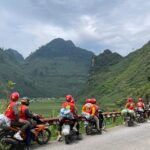

The 12 PM Lunch and the Descent to 4:00 PM
After lunch at 12 PM, the plan turns back downhill. Descents can be harder than they look because your knees and ankles take the stress. Finishing by 4:00 PM means there’s a steady pace built into the day.
I like this structure because it prevents the “endless hike” problem. You get clarity: climb, lunch, then descent with a finish time that lets you plan the rest of your evening in Sapa.
A practical note: lunch is included, but snacks are not. If you’re the kind of hiker who gets hungry early or you sweat heavily, bring a few snack options for the stretch before lunch. It can make the summit experience feel calmer instead of driven by hunger.
As you descend, you’ll probably notice how your energy changes. Uphill taxes you differently than downhill. The best trick is to use small, controlled steps and keep your mind on balance. If rain rolls in or the trail is slick, rain gear becomes more than comfort—it becomes safety and confidence.
By the time you finish the descent by 4:00 PM, you’ll be dropped back at the meeting point. That gives you a clean end to the day, and it’s easier to transition back to normal meals and rest.
Price and Value: What $185 Covers (and What It Doesn’t)
This hike costs $185 for a 1-day Mount Fansipan effort from Sapa. For me, the real question isn’t just the price tag—it’s what you get for that full day of work.
Included:
- Bottled water
- Lunch
- Pickup offered from around Sapa
- A guided hike with transportation to Tram Ton Pass
Not included:
- Snacks
- Coffee and/or tea
- Soda/pop
- Alcoholic beverages
So here’s the value math I’d do in my head: you’re paying for an early start, transport up to the trailhead, a guide to manage a tough route, and food support through lunch plus water. The extra you need to add is mostly personal: snacks and any drinks beyond lunch.
If you already pack snacks and you’re okay skipping coffee or soda for one day, this becomes a straightforward cost for a serious hike. If you like buying drinks on the go, plan for that. And because it’s weather-dependent, you may also want to keep flexibility in your schedule so you’re not locked into other plans that day.
Who Should Choose This 1-Day Fansipan Hike
This is best for you if:
- you’re comfortable with a long, uphill day around 24 km
- you can handle changing terrain and a big elevation gain
- you want a one-day challenge rather than a multi-day trek
- you prefer a guided experience with pickup and lunch included
It may not be your ideal pick if you’re looking for an easy stroll or you have limited hiking stamina. The altitude and distance stack up fast, and the day moves to a schedule: lunch at 12 PM, back down and finished by 4:00 PM. That works well if you like structure, but it’s not the best fit for “let’s wander forever” hiking.
I also think this tour fits travelers who value a straightforward adventure day in Sapa. You get the key mountain moment—3,143 meters—without needing to dedicate multiple days to logistics.
Weather Matters: The Day Can Change
Mount Fansipan is known for unpredictable conditions, and this specific experience notes that it requires good weather. If poor weather forces cancellation, you’ll be offered a different date or a full refund.
That’s important because a high-altitude hike isn’t something you want to treat like a casual weather gamble. If your trip window is tight, choose your dates carefully. If you can be flexible, you’ll have a better chance of getting a workable weather day.
Should You Book This Mount Fansipan 1-Day Hike?
I’d book this if you want the real Fansipan experience in a single long day, you’re physically ready for about 24 km with altitude gain, and you’ll pack your own snacks and proper gear. The $185 price feels most fair when you treat it as transport + guide + lunch support for a serious climb, not as an all-in comfort hike.
I wouldn’t book it if you’re hoping for a relaxed pace, because the day is timed and the trail gets demanding. But if you communicate your needs early—especially about breaks and questions—you’ll likely enjoy the summit moment more and feel less rushed.
If you’re in good shape and you’ve got the right shoes and rain gear, this is exactly the kind of Sapa challenge that pays off fast at 3,143 meters.
FAQ
How long is the Mount Fansipan hike?
The experience runs about 10 hours.
What time do I start and when do I finish?
You start at around 6:00 AM and aim to finish the descent by 4:00 PM.
Are you picked up in Sapa?
Yes. Pickup is offered from anywhere in Sapa, and you’ll be taken to Tram Ton Pass to begin the hike.
What’s included in the $185 price?
The tour includes bottled water and lunch.
What should I bring since snacks and drinks aren’t included?
Bring snacks, water supplies as needed, proper clothing, rain gear, sun protection (like a hat), and shoes or boots. Coffee/tea and soda/pop are not included.
What happens if the weather is bad?
If it’s canceled due to poor weather, you’ll be offered a different date or a full refund.