REVIEW · HIKING & TREKKING
Hanoi- SaPa: 3-Day Homestay Trek to Explore Ethnic cultures
Book on GetYourGuide →Operated by Vietnam Nomadtrails · Bookable on GetYourGuide
Sapa feels personal on a homestay trek. I love the mix of village life and guided walking through the Sapa hills, and I really like how this trip uses homestays (not just sightseeing) to help you understand how people actually live. One thing to plan for: the itinerary includes an overnight bus and solid hiking, so cold rain or fatigue can be real on day 1.
I also like that the trek connects specific ethnic groups and villages—Hmong in Lao Chai, Giay in Ta Van, and Red Dzao in places like Giang Ta Chai and Nam Tong—so your photos come with context, not just backdrops. A possible drawback is simple weather reality: you may not see much beyond the trail if it’s foggy or wet early on, even though day 2 and 3 often look much better.
In This Review
- Key things I’d bet on (before you pack)
- Hanoi to Sapa: the rhythm of the overnight bus
- Day 1: Lao Cai, Lao Chai (Hmong), and lunch at a family home
- Day 2: bamboo trails, the Red Dzao route, and a night in Ban Ho
- Day 3: Ban Ho sunrise and the short trek to Nam Tong
- Homestays and meals: what you’ll likely love (and what to expect)
- Trek difficulty and weather: the reality check
- Price and value: is $139 fair for what you get?
- Who this trip suits best (and who should skip it)
- Guide quality: English, local routes, and flexibility
- Should you book this 3-day homestay trek?
- FAQ
- Where is the meeting point in Hanoi?
- What time do you get picked up in Hanoi, and when do you arrive in Sa Pa?
- What does the tour price include?
- How big is the group, and is the guide English-speaking?
- What villages and ethnic groups are visited?
- How many nights do you sleep in homestays?
- What should I bring for the trek?
- Is the trek suitable for children or people with mobility issues?
- Is there an extra charge for Lunar New Year?
Key things I’d bet on (before you pack)
- Two homestays in real villages: you’re not just passing through; you’re hosted overnight.
- A small group (up to 14) with an English-speaking guide who can explain daily life as you walk.
- Ethnic-culture focus with named communities and stops, from Y Linh Ho to Ta Van to Ban Ho.
- Sunrise time in Ban Ho valley: a short trek paired with a scenic payoff.
- Mealtime is part of the experience: lunch at a family home and dinners at homestays.
- Bring trekking-ready gear: comfortable shoes and insect repellent matter more than you’d think.
Hanoi to Sapa: the rhythm of the overnight bus
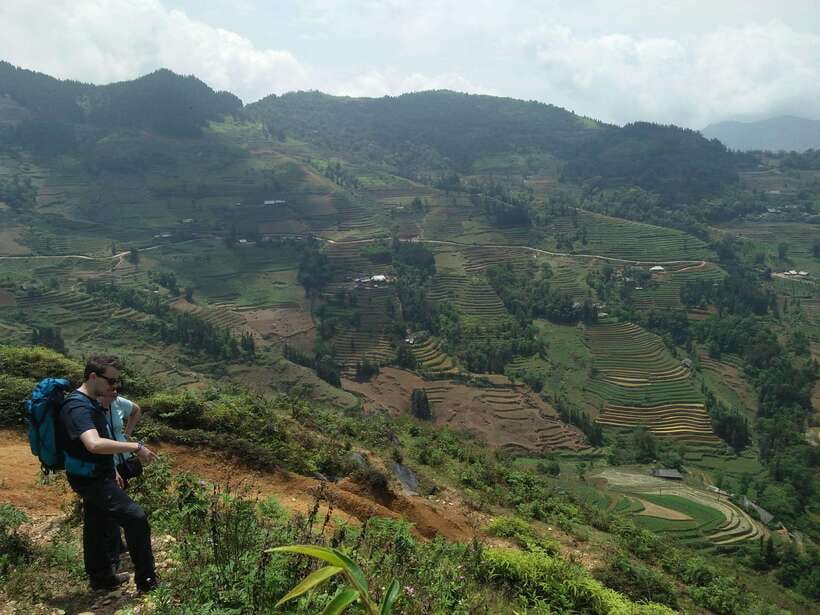
This tour is designed around a classic Hanoi-to-Sapa push: you get picked up in the Hanoi Old Quarter around 20h45, then you ride overnight so you can be in the Sapa area early. The bus arrives around 4:00 AM, and you can sleep until 6:00 AM, when you’ll be woken up and taken to a boutique hotel for breakfast.
Here’s why I think this matters for value: you don’t lose a full day traveling. You roll into a morning routine—breakfast first, then the day begins—so your hiking hours actually feel worth it. Still, be honest with yourself about the bus. Some people describe the sleeping bus as dirty and uncomfortable, so if you’re sensitive to rough rides, plan to treat it like a necessary reset rather than a relaxing transfer.
Practical move: pack a small night kit in your day bag (something warm, a sleep layer, and a water plan). You’ll be happier during the early wake-up and less grumpy when the trail starts.
You can also read our reviews of more hiking tours in Hanoi
Day 1: Lao Cai, Lao Chai (Hmong), and lunch at a family home
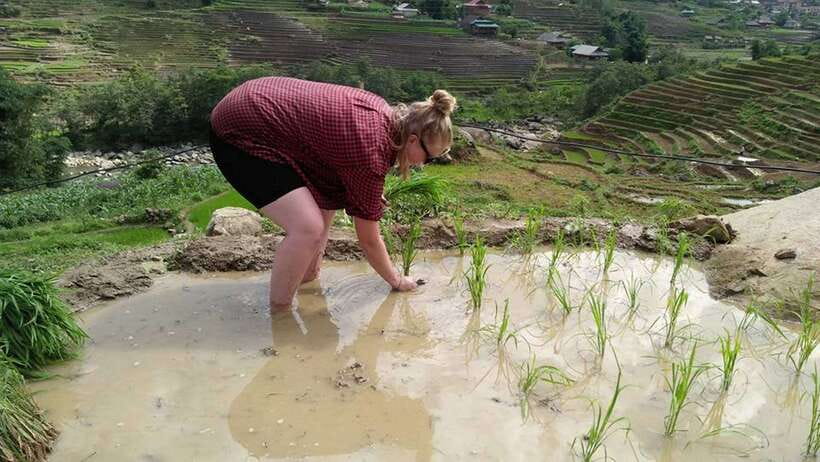
On day 1, after breakfast and meeting your group, the guide picks you up at 9:00 AM for the trek. You start toward Lao Chai—an area associated with the Hmong community—traveling via Y Linh Ho village.
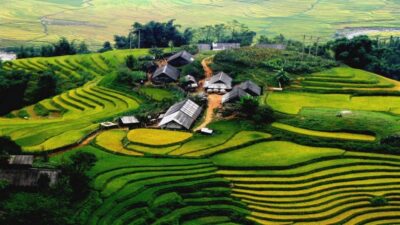
What I love about this start is that it sets expectations fast. You see Sapa’s life at walking speed: fields, paths, and households that feel woven into the terrain. Even when weather limits long views, you still get close-range moments—people working, homes tucked along the route, and the small details that make your photos look real instead of staged.
Lunch is a big part of day 1. You eat in Lao Chai village, in a local family home. That’s the kind of meal stop that changes how you experience a trek. You’re not eating “near the trail”; you’re eating with someone’s routine.
From there, you keep trekking to Ta Van village, home to the Giay people. Day 1 ends with an overnight stay in Ta Van, where you spend time understanding Giay cultural identities and local traditions.
Possible drawback here: if day 1 weather is cold and wet, visibility can shrink. One guide can still keep the plan moving, but you’ll have fewer sweeping views and more “see what’s right in front of you” walking.
Day 2: bamboo trails, the Red Dzao route, and a night in Ban Ho
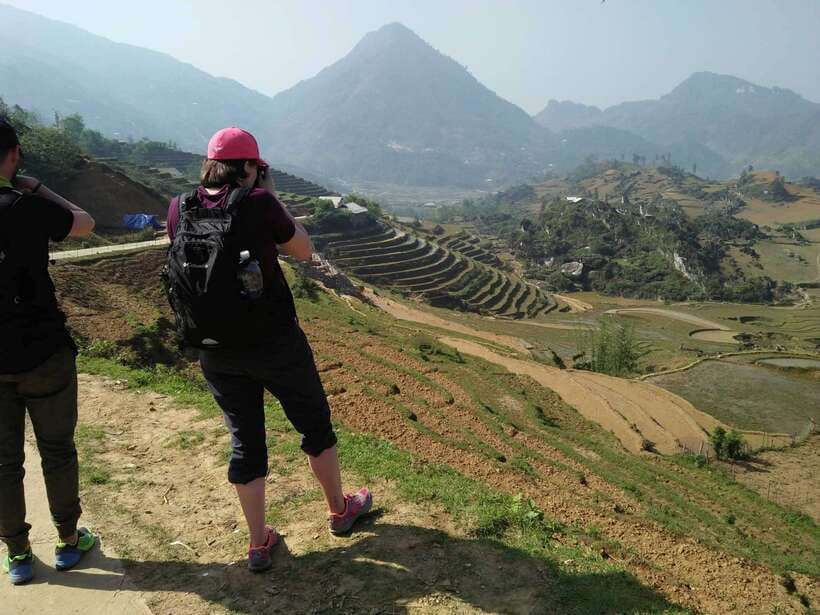
Day 2 begins with local breakfast, then you head out from Ta Van into a bamboo forest area. This is one of those sections that feels different from the more open stretches—cooler under the trees, quieter underfoot, and a nice break from direct weather.
Next comes Giang Ta Chai village, where people from the Red Dzao ethnic minority live. The route is described as countryside trekking along the trail, and you’ll also hit two memorable cultural stops:
- Rattan Bridge: a small structure, but it marks the feeling of village engineering and how people connect land through everyday pathways.
- A Red Dzao family home: you’re not just looking from the outside.
Lunch is another on-trail meal stop—served along the way on a footpath. That’s practical and it keeps the day from feeling like you’re always traveling between meals.
By late day you continue to Ban Ho village. You get free time to relax and stroll. This is important. A trek can feel like nonstop motion unless you’re given space to slow down. Ban Ho’s free time gives you a chance to sit, observe, and interact at your pace.
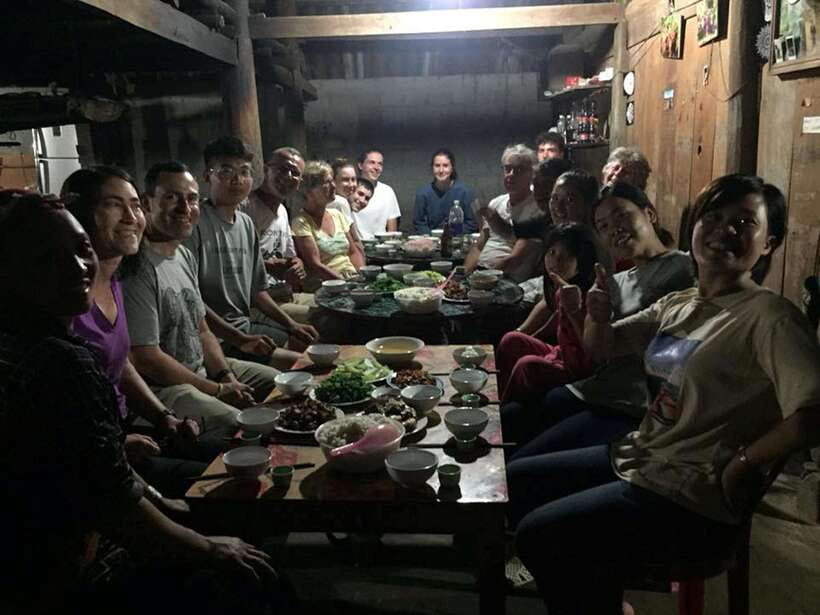
Then you dinner and spend your second night at a homestay with a local family. In the homestay setting, you might find hosts are very welcoming even when English isn’t shared widely. Food is often described as generous, and some homestay families may offer rice wine as part of the experience—usually for a friendly conversation, not a formal event.
Day 3: Ban Ho sunrise and the short trek to Nam Tong
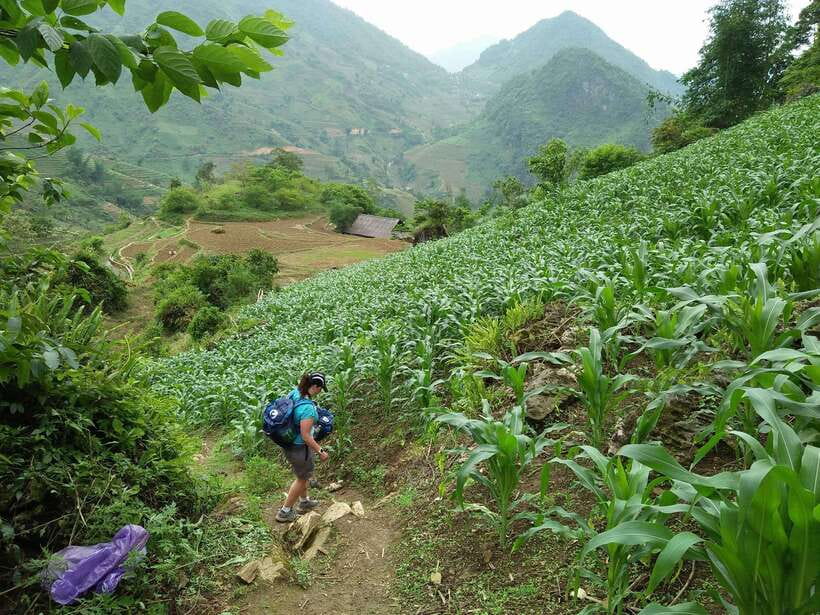
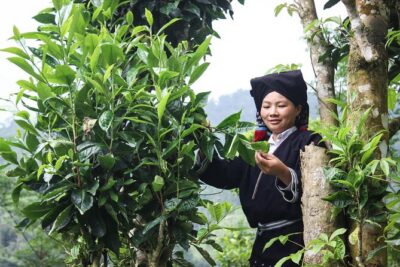
Day 3 starts early with an amazing sunrise in Ban Ho valley. After that, the trek becomes shorter and more intentional: you head to Nam Tong village, inhabited by the Red Dzao tribe.
This part is worth it because it changes the pace. After two full days of walking, a shorter trek helps you enjoy the cultural and scenic payoff without feeling completely worn down. It also gives you time to ask questions, look at daily routines, and connect what you’ve already learned from the first two villages with what you see here.
Once you return to Ban Ho village, a van picks you up for the ride back to Sapa. You can relax at the hotel, then take the bus back to Hanoi at 4:00 PM. You arrive in Hanoi around 10:00 PM, and the tour ends back at the meeting point.
That end time is late. If you have plans the same night in Hanoi, consider keeping them light—your feet and your head may need time to reset after the long travel day.
Homestays and meals: what you’ll likely love (and what to expect)
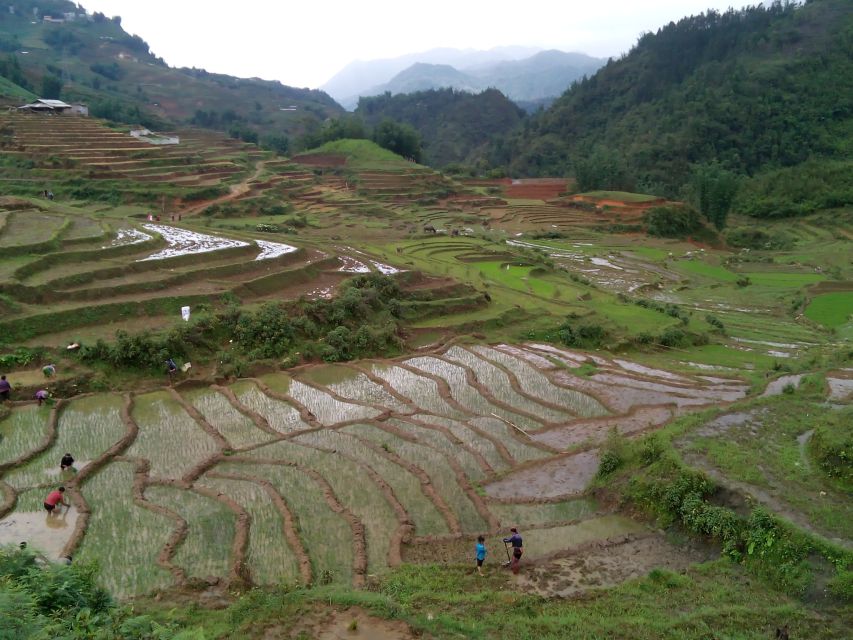
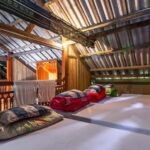
Two nights at homestays are the heart of this trip, and it’s where the experience usually turns from scenic to meaningful. Homestays generally mean you sleep in a family-run setting rather than a big hotel floor. People describe these stays as clean and comfortable enough for a trek, and hosts as kind and hospitable.
Food works in your favor, too. Breakfast is included at three points during the tour, and lunches are included as well. Dinners happen at the homestay. Portions are often described as generous, and food quality is consistently noted as a positive.
One thing I’d plan around: water and drinks may not be included beyond mineral water. Some people wish they’d had more free water at lunch, and beverages during trekking are typically available for purchase. So if you run through water fast, bring a plan—especially if you’re hiking in cooler weather where you still sweat and don’t feel as thirsty.
You can also read our reviews of more tours and experiences in Hanoi



Trek difficulty and weather: the reality check
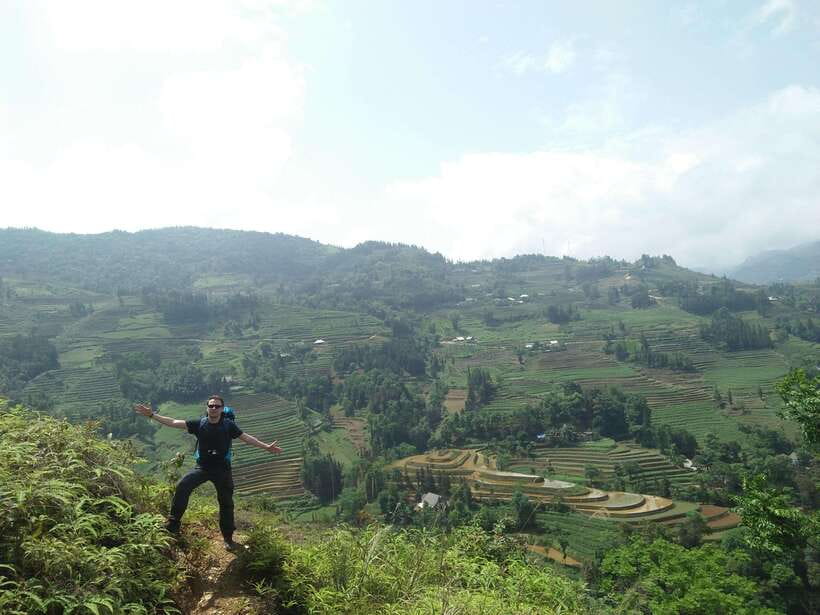
This is a hiking-focused itinerary across multiple villages and valleys. You don’t need to be a mountaineer, but you do need to walk on uneven ground for hours. Comfortable shoes matter more than fashion here.
Weather is the other big variable. In Sapa, cold and wet conditions can show up, and day 1 can be the roughest. If visibility is limited due to fog or rain, views may be muted and the experience becomes more about the people, the trail, and small moments rather than big scenery shots.
On day 2 and 3, conditions often improve, so you may get better sightlines after the first morning. Still, don’t assume. Dress for the worst and hope for the best.
Price and value: is $139 fair for what you get?
At $139 per person, this trip is priced like a guided, transportation-included package: roundtrip bus, a live English guide, two homestays, and all the meals listed (3 breakfasts, 3 lunches, 2 dinners) plus mineral water. In practice, that means you’re paying to cover the biggest costs people usually underestimate on multi-day treks: getting there, staying overnight in village settings, and having someone coordinate the route and introductions.
Where the value shows up for me is in the structure. You’re not paying just for trekking; you’re paying for meal stops inside villages, overnight hosting, and the language help that makes the cultural exchanges actually understandable.
Two cost notes to watch:
- Lunar New Year surcharge: there’s an added $75 per person from 26 Jan to 2 Feb 2025.
- Beverages and personal expenses aren’t included, so daily extras depend on how much you buy.
If you’re the type of traveler who prefers real human contact over a checklist of monuments, this price can feel like a fair trade.
Who this trip suits best (and who should skip it)
This is ideal if you:
- want ethnic culture explained in context, not just photographed
- enjoy walking days and can handle uneven paths
- like the idea of sleeping in a family homestay environment
- appreciate small-group travel (max 14) with an English-speaking guide
It’s not suitable if you have limited mobility, use a wheelchair, or are traveling with children under 6. It’s also not suitable for pregnant women. That’s not about attitude—it’s about the physical demands and the homestay setting.
If you’re unsure, think about your tolerance for early wake-ups, overnight transport, and multi-hour hikes with weather changes. If any of those are “hard no,” you’ll likely be happier with a more comfortable, shorter Sapa option.
Guide quality: English, local routes, and flexibility
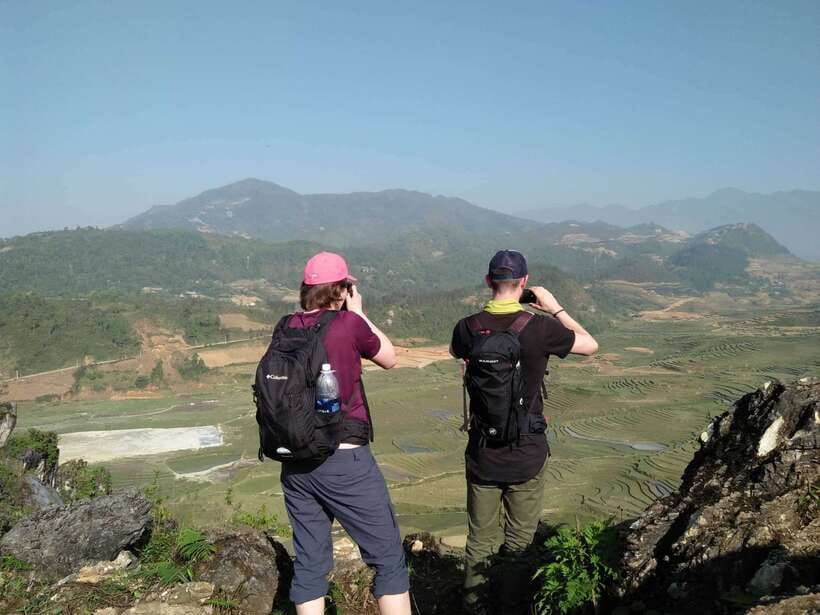
One of the biggest wins on this kind of trek is the guide. Here, you’re promised an English-speaking, live guide, and multiple guide names come up—Su and Sang—both described as caring and attentive.
The practical benefit of a strong guide is flexibility. When conditions are tough, a good guide can adjust the walking plan and keep the experience meaningful. You also get clearer answers about what you’re seeing: daily life, customs, and how the different communities live across the hills.
Even with that, expect some communication friction. You’ll likely rely on gestures, simple words, and explanations, especially during homestays. That’s normal here—and honestly, it’s often part of why the trip feels so human.
Should you book this 3-day homestay trek?
Book it if you want Sapa through people’s lives, not just through views. The combination of named ethnic communities (Hmong, Giay, Red Dzao), two homestays, and guided walks with included meals is a strong formula, especially if you like cultural learning at close range.
Skip or rethink it if you hate overnight bus travel, struggle with cold wet conditions, or need step-free accessibility. And if you’re the type who expects perfect visibility every morning, this trek can’t promise that. Weather is part of Sapa, and day 1 can be more challenging than day 2 and 3.
FAQ
Where is the meeting point in Hanoi?
You meet at 30 Hàng Muối, Lý Thái Tổ, Hoàn Kiếm, Hà Nội, Vietnam.
What time do you get picked up in Hanoi, and when do you arrive in Sa Pa?
Pickup is around 20h45 from the Hanoi Old Quarter. You arrive in Sa Pa around 4:00 AM the following day.
What does the tour price include?
The price includes roundtrip bus, a guide, 2 nights accommodation in homestays, 3 breakfasts, 3 lunches, 2 dinners, and mineral water.
How big is the group, and is the guide English-speaking?
The group is limited to up to 14 participants, and the tour has a live English-speaking guide.
What villages and ethnic groups are visited?
You trek through Lao Chai (Hmong), Ta Van (Giay), Giang Ta Chai (Red Dzao), and Ban Ho and Nam Tong (Red Dzao).
How many nights do you sleep in homestays?
You spend two nights in homestays.
What should I bring for the trek?
Bring comfortable shoes, sunglasses, a sun hat, sunscreen, and insect repellent. Warm clothes are also recommended in Sa Pa from October to March.
Is the trek suitable for children or people with mobility issues?
No. The tour is not suitable for people with limited mobility and children under 6. It is also not suitable for wheelchair users and pregnant women.
Is there an extra charge for Lunar New Year?
Yes. There is a $75 USD per person surcharge for Lunar New Year, from 26th Jan to 2nd Feb 2025, paid at the meeting point.